Munitions

JL-2 submarine-launched ballistic missile

Also known as
  • Ju Lang-2
  • Julang-2
  • CSS-N-14
  • CSS-NX-14
  • JL-2 SLBM

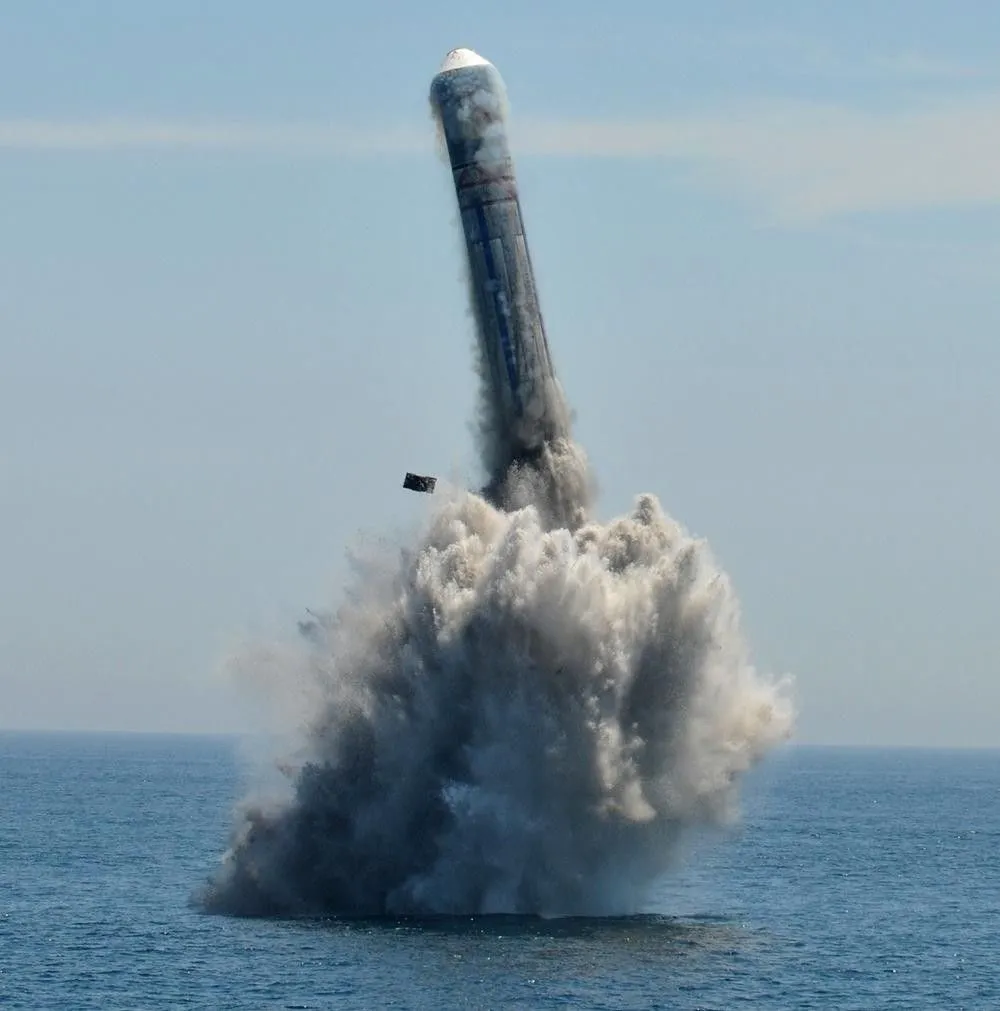
The JL-2 is a Chinese submarine-launched ballistic missile carried by Type 094 / Jin-class nuclear ballistic missile submarines. Open-source defense references describe it as an operational three-stage solid-propellant SLBM that gave China its first credible sea-based nuclear deterrent, with public range estimates varying between about 3,900 nautical miles and 8,000-9,000 kilometers.

Profile / Specs

Profile

Origin
China
Type
Submarine-launched ballistic missile
Service note
2010s-present
Produced
Operational by 2015 in CSIS reporting
Number built
Not publicly confirmed; launcher counts are tied to Jin-class SSBN inventories

Specifications

Class
Submarine-launched ballistic missile
Launch platform
Type 094 / Jin-class ballistic missile submarine
Range
About 3,900 nautical miles in 2024 U.S. Department of Defense reporting; 8,000-9,000 km in CSIS reporting
Length
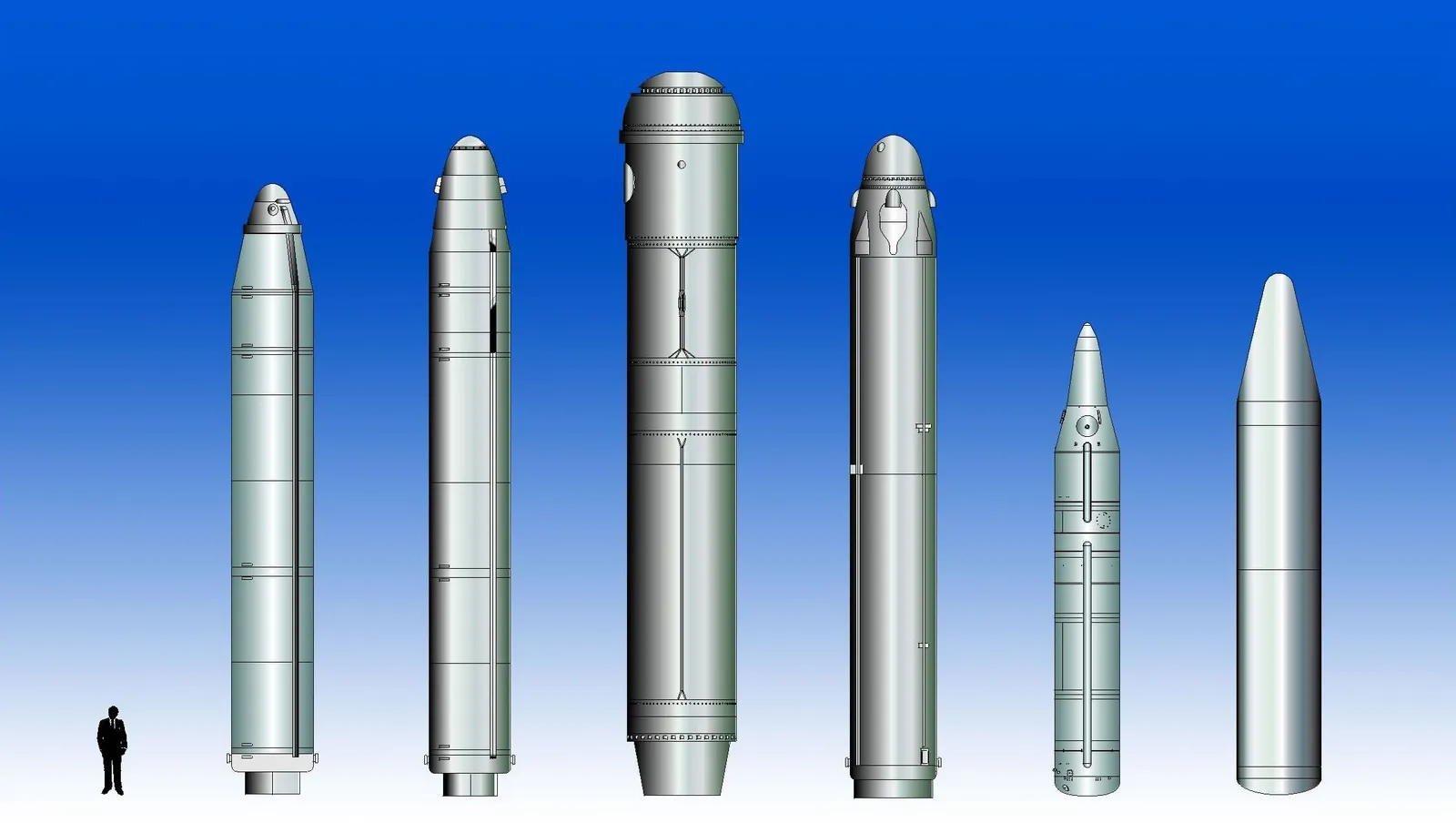
About 13 m
Diameter
About 2 m
Launch weight
About 42,000 kg
Payload
About 1,050-2,800 kg in CSIS reporting; nuclear warhead payload publicly estimated but not officially confirmed
Propulsion
Three-stage solid propellant
Status
Operational
Reported missile load
Up to 12 JL-2 or JL-3 SLBMs per Jin-class boat in 2024 U.S. Department of Defense reporting
Carrier Submarines

Open-source missile and defense assessments identify the Type 094 / Jin-class SSBN as the JL-2's submarine basing platform.

CarrierCarrier typeCarriage evidence
Type 094 / Jin-class ballistic missile submarine, Chinese People's Liberation Army Navy nuclear-powered ballistic missile submarine class, Naval SystemsType 094 / Jin-class ballistic missile submarineNuclear-powered ballistic missile submarine

CSIS lists the Jin-class nuclear ballistic missile submarine as the JL-2 basing platform, and the 2024 U.S. Department of Defense report says operational Jin-class SSBNs can carry up to 12 JL-2 or JL-3 SLBMs.

Sources: JL-2 | Missile Threat - CSIS, DoD China Military Power Report 2024

Sea-Based Deterrent Context

The JL-2 entry is kept relationship-only because the public sources checked describe strategic deterrent patrols, missile carriage, tests, and parade display rather than use in a named armed conflict. Its catalog value is the sourced relationship between China's Type 094 / Jin-class SSBN force and the missile that preceded the longer-range JL-3 in open-source reporting.

Carrier force

U.S. defense reporting describes six operational Jin-class Type 094 SSBNs conducting deterrent patrols.

Missile load

Each Jin-class boat is reported as able to carry up to 12 JL-2 or JL-3 submarine-launched ballistic missiles.

Successor context

Arms Control Association and FAS reporting describe the JL-3 as a longer-range successor appearing in public assessments after the JL-2 entered service.

Timeline

JL-2 submarine-launched ballistic missile Key Events

  1. Development-era flight testing reported

    CSIS describes JL-2 flight testing beginning in 2001 during development of China's sea-based strategic missile force.

    Sources: JL-2 | Missile Threat - CSIS

  2. Operational status reported

    CSIS reports that the JL-2 became operational in 2015 on Type 094 / Jin-class ballistic missile submarines.

    Sources: JL-2 | Missile Threat - CSIS

  3. Public parade display

    CGTN video coverage identified the parade system as China's submarine-launched missile shown during the National Day military parade.

    Sources: CGTN JL-2 parade video

  4. DoD reports Jin-class patrol context

    The 2024 U.S. Department of Defense China report said six operational Jin-class Type 094 SSBNs were conducting at-sea deterrent patrols and could carry up to 12 JL-2 or JL-3 missiles per boat.

    Sources: DoD China Military Power Report 2024

Media
Related Weapon Systems
Type 094 / Jin-class ballistic missile submarine, Chinese People's Liberation Army Navy nuclear-powered ballistic missile submarine class, Naval SystemsNaval SystemsType 094 / Jin-class ballistic missile submarineChinese People's Liberation Army Navy nuclear-powered ballistic missile submarine classThe Type 094 / Jin-class is the People's Liberation Army Navy's operational nuclear-powered ballistic missile submarine class and China's first credible sea-based nuclear-deterrent platform. U.S. defense reporting describes six operational Jin-class boats carrying up to 12 JL-2 or JL-3 submarine-launched ballistic missiles, while open-source references place construction at Bohai Shipyard in Huludao.
JL-3 submarine-launched ballistic missile, Submarine-launched ballistic missile, MunitionsMunitionsJL-3 submarine-launched ballistic missileSubmarine-launched ballistic missileThe JL-3 is a Chinese solid-fueled submarine-launched ballistic missile reported as the CSS-N-20 and as a longer-range follow-on to the JL-2 for China's sea-based nuclear deterrent. U.S. Department of Defense reporting says China probably fielded the missile on Jin-class Type 094 submarines, while specialist assessments caution that the pace of JL-2 replacement and exact payload details remain publicly uncertain.
RSM-56 Bulava, Submarine-launched ballistic missile (SLBM), MunitionsMunitionsRSM-56 BulavaSubmarine-launched ballistic missile (SLBM)The RSM-56 Bulava is a Russian submarine-launched ballistic missile designed by the Moscow Institute of Thermal Technology for the Borei/Project 955 SSBN family. CSIS identifies it as an intercontinental-range SLBM with an 8,300 km range estimate, MIRV payload, and operational status; RussianSpaceWeb ties the program to the abandoned R-39 Bark replacement path and Votkinsk serial production. This page stays relationship-only because public sources document strategic service, tests, and launch-platform relationships rather than independent use in a named armed conflict.
HQ-9, Long-range surface-to-air missile system, Air DefenseAir DefenseHQ-9Long-range surface-to-air missile systemThe HQ-9 is a Chinese road-mobile long-range surface-to-air missile family associated with CASIC and CPMIEC export marketing. Four-canister 8x8 launchers, HT-233-family fire-control radars, naval HHQ-9 and FD-2000 export designations make it a layered air-defense system rather than a single missile round; public conflict coverage now centers on Chinese island deployments in the South China Sea and Pakistan's HQ-9/P/HQ-9BE layer in the 2025 India-Pakistan conflict.

Sources