Air Defense

PPZR Grom

Also known as
  • PZR Grom
  • Przenosny Przeciwlotniczy Zestaw Rakietowy Grom
  • Grom MANPADS
  • Grom-M

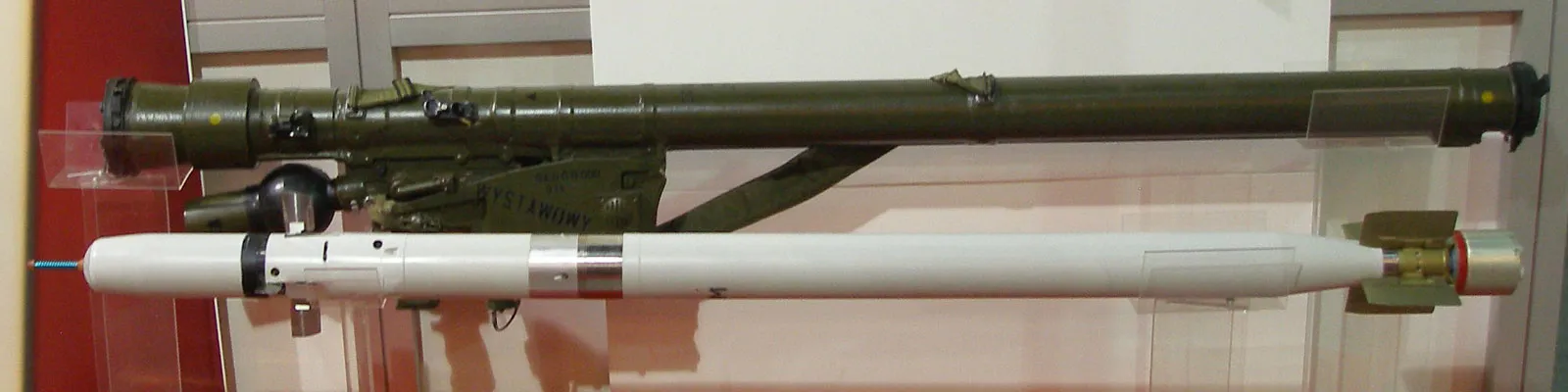
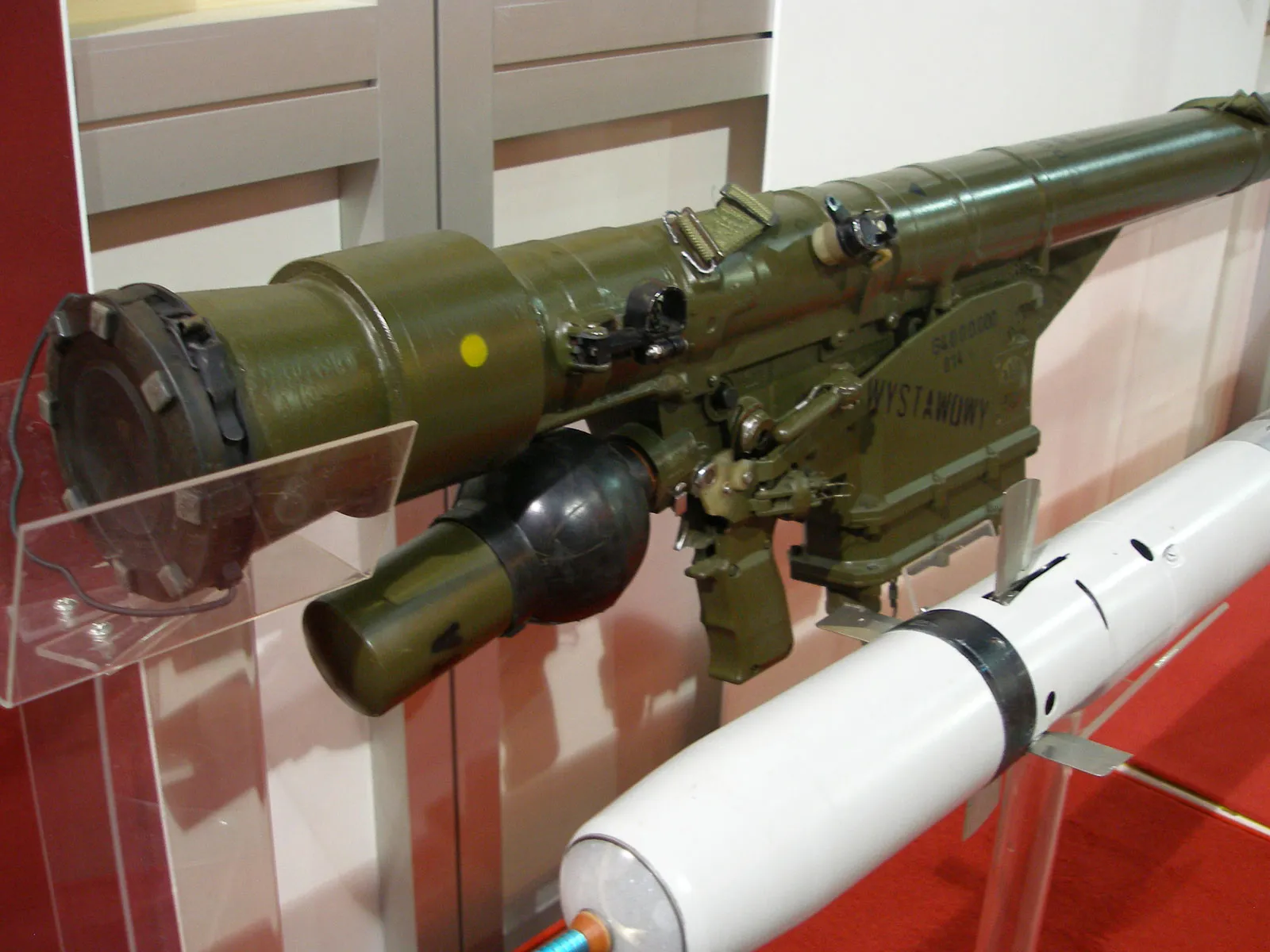
PPZR Grom is a Polish shoulder-fired infrared surface-to-air missile system built by MESKO for very-short-range defense against visually acquired aircraft, helicopters, UAVs, and other infrared-emitting targets. Open reporting ties the system to Georgian use in the 2008 2008 Russo-Georgian War and to a Grom launcher tube reportedly seized from pro-Russian separatists in eastern Ukraine in 2014.

Role in Conflicts

Role in conflict
Short-range air defense against Russian aircraft

Interia, citing Dziennik, reported that Georgian forces used Polish-made Grom missiles during the 2008 war, with Grom launch teams targeting Russian aircraft and helicopters and recording several shootdowns.

Profile / Specs

Profile

Origin
Poland
Built by
MESKO S.A.
Type
Man-portable air-defense system
Service note
1995-present
Designer
Polish state armament design bureaus
Designed
Early 1990s
Unit cost
Not publicly established
Produced
1995-present
Number built
At least 2,000 missile sets reported by 2013

Specifications

Crew
1 operator
Guidance
Infrared homing
Warhead
FRAG-HE
Engagement range
500 m to 5,500 m
Altitude envelope
10 m to 3,500 m
Average missile speed
580 m/s
Missile set weight
18.5 kg
Primary target set
Low-flying aircraft, helicopters, UAVs, and other infrared-emitting targets
Designation And Modernization Notes

Grom sits between Soviet-legacy MANPADS design influence and Poland's later Piorun modernization path. MESKO's public data still frames the baseline weapon around short-range infrared engagements, while Polish defense reporting separates the original Grom performance envelope from Piorun's newer seeker, sighting, fuze, and countermeasure-resistance upgrades.

DesignationReader-useful distinctionSource-backed context
PPZR / PZR GromBaseline Polish shoulder-fired MANPADSMESKO lists the system for one-operator short-range air defense against infrared-emitting aircraft and helicopters.
GROM E2Improved Grom example documented in UkraineARES identified a 2007-production Polish-made GROM E2 tube reportedly seized from pro-Russian separatists in 2014.
Grom-M / PiorunModernized successor pathMILMAG describes Piorun as a modernized Grom with a new seeker path, launch-mechanism changes, an optoelectronic sight rail, a proximity fuze, and better countermeasure resistance.
Variants

Grom naming covers the Polish baseline MANPADS and later improvement path; the separate PPZR Piorun record covers the modernized Grom-family successor.

VariantConfigurationDesignation notes
GROM E2Improved export/service configuration

ARES identified the Ukraine-recovered tube as a Polish-made GROM E2 example and noted markings consistent with 2007 production.

Sources: Polish PPZR Grom MANPADS seized from pro-Russian Separatists in Ukraine

PPZR Piorun, Man-portable air-defense system, Air DefensePPZR PiorunModernized Grom-family successor

MILMAG describes Piorun as a modernized version of Grom with a modified launch mechanism, a more sensitive seeker, an optoelectronic sight rail, a proximity fuze, and improved countermeasure resistance.

Sources: MILMAG Grom and Piorun Launch Mechanisms

Timeline

PPZR Grom Key Events

  1. Grom enters Polish service

    MILMAG describes Grom as in service with the Polish Armed Forces and introduced in 1995.

    Sources: MILMAG Grom and Piorun Launch Mechanisms

  2. Polish Grom sale to Georgia reported

    Interia reported that Poland sold Georgia 30 hand launchers and 100 missiles in summer 2007 through a legal arms-transfer transaction.

    Sources: Interia Polish Groms in Georgia

  3. Grom appears in the 2008 Russo-Georgian War

    Polish reporting described Georgian use of Grom missiles against Russian aircraft and helicopters during the August 2008 conflict.

    Sources: Interia Polish Groms in Georgia

  4. Grom tube reported captured in eastern Ukraine

    ARES documented a Polish-made PPZR Grom tube reportedly seized from pro-Russian separatists by Ukrainian forces in May 2014.

    Sources: Polish PPZR Grom MANPADS seized from pro-Russian Separatists in Ukraine

  5. Polish repair tender covers Grom and Piorun launch mechanisms

    MILMAG reported a Polish logistics-base tender for emergency repair services for launch mechanisms used in Grom and Piorun MANPADS.

    Sources: MILMAG Grom and Piorun Launch Mechanisms

Media
Related Weapon Systems
Igla, Man-portable infrared-homing surface-to-air missile system, Air DefenseAir DefenseIglaMan-portable infrared-homing surface-to-air missile systemThe Igla family is a Soviet/Russian shoulder-fired MANPADS built to give small air-defense teams a mobile, infrared-guided weapon against low-flying aircraft, helicopters, drones, and cruise missiles. Documented conflict use and fielding spans Ukrainian mobile air-defense teams, PKK use against a Turkish AH-1W helicopter, Syrian armed-group inventories, RSF fielding in Sudan, and Indian Army Igla-S teams reported in Operation Sindoor coverage.
9K333 Verba, Man-portable air-defense system (MANPADS), Air DefenseAir Defense9K333 VerbaMan-portable air-defense system (MANPADS)The 9K333 Verba, NATO reporting name SA-29 Gizmo, is a Russian shoulder-fired very-short-range air-defense system built around the 9M336 missile, 9P333 launch tube, and a passive three-spectral thermal seeker. Designed by KB Mashinostroyeniya for aircraft, helicopters, UAVs, and cruise missiles in heavy optical-interference conditions, it has documented Russian service in Syria and Ukraine and can also be used with night sights, Dzhigit support launchers, and Gibka-S mobile short-range air-defense vehicles.
2K11 Krug / SA-4 Ganef, Tracked medium-range surface-to-air missile system, Air DefenseAir Defense2K11 Krug / SA-4 GanefTracked medium-range surface-to-air missile systemThe 2K11 Krug, NATO reporting name SA-4 Ganef, is a Soviet tracked medium-range surface-to-air missile system built around 2P24 launchers, 3M8-series missiles, and separate acquisition and guidance radars. Successive Krug-A, Krug-M, and Krug-M1 updates reduced the system's dead zone and improved parts of its engagement envelope. In the Nagorno-Karabakh conflict record, public evidence documents Armenian and Artsakh Krug equipment as legacy air defense and later as damaged, captured, or seized materiel rather than confirmed missile firings.

Sources