- Side
- EgyptSyria

Egyptian and Syrian BMP-1 forces used the 2A28 Grom-equipped vehicle in the 1973 Yom Kippur War; postwar assessments noted the Grom projectile's range limitations alongside the vehicle's mobility and protection problems.
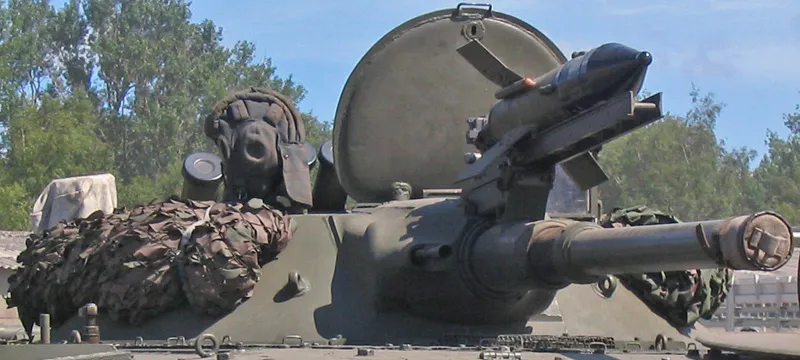
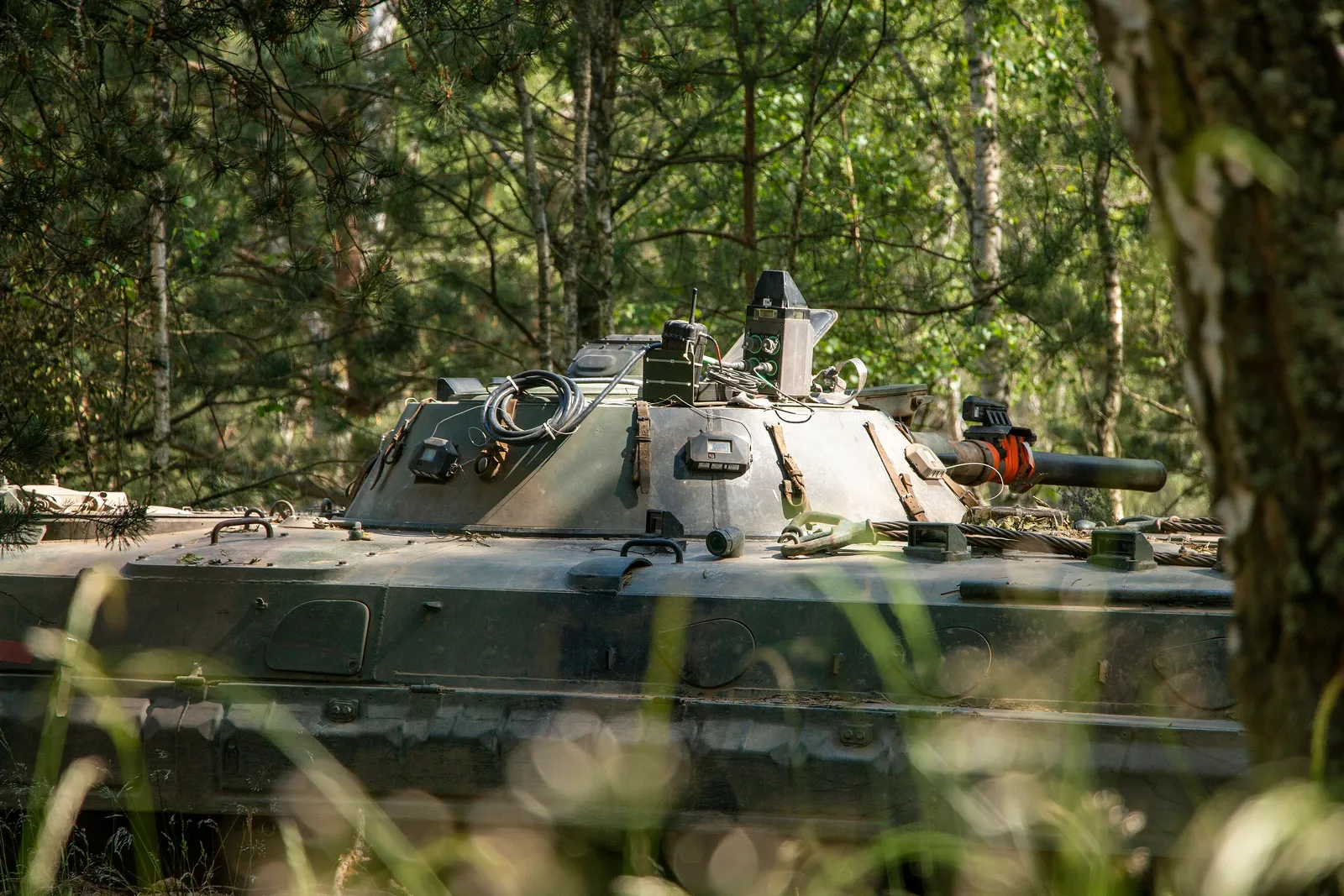
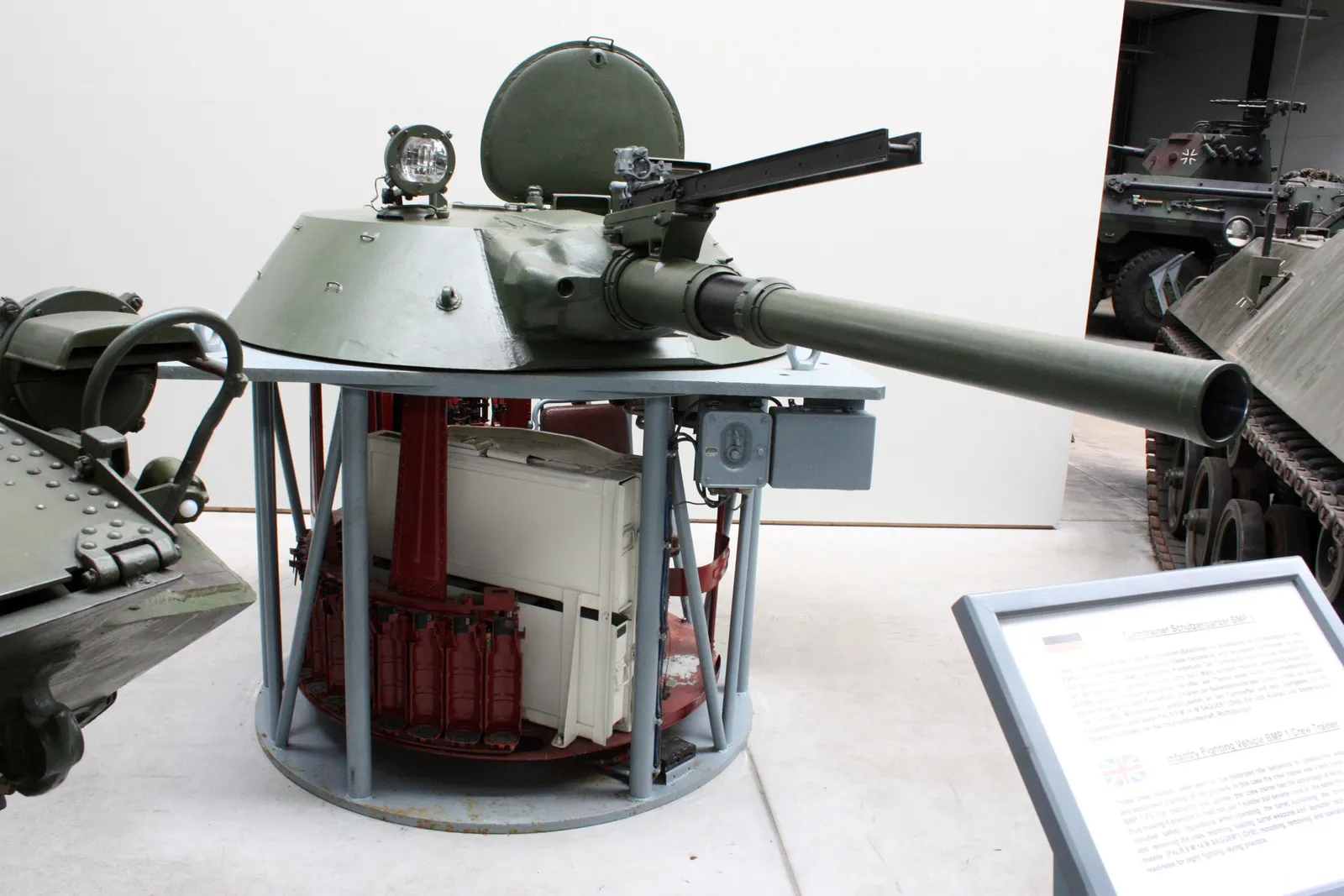
The 2A28 Grom is a Soviet 73 mm low-pressure smoothbore cannon designed by KBP in Tula and used as the main gun on BMP-1, BMD-1, and related light armored vehicles. Its compact semi-automatic loading system, short recoil, and PG-15V/OG-15V ammunition gave early Soviet infantry fighting vehicles a short-range direct-fire weapon, while the Russia-Ukraine War has also produced improvised dismounted 2A28 support-gun adaptations.
Egyptian and Syrian BMP-1 forces used the 2A28 Grom-equipped vehicle in the 1973 Yom Kippur War; postwar assessments noted the Grom projectile's range limitations alongside the vehicle's mobility and protection problems.
Soviet BMP-1 units fielded the 73 mm Grom in Afghanistan, where the gun and its ammunition were criticized for limited elevation, range, and fragmentation effect in mountainous and built-up terrain.
Iraqi BMP-1s armed with the 73 mm 2A28 Grom fought coalition armor; one account of the Battle of 73 Easting records an Iraqi BMP-1 knocking out a U.S. Bradley with 73 mm gunfire.
Role detailsThe 2A28 Grom is documented as the main armament of the BMP-1 family and the BMD-1 airborne infantry fighting vehicle.
| Firing weapon | Weapon type | Firing evidence |
|---|---|---|
 | Infantry fighting vehicle | Weaponsystems.net lists the BMP-1's main armament as the 73 mm 2A28 Grom low-pressure cannon with 40 rounds in the turret. Sources: BMP-1 | Weaponsystems.net |
 | Airborne infantry fighting vehicle | Weaponsystems.net identifies the BMD-1's main armament as the 73 mm 2A28 Grom low-pressure cannon with 40 rounds. Sources: BMD-1 |
 | Tracked armored reconnaissance vehicle | Weaponsystems.net states that the BRM-1K's larger two-person turret carries the same 73 mm 2A28 Grom low-pressure cannon as the BMP-1, with a reduced 20-round ammunition load. Sources: BRM-1K Korshun |
The Grom is best read as both a vehicle armament and a compact direct-fire gun. Its low-pressure design limits range and accuracy compared with larger tank guns, but the small weapon let Soviet light armored vehicles combine troop carriage, an anti-armor projectile, high-explosive ammunition, and a coaxial weapon in a compact turret.
BMP-1 and BMD-1 references list the 2A28 as the 73 mm low-pressure main gun, normally with 40 rounds in those vehicles; BRM-1K retained the gun with a 20-round load.
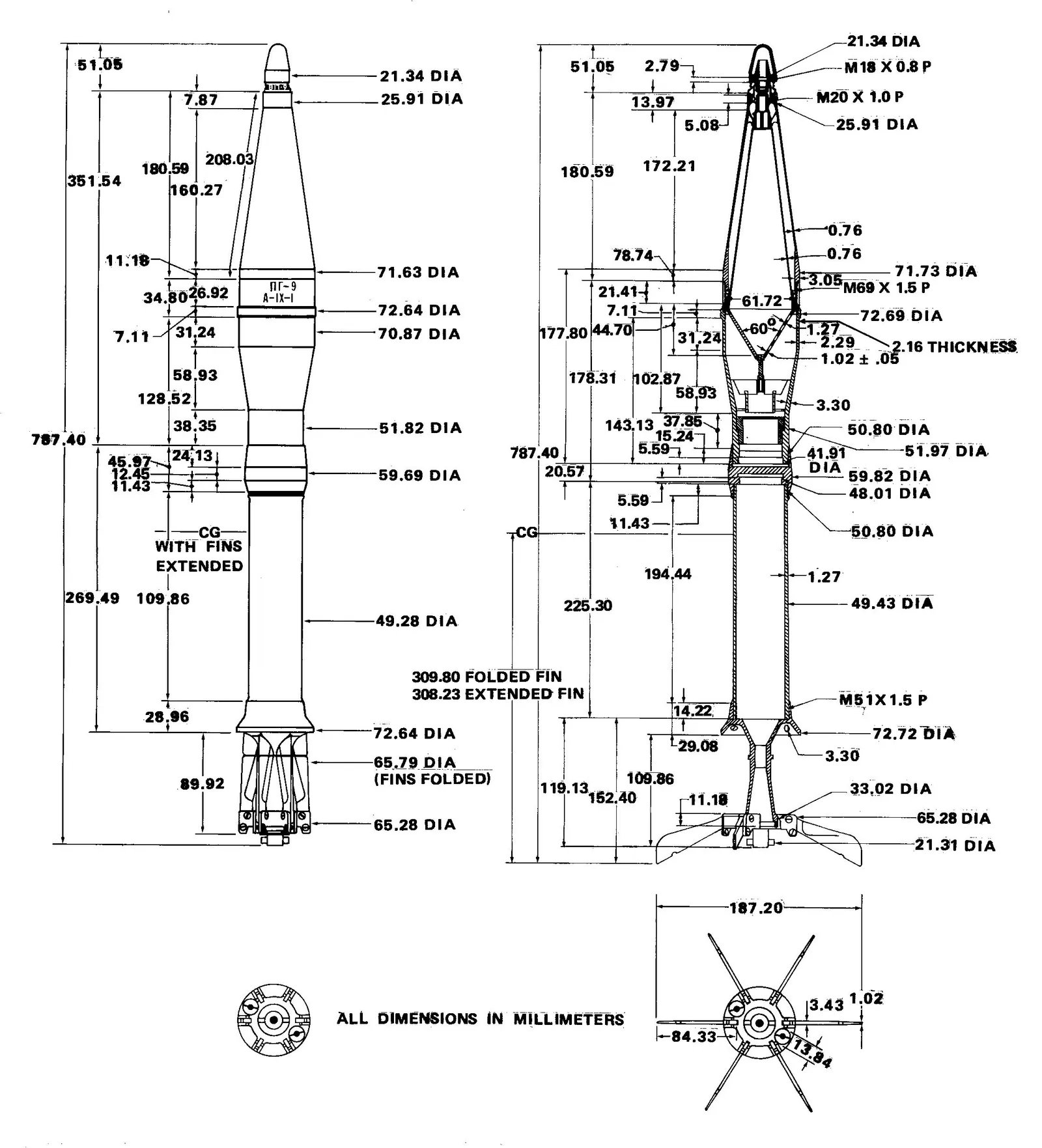
STV GROUP lists PG-15V HEAT, OG-15V HE, and TB-15V thermobaric rounds for cannon 2A28, separating anti-armor, high-explosive, and thermobaric roles.
Ukraine-war reporting describes Russian units removing 2A28 guns from BMP-1 hulls and mounting them on ad hoc carriages, but also notes uncertainty about combat effectiveness.
The 2A28 Grom entered the BMP-1 armament package as Soviet BMP-1 production began, giving the vehicle a 73 mm low-pressure turret gun with 40 rounds.
Sources: 2A28 Grom (Wikipedia), BMP-1 | Weaponsystems.net
The BMD-1 airborne fighting vehicle reused the BMP-1-style turret and mounted the same 73 mm 2A28 low-pressure cannon.
Sources: BMD-1
The BRM-1K reconnaissance vehicle entered service with a larger turret that retained the 73 mm 2A28 Grom, but with a reduced 20-round load and no anti-tank missile rail.
Sources: BRM-1K Korshun
The U.S. Army Worldwide Equipment Guide describes the BMP-1P as an improved BMP-1 variant that retained the 73 mm 2A28/Grom armament while changing the missile fit.
Sources: Worldwide Equipment Guide Volume 1: Ground Systems (2015)
The Worldwide Equipment Guide notes that Germany's BMP-1A1 Ost conversion removed the automatic loader, illustrating how some operators modified the Grom loading arrangement.
Sources: Worldwide Equipment Guide Volume 1: Ground Systems (2015)
Defense Express reported footage of Russian forces installing 2A28 Grom guns from BMP-1 vehicles on carriages and test firing at least two improvised guns.
Sources: Defense Express 2A28 Carriage Adaptation