Support Equipment

Next Generation Overhead Persistent Infrared / Next Gen OPIR

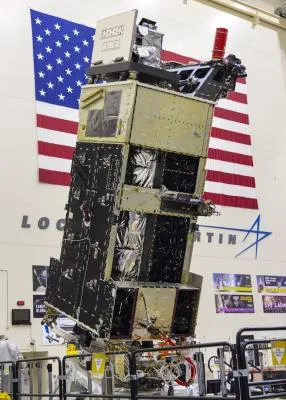
Next Generation Overhead Persistent Infrared (Next Gen OPIR) is the U.S. Space Force's next-generation missile-warning satellite family. Lockheed Martin is building the GEO component on an LM 2100 Combat bus, Northrop Grumman is building the polar satellites, and the program is intended to replace SBIRS with more resilient infrared sensing for ballistic, hypersonic, and counter-space threats.

Profile

Origin
United States
Built by
Lockheed MartinNorthrop Grumman
Type
Missile-warning satellite family
Service note
2018-present missile-warning constellation development
Designed
2018
Produced
2018-present
Variants
Next-Gen OPIR GEO (NGG), Next-Gen OPIR Polar (NGP)

Also Known As

  • Next Gen OPIR
  • Next-Gen OPIR
  • Next Generation OPIR
  • NGG
  • NGP

Specifications

Mission
Resilient space-based missile warning, tracking, and defense
GEO altitude
About 22,000 miles above Earth for the geosynchronous component
Orbit mix
Geosynchronous Earth orbit plus highly elliptical polar coverage
Sensors
Infrared OPIR sensors for ballistic, hypersonic, and emerging threat detection
GEO bus
Lockheed Martin LM 2100 Combat bus with resiliency features

Service And Conflict Use

Service History

In service
The first GEO satellite completed environmental testing in August 2025 and moved toward delivery, while the polar satellites remained in development under the broader Next Gen OPIR program.
Used by
United States Space Force

Conflict Usage

Side
🏳️Unspecified

Exact model: Next-Generation Overhead Persistent Infrared GEO missile-warning satellite system. It is a future missile-warning constellation; I found no confirmed combat use.

Timeline

Next Generation Overhead Persistent Infrared / Next Gen OPIR Key Events

  1. Block 0 GEO CDR completed

    Space Systems Command said the Next Gen OPIR GEO program passed its Block 0 geosynchronous space vehicle critical design review and stayed on schedule for a 2025 first launch.

    Sources: United States Space Force Next Gen OPIR GEO Program completes Block 0 GEO Space Vehicle Critical Design Review

  2. System CDR completed

    SSC completed the Block 0 GEO system critical design review, confirming the space and ground design maturity for the program's launch planning.

    Sources: SSC Next-Gen OPIR Block 0 GEO Program completes System CDR

  3. First GEO satellite completed environmental testing

    Lockheed Martin reported that the first Next-Gen OPIR GEO satellite finished thermal vacuum and acoustic testing and moved into final systems integration testing.

    Sources: First Next-Gen GEO-Based Missile Warning Satellite Successfully Completes Environmental Testing, On Track for Delivery to Space Force

  4. Polar sensor delivery advanced

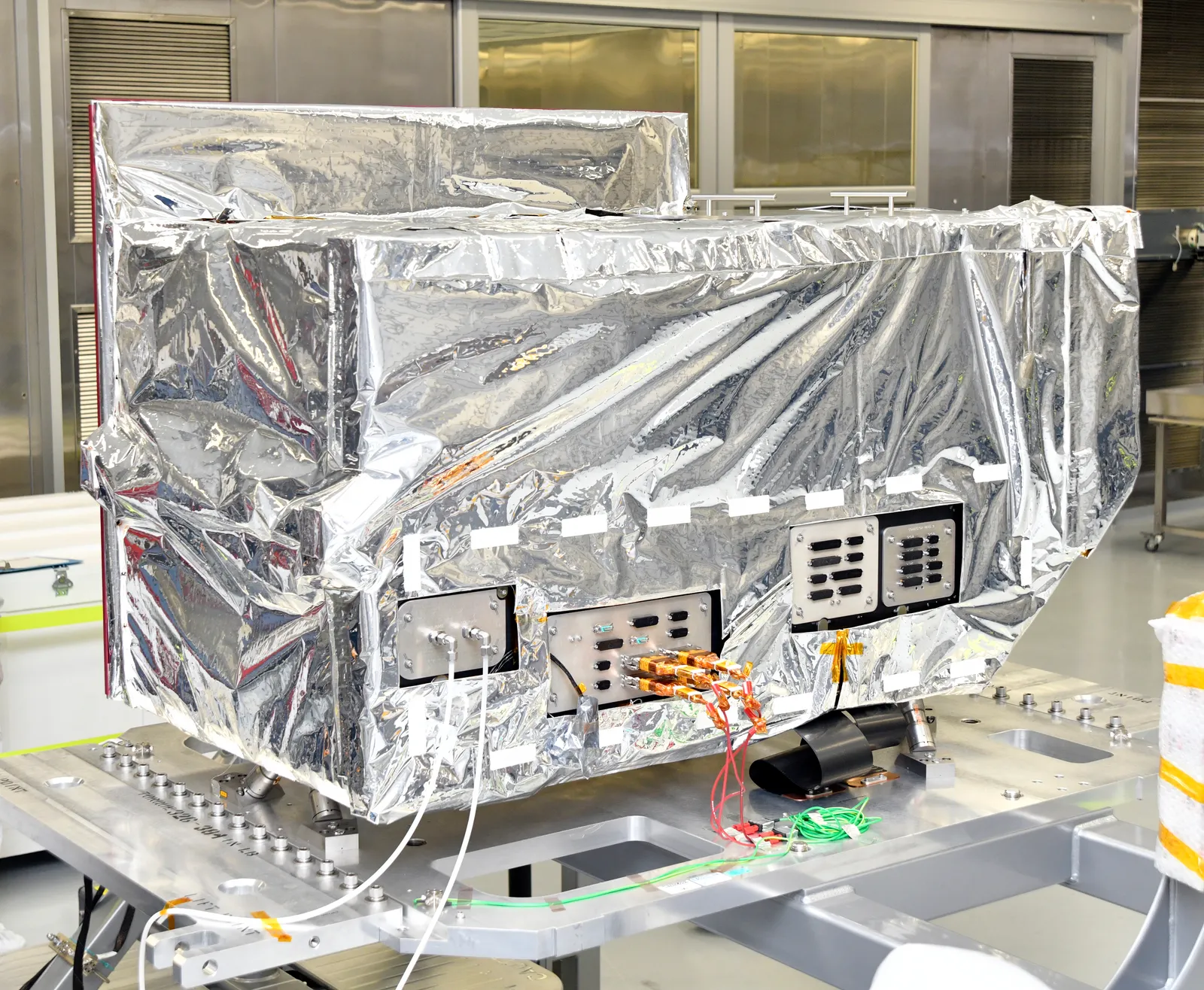
    Northrop Grumman said the Next Gen OPIR Polar program remained on track as it advanced the mission payload sensor subassembly for the polar orbit satellites.

    Sources: Northrop Grumman Boosts Missile Warning with Next Gen Polar Infrared Sensor Delivery

Next Generation Overhead Persistent Infrared / Next Gen OPIR Images

Related Weapon Systems

Global Positioning System III / GPS Block III, Military navigation satellite family, Support EquipmentSupport EquipmentGlobal Positioning System III / GPS Block IIIMilitary navigation satellite familyGlobal Positioning System III / GPS Block III is the Lockheed Martin-built U.S. military navigation-satellite family that modernizes the GPS constellation with M-code, the L1C civil signal, improved accuracy, and stronger anti-jamming performance. It is the generation launched from 2018 onward before the GPS III Follow-On line, and it serves as a precision position, navigation, and timing space vehicle rather than a battlefield weapon in the catalog sense.
iSpace, Space situational awareness and command-and-control software suite, Support EquipmentSupport EquipmentiSpaceSpace situational awareness and command-and-control software suiteLockheed Martin iSpace is a U.S. space situational-awareness software suite for managing assets in orbit. Lockheed Martin says the system fuses optical, radar, infrared, and radio sensor data from government, commercial, and scientific networks to track objects, process space events, and support command-and-control and battle-management decisions for defense, international, commercial, and civil users. The German Space Agency selected iSpace for space situational awareness in 2021.

Sources