Profile
- Origin
- United States
- Built by
- Lockheed Martin
- Type
- Data-centric command-and-control prototype
- Service note
- 2025-present
- Produced
- 2025-present
Next Generation Command and Control (NGC2) is a U.S. Army digital mission-command modernization effort represented here by Lockheed Martin's 25th Infantry Division prototype. Public Army and Lockheed Martin material describes operational training, live-fire experimentation, common-data-layer work, and Balikatan 2026 validation, but does not document combat employment.
The NGC2 material available publicly describes a software and data stack built for training and operational validation rather than a fielded combat weapon.
| Layer | Documented role |
|---|---|
| Common data layer | The Army's June 2026 announcement says Anduril leads the common data baseline initiative with Palantir for an edge-to-cloud data mesh and Raft for registries, transformation tools, and federation. |
| 25th Infantry Division implementation | The same Army release says Lockheed Martin continues as the full-stack operational implementation lead for the 25th Infantry Division. |
| Mission applications | Lockheed Martin's Lightning Surge 2 release describes Accelint Neo as a mission-command interface and Raft Data Platform as the foundational data layer for the prototype demonstration. |
| Sustainment data | The Lightning Surge 2 release says ammunition levels were linked to Rune's TyrOS Platform to demonstrate logistics and sustainment forecasting. |
Sources: U.S. Army NGC2 common data baseline announcement; Lockheed Martin Team's Next Generation Command and Control prototype enables live fires execution.
Public releases describe NGC2 as an evolving prototype and implementation effort rather than a family of production variants.
| Variant | Configuration | Designation notes |
|---|---|---|
| Lightning Surge 1 prototype | First demonstrated 25th Infantry Division iteration | Lockheed Martin reported delivery and demonstration of the first NGC2 prototype iteration with 25th Infantry Division experimentation in January 2026. |
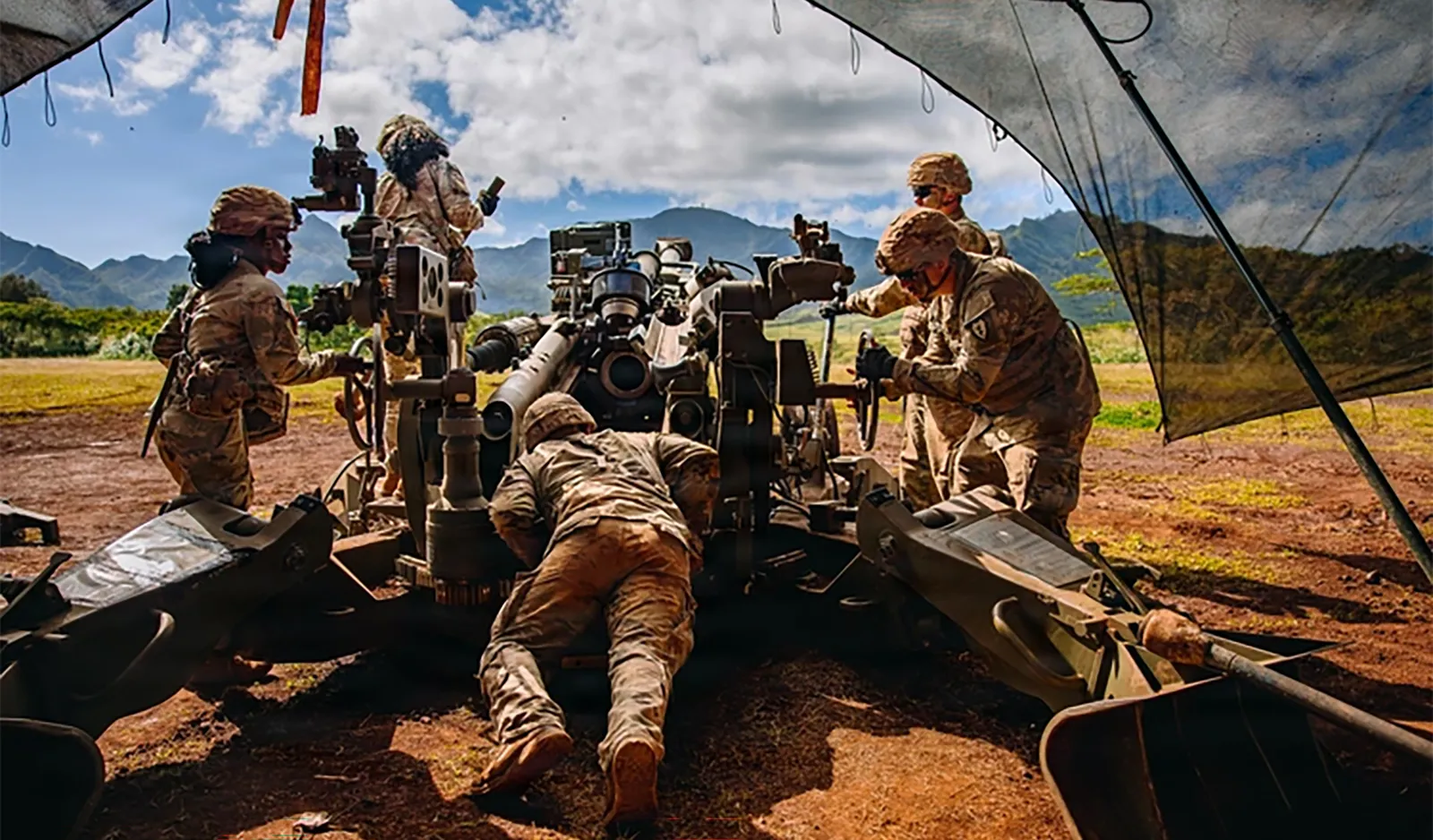
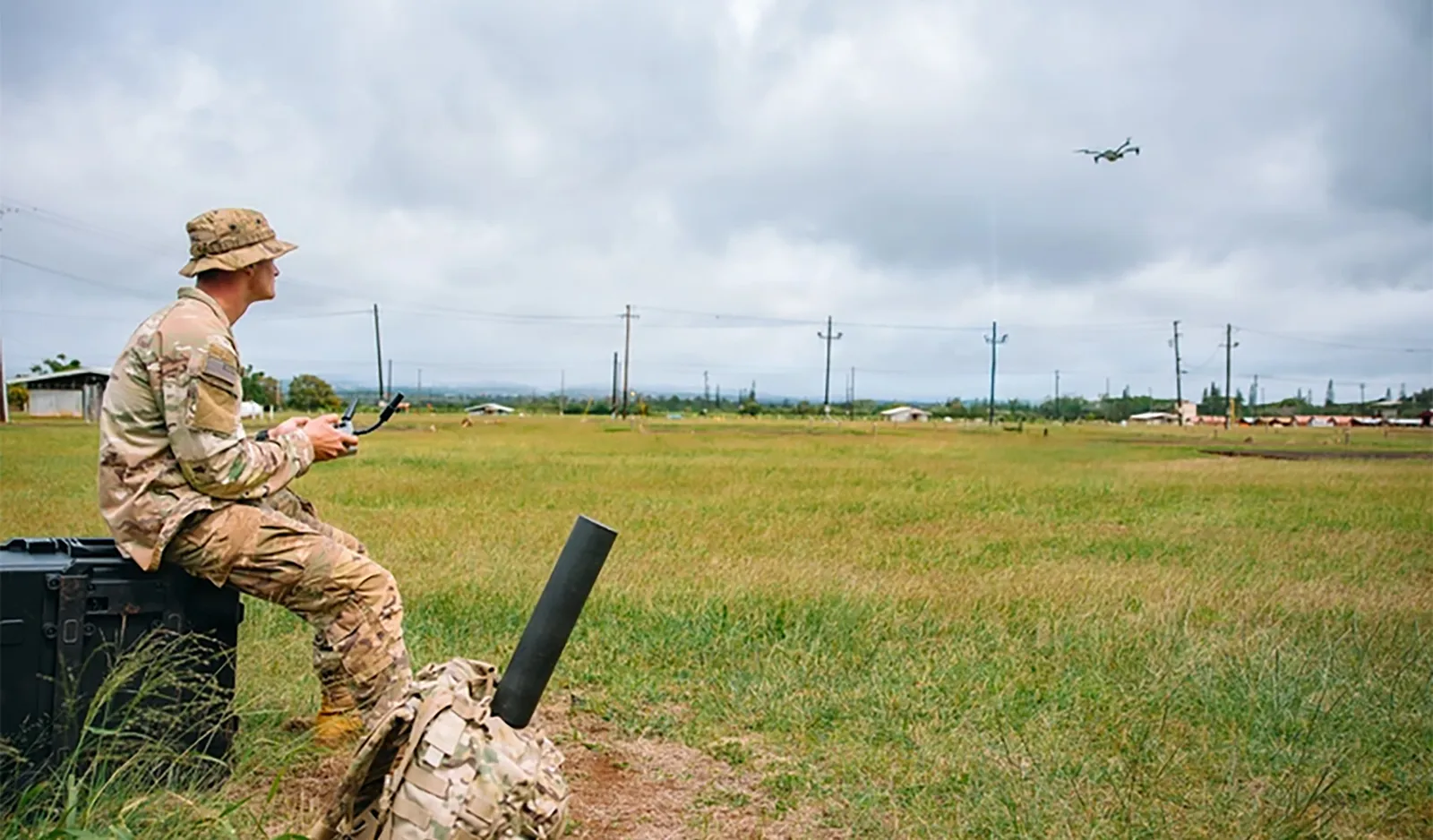
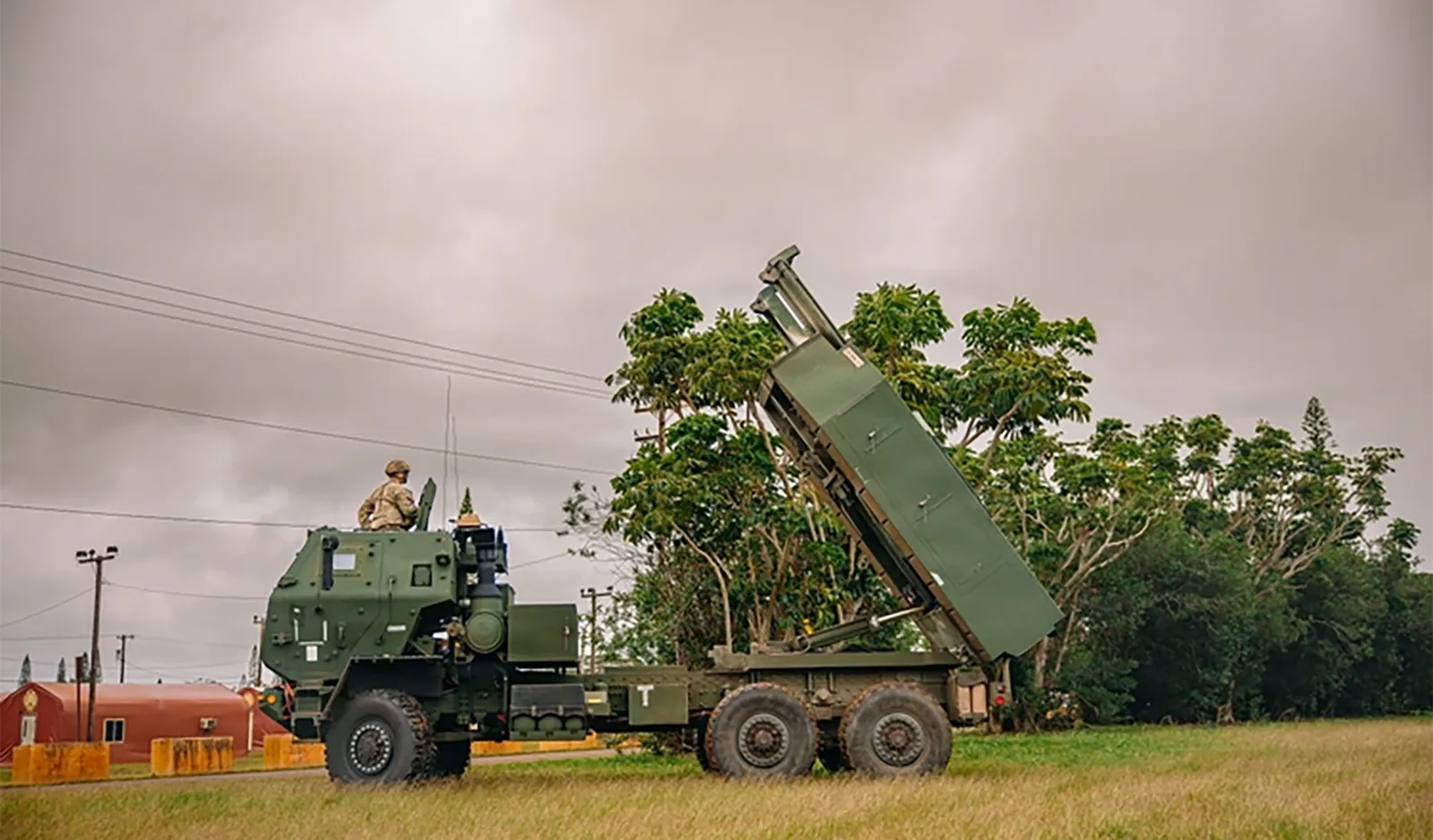
| Lightning Surge 2 live-fire prototype | Sensor-to-shooter live-fire iteration | Lockheed Martin described this iteration as linking targeting information, drone feeds, fires systems, and sustainment data during live fires with HIMARS and M777 systems. |
Lockheed Martin's Lightning Surge 2 release connects the NGC2 prototype to live-fire sensor-to-shooter experimentation with 25th Infantry Division fires systems.
| Compatible item | Item type | Compatibility evidence |
|---|---|---|
 | Wheeled rocket-artillery launcher | During Lightning Surge 2, 25th Infantry Division soldiers used the NGC2 prototype to assess sensor-to-shooter connections and fire HIMARS rockets in real time. |
 | 155 mm towed howitzer | The same Lightning Surge 2 release says 25th Infantry Division soldiers used the NGC2 prototype while firing M777 howitzers in real time. |
The strongest public evidence for this record is exercise validation: 25th Infantry Division Lightning Surge events, 4th Infantry Division Ivy Sting / Ivy Mass work, and Balikatan 2026 integration.
| Event | Source-backed context |
|---|---|
| Lightning Surge 1 | Lockheed Martin described a first prototype iteration demonstrated with the 25th Infantry Division, including data-layer and cloud-to-edge transport and compute context. |
| Lightning Surge 2 | Lockheed Martin said the prototype supported live-fire sensor-to-shooter workflows with HIMARS rockets and M777 howitzers. |
| Balikatan 2026 / Lightning Surge 3 | The Army said the 25th Infantry Division demonstrated sensor, fires, and airspace-management integration from Hawaii, the continental United States, and the Philippines. |
| Common-data baseline | The Army said feedback from 4th Infantry Division and 25th Infantry Division operational training events informed the common data layer baseline. |
Sources: Lockheed Martin Lightning Surge 1 release; Lockheed Martin Lightning Surge 2 release; U.S. Army NGC2 common data baseline announcement.
Lockheed Martin Rotary and Mission Systems said it was awarded a prototype agreement to serve as team lead for a data-centric NGC2 prototype and to help the Army scale partner capabilities into the program.
Sources: Lockheed Martin Awarded Prototype Agreement by the US Army for Next Generation Command and Control (NGC2)
Lockheed Martin said it delivered and demonstrated the first NGC2 prototype iteration at Lightning Surge 1 with 25th Infantry Division experimentation.
Sources: Lockheed Martin Accelerates Next Generation Command and Control (NGC2) Capabilities and Real-Time Decision Making at Lightning Surge 1
Lockheed Martin said the NGC2 prototype enabled sensor-to-shooter connections during live fires at Lightning Surge 2, including real-time use with HIMARS rockets and M777 howitzers.
Sources: Lockheed Martin Team’s Next Generation Command and Control (NGC2) Prototype Enables Live Fires Execution for Mission Success at Lightning Surge 2
The U.S. Army said the 25th Infantry Division used Lightning Surge 3 during Exercise Balikatan 2026 to integrate sensors, fires systems, and airspace management across Hawaii, the continental United States, and the Philippines.
Sources: U.S. Army NGC2 common data baseline announcement
The Army announced an NGC2 common data layer baseline informed by 4th Infantry Division Ivy Sting / Ivy Mass events and 25th Infantry Division Lightning Surge validations.
Sources: U.S. Army NGC2 common data baseline announcement