Air Defense

Next-Generation Short-Range Interceptor (NGSRI)

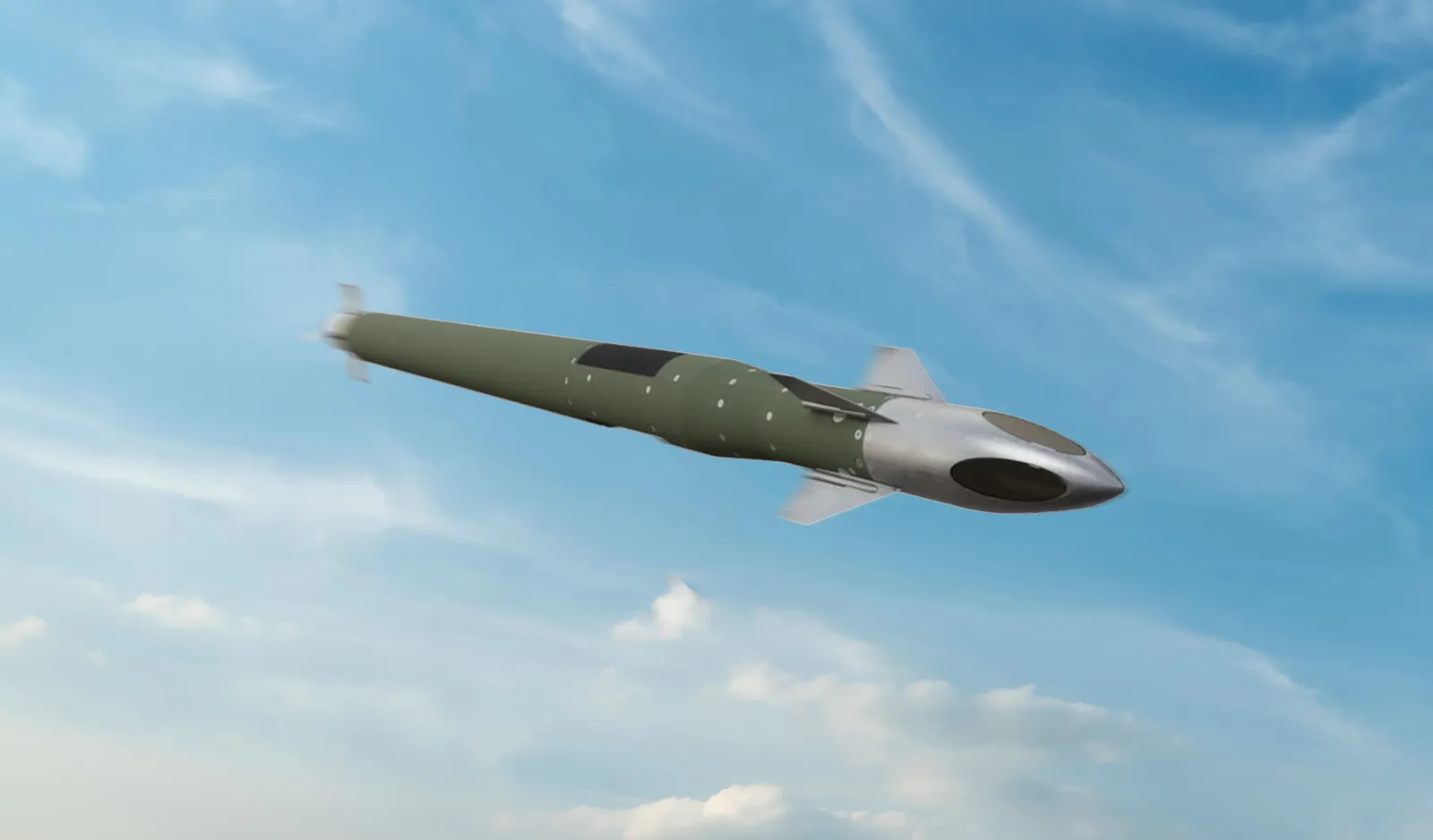
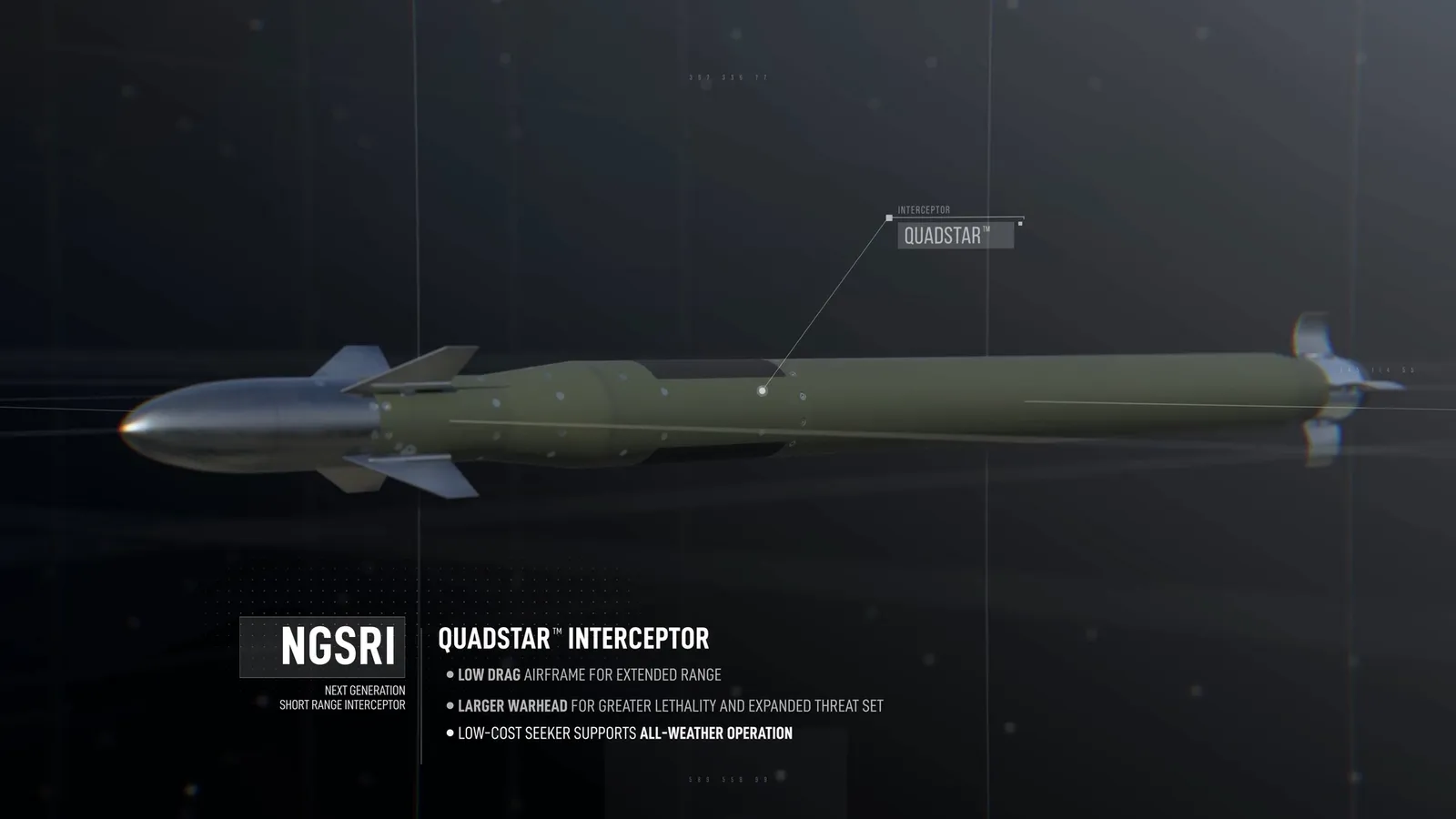
Lockheed Martin's Next-Generation Short-Range Interceptor (NGSRI) is a U.S. Army short-range air-defense missile program intended to replace the Stinger. Lockheed describes its QuadStar missile as a modular, more aerodynamic design with advanced seeker technology, and the program reached first flight testing in 2026.

Profile

Origin
United States
Built by
Lockheed Martin
Type
Short-range air-defense missile / interceptor
Service note
2023-present development program
Designed
2023
Developed from
Miniature Hit-to-Kill interceptor design

Also Known As

  • NGSRI
  • QuadStar
  • Next Generation Short-Range Interceptor
air defenseSAMinterceptor

Specifications

Role
Short-range air-defense missile
Design
Built off the Miniature Hit-to-Kill interceptor design
Seeker
Advanced seeker technology validated in flight tests with image capture, onboard signal processing, and target tracking
Architecture
Modular open-systems design with a more aerodynamic, efficient airframe
Targets
Unmanned aerial systems, rotary-wing aircraft, and fixed-wing aircraft

Service And Conflict Use

Service History

In service
In development for the U.S. Army as a potential Stinger replacement; Lockheed Martin reported first flight testing in January 2026.

Conflict Usage

Side
🏳️Unspecified

Exact model: Lockheed Martin Next-Generation Short-Range Interceptor (NGSRI), a candidate replacement for Stinger-class short-range air-defense missiles. It is still a development/procurement candidate; I found no confirmed conflict use.

Timeline

Next-Generation Short-Range Interceptor (NGSRI) Key Events

  1. First flight test completed

    Lockheed Martin said NGSRI completed the first of a series of flight tests at White Sands Missile Range, marking a major development milestone for the program.

    Sources: Lockheed Martin Successfully Completes First Flight Test of NGSRI

  2. Seeker characterization flight test reported

    Lockheed Martin reported a seeker characterization flight test for the NGSRI competition and said the missile launched from a Command Launch Assembly while maintaining target tracking.

    Sources: Lockheed Martin Proves Seeker Capabilities for U.S. Army Next-Generation Short-Range Interceptor Competition

Next-Generation Short-Range Interceptor (NGSRI) Images

Related Weapon Systems

MIM-104 Patriot, Long-range surface-to-air and ballistic missile defense system, Air DefenseAir DefenseMIM-104 PatriotLong-range surface-to-air and ballistic missile defense systemThe MIM-104 Patriot is a U.S.-origin, truck-mobile air and missile defense system built around phased-array radar, command-and-control vehicles, launchers, power generation, antenna masts, support vehicles, and PAC-2 or PAC-3 interceptor families. Developed from the 1960s SAM-D program, it evolved from aircraft defense into a high-value air and missile defense layer used in Desert Storm, Operation Iraqi Freedom, Yemen, Ukraine, and Gulf base defense.
2K11 Krug / SA-4 Ganef, Tracked medium-range surface-to-air missile system, Air DefenseAir Defense2K11 Krug / SA-4 GanefTracked medium-range surface-to-air missile systemThe 2K11 Krug, NATO reporting name SA-4 Ganef, is a Soviet tracked medium-range surface-to-air missile system built around 2P24 launchers, 3M8-series missiles, and separate acquisition and guidance radars. In the 2020 Nagorno-Karabakh war it appeared on the Armenian and Artsakh side as legacy area air defense, but reporting from CSIS and Oryx shows it was vulnerable in a battlespace dominated by Azerbaijani UAVs and loitering munitions.
2K12 Kub / Kvadrat / SA-6 Gainful, Tracked medium-range surface-to-air missile system, Air DefenseAir Defense2K12 Kub / Kvadrat / SA-6 GainfulTracked medium-range surface-to-air missile systemThe 2K12 Kub, exported as Kvadrat and known to NATO as SA-6 Gainful, is a Soviet tracked medium-range surface-to-air missile system built around 3M9 missiles, 2P25 launch vehicles, and the 1S91 Straight Flush radar. In recent conflict archives it appears as a legacy medium-range air-defense system, including Syrian use during the 2018 missile strikes, Armenian use in Nagorno-Karabakh, and a Houthi SA-6/Kub-family engagement that downed a U.S. MQ-9 over Yemen in 2019.

Sources