Infantry Weapons

MATADOR

Also known as
  • RGW 90
  • RGW90
  • Man-Portable Anti-Tank, Anti-DOoR
  • MATADOR SRAAW
  • MATADOR-WB
  • Matador WB
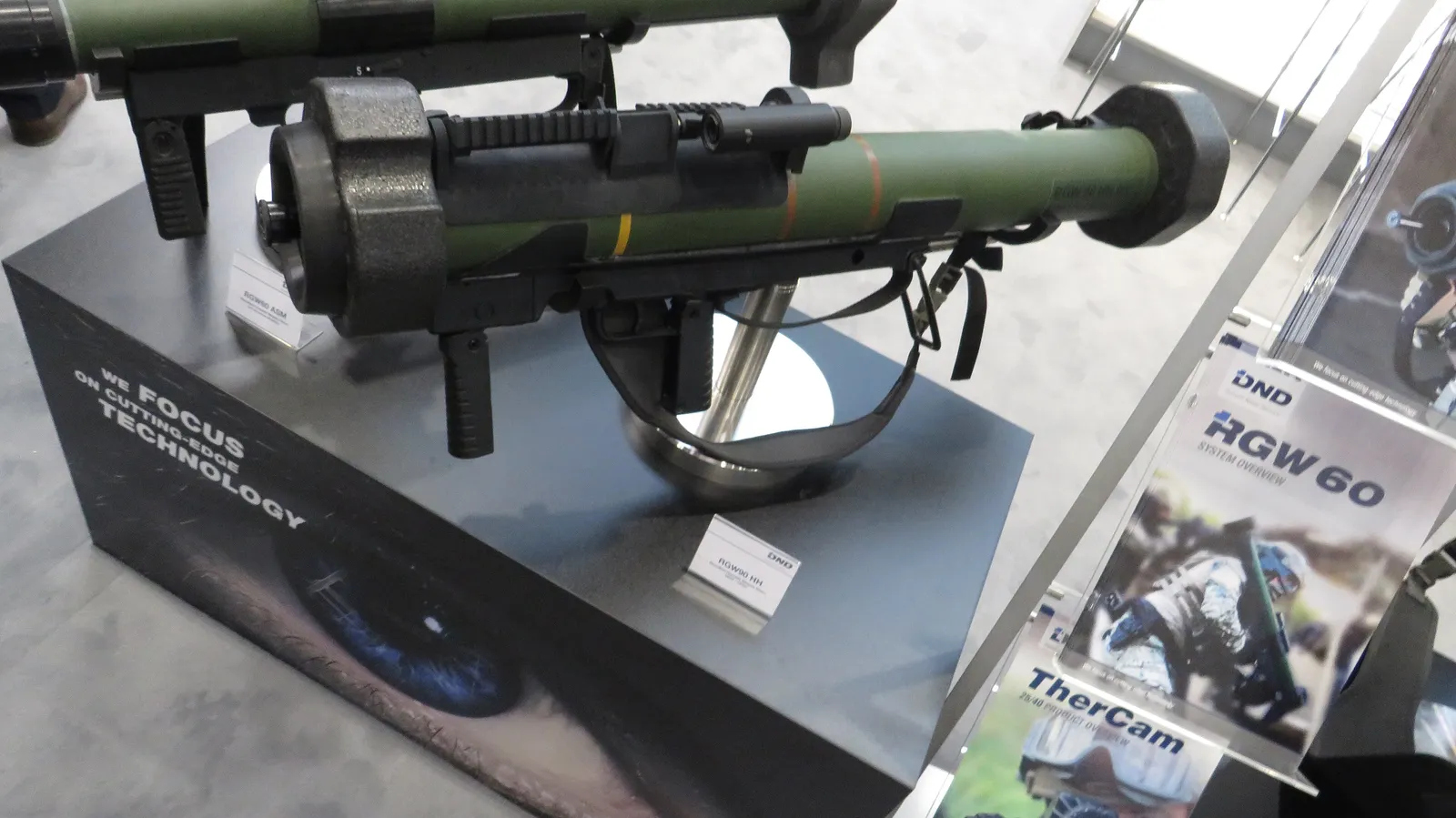
  • RGW 90 HH
  • RGW 90 ASM
  • RGW 90 AS
  • RGW 90 LRMP
  • Wirkmittel 90

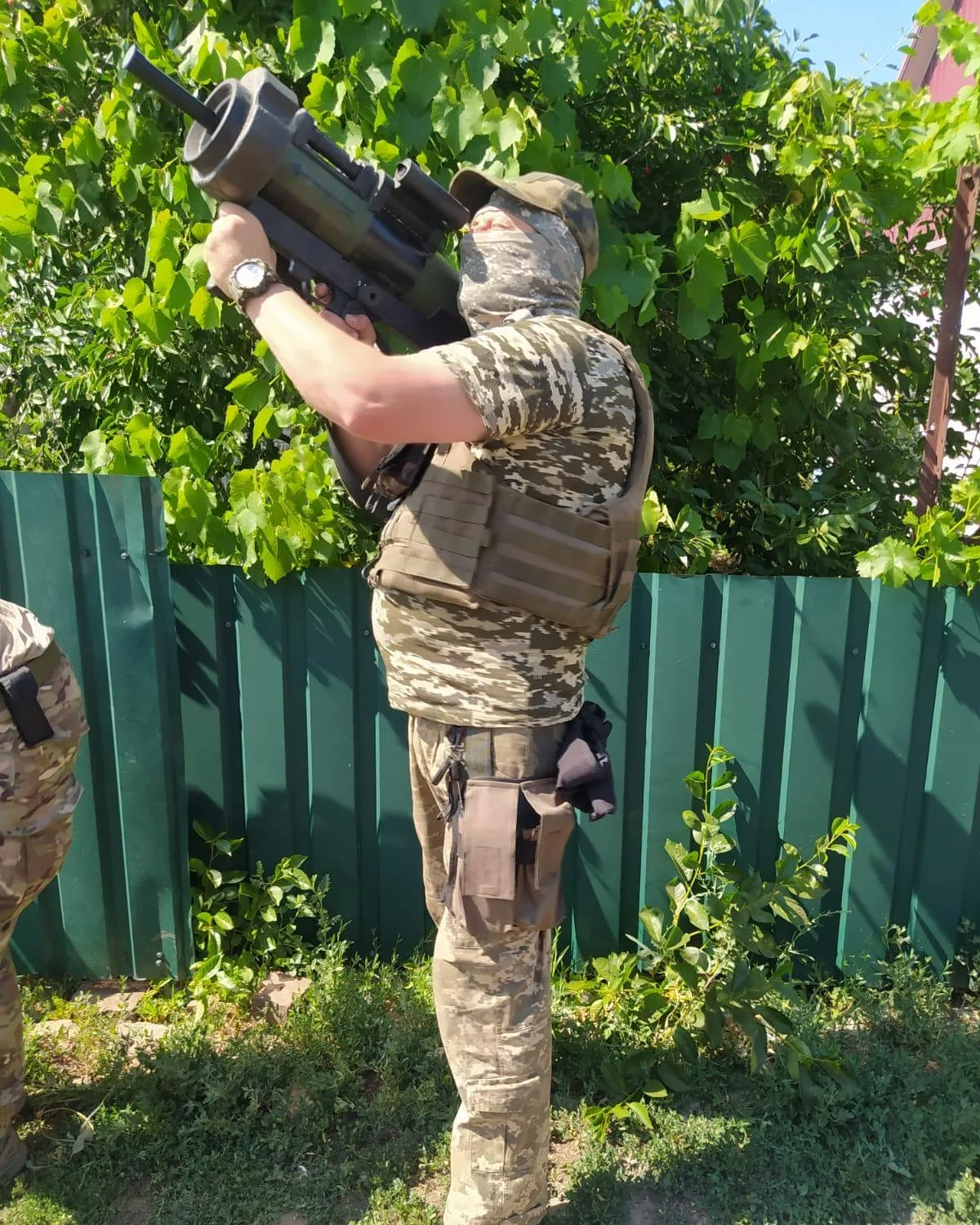
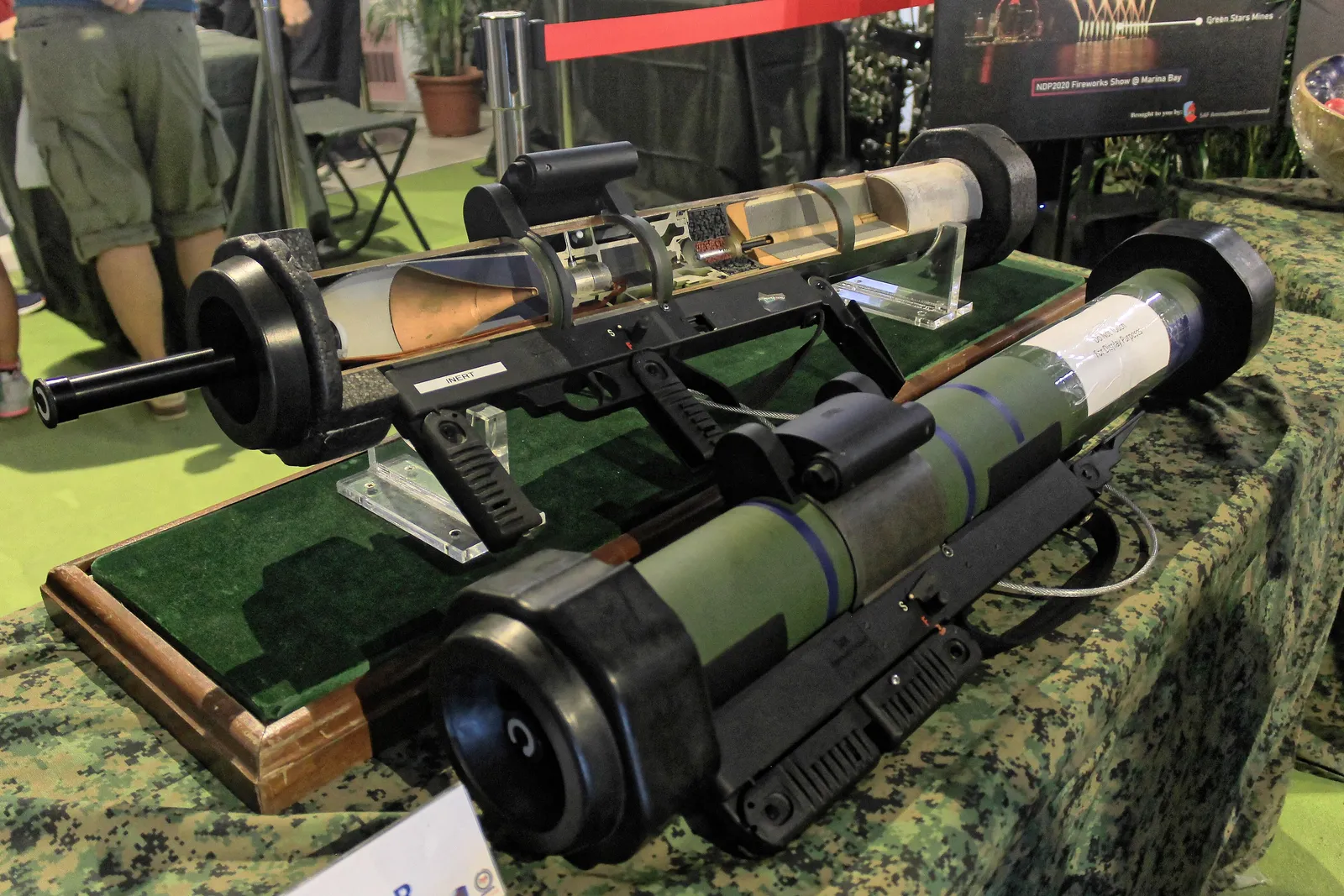
MATADOR, also marketed in the RGW 90 family, is a 90 mm disposable shoulder-fired recoilless weapon developed with Singaporean, German, and Israeli participation for anti-armor, breaching, and anti-structure missions. Singapore's version emphasized confined-space firing, a HEAT/HESH selectable effect, and wall-breaching performance for built-up areas, while Dynamit Nobel Defence's RGW 90 line includes dual-mode, anti-structure, long-range multipurpose, smoke, illumination, and training variants. The system is documented in Singapore service, in Israeli Matador WB use during the 2008 Gaza War, in German-funded RGW 90 deliveries to Ukraine, and in Israeli use during urban fighting in Gaza after October 2023.

Role in Conflicts

Side
Israel
Role in conflict
Wall-breaching anti-structure fire

During Operation Cast Lead in Gaza, Israeli infantry brigades used the Matador WB wall-breaching munition; Aviation Week reported it as the IDF's first use of that variant and described its role opening passages through brick walls.

Ukrainian forces fielded RGW 90/MATADOR disposable anti-tank weapons supplied from German-funded industry deliveries; Germany's official archived Ukraine aid list recorded 16,917 delivered RGW 90 weapons as of April 17, 2025.

Role details
Profile / Specs

Profile

Origin
Germany / Singapore / Israel
Built in
GermanySingapore
Type
Disposable shoulder-fired anti-armor recoilless weapon
Service note
2000-present
Designer
Singapore Armed Forces / Defence Science and Technology Agency / Dynamit Nobel Defence / Rafael Advanced Defense Systems
Designed
Development began in 2000; DSTA credits MATADOR as a 2004 designed-and-developed milestone
Produced
2004-present
Developed from
Armbrust

Specifications

Caliber
90 mm
Weight
7.5 kg for RGW 90 HH; 8.9 kg in Singapore MATADOR and RGW 90 LRMP references; 9.4 kg for RGW 90 ASM
Length
0.96 m in HESH mode / 1.08 m in HEAT mode for RGW 90 HH
Effective range
500 m in the Singapore MATADOR factsheet; 20-500 m for RGW 90 HH and ASM; 20-600 m impact or 20-1200 m airburst for RGW 90 LRMP
Warhead
Singapore MATADOR uses HEAT or HESH effect; RGW 90 HH uses a dual-mode HEAT/HESH shaped-charge warhead
Armor effect
RGW 90 HH is listed by DND with more than 500 mm RHA penetration
Structural effect
Singapore MATADOR can create an opening larger than 450 mm in a double brick wall; RGW 90 ASM is intended for field fortifications, adobe walls, bunkers, and reinforced-concrete walls
Projectile data
Singapore factsheet lists a 2.6 kg projectile, 250 m/s muzzle velocity, and 1.2 s flight time to 300 m
Confined-space firing
Singapore factsheet lists firing from confined spaces greater than 15 cubic meters; DND RGW 90 pages list enclosed-room firing from 18 cubic meters
Variants

The MATADOR/RGW 90 family uses mission-specific warheads and national designations; this structured variant list focuses on distinct RGW 90 effects beyond the baseline HEAT/HESH shoulder weapon.

VariantConfigurationDesignation notes
RGW 90 ASM / ASAnti-structure munition

The ASM page describes mousehole and blast modes for field fortifications, adobe walls, bunkers, and reinforced-concrete walls.

Sources: RGW90 ASM

RGW 90 LRMP / Wirkmittel 90Long-range multipurpose blast-fragment variant

DND lists impact and airburst modes, a blast-fragment warhead, and 20-600 m impact or 20-1200 m airburst range; Bundeswehr media uses the Wirkmittel 90 designation.

Sources: RGW90 LRMP, 60 Sekunden Bundeswehr: Wirkmittel 90

RGW 90 IllumBattlefield illumination variant

DND lists infrared or white-light illumination, a 500 m illumination radius, 350-1200 m combat range, and more than 40 seconds of illumination.

Sources: RGW90 Illum

RGW 90 SmokePhosphorus smoke variant

DND lists a smoke round with 20-1200 m combat range and a smoke screen that expands from 20 square meters after 1.5 seconds to 50 square meters after 5 seconds.

Sources: RGW90 Smoke

Timeline

MATADOR Key Events

  1. Development begins

    Singapore's MINDEF factsheet says MATADOR development began in 2000 as a SAF and DSTA collaboration with Dynamit Nobel Defence, intended to replace Armbrust.

    Sources: Factsheet - MATADOR: Unguided Short Range Anti-Armour Weapon (SRAAW)

  2. Singapore development milestone

    DSTA's anniversary timeline credits MATADOR in 2004 as a locally designed and developed anti-armour weapon with a dual-capability warhead for armored vehicles and brick walls.

    Sources: DSTA 25th Anniversary

  3. Matador WB reported after Operation Cast Lead

    Aviation Week reported that Operation Cast Lead in Gaza saw the IDF's first use of Matador WB, a wall-breaching munition supplied to infantry brigades shortly before the fighting began.

    Sources: Matador WB Gets Gaza Trial

  4. RGW 90 reaches Ukraine

    Germany's official archived Ukraine aid list recorded 16,917 delivered RGW 90 man-portable anti-tank weapons from industry stocks financed by German funds as of April 17, 2025.

    Sources: The arms and military equipment Germany is sending to Ukraine

  5. Khan Younis footage

    Ynetnews reported IDF-released footage from Khan Younis showing Israeli soldiers using a Matador missile against a gunman firing from an apartment room.

    Sources: Watch Matador missile take out terrorist

RGW 90 Family Effects

Dynamit Nobel Defence presents RGW 90 as a family of disposable shoulder-fired weapons built on a common design concept, with versions tailored for armor, structures, personnel or soft targets, smoke, illumination, and training. Singapore's MATADOR SRAAW and Israel's Matador WB context sit inside the same 90 mm disposable weapon family rather than as separate catalog records.

VersionPrimary effectDocumented distinction
MATADOR SRAAWHEAT/HESH anti-armour and wall breachingSingapore's factsheet describes a one-man 90 mm weapon with selectable HEAT and HESH effects, confined-space firing, and an effective range listed at 500 m.
RGW 90 HHDual-mode anti-armor and anti-structure fireDND lists HEAT and HESH modes, 20-500 m combat range, enclosed-room firing, and more than 500 mm RHA armor effect.
RGW 90 ASM / ASAnti-structure munitionThe anti-structure version uses mousehole and blast modes for field fortifications, adobe walls, bunkers, and reinforced-concrete walls.
RGW 90 LRMP / Wirkmittel 90Long-range multipurpose blast-fragment fireDND lists impact and airburst modes, with 20-600 m impact range and 20-1200 m airburst range; Bundeswehr media uses the Wirkmittel 90 designation.
RGW 90 IllumInfrared or white-light battlefield illuminationDND lists a 500 m illumination radius, 350-1200 m combat range, and more than 40 seconds of illumination.
RGW 90 SmokePhosphorus smoke screeningDND lists 20-1200 m combat range and smoke-screen growth from 20 square meters after 1.5 seconds to 50 square meters after 5 seconds.
MATADOR-WBWall breachingAviation Week described Matador WB as a wall-breaching munition developed by Rafael Advanced Defense Systems and Dynamit Nobel Defence for opening passages through brick walls.
Media
Related Weapon Systems
Instalaza C-90 / C90-CR, Disposable 90 mm shoulder-fired rocket launcher, Infantry WeaponsInfantry WeaponsInstalaza C-90 / C90-CRDisposable 90 mm shoulder-fired rocket launcherThe Instalaza C-90 / C90-CR is a Spanish disposable 90 mm shoulder-fired rocket launcher family built around single-use tubes, integrated 2x optics, and mission-specific anti-tank, dual-purpose, smoke, and anti-bunker munitions. Open-source conflict records tie the system to captured C-90 series launchers in Yemen and to Spain's 2022 military aid for Ukraine, where C90 launchers were documented in Ukrainian hands.
M136 AT4, Disposable shoulder-fired light anti-armor recoilless weapon, Infantry WeaponsInfantry WeaponsM136 AT4Disposable shoulder-fired light anti-armor recoilless weaponThe M136 AT4 is the U.S. designation for an Americanized Saab AT4, a single-shot 84 mm shoulder-fired anti-armor weapon issued as a disposable launch tube. It gives infantry a lightweight close-range option against light armor, bunkers, gun positions, and buildings, while the wider AT4CS family adds confined-space variants for different target effects. Ukraine has received AT-4 systems through U.S. security assistance during the 2014 Russia-Ukraine War.
M339 120 mm multipurpose tank projectile, 120 mm HE-MP-T tank cartridge, MunitionsMunitionsM339 120 mm multipurpose tank projectile120 mm HE-MP-T tank cartridgeThe M339 is an Israeli 120 mm HE-MP-T tank cartridge, also known as Kalanit or Hatzav, developed by Israel Military Industries for urban direct fire from Merkava and other NATO-standard smoothbore tank guns. Elbit Systems describes the round as a programmable, multi-purpose cartridge for bunkers, light armored vehicles, infantry, and urban structures, while Gaza and Lebanon investigations have identified M339-family remnants in Israeli tank-fire incidents.

Sources