Naval Systems

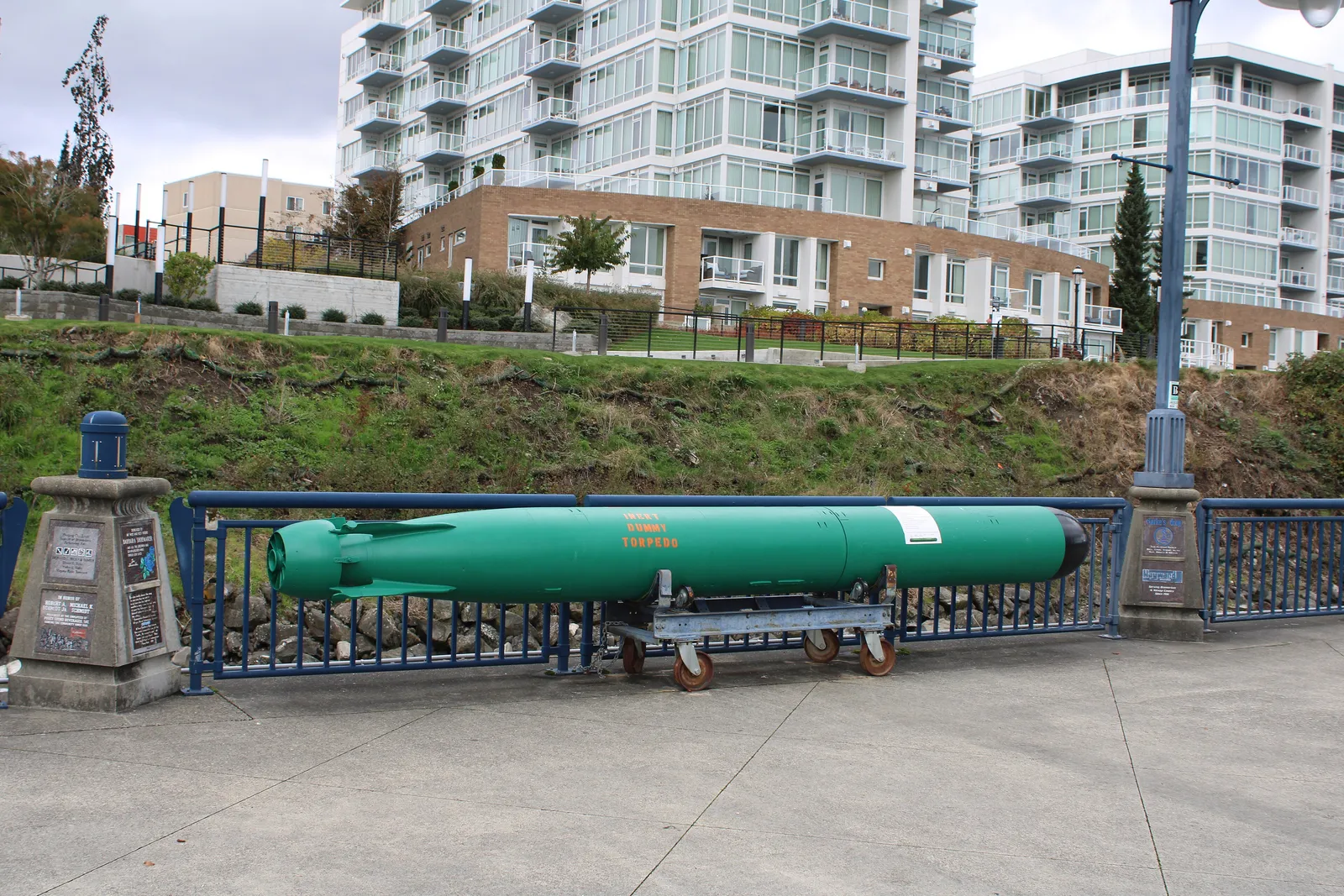
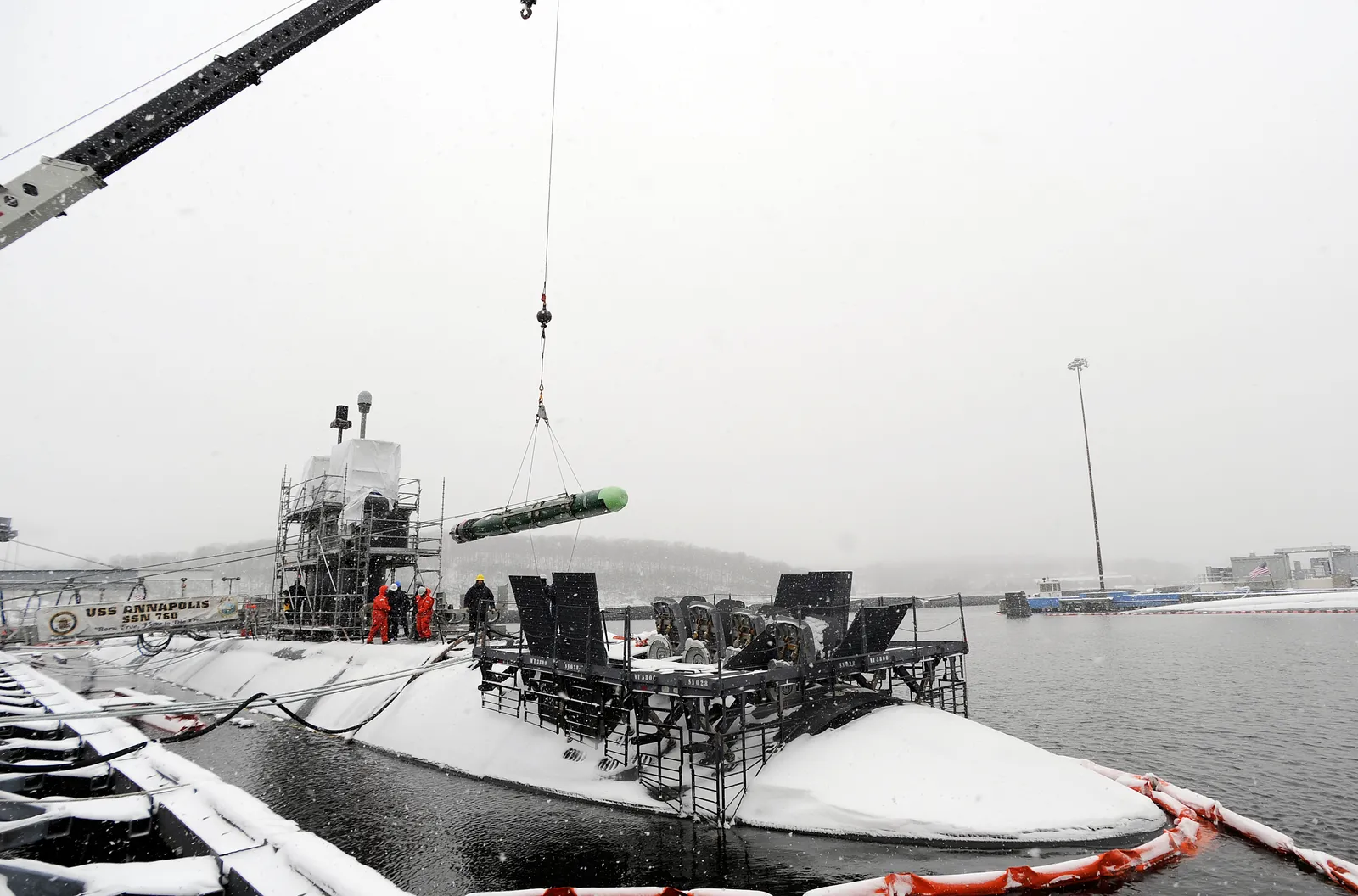
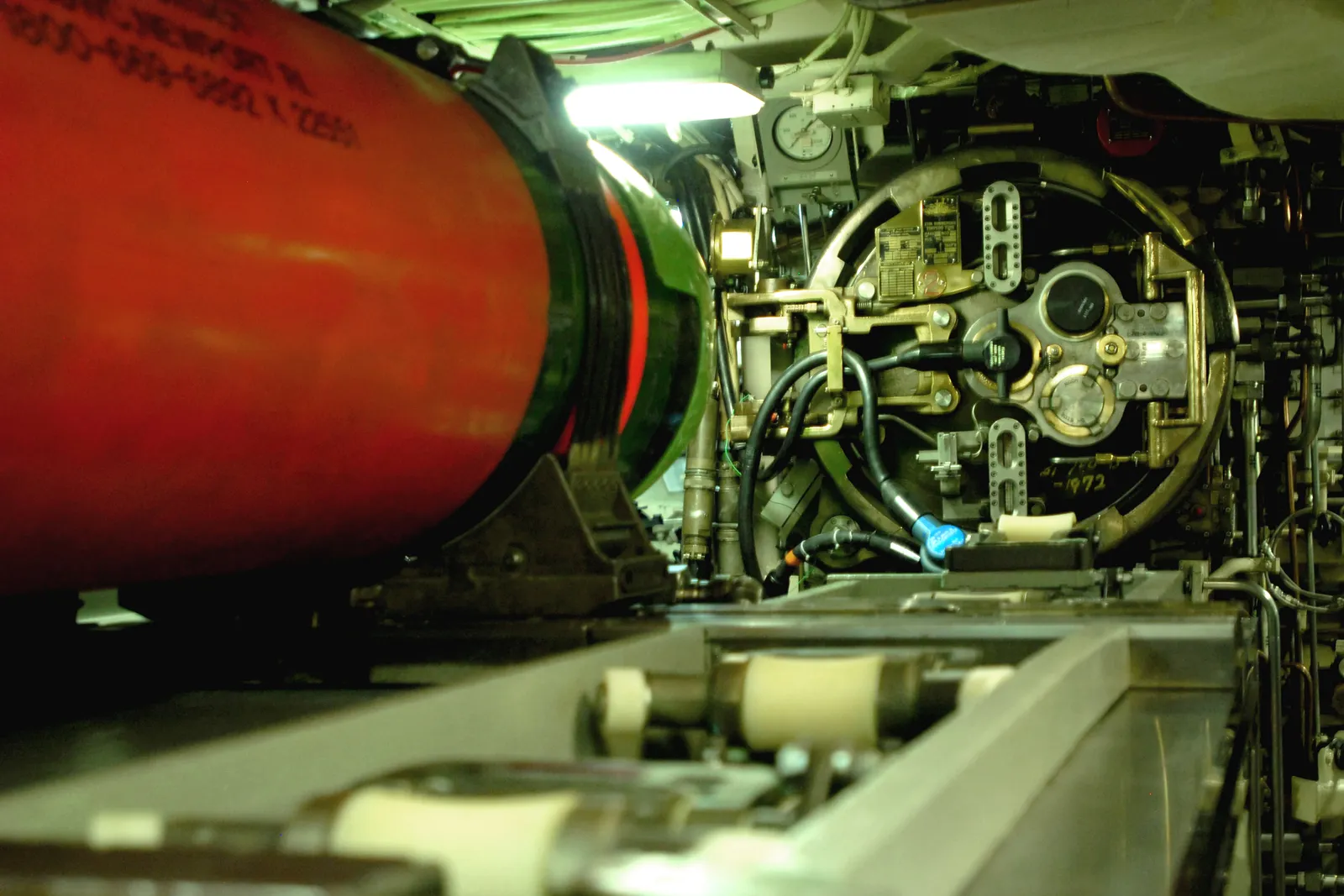
Mark 48 heavyweight torpedo

Also known as
  • Mk 48
  • Mark 48 ADCAP
  • Mk 48 ADCAP
  • CBASS torpedo
  • Common Broadband Advanced Sonar System torpedo

The Mark 48 is a U.S.-origin heavyweight acoustic-homing torpedo for submarine attacks against submarines and surface ships. The Navy describes Mod 7 as the latest version, developed with Australia and kept current through digital guidance and software upgrades.

Role in Conflicts

Role in conflict
Submarine-launched anti-ship strike

In the 2020 United States-Iran Conflict, a U.S. fast attack submarine fired a single Mark 48 torpedo to sink an Iranian warship operating outside the main theater in the Indian Ocean.

Upgrade And Production Context

The Mark 48 family is maintained as an upgradeable submarine weapon rather than a single static torpedo design.

AreaWhat the sources documentSources
Digital upgrade pathThe Navy credits the all-digital guidance-and-control system with allowing repeated software upgrades as threats evolve.MK 48 - Heavyweight Torpedo
Mod 7 testingDOT&E describes Mod 7 APB 5/5+ as a shared development effort with Australia and reports APB 5+ fielding in FY23.DOT&E FY2023 Annual Report: Navy: Mk 48
Industrial supportSAIC says its 2023 contract option covered Mod 7 afterbody/tailcone assemblies and warshot fuel tanks for the U.S. Navy and foreign partners through FMS programs.SAIC Awarded $102M Contract to Support U.S. Navy Torpedo Production
Profile / Specs

Profile

Origin
United States
Type
Submarine-launched heavyweight torpedo
Service note
1972-present
Produced
1970s-present; Mod 6 production delivered through 1996, followed by upgrade kits, Mod 7 production, and in-service support

Specifications

Primary function
Heavyweight torpedo for submarine attack against submarines and surface ships
Diameter
21 in (533 mm)
Weight
3,744 lb
Warhead
650 lb high-explosive
Propulsion
Liquid propellant
Guidance
Acoustic homing with all-digital guidance-and-control
Upgrade path
Mod 7 APB software builds and hardware upgrade path, with APB 5+ fielded in FY23
Variants

The current public designation history centers on the ADCAP family: Mod 6 introduced the late-1990s production baseline, Mod 7 added the CBASS hardware path, and later Advanced Processor Builds update Mod 7 software.

VariantConfigurationDesignation notes
Mk 48 Mod 6ADCAP production baseline

The Navy says the last Mod 6 production torpedo was delivered in 1996 and that Mod 6 reached IOC in 1997 before later upgrade-kit improvements.

Sources: MK 48 - Heavyweight Torpedo

Mk 48 Mod 7CBASS heavyweight torpedo

The Navy identifies Mod 7 as the latest version, developed with the Royal Australian Navy and declared IOC in 2006.

Sources: MK 48 - Heavyweight Torpedo

Mk 48 Mod 7 APB 5/5+Software-updated Mod 7 configuration

DOT&E says APB 5+ completed operational testing in May 2023 and was fielded in FY23, while APB 6 software was in engineering testing for a future Mod 8 path.

Sources: DOT&E FY2023 Annual Report: Navy: Mk 48

Timeline

Mark 48 heavyweight torpedo Key Events

  1. Earliest Mark 48 fielding

    DOT&E describes the earliest version of the Navy's Mk 48 heavyweight torpedo as fielded in 1972.

    Sources: DOT&E FY2023 Annual Report: Navy: Mk 48

  2. Mod 6 reaches IOC

    The Navy says Mod 6 reached initial operational capability in 1997 after the last Mod 6 production torpedo was delivered in 1996.

    Sources: MK 48 - Heavyweight Torpedo

  3. Mod 7 reaches IOC

    The Navy identifies Mod 7 as the latest version and says it reached IOC in 2006 after joint development with the Royal Australian Navy.

    Sources: MK 48 - Heavyweight Torpedo

  4. APB 5+ operational testing ends

    DOT&E reported that the Navy ended APB 5+ operational test in May 2023 and fielded APB 5+ during FY23.

    Sources: DOT&E FY2023 Annual Report: Navy: Mk 48

Export And Procurement Signals

Public sources show the torpedo moving through allied development, foreign military sales support, and approved transfer cases.

Customer or partnerDocumented contextSources
AustraliaThe U.S. Navy describes Mod 7 as the result of a joint development program with the Royal Australian Navy.MK 48 - Heavyweight Torpedo
Foreign Military Sales usersSAIC says Mod 7 production support includes deliveries to foreign partners through implemented FMS programs.SAIC Awarded $102M Contract to Support U.S. Navy Torpedo Production
TaiwanA 2020 Federal Register arms-sales notification covers Taiwan's request for 18 Mk 48 Mod 6 Advanced Technology heavyweight torpedoes and support equipment.Arms Sales Notification: TECRO MK 48 Mod 6 Advanced Technology Heavy Weight Torpedo
Media
Related Weapon Systems
MK 54 lightweight torpedo, Lightweight anti-submarine torpedo, MunitionsMunitionsMK 54 lightweight torpedoLightweight anti-submarine torpedoThe MK 54 lightweight torpedo is a U.S. Navy anti-submarine torpedo carried by surface ships, MH-60R helicopters, P-8A maritime patrol aircraft, and VL-ASROC delivery rockets. Official Navy, RTX, NAVAIR, Boeing, and DOT&E sources describe a hybrid MK 46/MK 50 lineage, Mod 1 sonar and processing upgrades, the P-8A HAAWC air-launch accessory path, and a Mod 2 Advanced Lightweight Torpedo modernization still tracked publicly as a development program rather than a conflict-use record.
114 mm Vickers Mark 8, Single-barrel dual-purpose naval gun, Naval SystemsNaval Systems114 mm Vickers Mark 8Single-barrel dual-purpose naval gunThe 114 mm Vickers Mark 8 is the Royal Navy's post-1970s single-barrel 4.5-inch naval gun, replacing the heavier Mark 6 twin mounting with a 55-calibre automatic system for surface fire, naval gunfire support, and limited air or force-protection roles. It served on Type 21, Type 22, Type 23, Type 42, Type 45, and export warships, with Falklands War use followed by later Mod 1 low-observable gunhouse upgrades and 2011 Libya combat firings by Royal Navy ships.
Upholder/Victoria-class submarine, Diesel-electric patrol submarine, Naval SystemsNaval SystemsUpholder/Victoria-class submarineDiesel-electric patrol submarineThe Upholder/Victoria class is a four-boat Type 2400 diesel-electric submarine line designed in the United Kingdom as the Royal Navy's late-Cold-War successor to the Oberon class. The Vickers Shipbuilding and Engineering design was ordered for HMS Upholder in 1983, followed by three Cammell Laird-built boats, but the Royal Navy withdrew the class in 1994 as it moved to an all-nuclear submarine force. Canada acquired the reserve boats in 1998, renamed them as the Victoria class, and rebuilt them around Canadian fire-control, communications, and Mk 48 heavyweight-torpedo requirements. Current Royal Canadian Navy and National Defence material frames the class as Canada's covert underwater-surveillance and deterrence force while Victoria Class Modernization keeps the boats in service into the mid-to-late 2030s.

Sources