Aircraft & UAVs

Ka-29

Also known as
  • Kamov Ka-29
  • Ka-29TB
  • Kamov Ka-29TB
  • Helix-B
  • Ka-252TB
  • Izdeliye 502

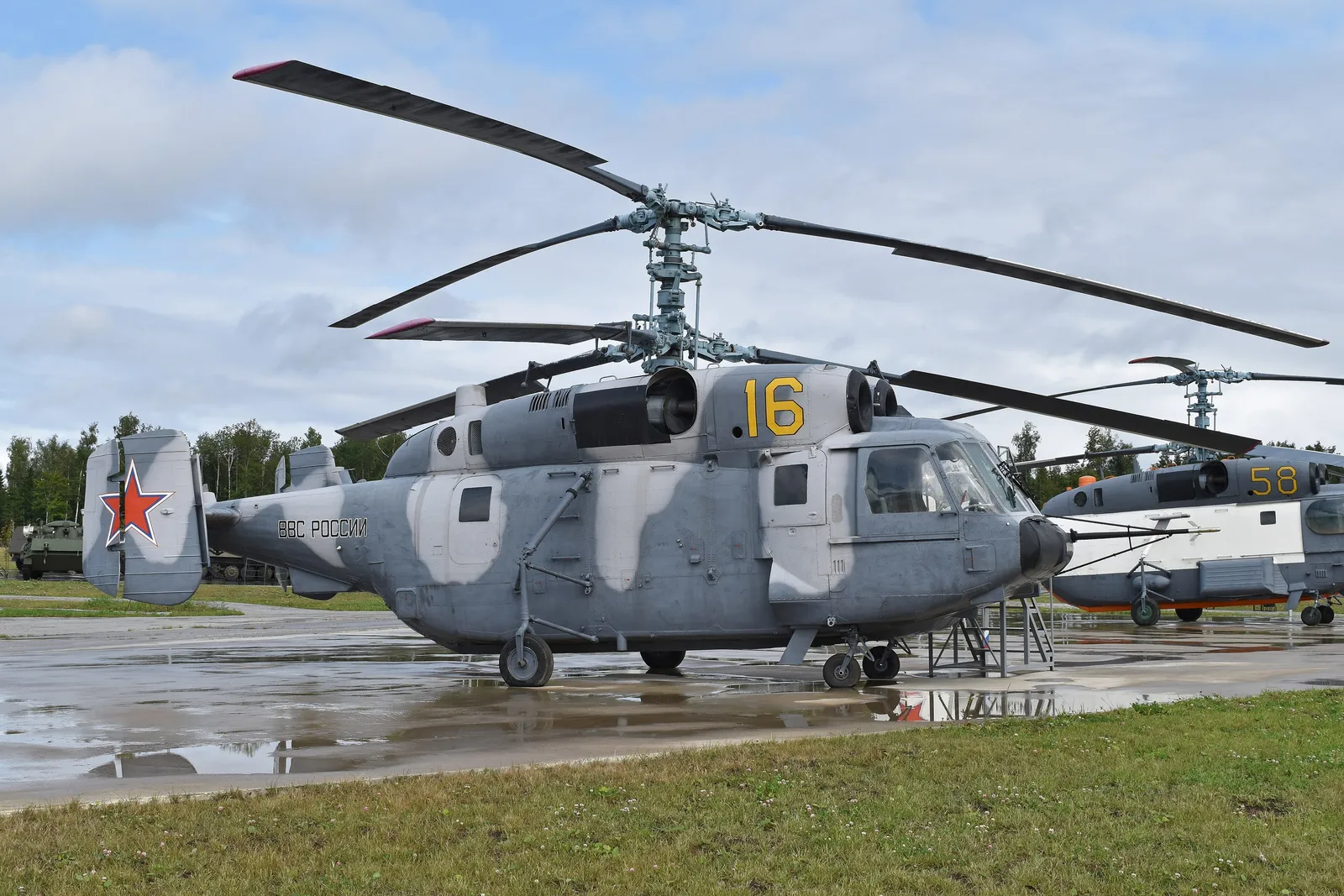
The Ka-29 is a Kamov shipborne assault transport helicopter derived from the Ka-27 naval helicopter family, combining troop carriage with rockets, gun pods, machine guns, and Shturm anti-tank missile provisions. In the 2014 Russia-Ukraine War it appears mainly in the Black Sea naval-air-defense problem set, where Russian Ka-29 crews have been reported hunting Ukrainian uncrewed surface vessels and one aircraft was downed near Anapa during a large Ukrainian drone attack in June 2024.

Role in Conflicts

Side
Russia

Russian naval Ka-29 helicopters have been reported countering Ukrainian uncrewed surface vessels in the Black Sea; in June 2024 a Russian Navy Ka-29 was downed near Anapa during a Ukrainian drone and USV attack while Russian sources described the type as searching for or engaging Ukrainian sea drones.

Role details
Ukraine Black Sea Employment

The Ukraine evidence is strongest around Black Sea force protection rather than classic amphibious assault. Reporting in June 2024 placed a Russian Navy Ka-29 near Anapa during a Ukrainian UAV and uncrewed-surface-vessel attack, while later reporting described Russian interest in Ka-29 units for defending naval assets against Ukrainian drones.

Reported mission

Newsweek and TWZ both described the downed helicopter in the context of searches for or engagement against Ukrainian sea drones.

Sources: TWZ Russian Navy Ka-29 downed; Newsweek Russia downs own Ka-29.

Theater focus

Covert Shores' Black Sea timeline records the June 21, 2024 Ka-29 HELIX-B downing while engaging Ukrainian USVs.

Source: Covert Shores Black Sea timeline.

Fleet-defense shift

Defense Express and Defence24 reported renewed Russian Ka-27/Ka-29 organization and overhaul activity tied to protection against Ukrainian unmanned threats.

Sources: Defense Express Ka-29 regiment report; Defence24 Russia forms new helicopter regiment.

Profile / Specs

Profile

Origin
Soviet Union / Russia
Type
Shipborne assault transport helicopter
Service note
Entered Soviet naval service in the mid-1980s and remains in limited Russian naval aviation use.
Designer
Kamov Design Bureau
Designed
Design work began in 1973; prototype first flew on 1976-07-28
Produced
Production from 1984; no recent production reported
Number built
About 59 Ka-29s reported by Aviastar/Jane's summary; Naval Technology reports 15 in Russian service in its older fleet snapshot

Specifications

Crew
2 pilots in the standard transport/assault cabin layout; WeaponSystems.net lists 3 including a crew chief
Troop capacity
16 armed troops, or medical/cargo arrangements depending on configuration
Engines
Two Klimov TV3-117-family turboshafts
Rotor layout
Coaxial, two three-blade main rotors
Maximum speed
About 250-280 km/h depending on source and configuration
Cruise speed
About 240 km/h
Range
About 460 km with troop/cargo payload; ferry range reported around 740 km
Service or hovering ceiling
About 3,000 m hovering ceiling in Naval Technology data; Aviastar lists 5,000 m service ceiling
Maximum takeoff weight
About 11,500-12,600 kg depending on source
Armament
Flexible 7.62 mm GShG machine gun, up to four external weapon stations for rocket pods, gun pods, bombs, external tanks, and up to eight 9M114 Shturm-V anti-tank missiles
Design And Loadout

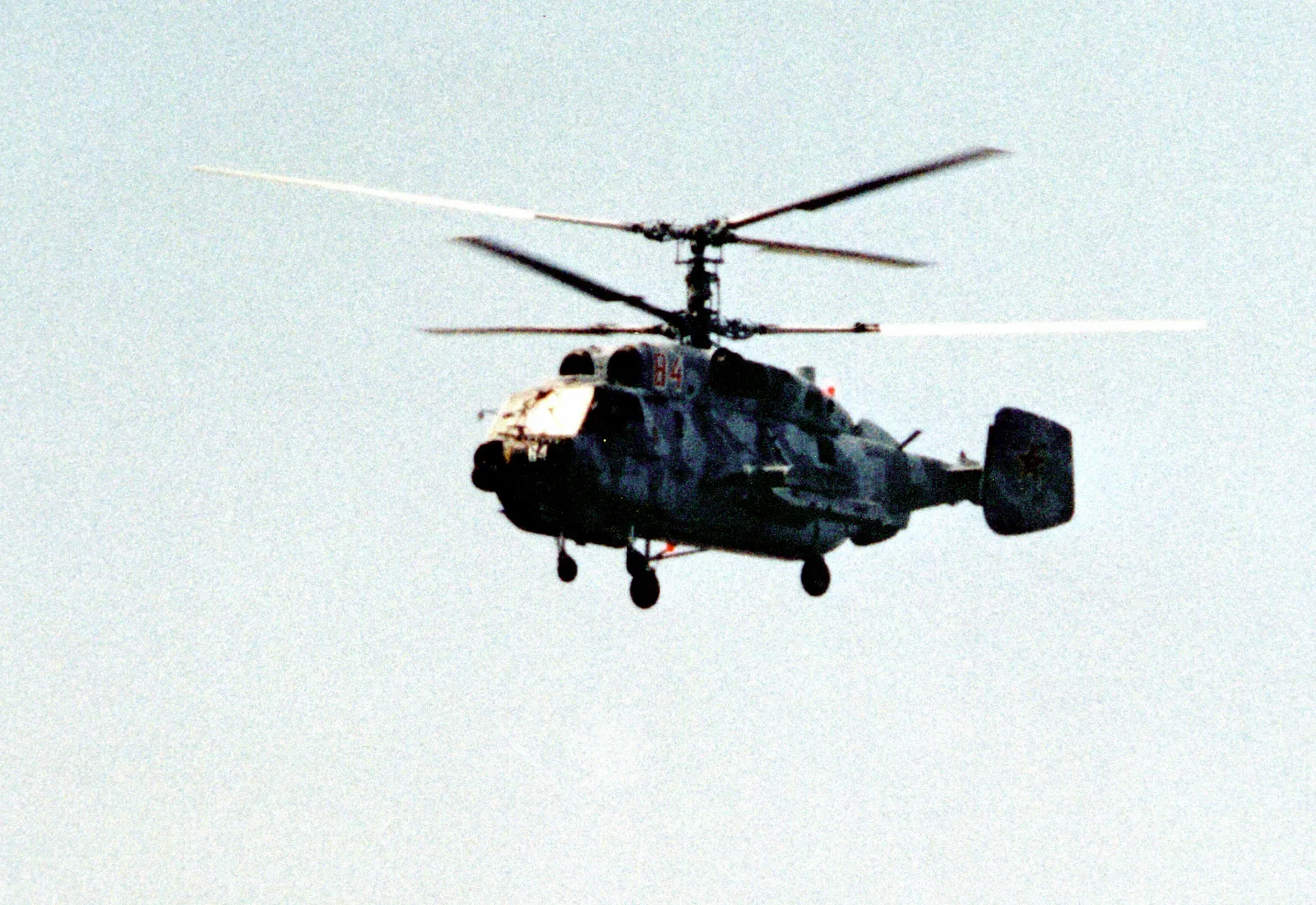
The Ka-29 adapts the Helix naval helicopter airframe into a hybrid transport and fire-support aircraft. Its wider cockpit and troop cabin support landing-party transport, while four external stations and internal gun provisions let it escort or suppress around a landing zone.

Cabin role

Naval Technology and Aviastar describe a 16-troop cabin, with alternative casualty and cargo arrangements.

Sources: Naval Technology Ka-27/28 and Ka-29 Helix; Aviastar Kamov Ka-29.

Fire support

The assault version is documented with rockets, gun pods, bombs, a flexible 7.62 mm machine gun, and Shturm anti-tank missile provisions.

Sources: Aviastar Kamov Ka-29; WeaponSystems Kamov Ka-29TB.

Shipboard baseline

The type was designed for shipborne naval infantry missions, but sources also describe coastal-base operation and later shore-based fleet-defense use.

Sources: Naval Technology Ka-27/28 and Ka-29 Helix; Defense Express Ka-29 regiment report.

Variants

The Ka-29 sits inside the wider Ka-27 Helix family, with assault-transport, prototype, radar-picket, and civil-utility branches separated by mission equipment rather than a completely new airframe.

VariantConfigurationDesignation notes
Ka-252TBPrototype designation

Aviastar's Jane's-derived summary identifies Ka-252TB as the prototype designation for the shipborne assault transport branch that became the Ka-29.

Sources: Aviastar Kamov Ka-29

Ka-29TBArmed assault transport version

WeaponSystems.net lists Ka-29TB as the Helix-B assault transport helicopter with 1987 service entry, 16-troop capacity, four pylons, and Shturm, rocket-pod, gun-pod, and machine-gun armament options.

Sources: WeaponSystems Kamov Ka-29TB

Ka-31Radar-picket derivative in the same Helix family

Aviastar describes the Ka-31 as a Ka-29RLD radar-picket branch with early-warning radar equipment, tested on Admiral Kuznetsov and later produced for India.

Sources: Aviastar Kamov Ka-29

Ka-33Proposed civil utility transport derivative

Aviastar lists Ka-33 as a civil utility transport designation revealed at the 1997 Moscow Air Show, with no known conversions.

Sources: Aviastar Kamov Ka-29

Carried Munitions

Open reference sources describe the Ka-29 as an armed transport helicopter with external pylons for unguided rockets, gun pods, bombs, and anti-tank missiles.

Carried itemItem typeCarriage evidence
S-8 rocket family, 80 mm unguided air-to-surface rocket family, MunitionsS-8 rocket family80 mm unguided rocket family

WeaponSystems.net lists B-8V20A rocket pods among Ka-29TB loadouts, allowing up to 80 S-8 rockets across four pods.

Sources: WeaponSystems Kamov Ka-29TB

9K114 Shturm, Radio-command anti-tank guided missile system, Infantry Weapons9K114 ShturmRadio-command anti-tank missile family

Aviastar and WeaponSystems.net both tie the Ka-29TB armament suite to Shturm/Shturm-V anti-tank guided missiles, with WeaponSystems.net listing up to eight 9M114 missiles on the outer pylons.

Sources: Aviastar Kamov Ka-29, WeaponSystems Kamov Ka-29TB

Timeline

Ka-29 Key Events

  1. Transport-attack design work begins

    Aviastar's Kamov history describes the Ka-29 as a transport/attack derivative of the Ka-27 initiated in response to a Soviet Navy requirement.

    Sources: Aviastar Kamov Ka-29

  2. Prototype first flight

    Aviastar reports the prototype's first flight on July 28, 1976.

    Sources: Aviastar Kamov Ka-29

  3. Production begins

    Aviastar states production at Kumertau began in 1984 after state acceptance trials were completed in May 1979.

    Sources: Aviastar Kamov Ka-29

  4. Service entry recorded

    WeaponSystems.net lists the Ka-29TB as entering service in 1987; Naval Technology separately states the Ka-29 has served with Russian armed forces since 1985.

    Sources: WeaponSystems Kamov Ka-29TB, Naval Technology Ka-27/28 and Ka-29 Helix

  5. Ka-29 downed near Anapa

    TWZ reported that a Russian Navy Ka-29 was downed near Anapa during a Ukrainian drone and uncrewed-surface-vessel attack, with Russian sources differing over whether friendly fire or another mechanism caused the loss.

    Sources: TWZ Russian Navy Ka-29 downed

  6. Northern Fleet regiment report

    Defense Express reported Russian claims of a new Northern Fleet aviation regiment armed with Ka-29 transport-attack helicopters for fleet protection against Ukrainian drones and UAVs.

    Sources: Defense Express Ka-29 regiment report

Media
Related Weapon Systems
Project 1164 Atlant / Slava-class guided-missile cruiser, Guided-missile cruiser, Naval SystemsNaval SystemsProject 1164 Atlant / Slava-class guided-missile cruiserGuided-missile cruiserThe Project 1164 Atlant / Slava-class guided-missile cruiser is a Soviet-designed surface-strike cruiser class built at the 61 Kommunara yard in Mykolaiv. Its large angled anti-ship missile battery, S-300F Fort area air defense, Osa-M point defense, AK-130 gun, and helicopter deck made the class a Russian fleet flagship type, with Moskva documented in the 2008 Russo-Georgian War, Russia's Syria operation, and the 2022 phase of the Russia-Ukraine War before its sinking in the Black Sea.

Sources