- Side
- North Vietnam and Viet Cong

North Vietnamese MiG-21s used Atoll heat-seeking missiles in air combat, with MiG-21 tactics built around missile attacks followed by disengagement.
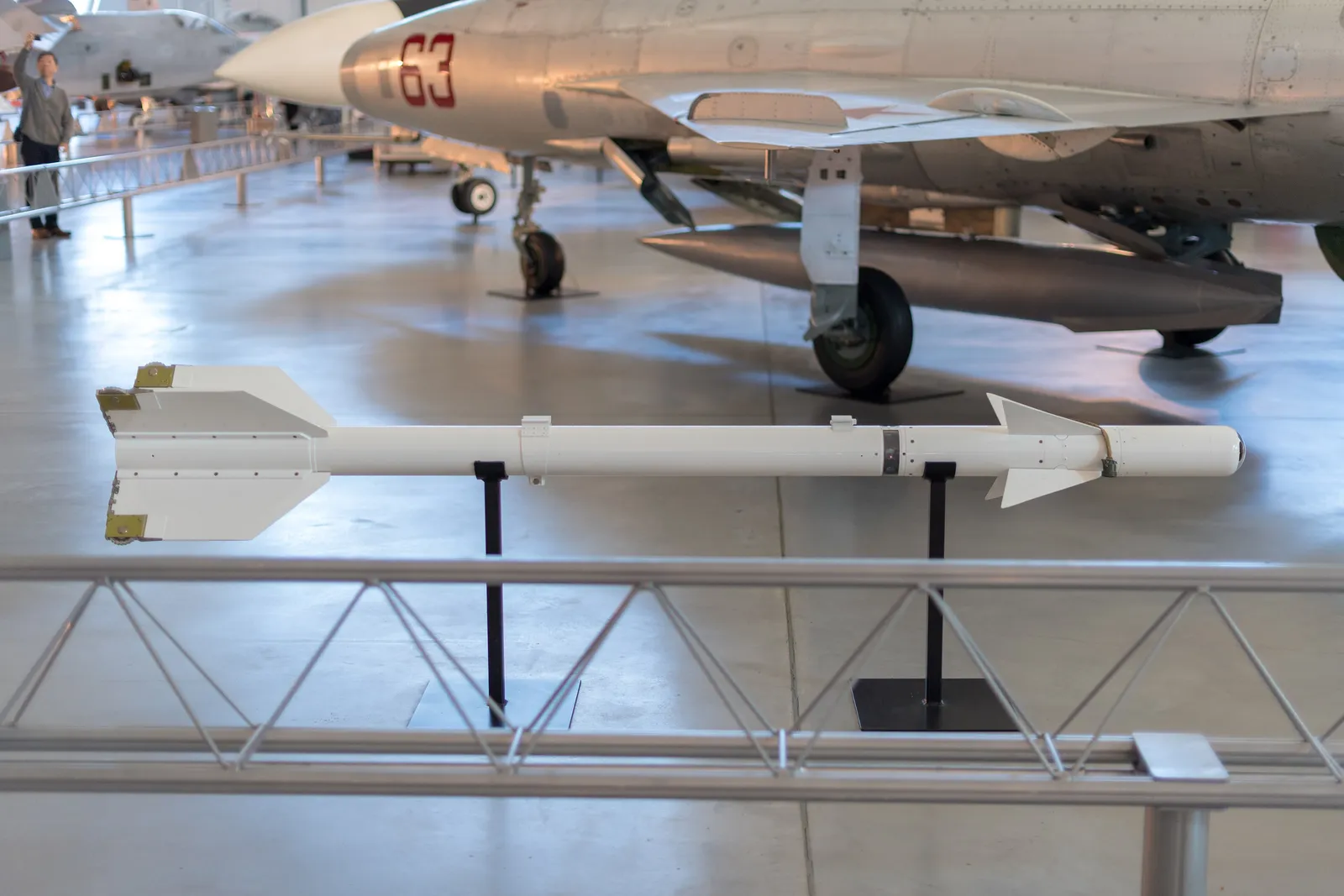
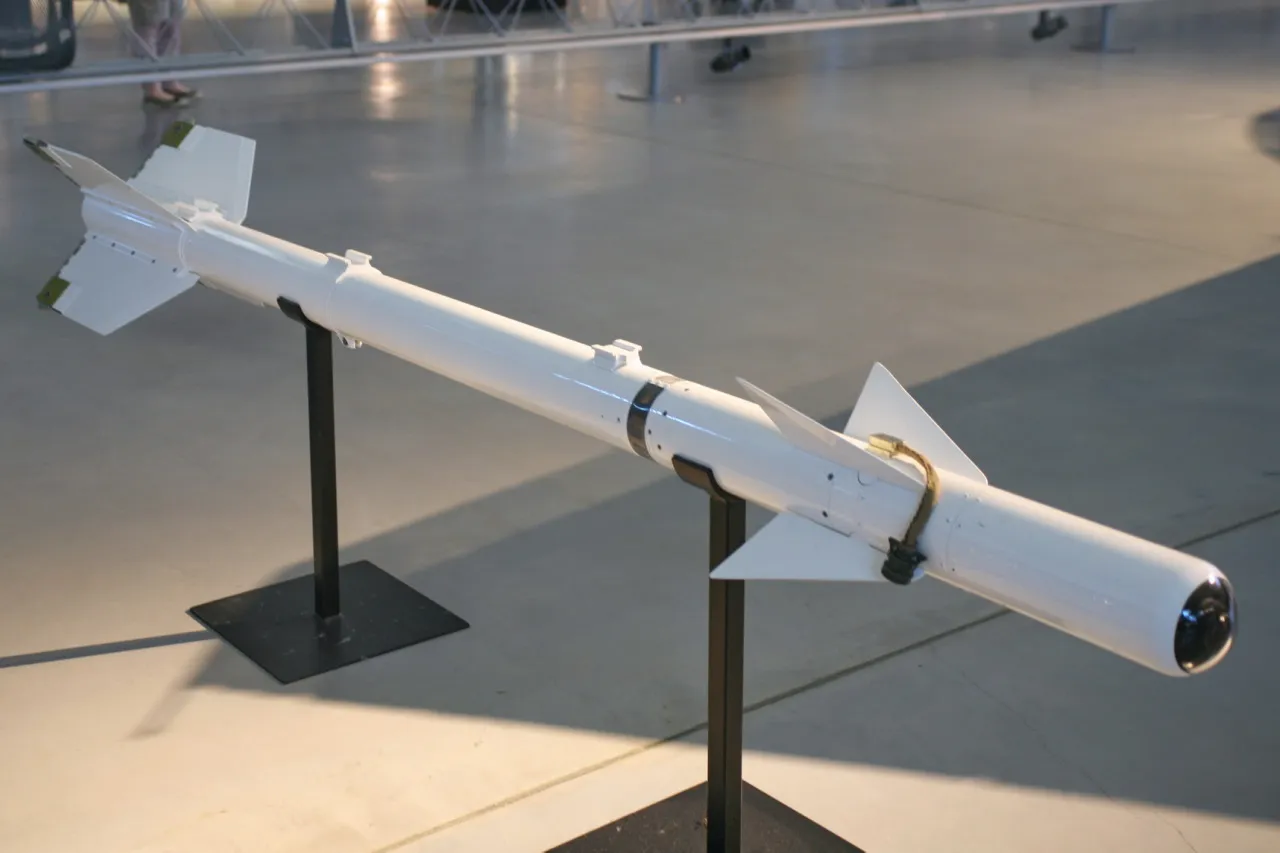
The K-13, known to NATO as the AA-2 Atoll, is a Soviet short-range air-to-air missile family reverse-engineered from the AIM-9 Sidewinder and mass-produced for MiG-21-era fighters. Its R-3S infrared version became a widely exported rear-aspect missile, while radar-homing and improved cooled-seeker variants extended the family into later Cold War service.
North Vietnamese MiG-21s used Atoll heat-seeking missiles in air combat, with MiG-21 tactics built around missile attacks followed by disengagement.
An Indian MiG-21 launched a K-13 at a Pakistani F-104A near Jamnagar during a December 1971 interception; the missile missed after the Starfighter used flares.
CSIS described the AA-2 Atoll as the primary air-to-air missile still used by Iraqi Soviet-made aircraft during the Iran-Iraq War, including MiG-21 and other Soviet-origin fighters.
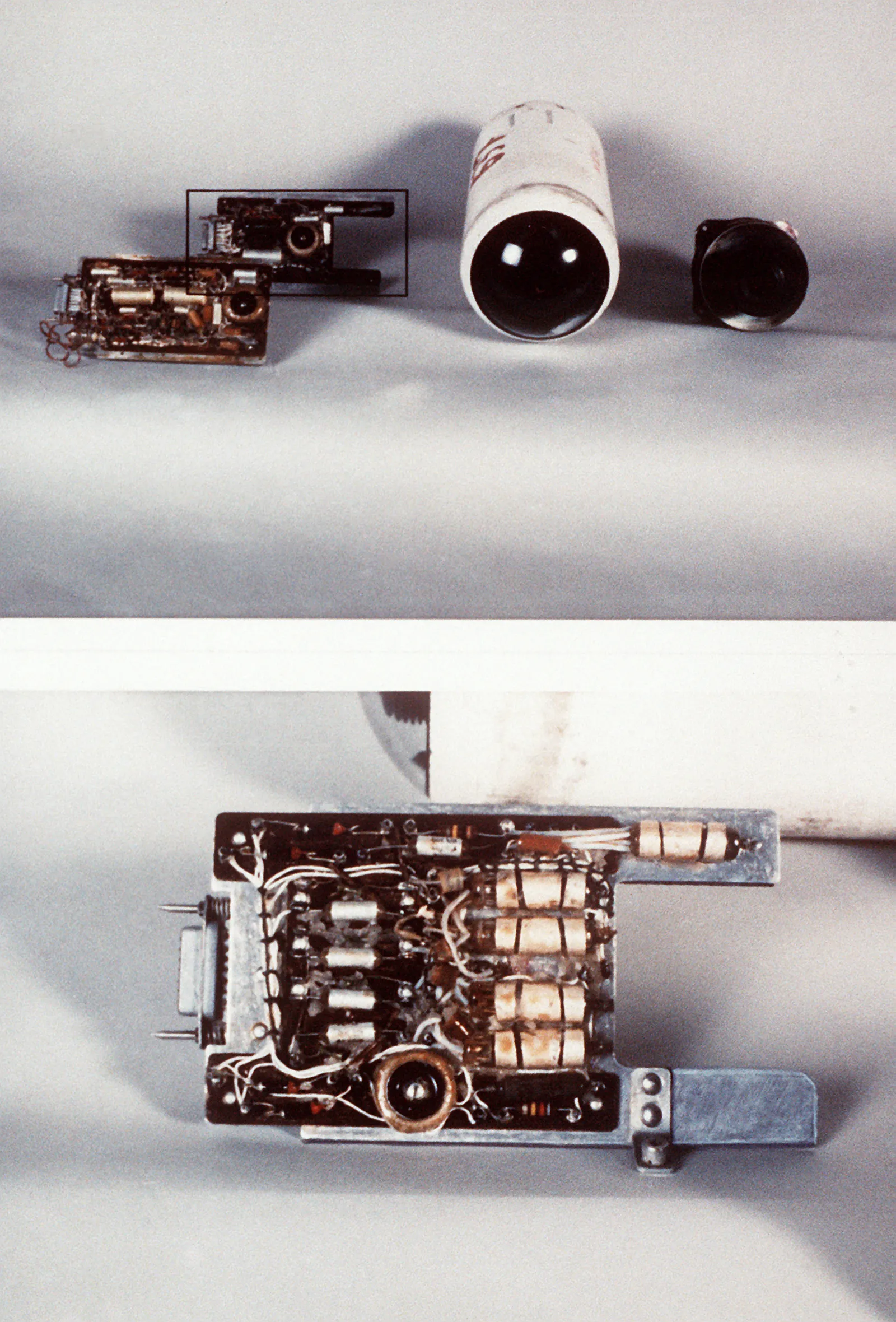
The K-13 was not an independent Soviet clean-sheet missile. Smithsonian describes it as a mass-produced Atoll derived from a recovered Sidewinder, while Missilery.info traces the production missile into MiG-21F-13 and MiG-21PF service.
R-3S used passive infrared homing; R-3R added semi-active radar homing for high-altitude interception.
Missilery.info describes rear-hemisphere attack limits, weather sensitivity, and maneuver limits that narrowed practical launch conditions.
The family was widely exported, including to Vietnam, Egypt, India, Iraq, Syria, Libya, and other Soviet-aligned or Soviet-equipped air forces.
K-13 family designations mix Soviet service names, object numbers, and NATO AA-2 Atoll suffixes. The R-3S/K-13A was the main infrared production missile, while R-3R/K-13R used semi-active radar homing and K-13M/R-13M introduced later seeker and fuze improvements.
| Variant | Configuration | Designation notes |
|---|---|---|
| R-3 / Object 300 | Initial K-13 missile | Early K-13 work repeated the Sidewinder layout before the improved K-13A/R-3S became the main production model. |
| R-3S / K-13A | Infrared homing production variant | Missilery.info identifies R-3S as the K-13A missile defined with the MiG-21PF decision in March 1962. |
| R-3R / K-13R | Semi-active radar homing variant | The R-3R/Object 320 variant added semi-active radar homing for high-altitude interception and entered service with later MiG-21 fighters. |
| K-13M / R-13M | Improved infrared variant | Vympel's late-1960s K-13M work added a cooled homing head, radio detonator, and more powerful warhead before successful tests in 1973. |
| K-13M1 / R-13M1 | Modified improved variant | Missilery.info describes K-13M1 as a further modified-control development from the K-13M program. |
The K-13 family was closely tied to MiG-21 service and later appeared on other export and training/light-attack aircraft.
| Carrier | Carrier type | Carriage evidence |
|---|---|---|
 | Supersonic fighter | Missilery.info identifies the MiG-21F-13 as the first serial carrier of the R-3S/K-13 missile family. |
 | Jet trainer and light attack aircraft | American Airpower Museum says the L-39ZA was wired to carry K-13 (AA-2 Atoll) missiles on the outer weapons pylons. |
Conflict-use sources tie K-13/AA-2 employment to Soviet-origin fighter fleets rather than to a standalone ground-launched system.
| Carrier | Carrier type | Carriage evidence |
|---|---|---|
| Vietnam and export fighter platform | Air & Space Forces Magazine describes North Vietnamese MiG-21s relying mainly on Atoll heat-seeking missiles, while Bharat Rakshak documents a K-13 launch from an Indian MiG-21 in 1971. Sources: Air & Space Forces Magazine Against the MiGs, Bharat Rakshak Supersonic Air Combat |
A Sidewinder fired by a Taiwanese F-86 lodged in a People's Republic of China aircraft without detonating, giving Soviet designers the missile pattern copied into the K-13/Atoll family.
Sources: Missile, Air-to-Air, AA-2 Atoll (Russian: Vympel K-13)
Soviet testing recommended fielding the K-13A with the MiG-21, and the MiG-21F-13 became the first serial carrier for the R-3S/K-13 family.
Sources: R-3S aircraft missile (K-13, item 310 and 310A)
The MiG-21PF adoption decision defined the main K-13A missile as the R-3S, the principal infrared-homing Atoll production version.
Sources: R-3S aircraft missile (K-13, item 310 and 310A)
Missilery.info describes 1966 as the first year of R-3S use in Vietnam, where missile attacks accounted for a reported share of American aircraft shot down by fighters.
Sources: R-3S aircraft missile (K-13, item 310 and 310A)
The improved K-13M, with a cooled seeker, radio detonator, and stronger combat unit, successfully passed tests in 1973.
Sources: R-3S aircraft missile (K-13, item 310 and 310A)