Naval Systems

Iranian mine-laying vessel

Also known as
  • Iranian minelayer
  • Iranian mine-laying ship

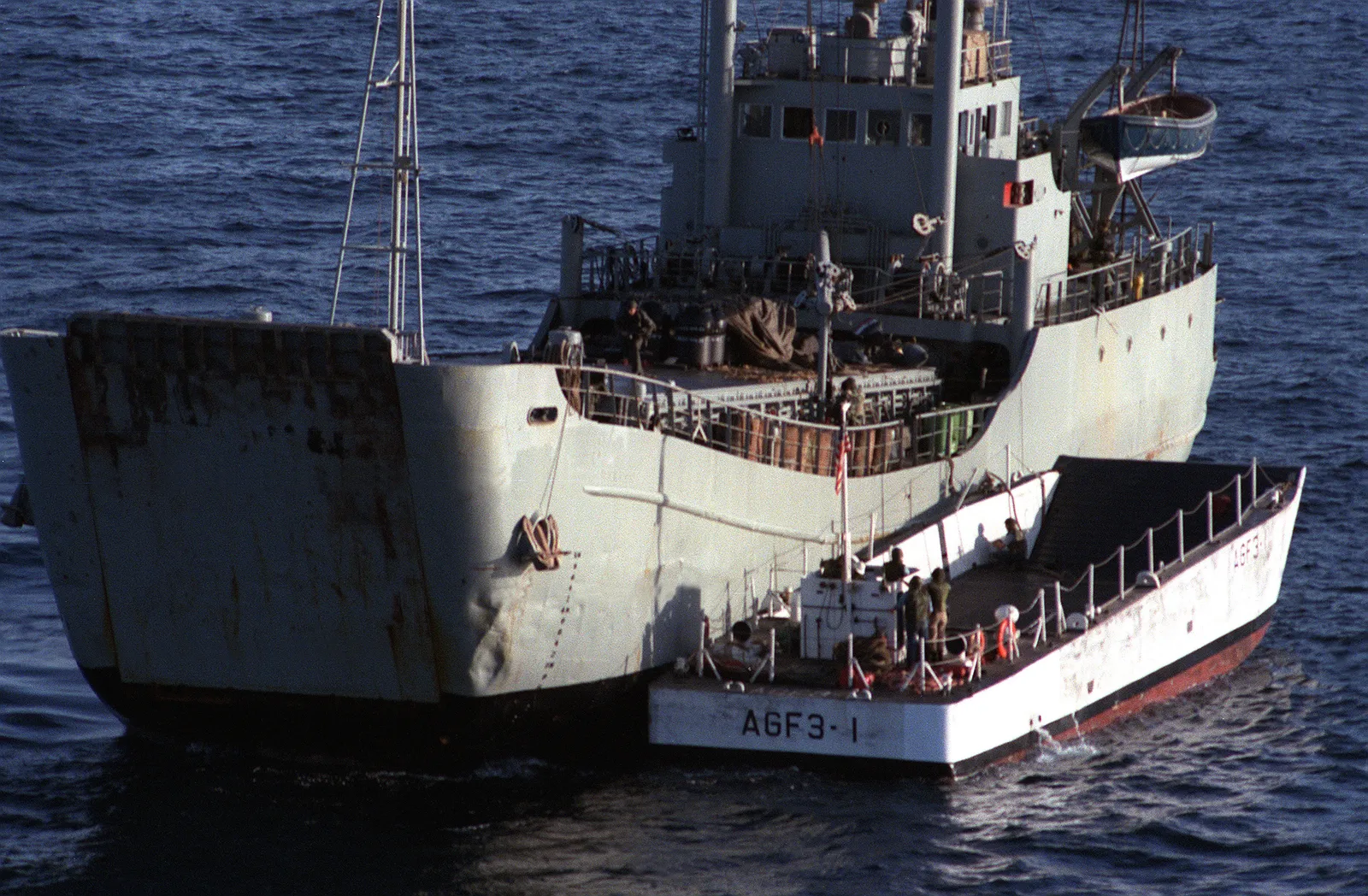
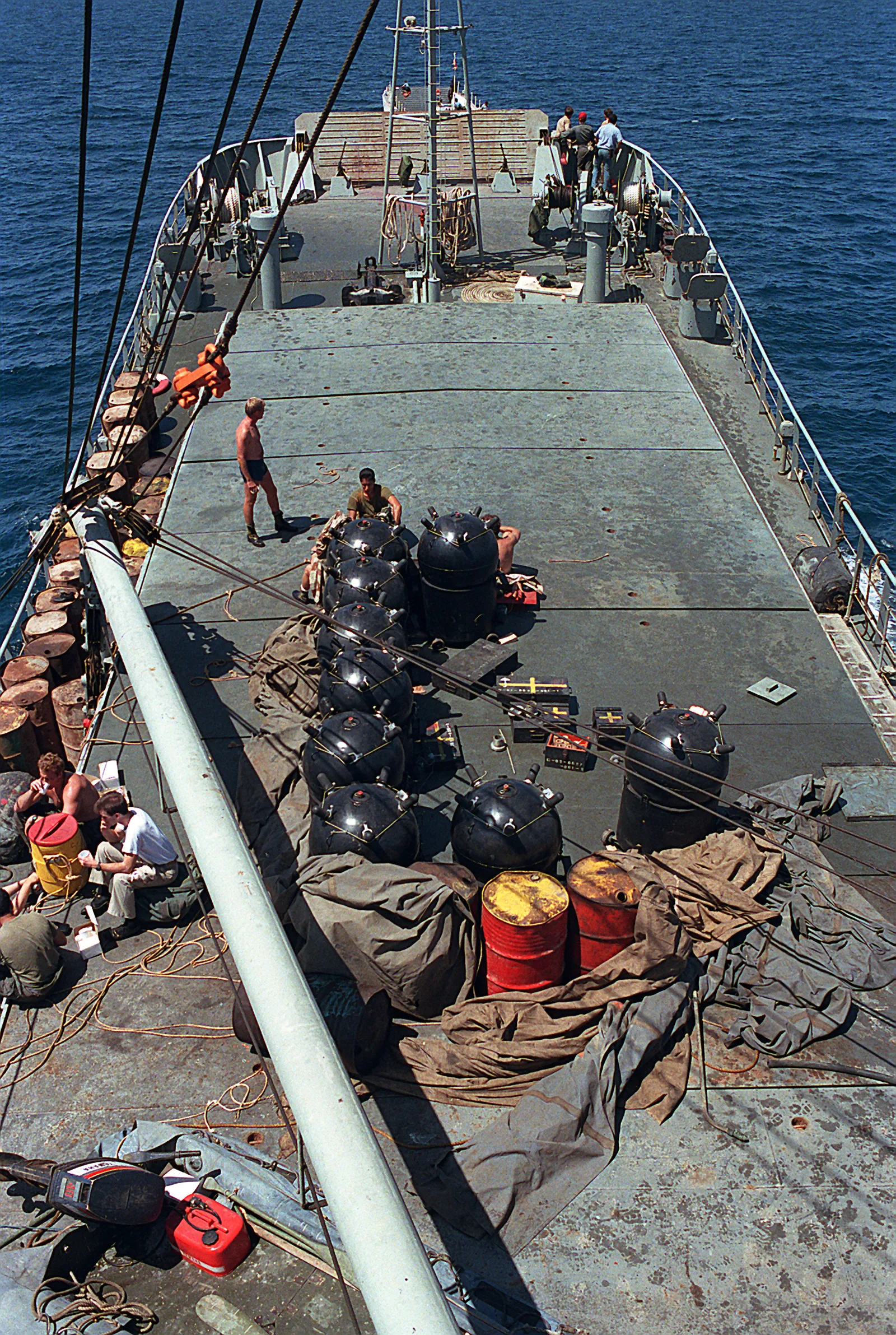
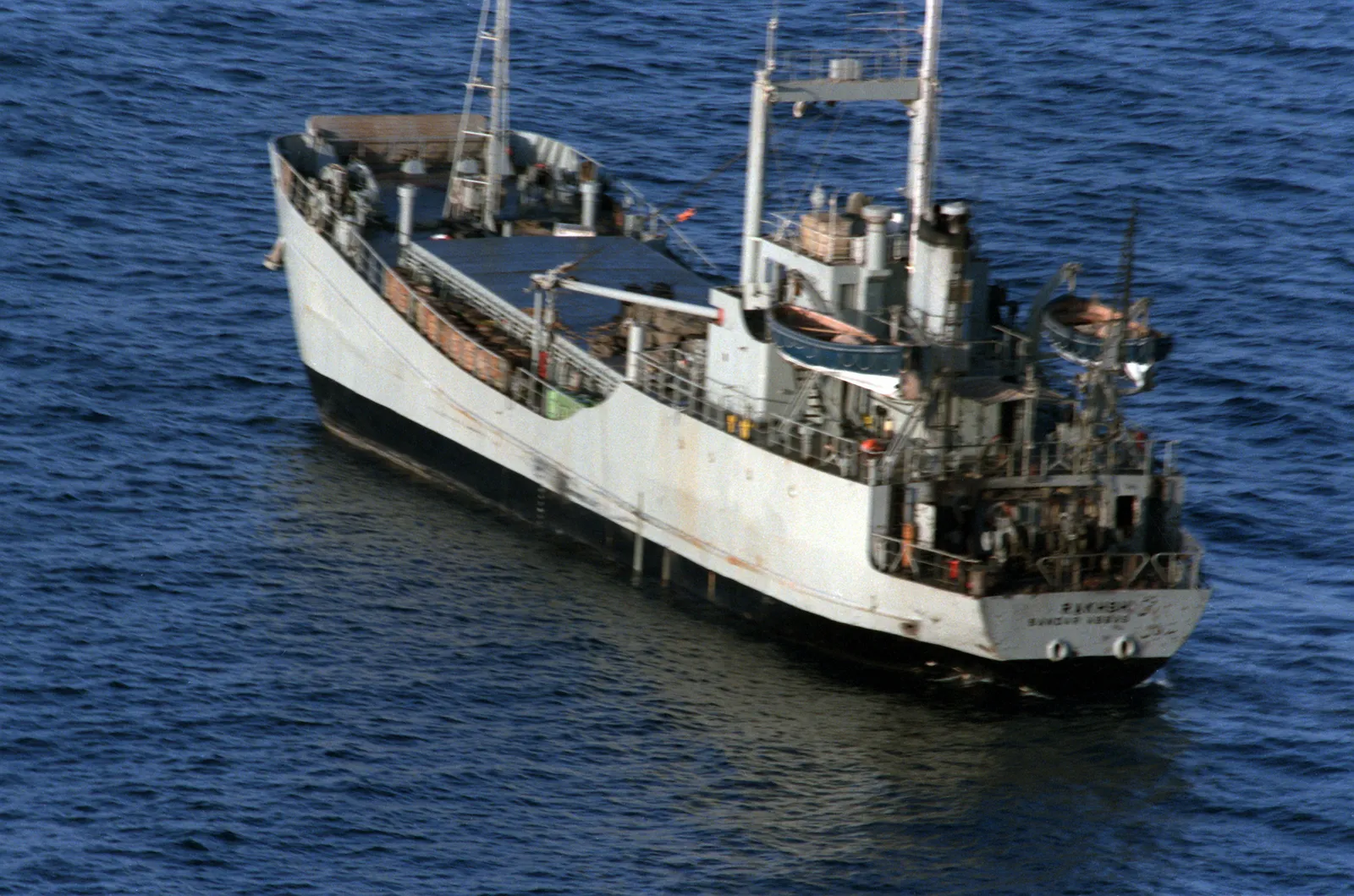
Iranian mine-laying vessels are auxiliaries or converted landing ships used to seed naval mines in the Strait of Hormuz and nearby waters. The best-documented example, Iran Ajr, was a Japanese-built landing ship formerly called Arya Rakhsh that U.S. helicopters and SEALs intercepted while it was laying mines in September 1987, and in March 2026 U.S. officials said CENTCOM was still hunting and striking mine-laying vessels and mine-storage facilities during Operation Epic Fury.

Role in Conflicts

Side
Iran
Role in conflict
Coastal mine warfare platform

2020 United States-Iran Conflict: Iranian mine-laying vessels were used by Iran as a coastal mine-warfare capability that CENTCOM said it was hunting and striking during Operation Epic Fury.

Profile / Specs

Profile

Origin
Iran
Type
Mine-laying vessel
Service note
Documented from the 1980 Iran-Iraq War, with U.S.-Iran conflict relevance renewed in 2026
Designer
Unknown
Designed
Unknown; in service by the 1980s
Unit cost
Unknown
Produced
Unknown
Number built
Unknown

Specifications

Crew
Small naval crew, varying by hull
Displacement
About 1,662 tons in the documented Iran Ajr example
Mine load
18 Sadaf 02 moored contact mines in the documented Iran Ajr example
Role
Coastal mine warfare and sea denial
Mobility
Surface ship propulsion for littoral operations
Hull
Converted merchant or auxiliary hull
Variants
  • Converted merchant minelayer
  • Auxiliary minelayer
Carried Mines

Mine-laying vessels are designed to move naval mines into a release area; Iran Ajr is the best-documented Iranian example.

Carried itemItem typeCarriage evidence
Iranian naval mines, Naval mine family, MunitionsIranian naval minesNaval mine family

Peniston describes Iran Ajr as a Japanese-built landing ship used to lay naval mines, and U.S. reporting says mines were still on board when the ship was boarded.

Sources: Capturing the Iran Ajr, The Tanker War

Documented Hull Example

The Iran Ajr case shows why this page is about converted hulls as much as about mines: a civilian-looking landing ship became a minelayer, and the same tactic is still part of current U.S.-Iran strike reporting.

ExampleDocumented detailWhy it matters
Iranian naval mines, Naval mine family, MunitionsIranian naval minesPeniston says Iran Ajr was used to lay naval mines, and U.S. reporting says mines were still on board when it was boarded.The payload, not just the hull, defined the ship's operational effect.
Iran Ajr / Arya RakhshPeniston describes the vessel as a Japanese-built amphibious landing ship; USNI describes it as part of a five-ship class of Japanese-built commercial landing craft.Converted civilian or auxiliary hulls could be repurposed into covert minelayers.
March 10, 2026The Pentagon said CENTCOM continued to hunt and strike mine-laying vessels and mine-storage facilities during Operation Epic Fury.The same mine-warfare problem remains operationally relevant.
Timeline

Iranian mine-laying vessel Key Events

  1. Operation Prime Chance captures Iran Ajr

    U.S. Army helicopters operating off USS Jarrett caught Iran Ajr laying mines, then SEALs boarded and seized the vessel while mines were still on deck.

    Sources: Capturing the Iran Ajr, The Tanker War

  2. CENTCOM says it is still hunting mine-laying vessels

    At a Pentagon briefing on Operation Epic Fury, Gen. Dan Caine said CENTCOM continued to hunt and strike mine-laying vessels and mine-storage facilities.

    Sources: Hegseth Says U.S. Attacks Intensify Under Epic Fury, While Iranian Responses Slow

Media
Related Weapon Systems
Iranian submarines, Diesel-electric submarine force, Naval SystemsNaval SystemsIranian submarinesDiesel-electric submarine forceIranian submarines are the Islamic Republic of Iran Navy's mixed diesel-electric submarine force, combining Russian-built Tareq/Kilo boats with domestically built Fateh, Ghadir, and smaller midget-submarine classes. Centered on Bandar Abbas and the Strait of Hormuz, the fleet supports coastal sea denial, mine warfare, and anti-ship strike; during Operation Epic Fury, CENTCOM listed Iranian Navy ships and submarines among vessels damaged or destroyed.
Iranian small attack boats, Small attack boat / fast attack craft, Naval SystemsNaval SystemsIranian small attack boatsSmall attack boat / fast attack craftIranian small attack boats are a mixed Islamic Revolutionary Guard Corps Navy fast attack craft and fast inshore attack craft force used for swarm harassment, mine laying, anti-ship missile attack, and littoral sea denial around the Persian Gulf and Strait of Hormuz. The family covers domestically produced speedboats and named classes such as Ashura/Ashoora, Tareq, Zolfaghar/Peykaap, Thondor/Houdong, Boghammar-derived craft, and Bladerunner-derived craft rather than a single standardized design.
Iranian naval surface vessels, Naval surface vessels, Naval SystemsNaval SystemsIranian naval surface vesselsNaval surface vesselsIranian naval surface vessels in this catalog cover two overlapping fleets: the regular Islamic Republic of Iran Navy's larger frigates, corvettes, and missile boats, and the IRGC Navy's missile boats, patrol craft, fast-attack craft, small boats, and newer missile catamarans. The fleet is usually described as a Strait of Hormuz and Gulf littoral force, combining anti-ship missiles, swarm tactics, boarding pressure, mine-capable boats, and limited larger-combatant presence rather than a peer blue-water surface fleet.
Iranian coastal surveillance radar sites, HF over-the-horizon 3D phased-array early-warning and coastal surveillance radar, Air DefenseAir DefenseIranian coastal surveillance radar sitesHF over-the-horizon 3D phased-array early-warning and coastal surveillance radarIranian coastal surveillance radar sites cover fixed early-warning and maritime-monitoring radars used around the Persian Gulf, Strait of Hormuz, and wider Iranian air-defense network. Public sources identify Ghadir/Qadir as a reported HF over-the-horizon 3D phased-array radar family, while CENTCOM's 2026 strike releases identify coastal radar sites at Goruk, Qeshm Island, and later Iranian coastal locations without publicly naming every radar model.

Sources