Naval Systems

Delta III-class submarine

Also known as
  • Project 667BDR
  • Project 667BDR Kalmar
  • Kalmar-class
  • NATO Delta III
  • Delta-III

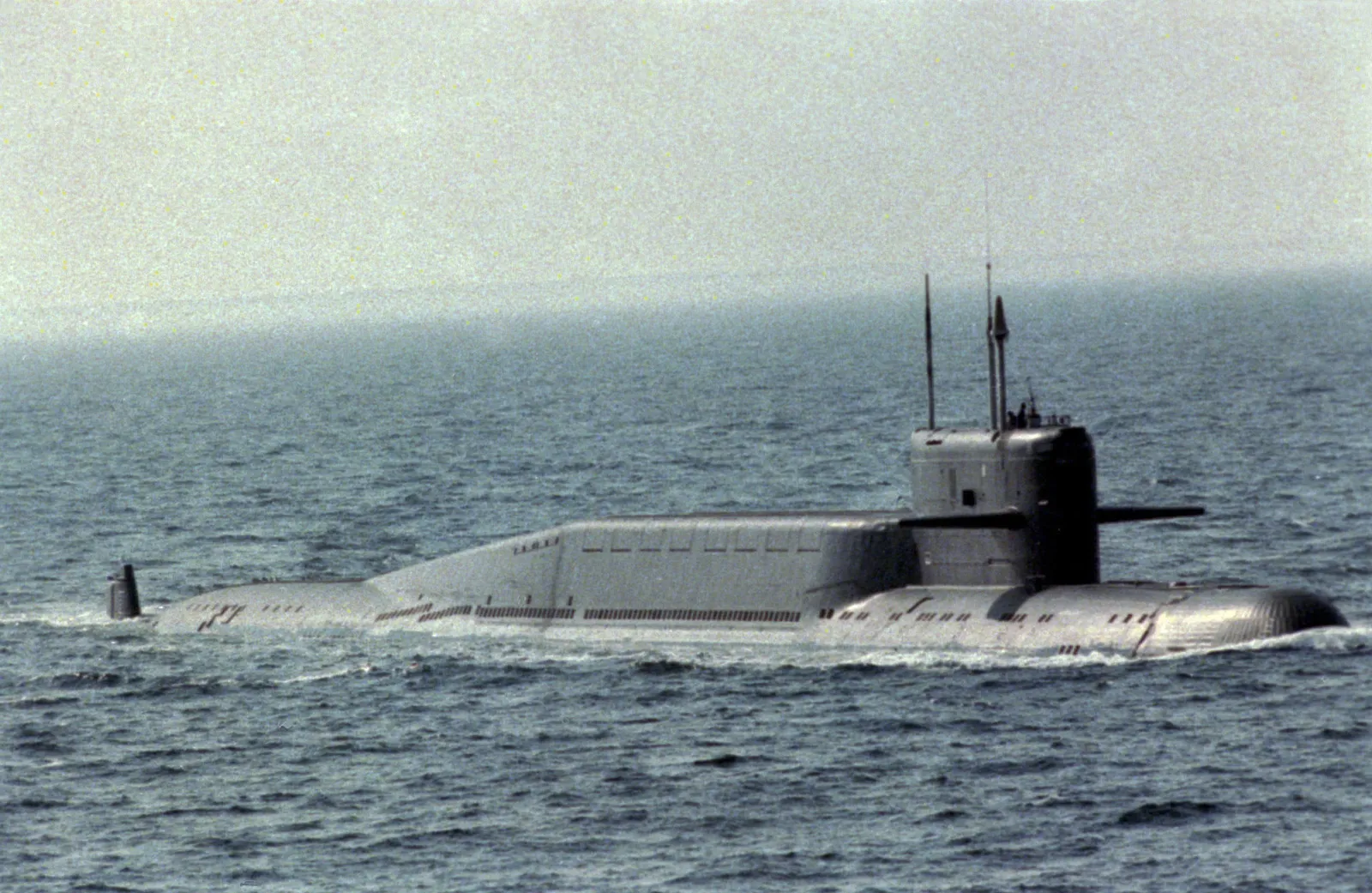
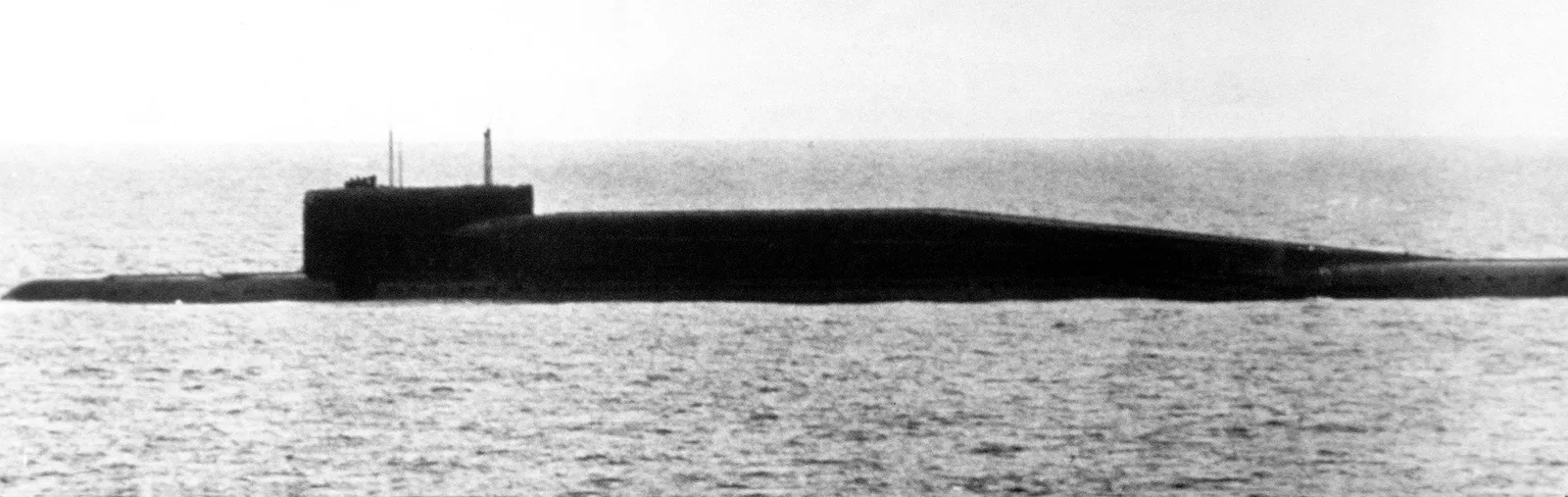
The Delta III-class submarine is the NATO reporting name for the Soviet Project 667BDR Kalmar, a Sevmash-built nuclear-powered ballistic missile submarine designed around the D-9R launch system and 16 R-29R / SS-N-18 submarine-launched ballistic missiles. The class introduced a MIRV-capable Soviet SSBN design, remained visible in Russian Pacific Fleet strategic exercises into the 2010s, and ended regular SSBN service when K-44 Ryazan was withdrawn after the other Project 667BDR boats had already left service.

Role in Conflicts

Side
Unconfirmed conflict context

Russian Strategic Nuclear Forces reported that K-44 Ryazan, a Project 667BDR / Delta III submarine, took part in a 2019 strategic forces exercise and launched its missile from the Sea of Okhotsk to the Chizha test site, but the open-source record does not tie the class to a specific named conflict.

Profile / Specs

Profile

Origin
Soviet Union
Built by
Sevmash
Type
Ballistic missile submarine
Service note
1976-2023
Designer
Rubin Central Design Bureau for Marine Engineering
Designed
1972
Produced
1975-1981
Number built
14

Specifications

Length
155 m
Beam
11.7 m
Draft
8.7 m
Displacement
8,940 tons surfaced; 10,600 tons submerged
Speed
13-14 knots surfaced; 22-24 knots submerged
Operating depth
320 m design; 400 m maximum
Endurance
80 days
Crew
130
Missile system
D-9R launch system with 16 R-29R / SS-N-18 submarine-launched ballistic missiles
Torpedo armament
4 x 533 mm torpedo tubes; open sources list SET-65, SAET-60M, 53-65K, and 53-65M among carried torpedoes
Combat systems
Almaz-BDR battle-management system, Tobol-M navigation update, Bumblebee hydroacoustic navigation, and Rubikon sonar in FAS reporting
Propulsion
Two pressurized-water reactors and two steam turbines
Missile System And Service Status

The Delta III design centered on the R-29R / SS-N-18 missile and the D-9R launch system rather than conventional naval strike. Public sources describe a 16-missile load, MIRV-capable R-29R variants, and strategic test launches from Pacific Fleet boats long after most of the class had aged out of front-line service.

Missile battery

Sixteen R-29R / SS-N-18 SLBMs in the D-9R launch system.

FAS and CSIS identify Delta III / Kalmar as the R-29R carriage platform.

Salvo feature

FAS describes the class as the first Soviet submarine able to fire any number of missiles in one salvo.

The feature is treated here as design context, not combat use.

Service endpoint

K-44 Ryazan was reported withdrawn after serving as the last regular Delta III SSBN.

Open sources do not tie the class to a specific named armed conflict.
Carried Missiles

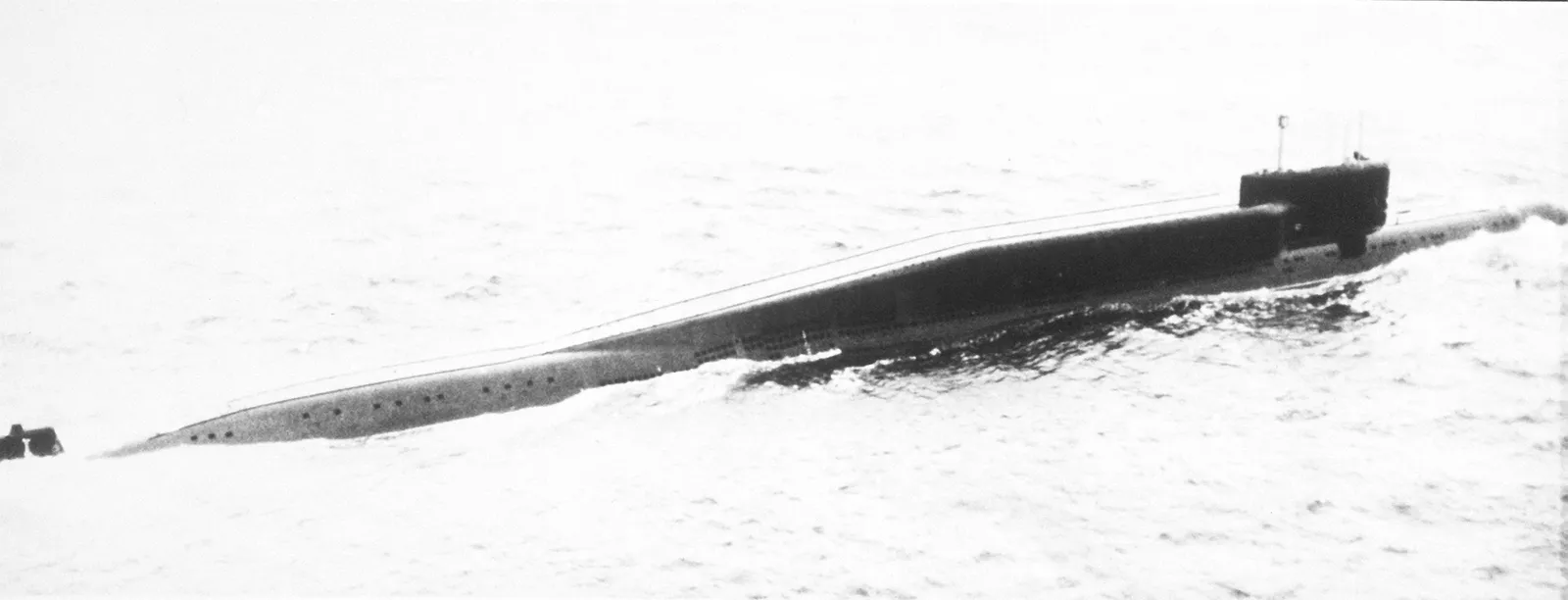
Delta III-class submarines were strategic missile carriers built around the D-9R launch system and R-29R / SS-N-18 missile family.

Carried itemItem typeCarriage evidence
Ballistic missile, Ballistic missile, ArtilleryBallistic missileSubmarine-launched ballistic missile

FAS and CSIS identify Project 667BDR / Delta III as carrying 16 R-29R / SS-N-18 missiles; a dedicated R-29R catalog record is not yet available, so this link points to the broader ballistic-missile class.

Sources: 667BDR DELTA III - Russian and Soviet Nuclear Forces, R-29 Vysota (SS-N-18) | Missile Threat, R-29R/R-2S / SS-N-18 STINGRAY

Torpedo Armament

Delta III-class submarines are documented with the 53-65K and 53-65M among their 533 mm torpedoes.

AmmunitionAmmunition typeFiring evidence
53-65K torpedo, 533 mm wake-homing anti-ship torpedo, Munitions53-65K torpedo533 mm wake-homing torpedo

The class source lists the 53-65K among the torpedoes carried in its four 533 mm tubes.

Sources: Delta III-class submarine - Naval Encyclopedia

53-65M torpedo, 533 mm submarine torpedo, Munitions53-65M torpedo533 mm wake-homing torpedo

The class source lists the 53-65M among the torpedoes carried in its four 533 mm tubes.

Sources: Delta III-class submarine - Naval Encyclopedia

Timeline

Delta III-class submarine Key Events

  1. Development begins

    FAS says development of the 667BDR Delta III began at the Rubin Central Design Bureau for Marine Engineering in 1972.

    Sources: 667BDR DELTA III - Russian and Soviet Nuclear Forces

  2. Enters service

    FAS says the advanced Delta III SSBN entered service in 1976, and by 1982 a total of fourteen submarines had been commissioned.

    Sources: 667BDR DELTA III - Russian and Soviet Nuclear Forces

  3. Podolsk fires R-29R in strategic exercise

    Russian Strategic Nuclear Forces reported that K-223 Podolsk, a Project 667BDR / Delta III boat, launched an R-29R missile from the Sea of Okhotsk to Chizha during a Russian command-and-control exercise.

    Sources: Multiple missile launches during a command and control exercise

  4. Podolsk launches again during command exercise

    Russian Strategic Nuclear Forces reported another strategic command-and-control exercise in which K-223 Podolsk launched an R-29R from the Sea of Okhotsk.

    Sources: Russia tests command and control system in an exercise with multiple missile launches

  5. Fleet shrinks to one operational boat

    Russian Strategic Nuclear Forces and NTI describe Podolsk and Svyatoy Georgiy Pobedonosets leaving service in early 2018, leaving K-44 Ryazan as the only operational Project 667BDR / Delta III SSBN.

    Sources: Two Project 667BDR submarines withdrawn from service, Russia Submarine Capabilities

  6. Ryazan withdrawal ends the SSBN line

    Russian Strategic Nuclear Forces reported that K-44 Ryazan, described as the last Delta III in service, had been withdrawn after its 2019 strategic-exercise missile launch.

    Sources: Ryazan, a Project 667BDR/Delta III submarine withdrawn from service

Media
Related Weapon Systems
Delta IV-class submarine, Nuclear-powered ballistic missile submarine class, Naval SystemsNaval SystemsDelta IV-class submarineNuclear-powered ballistic missile submarine classThe Delta IV-class submarine is the Soviet Project 667BDRM Delfin nuclear-powered ballistic-missile submarine, built by Sevmash for the Northern Fleet and retained by Russia as an aging but still visible sea-based nuclear deterrent. The class carries a D-9RM missile system with 16 R-29RM-family SLBMs, four 533 mm torpedo tubes, and modernized Sineva/Layner-era missiles; public sources distinguish the seven boats built from smaller operational counts as individual hulls cycle through overhaul or replacement by Borei-class SSBNs.
Victor III-class submarine, Nuclear-powered attack submarine, Naval SystemsNaval SystemsVictor III-class submarineNuclear-powered attack submarineThe Victor III-class submarine is the NATO reporting name for the Soviet Project 671RTM/RTMK Shchuka nuclear-powered attack submarine. Built at Admiralty and Komsomolsk shipyards, it carried the Project 671 line into a quieter, missile-capable generation with updated combat electronics, a distinctive towed-array sonar pod, 533 mm and 650 mm bow tubes, and a loadout spanning torpedoes, RK-55 Granat cruise missiles, antisubmarine missiles, and mines. A small number of late boats remained tied to Russian Northern Fleet service decades after the Soviet collapse.
RSM-56 Bulava, Submarine-launched ballistic missile (SLBM), MunitionsMunitionsRSM-56 BulavaSubmarine-launched ballistic missile (SLBM)The RSM-56 Bulava is a Russian submarine-launched ballistic missile designed by the Moscow Institute of Thermal Technology for the Borei/Project 955 SSBN family. CSIS identifies it as an intercontinental-range SLBM with an 8,300 km range estimate, MIRV payload, and operational status; RussianSpaceWeb ties the program to the abandoned R-39 Bark replacement path and Votkinsk serial production. This page stays relationship-only because public sources document strategic service, tests, and launch-platform relationships rather than independent use in a named armed conflict.
Ohio-class ballistic missile submarine, Nuclear-powered ballistic missile submarine, Naval SystemsNaval SystemsOhio-class ballistic missile submarineNuclear-powered ballistic missile submarineThe Ohio-class ballistic missile submarine is the U.S. Navy's current sea-based strategic-deterrent SSBN class and the launch platform for Trident II D5/D5LE missiles. Four early Ohio hulls were converted to SSGNs, leaving 14 SSBNs in strategic service; Navy sources describe each remaining SSBN as carrying up to 20 missiles after New START tube deactivation and operating on alternating Blue and Gold crews for sustained patrol availability.

Sources