Naval Systems

Delta IV-class submarine

Also known as
  • Project 667BDRM
  • Project 667BDRM Delfin
  • 667BDRM Delfin
  • Delfin-class submarine
  • Dolphin-class submarine
  • Delta-IV
  • Delta IV-class submarine

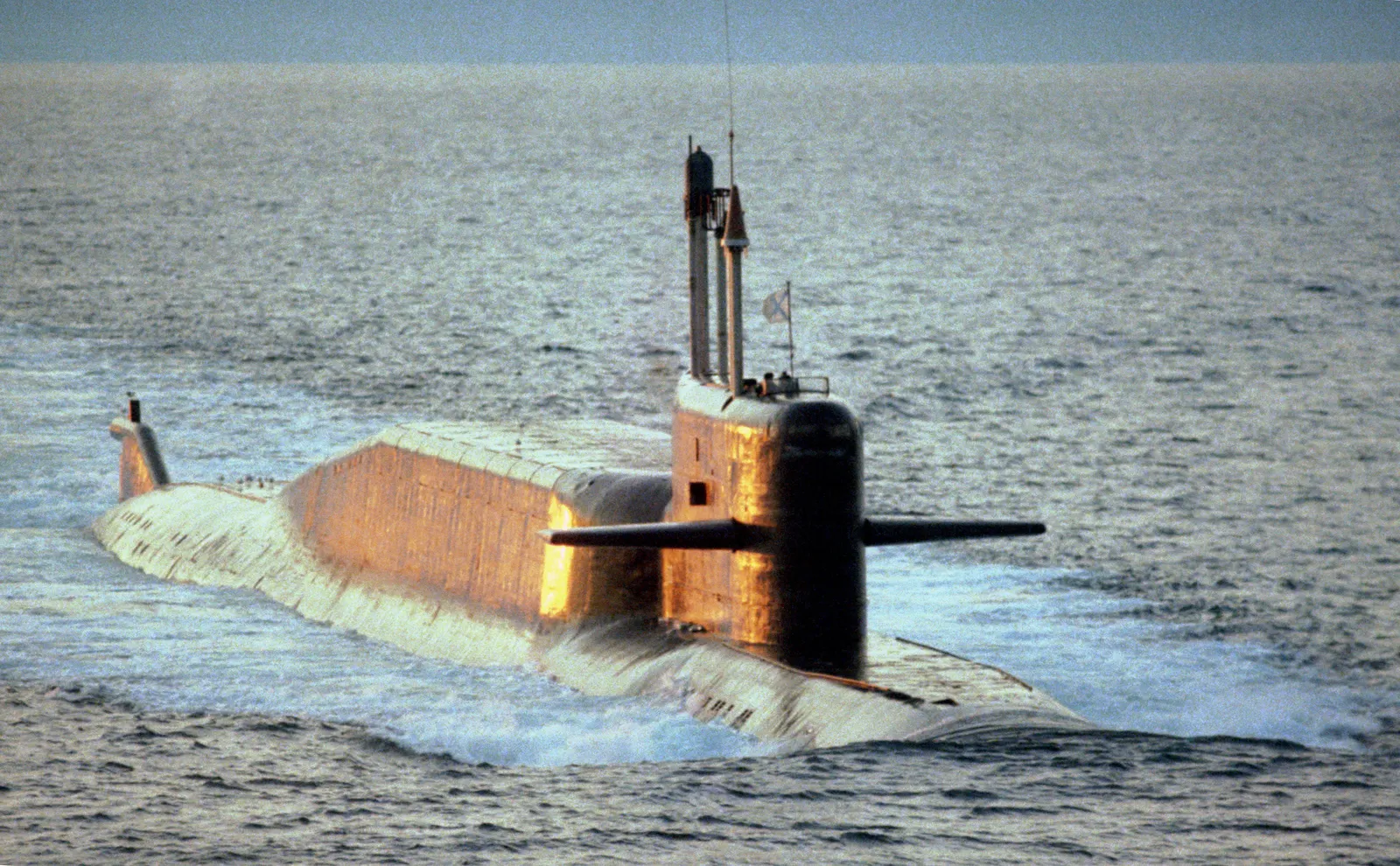
The Delta IV-class submarine is the Soviet Project 667BDRM Delfin nuclear-powered ballistic-missile submarine, built by Sevmash for the Northern Fleet and retained by Russia as an aging but still visible sea-based nuclear deterrent. The class carries a D-9RM missile system with 16 R-29RM-family SLBMs, four 533 mm torpedo tubes, and modernized Sineva/Layner-era missiles; public sources distinguish the seven boats built from smaller operational counts as individual hulls cycle through overhaul or replacement by Borei-class SSBNs.

Role in Conflicts

Side
Russia

Russian Delta IV / Project 667BDRM boats appeared in strategic nuclear signaling around the full-scale invasion: Karelia launched a Sineva missile during the February 2022 Grom exercise shortly before the invasion, and Tula fired a Sineva from the Barents Sea during October 2022 strategic-deterrence drills amid the war. This row documents deterrence and signaling activity, not a conventional battlefield strike in Ukraine.

Role details
Profile / Specs

Profile

Origin
Soviet Union
Built by
Sevmash
Type
Nuclear-powered ballistic missile submarine class
Service note
1985-present
Designer
Rubin Central Design Bureau for Marine Engineering
Designed
1975
Produced
1981-1992
Number built
7

Specifications

Length
167 m
Beam
11.7-12 m
Draft
8.8 m
Displacement
11,740 tons surfaced; 18,200 tons submerged
Speed
13-14 knots surfaced; 22-24 knots submerged
Operating depth
320 m design; 400 m maximum
Endurance
80 days
Missile system
D-9RM launch system with 16 R-29RM-family submarine-launched ballistic missiles
Torpedo armament
4 x 533 mm torpedo tubes for torpedoes and antisubmarine missile-torpedoes
Combat systems
Omnibus-BDRM battle-management system, Shlyuz navigation system, and Skat-VDRM sonar
Propulsion
2 pressurized-water reactors and 2 steam turbines
Crew
130
Missile And Combat Systems

The Delta IV design centers on underwater ballistic-missile launch from a strategic patrol submarine rather than tactical naval strike. FAS describes the class with the D-9RM launch system, 16 R-29RM missiles, and an ability to fire ballistic missiles from about 55 m depth while moving at 6-7 knots.

Missile battery

Sixteen R-29RM-family SLBMs in the D-9RM launch system.

Supported by FAS and CSIS missile-family references.

Self-defense fit

Four 533 mm torpedo tubes for torpedoes and antisubmarine missile-torpedoes.

FAS describes the torpedo and missile-torpedo capability without naming every munition carried.

Control suite

Omnibus-BDRM battle management, Shlyuz navigation, and Skat-VDRM sonar.

These systems frame the class as a strategic missile platform with supporting undersea sensors and fire-control equipment.

Carried Missiles

Delta IV-class submarines are strategic missile carriers. The catalog link below points to the broad ballistic-missile class because a publishable R-29RM-family missile record is not yet available.

Carried itemItem typeCarriage evidence
Ballistic missile, Ballistic missile, ArtilleryBallistic missileSubmarine-launched ballistic missile

FAS identifies the Delta IV's D-9RM system as carrying 16 R-29RM liquid-fueled missiles, and CSIS describes the SS-N-23 / R-29RM as developed for Delta IV SSBNs with 16 missiles per boat.

Sources: 667BDRM DELTA IV, R-29RM Shtil (SS-N-23) | Missile Threat - CSIS

Timeline

Delta IV-class submarine Key Events

  1. Delta IV development begins

    FAS traces Project 667BDRM development to Rubin Central Design Bureau for Marine Engineering beginning on 10 September 1975.

    Sources: 667BDRM DELTA IV

  2. Construction run opens

    FAS lists construction and outfit for the class as beginning in 1981 at the Severodvinsk yard that later became Sevmash.

    Sources: 667BDRM DELTA IV

  3. First boat enters Northern Fleet service

    FAS says the first Dolphin submarine was launched in January 1985 and introduced into the Northern Fleet in December 1985.

    Sources: 667BDRM DELTA IV

  4. SS-N-23 enters Delta IV service

    CSIS Missile Threat says the SS-N-23 / R-29RM entered operational service aboard Delta IV SSBNs in 1986.

    Sources: R-29RM Shtil (SS-N-23) | Missile Threat - CSIS

  5. Seven-boat missile load documented

    CSIS says 112 SS-N-23 missiles were deployed on seven Delta IV submarines by 1991, matching the class's completed seven-boat build run.

    Sources: R-29RM Shtil (SS-N-23) | Missile Threat - CSIS

  6. Sineva upgrade enters service

    RussianSpaceWeb lists R-29RMU Sineva service beginning in 2007, while CSIS and NTI describe Sineva as the upgraded SS-N-23 family missile carried by Delta IV boats.

    Sources: Submarine-Launched Ballistic Missiles, R-29RM Shtil (SS-N-23) | Missile Threat - CSIS, Russia Submarine Capabilities

  7. Karelia fires Sineva before invasion

    Barents Observer reports that K-18 Karelia launched a Sineva from the Barents Sea during the Grom strategic exercise five days before Russia's full-scale invasion of Ukraine.

    Sources: Karelia Arctic Nuclear Buildup

  8. Tula launch during wartime nuclear drills

    Al Jazeera reported Russian strategic nuclear drills amid the Ukraine war with state footage of a Sineva launch from the Barents Sea; RussianSpaceWeb identifies the missile as launched from the Project 667BDRM Tula.

    Sources: Al Jazeera Strategic Nuclear Drills 2022, Submarine-Launched Ballistic Missiles

  9. NTI still lists the class in service

    NTI's 2024 Russia submarine capabilities review says the Russian Navy possesses seven Project 667BDRM Delfin / Delta IV SSBNs in the Northern Fleet, with four to five operational at any given time.

    Sources: Russia Submarine Capabilities

  10. Bryansk returns toward deterrence patrols

    Barents Observer reported K-117 Bryansk conducting post-upgrade sea trials and described the boat as returning toward deterrence patrols with 16 Sineva missiles.

    Sources: Bryansk Sea Trials

Boats And Service Status

Public sources separate three related counts: seven boats were built, NTI still describes seven Delfin / Delta IV SSBNs as possessed by Russia, and operational counts are lower because refits and conversions affect individual hulls.

HullNameService note
K-51VerkhoturyeOne of the original seven Project 667BDRM boats listed by FAS; later public force counts treat the class as being replaced gradually by Borei SSBNs.
K-84EkaterinburgListed by FAS in the seven-boat class roster and associated in open sources with later R-29RM/Sineva test-launch history.
K-64Vladimir / PodmoskovyePart of the built class in the FAS roster; later specialist sources commonly treat it as converted away from the standard SSBN role.
K-114TulaIdentified by RussianSpaceWeb as the Project 667BDRM boat that fired Sineva during the October 2022 strategic exercise.
K-117BryanskBarents Observer reported post-upgrade trials in 2025 and described its return toward deterrence patrols with 16 Sineva missiles.
K-18KareliaBarents Observer identifies Karelia as the Delta IV boat central to the February 2022 Grom exercise and later modernization reporting.
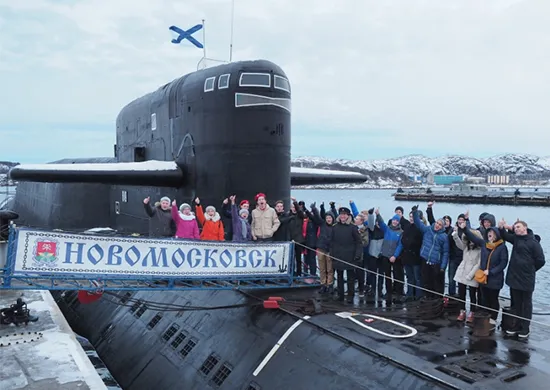
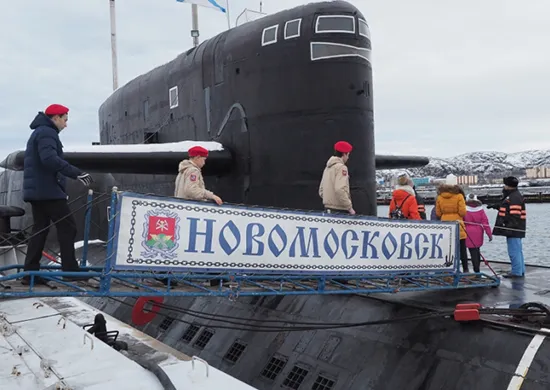
K-407NovomoskovskThe final completed boat in the FAS class roster and the subject of the current gallery's 2016 onboard photographs.
Media
Related Weapon Systems
Delta III-class submarine, Ballistic missile submarine, Naval SystemsNaval SystemsDelta III-class submarineBallistic missile submarineThe Delta III-class submarine is the NATO reporting name for the Soviet Project 667BDR Kalmar, a Sevmash-built nuclear-powered ballistic missile submarine designed around the D-9R launch system and 16 R-29R / SS-N-18 submarine-launched ballistic missiles. The class introduced a MIRV-capable Soviet SSBN design, remained visible in Russian Pacific Fleet strategic exercises into the 2010s, and ended regular SSBN service when K-44 Ryazan was withdrawn after the other Project 667BDR boats had already left service.
Vanguard-class submarine, Nuclear-powered ballistic missile submarine, Naval SystemsNaval SystemsVanguard-class submarineNuclear-powered ballistic missile submarineThe Vanguard-class submarine is the Royal Navy's four-boat nuclear-powered ballistic missile submarine class for the United Kingdom's continuous at-sea nuclear deterrent. Built at Barrow-in-Furness by Vickers Shipbuilding and Engineering, the class carries Trident II D5 missiles, remains in service as the UK's single nuclear delivery platform, and is being sustained until Dreadnought-class submarines replace it in the 2030s.
Ohio-class ballistic missile submarine, Nuclear-powered ballistic missile submarine, Naval SystemsNaval SystemsOhio-class ballistic missile submarineNuclear-powered ballistic missile submarineThe Ohio-class ballistic missile submarine is the U.S. Navy's current sea-based strategic-deterrent SSBN class and the launch platform for Trident II D5/D5LE missiles. Four early Ohio hulls were converted to SSGNs, leaving 14 SSBNs in strategic service; Navy sources describe each remaining SSBN as carrying up to 20 missiles after New START tube deactivation and operating on alternating Blue and Gold crews for sustained patrol availability.
Type 094 / Jin-class ballistic missile submarine, Chinese People's Liberation Army Navy nuclear-powered ballistic missile submarine class, Naval SystemsNaval SystemsType 094 / Jin-class ballistic missile submarineChinese People's Liberation Army Navy nuclear-powered ballistic missile submarine classThe Type 094 / Jin-class is the People's Liberation Army Navy's operational nuclear-powered ballistic missile submarine class and China's first credible sea-based nuclear-deterrent platform. U.S. defense reporting describes six operational Jin-class boats carrying up to 12 JL-2 or JL-3 submarine-launched ballistic missiles, while open-source references place construction at Bohai Shipyard in Huludao.

Sources