Aircraft & UAVs

Decoy drones

Also known as
  • target drones
  • dummy jets
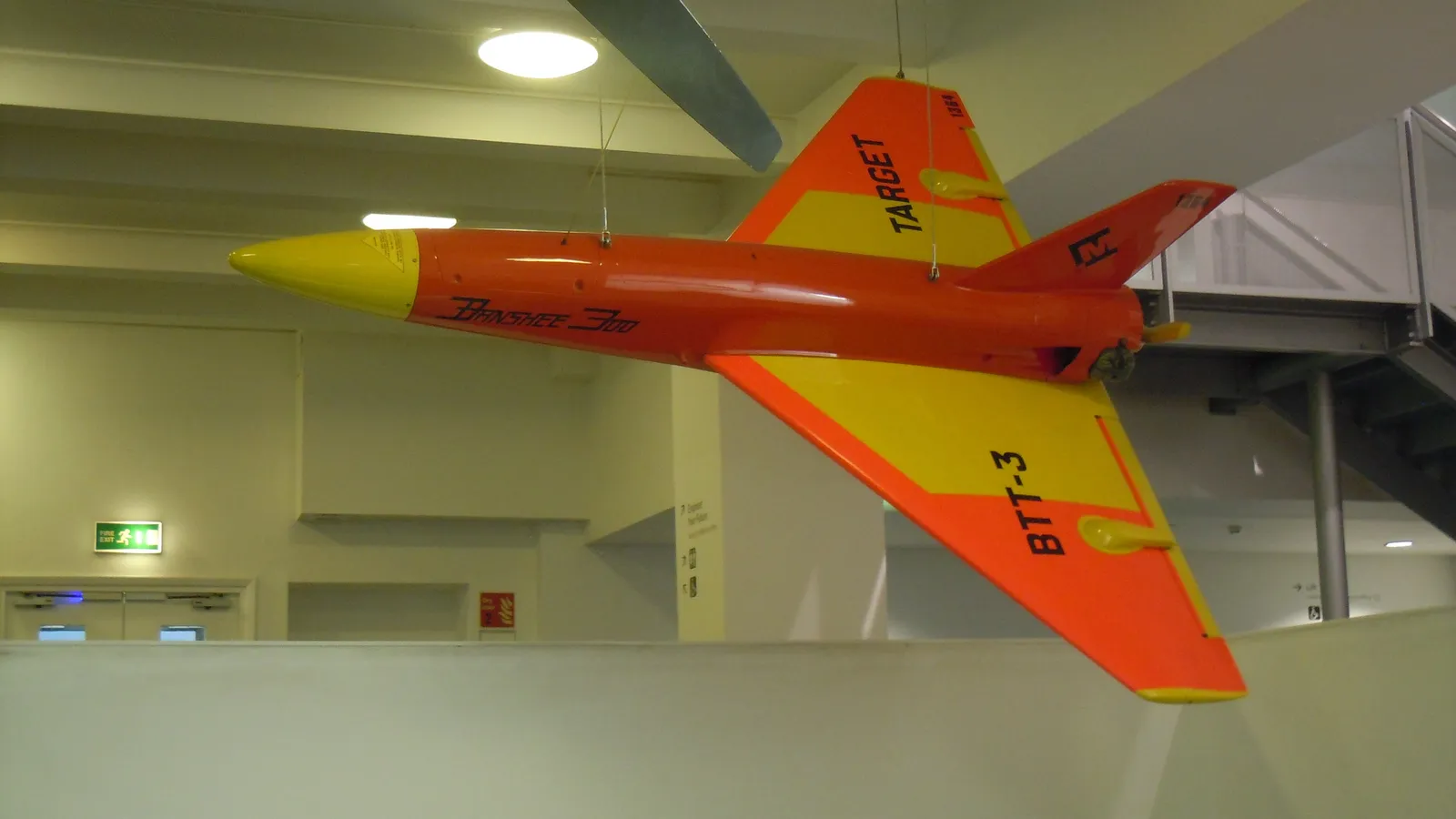
  • Banshee decoy drones
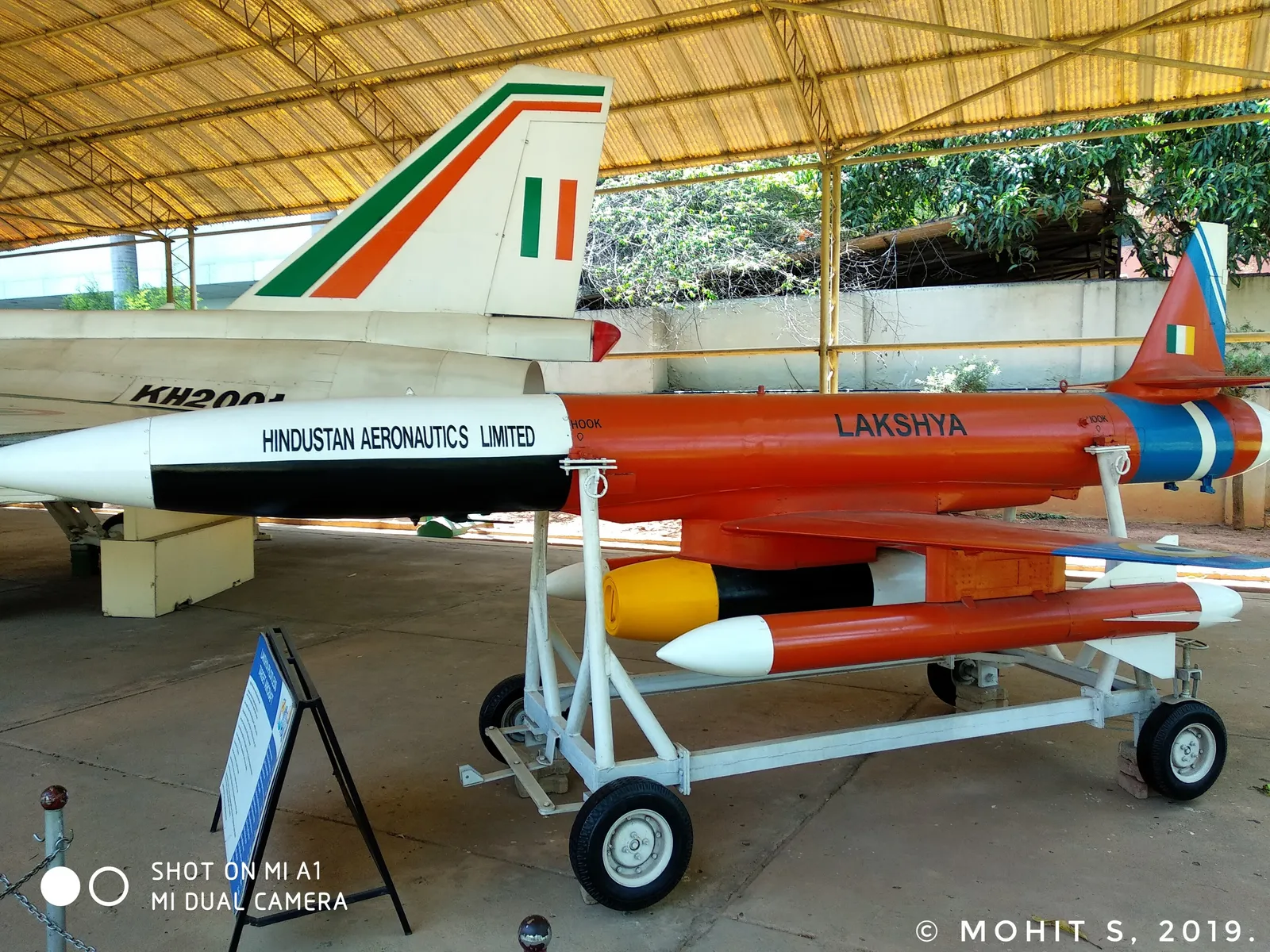
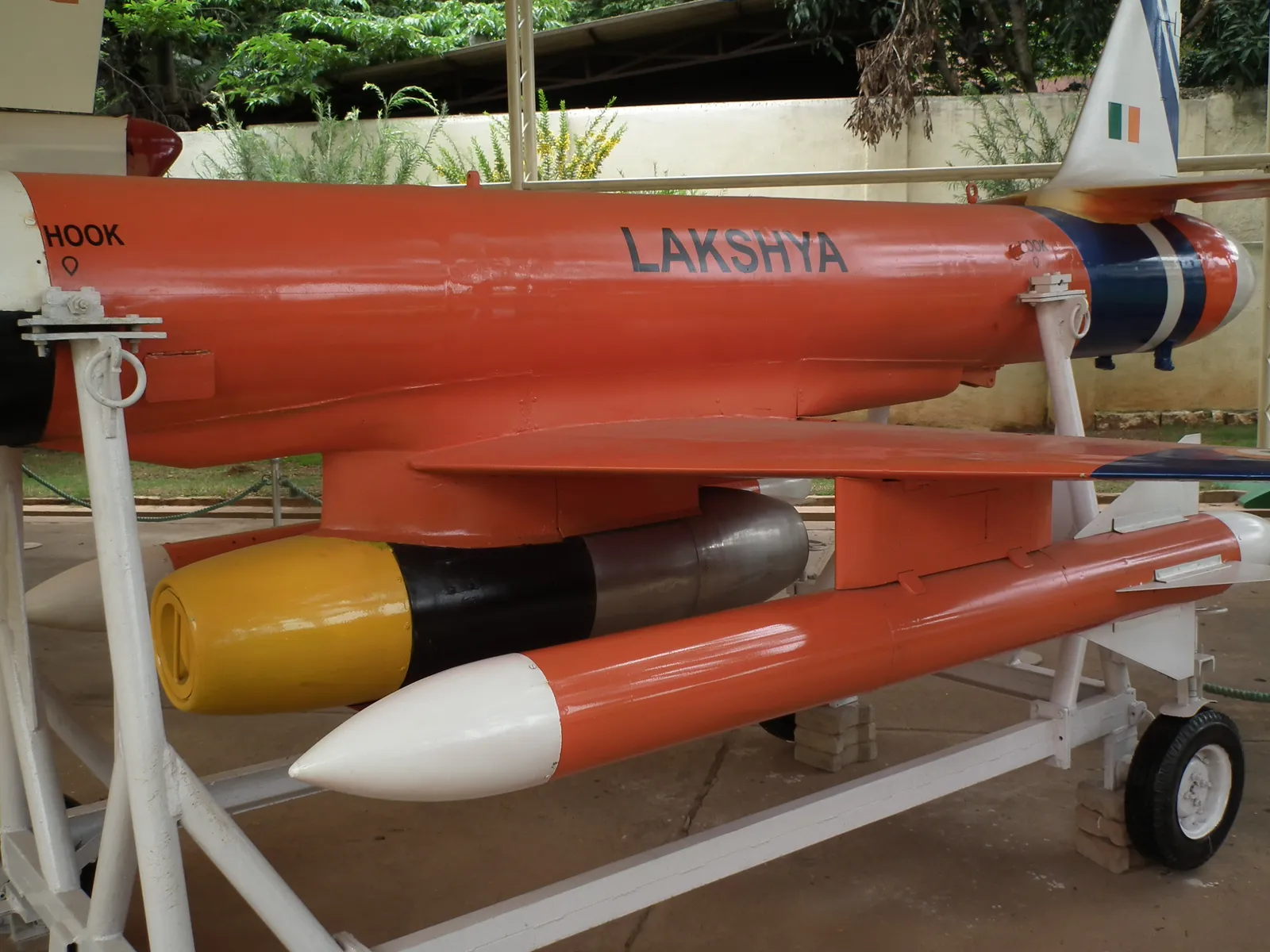
  • Lakshya target drone
  • high-speed target drones

Decoy drones are reusable aerial target UAVs configured to imitate aircraft signatures, stimulate air-defense radars, and absorb or expose enemy responses. The catalog entry focuses on Banshee and Lakshya-type systems reported in Indian service during the 2025 India-Pakistan Conflict, while linking to the separate An-2 converted decoy aircraft page for Nagorno-Karabakh.

Role in Conflicts

Side
India
Role in conflict
Air-defense deception and radar exposure

Indian forces reportedly used high-speed target drones, including Banshee and Lakshya-type systems, as decoys during Operation Sindoor to imitate fighter threats, trigger Pakistani air-defense radars, and create openings for follow-on attacks on exposed systems.

Profile / Specs

Profile

Origin
India and United Kingdom
Type
Reusable target-drone decoy and aerial threat-representation UAV
Service note
Modern target-drone and air-defense training systems adapted to May 2025 deception reporting
Designer
QinetiQ predecessor Target Technology / Meggitt for the Banshee family; DRDO Aeronautical Development Establishment for Lakshya
Designed
Banshee family from the 1980s; Lakshya development sanctioned in 1980

Specifications

Primary function
Reusable aerial targets and decoys for threat representation, air-defense training, radar stimulation, and deception missions
Banshee Jet 80+ speed
Up to 200 m/s in straight and level flight according to QinetiQ
Banshee Jet 80+ endurance
Typical mixed-throttle mission time over 45 minutes with auxiliary fuel
Banshee Jet 80+ systems
CASPA avionics, digital autopilot, integrated GPS, digital telemetry, optional payloads, and parachute recovery
Lakshya propulsion and launch
Gas-turbine, reusable high-subsonic target launched from land or ship
Lakshya target signature
Carries two 1.5 km tow targets with radar, infrared, or visual signature augmentation
Variants

The entry groups reusable target drones reported or documented in the same deception role rather than one single airframe family.

VariantConfigurationDesignation notes
Banshee Jet 80+Twin-jet threat-representation target

QinetiQ describes the Jet 80+ as a dual-jet UAV with land and sea launch capability, digital autopilot, GPS, telemetry, parachute recovery, and up to 200 m/s straight-and-level speed.

Sources: Banshee Jet 80+

Banshee Jet 40+High-speed target-drone decoy

Defstrat identified Banshee Jet 40+ target drones among systems reportedly used by the Indian Air Force to imitate fighter aircraft during Operation Sindoor.

Sources: India's Weapons Systems: Op Sindoor

DRDO LakshyaIndian reusable aerial target

DRDO describes Lakshya as a reusable high-subsonic aerial target launched from land or ship and carrying towed targets with radar, infrared, or visual signature augmentation.

Sources: Pilotless Target Aircraft - Lakshya

Lakshya-IILakshya family development

Public Operation Sindoor reporting grouped Lakshya-type target drones with other decoy systems; this row is retained as a family designation where exact conflict variant identification remains source-limited.

Sources: India's Weapons Systems: Op Sindoor

Related Decoy Aircraft

This page covers reusable target drones reported in Indian deception use; converted aircraft used as decoys are tracked as separate weapon records when direct conflict-use sourcing is available.

Compatible itemItem typeCompatibility evidence
An-2 unmanned decoy / converted UCAV, Converted unmanned decoy aircraft / improvised UCAV, Aircraft & UAVsAn-2 unmanned decoy / converted UCAVConverted unmanned aircraft

The linked An-2 record covers Azerbaijan's converted biplanes in the 2020 Nagorno-Karabakh Conflict, a separate decoy-aircraft approach that drew Armenian air-defense fire and exposed targets for follow-on systems.

Sources: Small Wars Journal Nagorno-Karabakh Lessons

Decoy Profiles

The same battlefield function can be filled by purpose-built target drones or by converted aircraft. The rows below separate the sourced roles so the page does not treat every decoy as the same airframe family.

ProfileSourced roleCatalog treatment
Banshee Jet 80+ / Jet 40+Reusable high-speed target drones used for threat representation and reported as fighter-like decoys in Operation Sindoor.Covered in this entry as the British-built part of the India/Pakistan decoy-drone reporting.
DRDO LakshyaIndian reusable high-subsonic target system with tow targets carrying radar, infrared, or visual signature augmentation.Covered in this entry as the Indian target-drone family reported in the same deception role.
An-2 unmanned decoy / converted UCAV, Converted unmanned decoy aircraft / improvised UCAV, Aircraft & UAVsAn-2 unmanned decoy / converted UCAVConverted aircraft used by Azerbaijan in 2020 to draw Armenian air-defense fire and reveal positions.Kept as a separate conflict-backed record because it has its own direct Nagorno-Karabakh sourcing.
Timeline

Decoy drones Key Events

  1. Lakshya enters Indian Air Force service

    DRDO states Lakshya was inducted into the Indian Air Force in 2000, followed by the Indian Navy in 2001 and Indian Army in 2003.

    Sources: Pilotless Target Aircraft - Lakshya

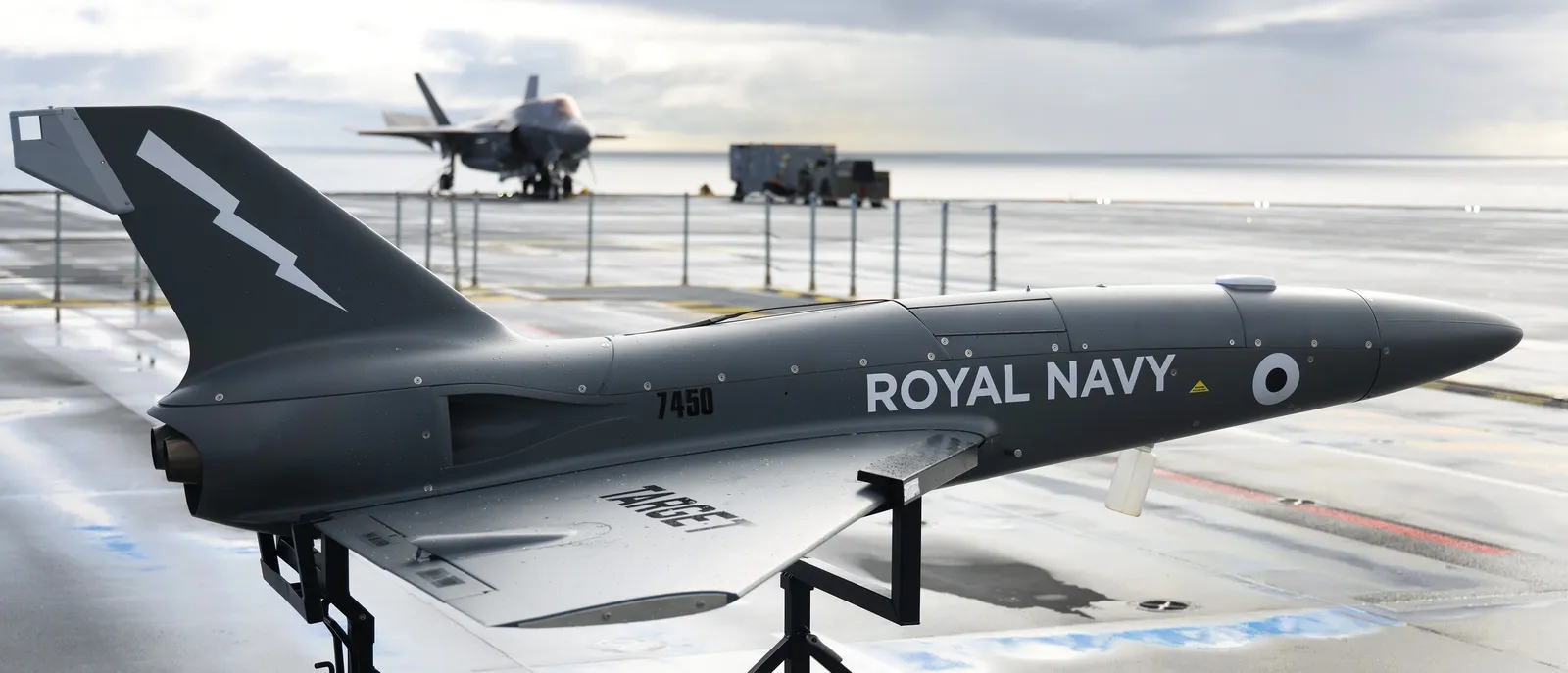
  2. Royal Navy launches Banshee from HMS Prince of Wales

    The Royal Navy reported Banshee drone launches from HMS Prince of Wales while exploring crewless technology operations from Queen Elizabeth-class aircraft carriers.

    Sources: Royal Navy Prince of Wales Banshee Launches

  3. Operation Sindoor decoy reports

    Indian press reporting said the Indian Air Force used dummy aircraft or high-speed target drones to simulate incoming fighters and prompt Pakistani air-defense radars to activate.

    Sources: Times of India Operation Sindoor Dummy Jets, India's Weapons Systems: Op Sindoor
Media
Related Weapon Systems
An-2 unmanned decoy / converted UCAV, Converted unmanned decoy aircraft / improvised UCAV, Aircraft & UAVsAircraft & UAVsAn-2 unmanned decoy / converted UCAVConverted unmanned decoy aircraft / improvised UCAVThe An-2 unmanned decoy / converted UCAV was Azerbaijan's improvised adaptation of the Soviet Antonov An-2 utility biplane for the 2020 Nagorno-Karabakh war. Azerbaijani forces used converted An-2s as expendable unmanned aircraft to enter Armenian air-defense engagement zones, draw fire, and reveal radar or launcher positions for TB2s, Harop loitering munitions, air strikes, or artillery, while separate reporting described some conversions carrying explosive payloads or FAB-250 bombs.
Banshee Jet-80, Twin-jet aerial target drone adapted or reported as a one-way attack UAV, Aircraft & UAVsAircraft & UAVsBanshee Jet-80Twin-jet aerial target drone adapted or reported as a one-way attack UAVThe Banshee Jet-80 is a British twin-jet member of the Banshee aerial-target family, built for realistic threat representation against air-defense and air-to-air weapon systems. QinetiQ markets the Jet 80 and Jet 80+ as land- and sea-launchable targets with plug-in augmentation, optional payloads, digital navigation and telemetry, and parachute recovery; Ukraine-war reporting in 2024 identified a Banshee Jet 80+/closely related airframe in Ukrainian one-way attack drone use, and IISS later listed the Banshee Jet 80+ in Ukraine's selected one-way-attack UAV inventory.
IAI Harop, Long-range loitering munition, Aircraft & UAVsAircraft & UAVsIAI HaropLong-range loitering munitionThe IAI Harop is an Israeli long-range loitering munition that combines UAV-style search and surveillance with an expendable precision-strike role. Israel Aerospace Industries presents it as a second-generation electro-optical attack system launched from land or naval canisters, controlled by a remote human operator, and able to attack high-value targets from multiple dive angles. Direct public sourcing ties Harop to Azerbaijan's 2020 Nagorno-Karabakh campaign and India's 2025 Operation Sindoor.
Improvised drones, Improvised military drone class, Aircraft & UAVsAircraft & UAVsImprovised dronesImprovised military drone classImprovised drones are locally modified or field-assembled uncrewed aerial systems built from commercial quadcopters, FPV airframes, agricultural-drone parts, and workshop-made payload fittings. The record tracks a distributed weapon class rather than one factory model: Islamic State, Ukrainian and Russian forces, Hamas, Israeli units in Gaza, and Myanmar armed actors all adapted small UAVs for reconnaissance, bomb drops, assault support, and low-cost strike roles.
MiG-21 Bison, Upgraded supersonic fighter-interceptor, Aircraft & UAVsAircraft & UAVsMiG-21 BisonUpgraded supersonic fighter-interceptorThe MiG-21 Bison was India's final MiG-21bis upgrade, combining the Soviet-origin Fishbed airframe with a Kopyo radar, modern navigation/attack avionics, countermeasures, helmet-cued short-range missile employment, and beyond-visual-range missile compatibility. Its most tightly documented combat use in the catalog is the 27 February 2019 India-Pakistan aerial engagement over Kashmir; the type left Indian Air Force service in September 2025.
Gerbera, Multi-role decoy, reconnaissance, and one-way attack UAV, Aircraft & UAVsAircraft & UAVsGerberaMulti-role decoy, reconnaissance, and one-way attack UAVGerbera is a Russian Shahed-shaped UAV used in Ukraine as a low-cost false target, reconnaissance platform, signal relay, and light one-way attack drone. Ukrainian intelligence links the design to Chinese Skywalker Technology-derived airframes and Alabuga-area assembly, while recovered examples show plywood-and-foam construction, imported electronics, Chinese model-aircraft engines, and variants ranging from unarmed decoys to warhead-carrying and FPV-carrier configurations.
AN/ALE-50 towed decoy, Towed decoy countermeasure, Electronic WarfareElectronic WarfareAN/ALE-50 towed decoyTowed decoy countermeasureThe AN/ALE-50 is a Raytheon airborne towed decoy countermeasure developed from Naval Research Laboratory work to draw radar-guided missiles away from combat aircraft. It entered production in December 1996, pairs a launcher/controller installation with expendable decoy canisters, and is documented on F-16, F/A-18E/F Super Hornet, and B-1B aircraft as a compact radio-frequency self-protection system used from Kosovo and Iraq to later U.S. air operations.

Sources