Aircraft & UAVs

An-2 unmanned decoy / converted UCAV

Also known as
  • Antonov An-2
  • AN-2
  • An-2 Colt
  • Antonov An-2 Colt
  • Annushka
  • Antonov An-2 decoy drone
  • Azerbaijani An-2 drone
  • An-2 decoy UAV
  • AN-2 unmanned biplane
  • Annushka decoy drone
  • Antonov An-2 unmanned decoy
  • An-2 converted UCAV
  • Colt decoy drone

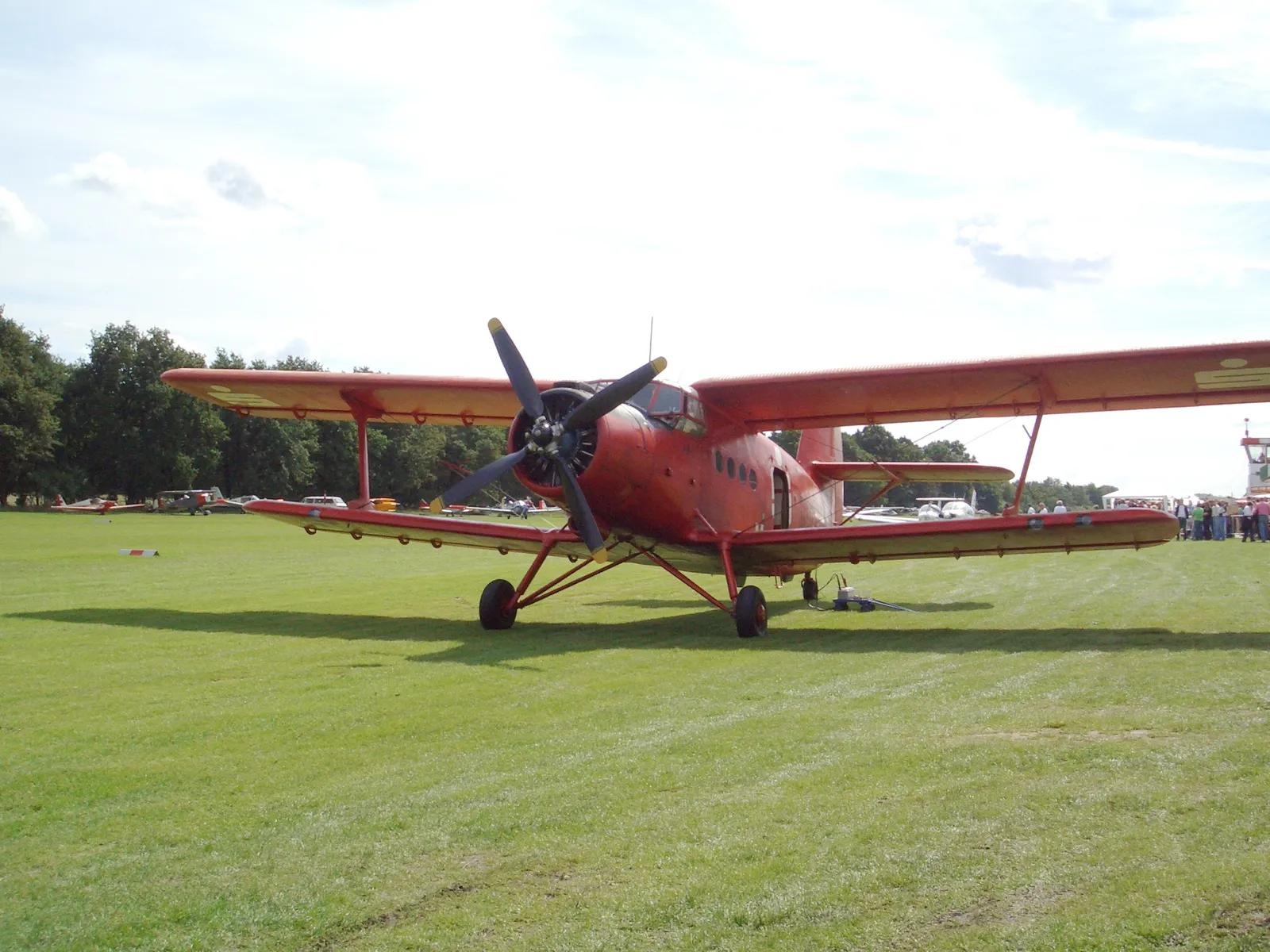
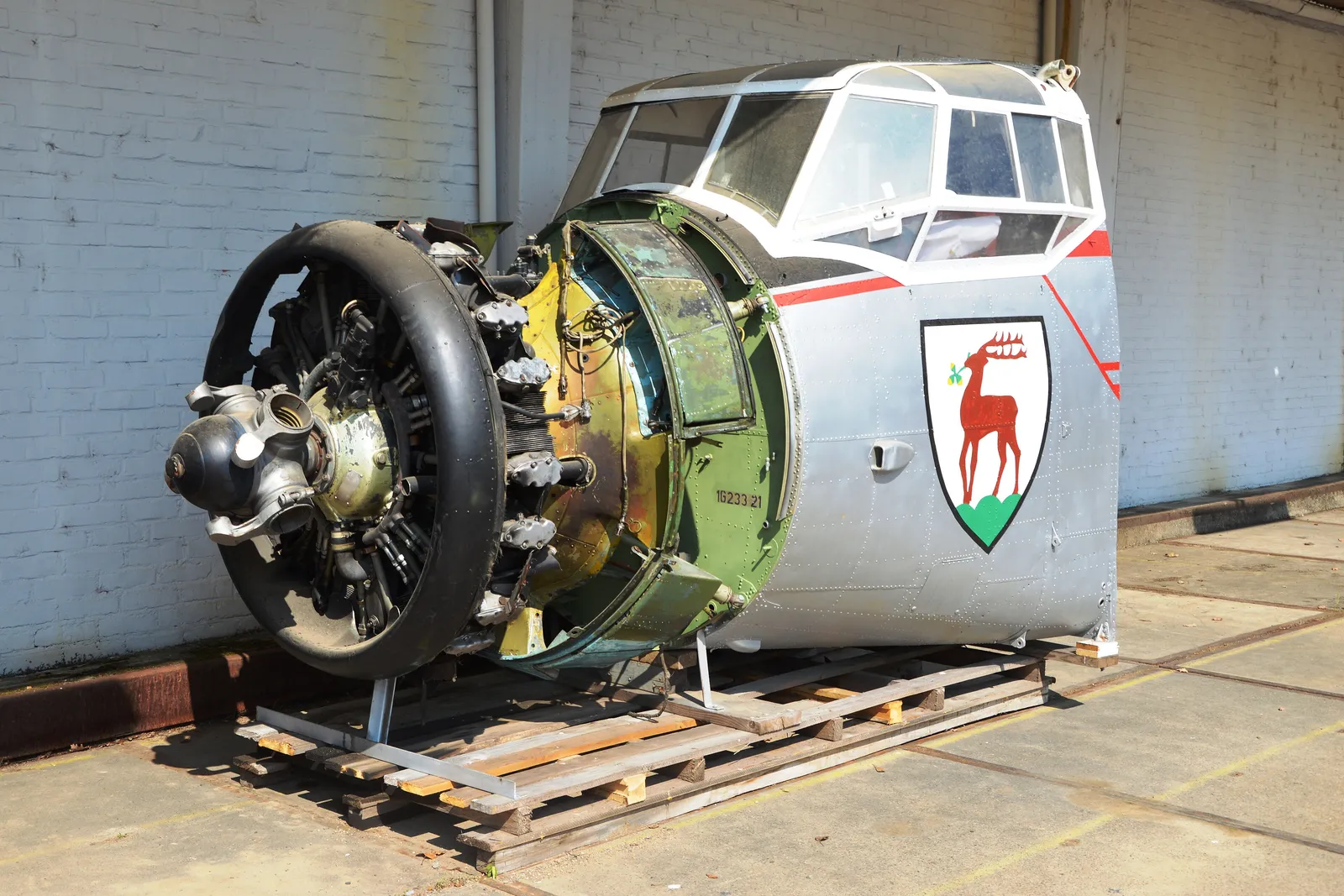
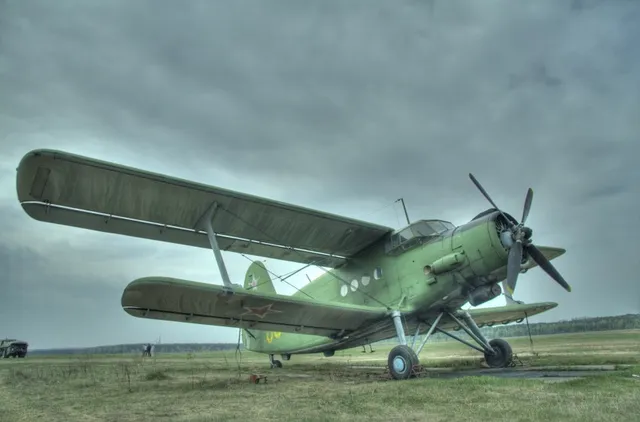
The An-2 unmanned decoy / converted UCAV was Azerbaijan's improvised adaptation of the Soviet Antonov An-2 utility biplane for the 2020 Nagorno-Karabakh war. Azerbaijani forces used converted An-2s as expendable unmanned aircraft to enter Armenian air-defense engagement zones, draw fire, and reveal radar or launcher positions for TB2s, Harop loitering munitions, air strikes, or artillery, while separate reporting described some conversions carrying explosive payloads or FAB-250 bombs.

Role in Conflicts

Azerbaijan fielded converted Soviet-era An-2 biplanes during the 2020 war as unmanned decoys to draw Armenian air-defense fire and expose radar or launcher positions for follow-on UAV, loitering-munition, air-strike, or artillery attacks; some reporting also described FAB-250 bomb drops and explosive payloads on selected conversions.

Decoy SEAD Role

Azerbaijan's converted An-2s mattered less as airframes than as triggers in a wider suppression-of-enemy-air-defenses cycle. The slow biplanes were sent into defended airspace where Armenian crews could mistake them for easy targets; once radars, launchers, or firing positions reacted, other Azerbaijani systems could attack.

Decoy function

U.S. Army and RAF analyses describe remotely piloted or unmanned An-2 biplanes used to force Armenian air defenses to respond and reveal positions.

Follow-on kill chain

Exposed targets were then vulnerable to TB2s, Harop loitering munitions, air strikes, indirect fire, or coordinated artillery.

Payload caveat

Some sources describe explosive payloads or FAB-250 drops, but the conversion package and exact number of bomb-carrying aircraft are not publicly confirmed.
Profile / Specs

Profile

Origin
Soviet Union; converted and operated by Azerbaijan
Type
Converted unmanned decoy aircraft / improvised UCAV
Service note
Base An-2 introduced in the late 1940s; Azerbaijani unmanned conversion documented in the 2020 war
Designer
Oleg K. Antonov / OKB-153 Design Bureau
Designed
Base An-2 first flight: 31 August 1947
Unit cost
Not publicly reported for the conversion
Produced
Base An-2 serial production began at Kyiv in 1948/1949; licensed or derivative production ran in Poland and China, with Azerbaijani conversion dates not publicly confirmed beyond 2020 documentation
Number built
Base An-2 family produced in very large numbers; Antonov lists 3,320 Kyiv-built, 11,915 Polish-built, 506 An-2M Dolgoprudnyi-built, and about 1,100 Chinese-built aircraft, while the converted Azerbaijani total is not confirmed

Specifications

Base airframe
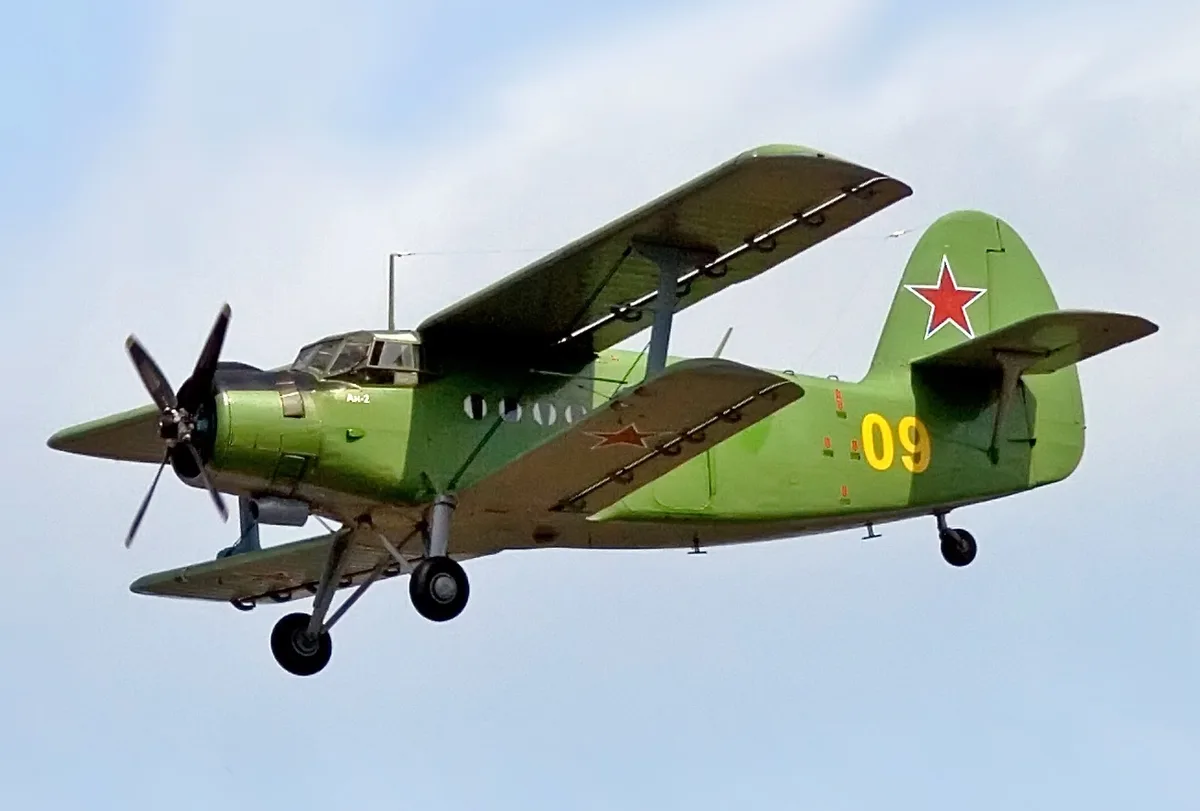
Antonov An-2 single-engine biplane utility aircraft
Conversion
Field conversion from crewed aircraft into an unmanned decoy or improvised attack UAS; exact control package not publicly identified
Engine
1,000 hp class Shvetsov ASh-62 radial engine on the base aircraft
Wingspan
About 18.17-18.2 m / 59.7 ft depending on source
Length
About 12.4-13.0 m depending on variant/source
Maximum speed
About 157 mph / 253 km/h for the base An-2
Range
About 562 miles / 904 km for the base An-2
Payload or armament
Not standardized; Armenian reporting and wreck imagery cited explosive payloads on some converted aircraft
Variants

The cataloged system is not a factory Antonov variant. It is a conflict-specific Azerbaijani conversion of the An-2 airframe, so the rows separate the underlying utility aircraft from the documented improvised unmanned roles.

VariantConfigurationDesignation notes
Antonov An-2 base utility biplaneCrewed utility aircraft

Antonov and The Museum of Flight identify the An-2 as an OKB-153/Oleg Antonov utility biplane introduced in 1947 and produced in multiple civil, military, and scientific variants.

Sources: Antonov AN-2, Antonov An-2 Colt

Converted unmanned decoy aircraftRemote or unmanned decoy

U.S. Army and RAF analyses describe Azerbaijani An-2 biplanes repurposed as low-flying decoys to trigger Armenian air-defense reactions and expose targets.

Sources: U.S. Army Nagorno-Karabakh 2020 Conflict Catalog, RAF Air and Space Power Review UCAV Article

Reported explosive or bomb-carrying conversionImprovised attack payload

Hybrid CoE says a converted An-2 transport aircraft dropped FAB 250 kg free-fall bombs, while Hetq reported wreckage claims involving explosive payloads.

Sources: Hybrid CoE Working Paper 10, Azerbaijani Military Retools Old Crop Duster Planes as Attack Drones

Carried Munitions

Open reporting on the 2020 Nagorno-Karabakh war ties converted An-2 aircraft to FAB 250 kg free-fall bombs.

Carried itemItem typeCarriage evidence
FAB-250, 250 kg general-purpose free-fall aviation bomb, MunitionsFAB-250250 kg aerial bomb

The Hybrid CoE working paper says Azerbaijan used a converted An-2 transport aircraft as a remote-controlled system and dropped FAB 250 kg free-fall bombs during the 2020 Nagorno-Karabakh war.

Sources: Hybrid CoE Working Paper 10

Timeline

An-2 unmanned decoy / converted UCAV Key Events

  1. Base An-2 first flies

    The Antonov An-2 first flew in August 1947 as the first design of OKB-153 under Oleg Antonov, long before the conflict-specific Azerbaijani unmanned conversion.

    Sources: Antonov An-2 Colt

  2. Converted An-2 use reported in Nagorno-Karabakh

    Early war reporting described Azerbaijani An-2 aircraft shot down over the front and said the aircraft were being converted into ad hoc unmanned aircraft to identify air-defense positions.

    Sources: Azerbaijani Military Turns Soviet Biplane Aircraft Into Drones

  3. Decoy role folded into Azerbaijani air campaign

    Later military analyses described the An-2 decoys as part of Azerbaijan's suppression of enemy air defenses, exposing Armenian radars and launchers for strikes by TB2s, Harops, air strikes, or artillery.

    Sources: U.S. Army Nagorno-Karabakh 2020 Conflict Catalog, RAF Air and Space Power Review UCAV Article

Media
Related Weapon Systems
FAB-250, 250 kg general-purpose free-fall aviation bomb, MunitionsMunitionsFAB-250250 kg general-purpose free-fall aviation bombThe FAB-250 is a Soviet-origin 250 kg general-purpose aviation bomb family built around unguided free-fall bodies and later adapted in some wars through improvised carriers or glide-kit conversion. WeaponsSystems.net describes the FAB M62 series as a Soviet free-fall bomb family with a common 250 kg version produced by Bazalt, while direct conflict reporting links FAB-250-class bombs to Azerbaijan's converted An-2 aircraft in 2020 and to Russian and Ukrainian strike adaptations in the 2014 Russia-Ukraine War.
IAI Harop, Long-range loitering munition, Aircraft & UAVsAircraft & UAVsIAI HaropLong-range loitering munitionThe IAI Harop is an Israeli long-range loitering munition that combines UAV-style search and surveillance with an expendable precision-strike role. Israel Aerospace Industries presents it as a second-generation electro-optical attack system launched from land or naval canisters, controlled by a remote human operator, and able to attack high-value targets from multiple dive angles. Direct public sourcing ties Harop to Azerbaijan's 2020 Nagorno-Karabakh campaign and India's 2025 Operation Sindoor.

Sources