Direct proof of use
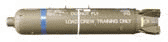
The CBU-87 cluster munition was used by U.S. forces in the 2001 War in Afghanistan. Human Rights Watch reported that U.S. Air Force B-1 bombers were believed to have dropped 50 CBU-87s in about five missions during the first week of the air campaign, and that CBU-87 use continued after that initial week against fixed and mobile targets.
A UK Ministry of Defence minister later told the House of Lords that the cluster munitions used in Afghanistan included the CBU-87 and CBU-103, while excluding CBU-89 and CBU-104 Gator bombs from the Afghanistan use list.
Sources: HRW Cluster Bombs in Afghanistan Backgrounder, UK Parliament Afghanistan Cluster Bomb Policy
Dated use and quantities
The U.S.-led air campaign began on October 7, 2001, and HRW reported that Air Force cluster-bomb use began within days. By November 8, 2001, HRW said U.S. military sources put Afghanistan air-campaign cluster-bomb use at 350 weapons: 150 CBU-87 Combined Effects Munitions and 200 CBU-103 weapons fitted with the Wind Corrected Munitions Dispenser kit.
HRW's later Afghanistan report gave a broader campaign total of about 1,149 cluster bombs during Operation Enduring Freedom plus another 84 in Operation Anaconda. That report said the United States used the CBU-103 for the first time in combat but continued to use the older CBU-87, and that HRW found evidence of both BLU-97 versions in Afghanistan.
Sources: HRW Cluster Bombs in Afghanistan Backgrounder, HRW Cluster Bomblets Litter Afghanistan, HRW Fatally Flawed Afghanistan Cluster Bomb Report
Role and target context
The Afghanistan use pattern places the CBU-87 in an interdiction and area-denial role: air-delivered cluster munitions were reported against fixed and mobile targets, and HRW said many CBU attacks were on military targets while criticizing strikes in or near populated areas.
Each CBU-87 carried 202 BLU-97/B combined-effects bomblets. HRW described the munition as producing a broad footprint rather than a precision point effect, with the CBU-87 footprint in U.S. information to the United Nations estimated at a 1,500-foot radius.
Sources: HRW Cluster Bombs in Afghanistan Backgrounder, HRW Fatally Flawed Afghanistan Cluster Bomb Report
Remnants and civilian-harm reporting
HRW reported that unexploded BLU-97 bomblets from CBU-87 and CBU-103 strikes created a post-strike hazard in Afghanistan. In November 2001, HRW estimated that 70,700 BLU-97 bomblets had been dispersed from 350 cluster bombs and, using a 7 percent initial failure-rate estimate, calculated that about 4,949 hazardous duds might remain in struck areas.
The December 2002 HRW report attributed at least twenty-nine civilian deaths to unexploded submunitions and said cluster bombs also affected farmland, orchards, and grazing areas. These are HRW's findings and estimates; they are included here as source-attributed effects of the documented Afghanistan use rather than independent legal conclusions.
Sources: HRW Cluster Bomblets Litter Afghanistan, HRW Fatally Flawed Afghanistan Cluster Bomb Report