2014 Yemen Civil War

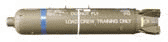
CBU-58A/B cluster bomb in the 2014 Yemen Civil War

Human Rights Watch and Amnesty International identified U.S.-made CBU-58 remnants and BLU-63 submunitions after Saudi-led coalition air attacks on residential neighborhoods in Sanaa on January 6, 2016.

Evidence Map

ClaimSources
Saudi-led coalition forces airdropped cluster bombs on Sanaa residential neighborhoods on January 6, 2016.

Sources: Yemen: Coalition Drops Cluster Bombs in Capital, Yemen: New Evidence Challenges Coalition Denial

Photographs from Sanaa showed BLU-63 submunitions and components of a CBU-58 cluster bomb.

Sources: Yemen: Coalition Drops Cluster Bombs in Capital, Yemen: New Evidence Challenges Coalition Denial

Human Rights Watch's technical briefing and the Cluster Munition Monitor list the January 6, 2016 Sanaa attack as involving CBU-58/BLU-63 munitions.

Sources: Technical Briefing Note: Cluster Munition Use in Yemen, Cluster Munition Ban Policy: Yemen

The CBU-58A/B configuration carries 650 BLU-63A/B submunitions in an SUU-30H/B dispenser.

Sources: CBU-58A/B

Timeline

CBU-58A/B cluster bomb In 2014 Yemen Civil War

  1. Coalition air campaign begins

    Human Rights Watch framed its Yemen cluster-munition review around the Saudi-led coalition military campaign that began against Ansar Allah forces on March 26, 2015.

    Sources: Technical Briefing Note: Cluster Munition Use in Yemen

  2. CBU-58 remnants documented in Sanaa

    Human Rights Watch and Amnesty International identified BLU-63 submunitions and CBU-58 components after air attacks on Sanaa residential neighborhoods.

    Sources: Yemen: Coalition Drops Cluster Bombs in Capital, Yemen: New Evidence Challenges Coalition Denial

  3. CBU-58 listed in Yemen cluster-munition briefing

    Human Rights Watch's technical briefing listed Sanaa on January 6, 2016 as a CBU-58 and BLU-63 cluster-munition attack.

    Sources: Technical Briefing Note: Cluster Munition Use in Yemen

Documented Use

Direct proof of use

The CBU-58A/B is documented in the 2014 Yemen Civil War through remnant identification after air attacks on Sanaa on January 6, 2016. Human Rights Watch said Saudi-led coalition forces airdropped cluster bombs on residential neighborhoods in Yemen's capital and identified photographed remnants as U.S.-made BLU-63 submunitions and components of a CBU-58 cluster bomb.

Amnesty International separately reviewed photographs from Sanaa taken on January 6 and 7, 2016 and identified BLU-63 anti-personnel/anti-materiel submunitions and CBU-58 components. Amnesty attributed the attack to the Saudi-led coalition, stating that the coalition was the only party to the conflict with the capability to drop bombs from the air.

Sources: Yemen: Coalition Drops Cluster Bombs in Capital, Yemen: New Evidence Challenges Coalition Denial

Timeline

The documented CBU-58 incident occurred early on January 6, 2016 in Sanaa. Human Rights Watch reported accounts from residents of al-Zira'a Street and Hayal Sayeed describing small explosions and pockmarked vehicles, roads, homes, and a kindergarten, while Amnesty placed the attack in Mu'een district in western Sanaa at about 5 a.m.

Later synthesis by Human Rights Watch and the Cluster Munition Monitor listed the January 6, 2016 Sanaa attack as a CBU-58 event involving BLU-63 submunitions. The Monitor's Yemen profile also recorded CBU-58 stock holders as Morocco and Saudi Arabia and placed the attack in Sanaa city on that date.

Sources: Yemen: Coalition Drops Cluster Bombs in Capital, Yemen: New Evidence Challenges Coalition Denial, Technical Briefing Note: Cluster Munition Use in Yemen, Cluster Munition Ban Policy: Yemen

Narrative

The CBU-58 evidence fits the wider Saudi-led coalition air campaign that began in March 2015 after the conflict widened from the Houthi takeover of Sanaa into a regional intervention supporting Yemen's internationally recognized government. Human Rights Watch's February 2016 technical briefing counted the CBU-58 among several air-dropped and ground-launched cluster munition types documented in Yemen since the coalition intervention.

The weapon's battlefield role in this incident was an air-delivered cluster munition attack over urban residential areas. The CBU-58 carries hundreds of BLU-63-family submunitions; OSMP identifies the CBU-58A/B configuration as an SUU-30H/B dispenser carrying 650 BLU-63A/B anti-personnel submunitions with about 163 pounds of COMP B explosive in total.

The available public evidence supports use in Sanaa on January 6, 2016, but it does not identify the individual aircraft, aircrew, or coalition member state that released the munition. Human Rights Watch reported that U.S. export records showed 1,000 CBU-58 bombs transferred to Saudi Arabia between 1970 and 1995, while the Monitor also lists Morocco as a stock holder.

Sources: Technical Briefing Note: Cluster Munition Use in Yemen, CBU-58A/B, Yemen: Coalition Drops Cluster Bombs in Capital, Cluster Munition Ban Policy: Yemen

Sources