Direct proof of use
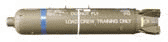
Human Rights Watch reported that the United States used the CBU-103 in Afghanistan alongside the CBU-87 during the 2001-2002 air campaign. Its report identifies the CBU-103 as a CBU-87 fitted with a Wind Corrected Munitions Dispenser tail kit and describes Afghanistan as the model's first combat use.
A separate UK Parliament exchange on November 14, 2001 also stated that CBU-103 cluster munitions had been used in Afghanistan. That statement distinguished the CBU-103 from CBU-89 and CBU-104 Gator mine dispensers, which the minister said had not been dropped over Afghanistan.
Sources: HRW Fatally Flawed Afghanistan Cluster Bomb Report, UK Hansard Afghanistan Cluster Bomb Policy
Timeline
The U.S. air campaign began on October 7, 2001. By November 14, 2001, the UK government was publicly confirming that CBU-103s were among the cluster munitions used in Afghanistan.
Human Rights Watch later reported that from October 2001 through March 2002, the United States dropped about 1,228 cluster bombs containing 248,056 bomblets in Afghanistan. HRW said the United States primarily used CBU-87 and CBU-103 aerial cluster bombs, with smaller numbers of Navy CBU-99s, CBU-100s, and JSOW-As.
Sources: HRW Fatally Flawed Afghanistan Cluster Bomb Report, UK Hansard Afghanistan Cluster Bomb Policy
Narrative
In Afghanistan, the CBU-103 served as an air-delivered area munition. Human Rights Watch described U.S. cluster strikes against military bases, frontlines, villages where Taliban and al-Qaeda troops were hiding, and cave complexes. The report characterized cluster bombs in Afghanistan as primarily antipersonnel and area weapons for broad, soft, moving, or imprecisely located targets.
The CBU-103's Afghanistan use was tied to the WCMD upgrade rather than to a different submunition payload. HRW described the weapon as the newer wind-corrected version of the CBU-87, carrying 202 BLU-97 combined-effects bomblets while using the WCMD tail kit to compensate for wind during fall.
HRW also documented the humanitarian consequences of the cluster-bomb campaign, including civilian casualties during strikes in or near populated areas and unexploded BLU-97 bomblets after attacks. Those findings support the conflict-use context but do not identify every incident by CBU-103 rather than by the broader CBU-87/CBU-103 family.
Sources: HRW Fatally Flawed Afghanistan Cluster Bomb Report