Support Equipment

BMR-3M

Also known as
  • BMR-3M Vepr
  • BMR-3M Boar
  • BMR-3MA Vepr
  • BMR-3MS
  • Prokhod-1
  • БМР-3М

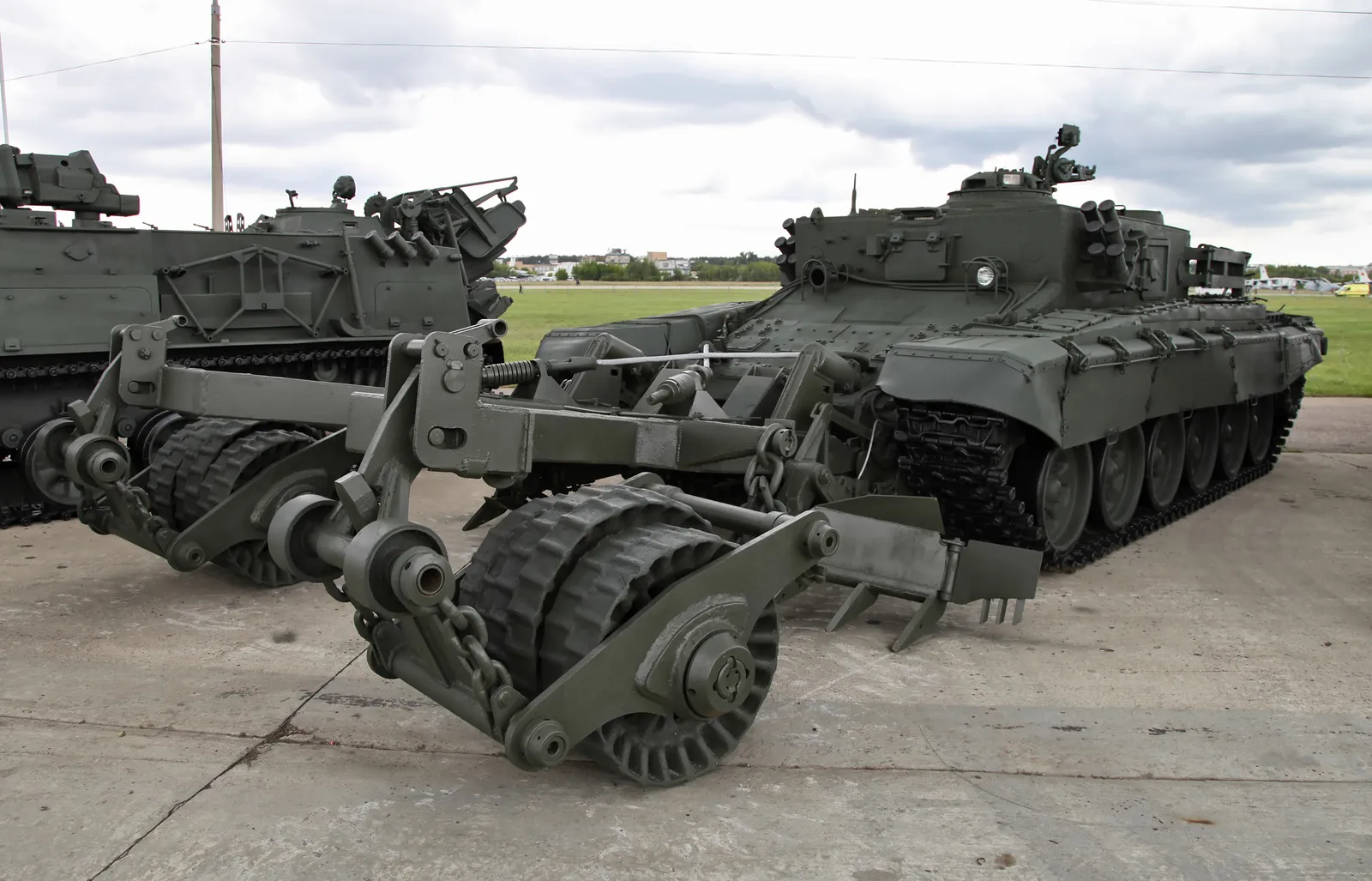
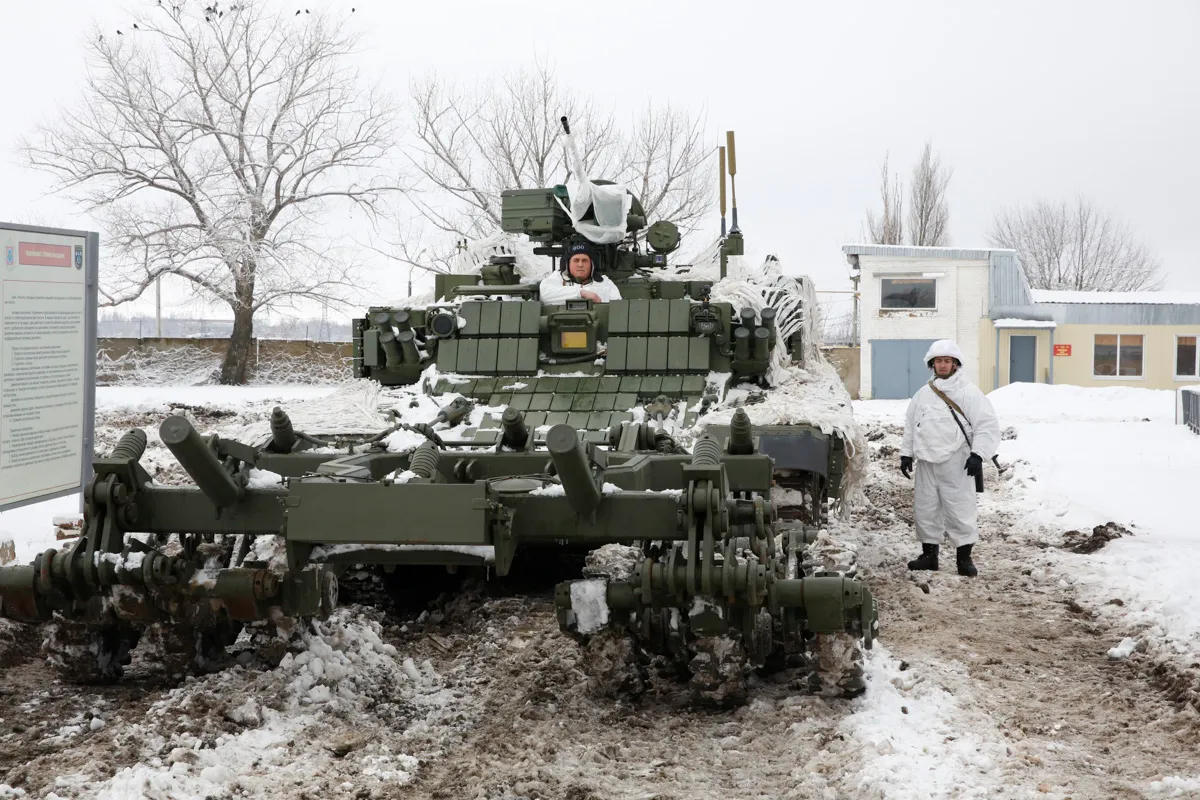
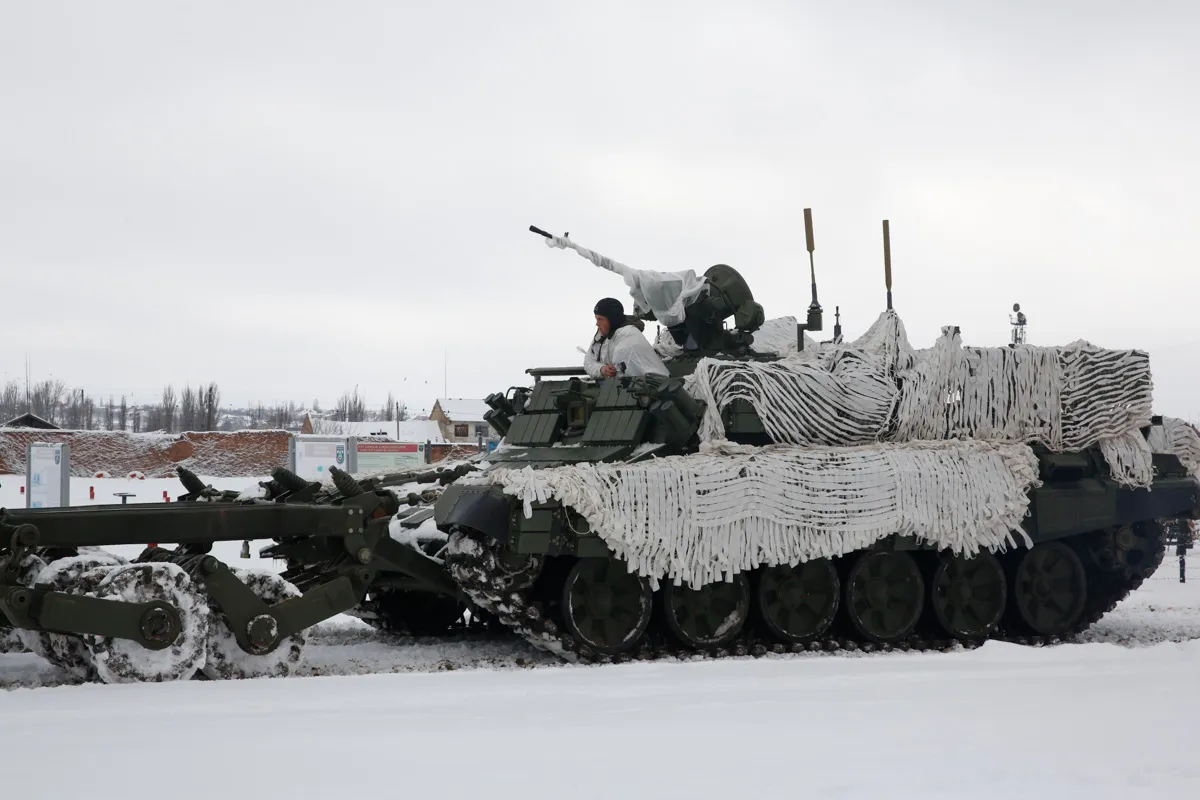
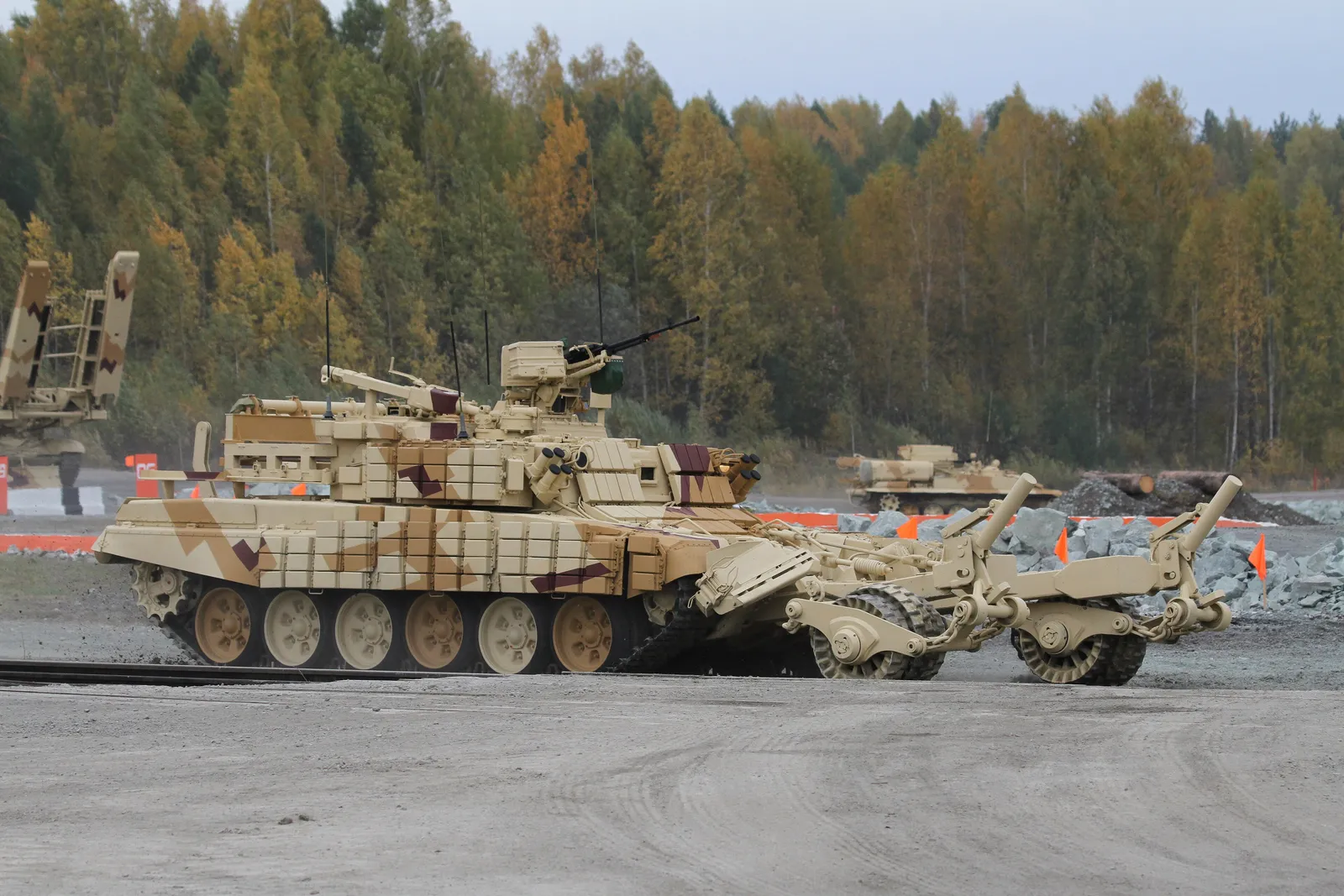
The BMR-3M is a Russian tracked armored mine-clearing vehicle for route opening ahead of heavy armored units. The family combines a tank-derived chassis, protected crew compartment, KMT-7 or TMT-S mine-trawl options, a 12.7 mm self-defense gun, and auxiliary systems intended to defeat pressure, magnetic, wire-controlled, or radio-controlled mine threats.

Role in Conflicts

Profile / Specs

Profile

Origin
Russia
Type
Armored mine-clearing vehicle
Service note
Post-Soviet Russian service; documented in the 2022 full-scale phase of the Russia-Ukraine War.
Produced
2010s-present

Specifications

Crew
2 crew; space for 3 field engineers
Combat weight
About 51,000 kg
Length
6.92 m
Width
3.78-3.8 m
Height
About 2.93-3.0 m
Engine
V-84MS multi-fuel diesel, 840 hp
Road speed
50 km/h
Mine-clearing speed
6-12 km/h with KMT-7; up to 15 km/h with TMT-S on BMR-3MS
Clearing width
KMT-7 clears two roughly 0.8 m tracks; TMT-S clears about 3.9 m on BMR-3MS; Prokhod-1 reporting describes a 4.5 m passage
Trawl options
KMT-7 roller-and-knife mine trawl or TMT-S engineering tank mine trawl in later family/export descriptions
Armament
12.7 mm machine gun
Protection
Steel hull with explosive reactive armor, anti-mine bottom protection, and NBC protection listed in open references
Mine-Clearing Fit

The BMR-3M family is route-opening engineering equipment rather than a direct-fire combat vehicle. Its useful distinction is the combination of a protected tank-derived carrier, interchangeable trawling gear, and counter-fuze equipment that lets an armored column follow through prepared lanes.

KMT-7 lanes

Rosoboronexport describes the KMT-7 roller-and-knife trawl option as cutting two cleared tracks, each about 0.8 m wide, for vehicle movement through anti-tank minefields.

TMT-S sweep

The TMT-S option is listed with a broader 3.9 m clearing width and added ability to address side-attack and wire-controlled mine threats.

Robotic branch

Prokhod-1/BMR-3MA reporting describes crewed, remote-control, and automatic operating modes, with a robotic BMR-3MA vehicle paired to a command vehicle.

Self-defense

A roof or enclosed 12.7 mm machine-gun station is listed for local defense while the primary task remains protected demining.
Variants

Open sources distinguish the crewed BMR-3M Vepr, the export-oriented BMR-3MS, and the BMR-3MA/Prokhod-1 robotic branch while treating them as a closely related armored mine-clearing vehicle family.

VariantConfigurationDesignation notes
BMR-3M VeprCrewed mine-clearing vehicle

Deagel lists the BMR-3M as the active Vepr model with a two-person crew, space for three engineers, a KMT-7 mine-clearance fit, and Uralvagonzavod as contractor.

Sources: Deagel BMR-3M

BMR-3MA / Prokhod-1Robotic or remotely operated mine-clearance development

Deagel identifies BMR-3MA as Prokhod-1 and describes it as a remotely operated development of the BMR-3M mine-clearance vehicle; later reporting links the BMR-3MA Vepr to T-90A-based enhanced mine protection.

Sources: Deagel BMR-3M, Defence UA BMR-3MA Context

BMR-3MSExport-oriented mine-clearing vehicle

Rosoboronexport lists BMR-3MS as a T-90S-based armored mine-clearing vehicle able to use KMT-7 or TMT-S trawling equipment.

Sources: Rosoboronexport BMR-3MS

Timeline

BMR-3M Key Events

  1. BMR-3M listed as active

    Deagel lists 2010 as the initial operational capability year for the BMR-3M Vepr.

    Sources: Deagel BMR-3M

  2. BMR-3MA/Prokhod-1 development noted

    Deagel lists July 2016 as the initial operational capability point for the BMR-3MA Prokhod-1 remotely operated mine-clearance development, while TASS reported that Uralvagonzavod began serial production of the BMR-3MA in 2016.

    Sources: Deagel BMR-3M, TASS Uralvagonzavod 2016

  3. Reported Russian use in Donbas

    TurDef reported Russian military use of BMR-3M Vepr mine-clearing vehicles in Donbas during the Russia-Ukraine War.

    Sources: TurDef Donbas BMR-3M

  4. Prokhod-1 deployment reported

    TASS and Army Recognition reported Russian use of the optionally manned Prokhod-1 demining system in Ukraine, identifying it as BMR-3MA-based while noting that official confirmation or adoption was limited.

    Sources: TASS Prokhod-1 Ukraine, Army Recognition Prokhod Ukraine

  5. BMR-3MA deliveries reported

    Army Recognition reported deployment of BMR-3MA Vepr mine-clearing vehicles in Ukraine and described the vehicle with TMT-S roller-sweep equipment and Passage-1 system context.

    Sources: Army Recognition BMR-3MA Ukraine

Media
Related Weapon Systems
BMR-1, Armored mine-clearing vehicle, Support EquipmentSupport EquipmentBMR-1Armored mine-clearing vehicleThe BMR-1 was a Soviet armored mine-clearing vehicle developed from the SU-122-54 self-propelled gun chassis for route opening in Afghanistan. Sources describe it as a wartime engineering response to mine threats against Soviet columns, replacing ad hoc trawl carriers with a purpose-built armored vehicle carrying KMT-series mine rollers and a protected machine-gun station; OSCE monitors later observed Ukrainian BMR-1 demining vehicles in the Donbas conflict zone.
GMZ-3, Tracked armored minelayer, Armored VehiclesArmored VehiclesGMZ-3Tracked armored minelayerThe GMZ-3 is a Soviet tracked armored minelayer built for engineer troops to emplace anti-tank minefields during maneuver or defensive preparation. Developed from the GMZ family and associated with Uraltransmash production, it carries a large mine load, uses a conveyor and plough assembly to lay mines on the surface or bury them, and has been documented in Ukrainian government-controlled areas as well as among Russian engineering vehicles lost or captured during the 2014 Russia-Ukraine War.
M1150 Assault Breacher Vehicle, Armored combat-engineering breaching vehicle, Support EquipmentSupport EquipmentM1150 Assault Breacher VehicleArmored combat-engineering breaching vehicleThe M1150 Assault Breacher Vehicle is a U.S. armored combat-engineering vehicle built around an M1 Abrams-derived hull, two linear demolition-charge launchers, a lane-marking system, and interchangeable mine-plow or dozer-blade breaching gear. U.S. Marine Corps use in Afghanistan showed the vehicle clearing routes through IED and obstacle belts under armor, while Ukrainian service in the Russia-Ukraine War made the system part of the Western mine-clearing aid lane for armored maneuver.
BAT-2, Tracked combat engineering route-clearance vehicle, Support EquipmentSupport EquipmentBAT-2Tracked combat engineering route-clearance vehicleThe BAT-2 is a Soviet tracked combat-engineering route-clearance vehicle built around a large adjustable dozer blade, rear crane, and winch for opening and restoring military roads. Ukrainian Army reporting documents BAT-2 crews clearing frontline routes under artillery fire in Donetsk Oblast, while Ukrainian and defense-media reporting documents Russian BAT-2 losses during the full-scale phase of the 2014 Russia-Ukraine War.

Sources