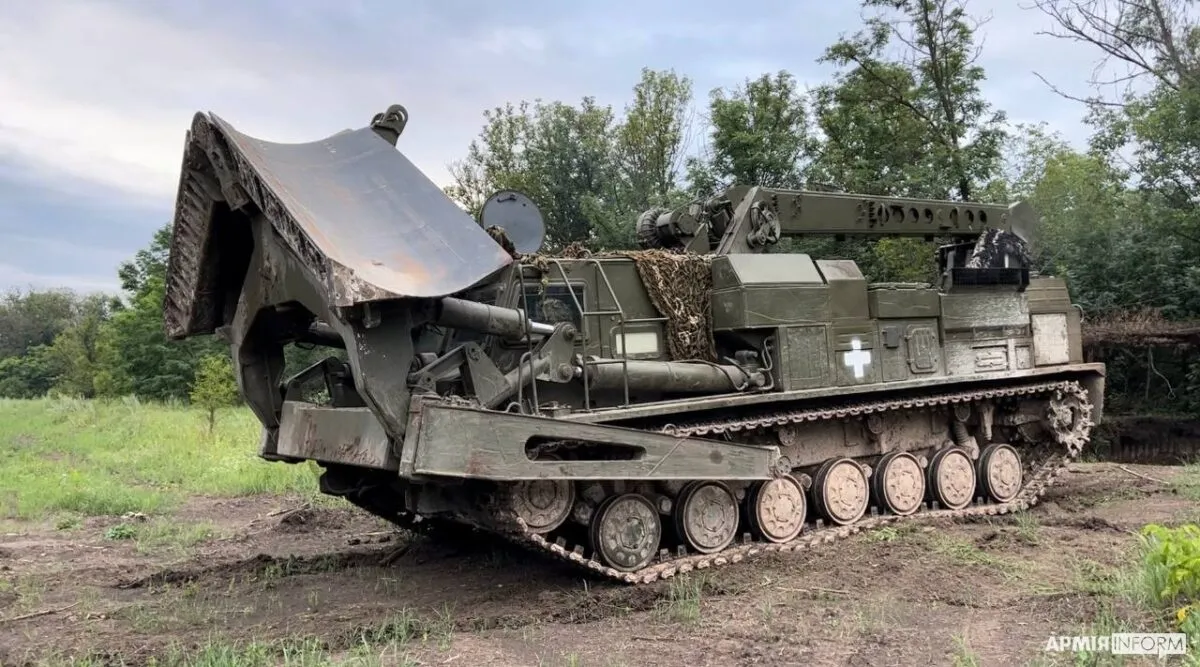


Ukrainian BAT-2 crews cleared and restored routes to forward positions in Donetsk Oblast under artillery, mine, ambush, and drone threats, while Russian and Ukrainian BAT-2 vehicles are visually documented as destroyed, captured, or damaged during the full-scale phase.
Role detailsSupport Equipment
BAT-2
Also known as
- BAT-2 armored tracklayer
- BAT-2 roadmaker
- BAT-2 bulldozer
- BAT-2 engineering bulldozer
- Bulldozer on artillery tractor
- Izdeliye 454
- Object 454
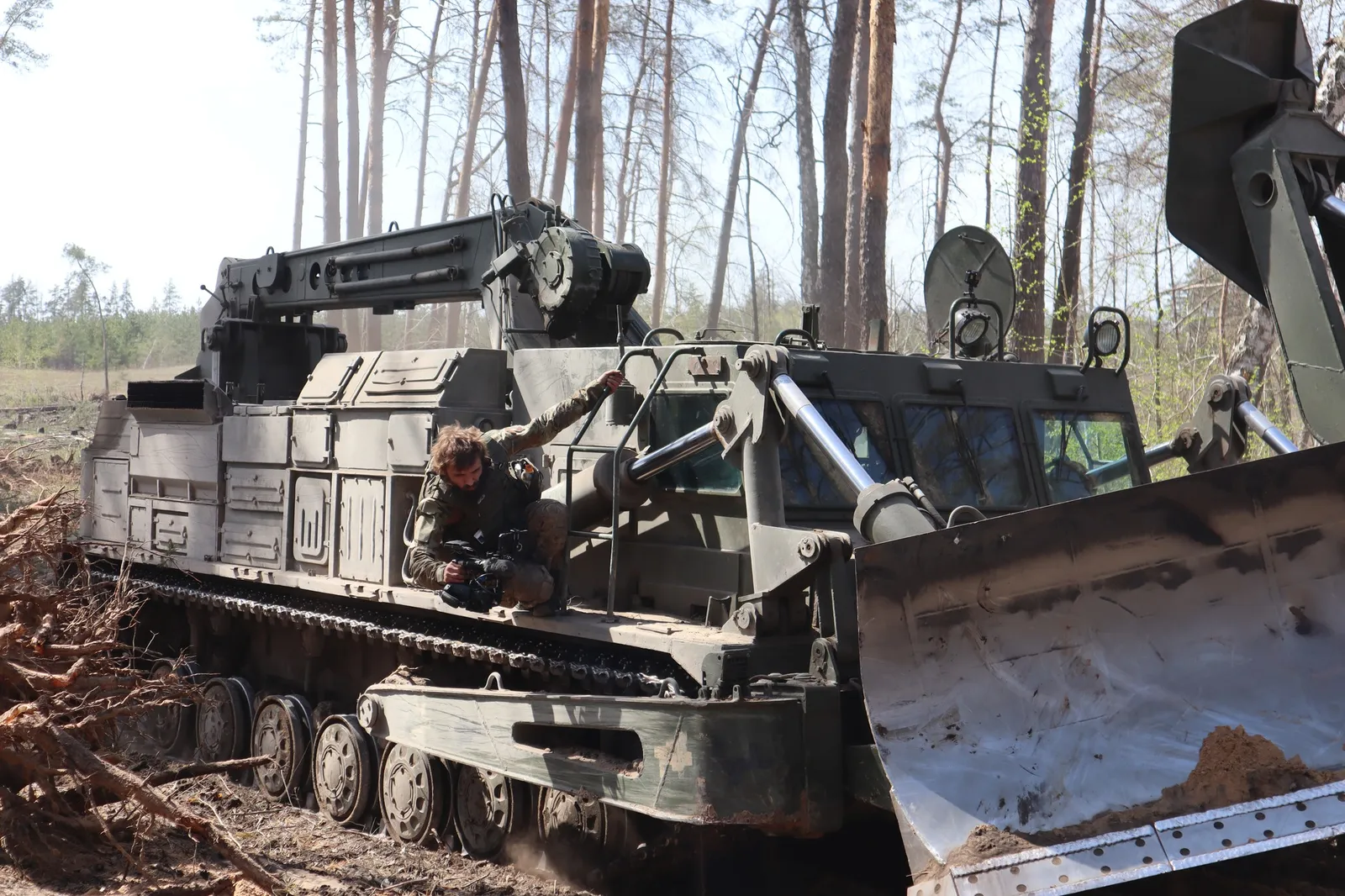
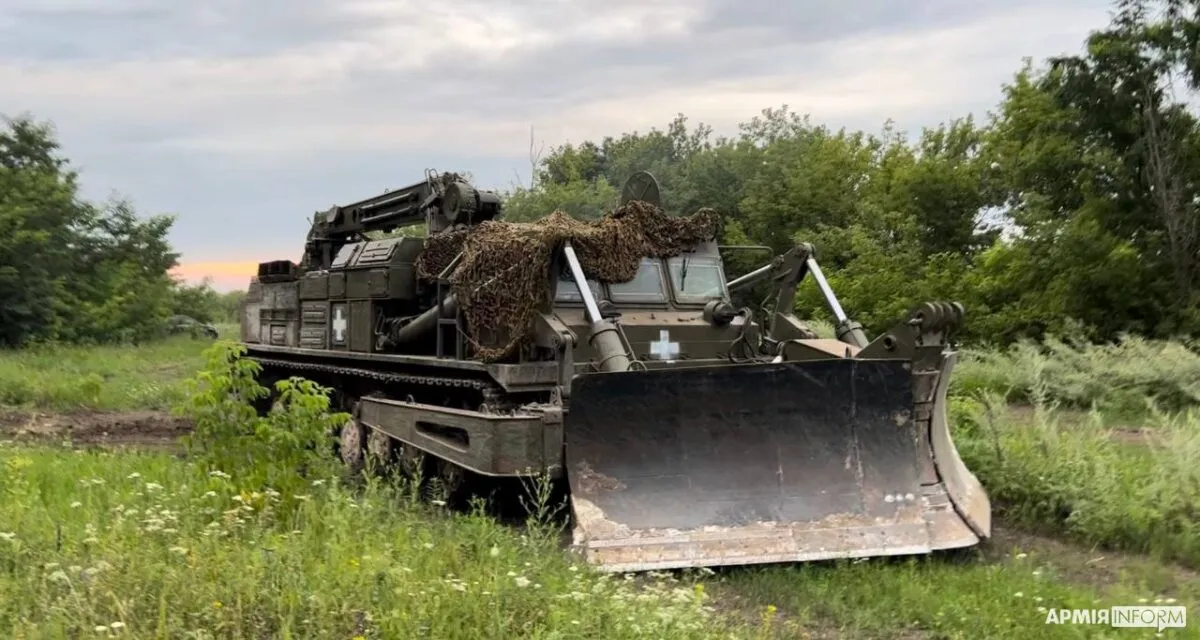
The BAT-2 is a Soviet tracked combat-engineering route-clearance vehicle built around a large adjustable dozer blade, rear crane, and winch for opening and restoring military roads. Ukrainian Army reporting documents BAT-2 crews clearing frontline routes under artillery fire in Donetsk Oblast, while Ukrainian and defense-media reporting documents Russian BAT-2 losses during the full-scale phase of the 2014 Russia-Ukraine War.
Role in Conflicts
Engineering Role
The BAT-2 is most useful as a battlefield mobility machine rather than a direct-fire weapon. Its route-clearing work can keep evacuation, resupply, and forward-position access routes open after shelling, mines, fallen trees, rubble, or snow block movement.
Route work
ArmyInform described Ukrainian crews using the BAT-2 to clear roads, trees, and concrete debris under artillery threat.
Source: ArmyInform Donetsk BAT-2 Report.
Engineering kit
Open references describe a variable-width dozer blade, 2-ton crane, 25-ton winch, and enough protected cabin space for crew plus engineers.
Sources: Deagel BAT-2; Canada BAT-M Roadmaker.
Battlefield target
Ukrainian reporting presents BAT-2 route clearers as priority targets because they restore movement to forward positions and support engineering work near the front.
Sources: ArmyInform Donetsk BAT-2 Report; RBC-Ukraine BAT-2 Lyman Report.
Profile / Specs
Profile
- Origin
- Soviet Union / Ukrainian SSR
- Built by
- Malyshev Plant
- Built in
- Soviet UnionUkraine
- Type
- Tracked combat engineering route-clearance vehicle
- Service note
- Late Soviet engineering vehicle retained by post-Soviet forces and documented in the Russia-Ukraine war.
- Designer
- Kharkiv Morozov Machine Building Design Bureau, Department No. 61 under P. I. Sagir
- Designed
- 1970s/early-1980s development; accepted into service in 1987
- Produced
- Serial production reported from 1988; limited production
Specifications
- Crew and carried engineers
- Crew of 2; carried sapper or engineer detachment reported as 6 to 8 depending source
- Combat weight
- About 39.7 tonnes
- Chassis
- MT-T / T-64-derived tracked heavy tractor chassis reported in open references
- Dimensions
- About 9.64 m long, 4.0 m wide, and 3.69 m high in Russian technical references
- Engine
- V-46-4 diesel reported at 710 hp
- Engineering equipment
- Adjustable dozer blade, rear 2-ton crane, and 25-ton winch
- Ground clearance and pressure
- 425 mm ground clearance and about 0.8 kg/cm2 ground pressure reported by Armforc
- Mobility
- Up to 60 km/h road speed and about 500 km range
- Route-clearing performance
- Reported route-laying speeds range from about 2 to 15 km/h depending task and terrain; Deagel gives specific track-laying rates for ordinary terrain, snow, and tree removal
- Protection
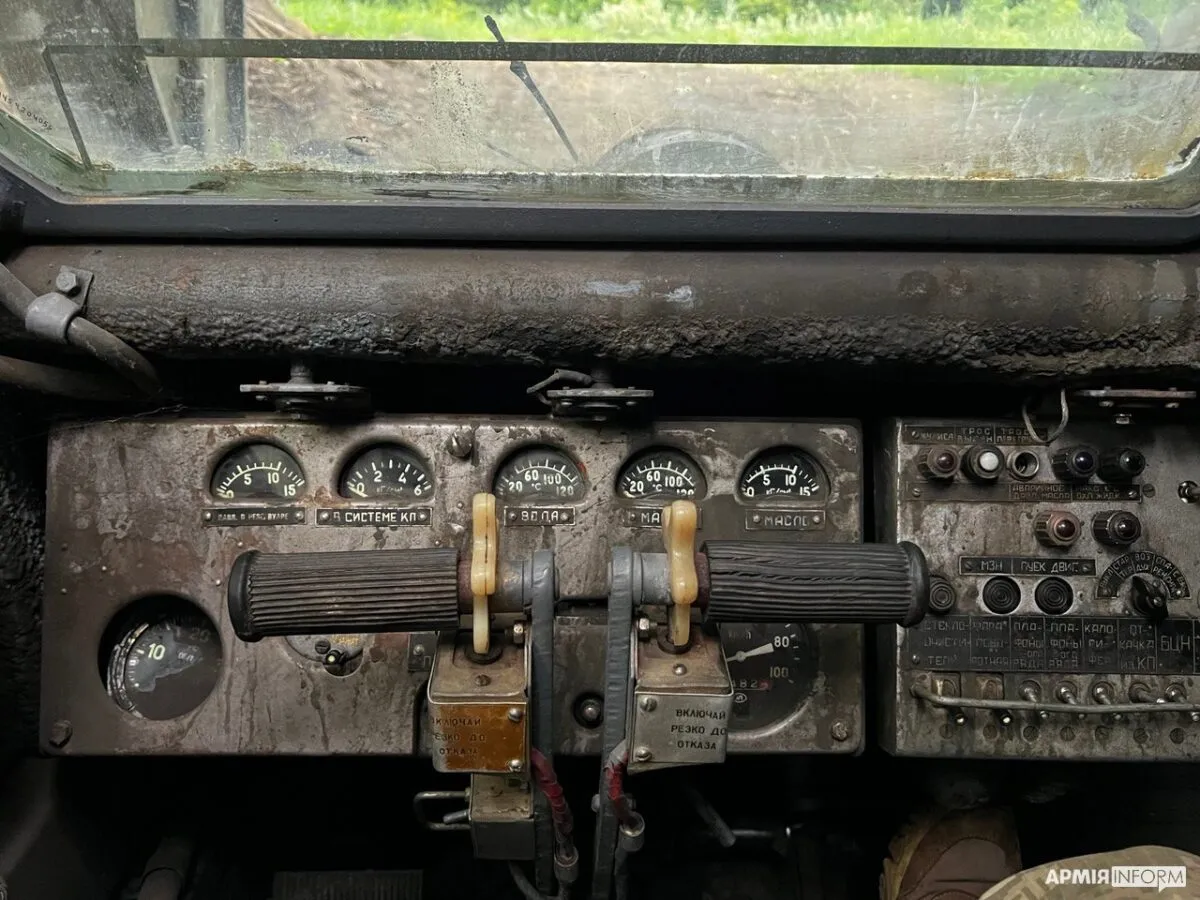
- Armored, sealed cabin with NBC protection reported in specialist references
Design Lineage
BAT-2 design lineage runs through Soviet heavy tracked engineering vehicles rather than tanks alone. Russian technical references identify it as a BAT-M replacement built on the MT-T heavy tractor family, with the factory designation Izdeliye 454 and production organized at the Kharkiv transport-machine-building plant.
Development office
Armforc attributes early-1980s development to Department No. 61 of the Morozov design bureau under P. I. Sagir.
Source: Armforc BAT-2 Technical Profile.
Chassis basis
The BAT-2 used MT-T heavy tractor assemblies, with running gear described in open references as related to the T-64 tracked family.
Sources: Armforc BAT-2 Technical Profile; Deagel BAT-2.
Engineering package
The vehicle combined dozer, grading, crane, ripper, and winch functions for military route preparation and obstacle-clearing work.
Sources: U.S. Army ODIN BAT-2; People's Project BAT-2 Repair Report.
Variants
BAT-2 was the late-Soviet successor to BAT-M, developed on the MT-T heavy tracked prime-mover chassis under the factory/development designation Izdeliye/Object 454.
| Variant | Configuration | Designation notes |
|---|---|---|
| BAT-2 armored tracklayer | Baseline late-Soviet route-clearance vehicle | Specialist references describe the BAT-2 as the heavier successor to the BAT-M with an MT-T/T-64-derived tracked chassis, a larger blade, a 2-ton crane, and a 25-ton winch. Sources: Deagel BAT-2, Armforc BAT-2 Technical Profile |
Timeline
BAT-2 Key Events
BAT-2 accepted into Soviet service
Russian specialist references place service acceptance in 1987 and serial production at the Kharkiv transport-machine-building plant from 1988.
Sources: Vooryzhenie.rf BAT-2
Repaired BAT-2 vehicles handed to Ukrainian forces
People's Project reported that two repaired BAT-2 machines were handed over to Ukraine's armed forces after extensive electrical, cooling-system, fuel-system, welding, and mechanical restoration work.
Sources: People's Project BAT-2 Repair Report
Russian BAT-2 loss reported
Newsweek and Defense Express reported Ukrainian claims that the 79th Air Assault Brigade destroyed a Russian BAT-2 armored tracklayer.
Sources: Newsweek BAT-2 Destruction Report, Defense Express BAT-2 Destroyed
Ukrainian frontline route-clearance work described
ArmyInform reported from a Ukrainian BAT-2 crew working in Donetsk Oblast, where cleared roads supported evacuation, supplies, ammunition movement, and access to forward positions.
Sources: ArmyInform Donetsk BAT-2 Report
Russian BAT-2 hit in the Lyman sector
RBC-Ukraine reported Khortytsia operational-strategic group statements that Ukrainian FPV drone operators destroyed a Russian BAT-2 on the Lyman front.
Sources: RBC-Ukraine BAT-2 Lyman Report
Related Weapon Systems


Sources
ArmyInform Donetsk BAT-2 ReportPublisher: ArmyInform | Note: Supports 2014 Russia-Ukraine War direct conflict use by Ukrainian forces: ArmyInform visited a BAT-2 crew in Donetsk Oblast and described route clearing, road restoration, evacuation and supply-route support, and operating under artillery and drone threat. Also supports the primary image origin and CC BY 4.0 licensing context. | Accessed: 2026-07-05Newsweek BAT-2 Destruction ReportPublisher: Newsweek | Note: Supports 2014 Russia-Ukraine War direct conflict use by Russian forces and Ukrainian targeting: Newsweek reported Ukrainian military imagery and claims that the 79th Air Assault Brigade destroyed a Russian BAT-2 armored tracklayer in June 2022. | Accessed: 2026-07-05Defense Express BAT-2 DestroyedPublisher: Defense Express | Note: Supports 2014 Russia-Ukraine War direct conflict use and captured/destroyed materiel context: Defense Express reported Ukrainian destruction of a Russian BAT-2 and cited Oryx counts of Russian BAT-2 vehicles destroyed or captured during the full-scale war. Also supports BAT-2 background as an MT-T-based armored tracklayer developed by the Kharkiv design bureau and limited Ukrainian holdings. | Accessed: 2026-07-05RBC-Ukraine BAT-2 Lyman ReportPublisher: RBC-Ukraine | Note: Supports 2014 Russia-Ukraine War direct conflict use by Russian forces and Ukrainian targeting: RBC-Ukraine reported Khortytsia statements that Ukrainian FPV operators destroyed a Russian BAT-2 on the Lyman front, and provides background on the vehicle's route-clearing role and Kharkiv design lineage. | Accessed: 2026-07-05Deagel BAT-2Publisher: Deagel | Note: Supports BAT-2 specifications, including crew, carried troops, dimensions, weight, crane and winch capacities, road speed, range, blade work rates, operators, and general engineering role. | Accessed: 2026-07-05U.S. Army ODIN BAT-2Publisher: U.S. Army ODIN / OE Data Integration Network | Note: Supports BAT-2 role and specifications context: the U.S. Army ODIN profile identifies the BAT-2 armored tracklayer as a road and track clearing and grading combat-engineering vehicle able to create graded tracks across terrain and snow. | Accessed: 2026-07-13Canada BAT-M RoadmakerPublisher: Canadian Army | Note: Supports general BAT-2 combat-engineering role context: road and track clearing, grading, earth barriers, ditch work, snow and terrain route creation, and disaster-relief use. The page title is BAT-M Roadmaker but the description text identifies the BAT-2 armored tracklayer. | Accessed: 2026-07-05Armforc BAT-2 Technical ProfilePublisher: Armforc.su | Note: Supports BAT-2 design and technical context, including early-1980s development at the Morozov design bureau's Department No. 61 under P. I. Sagir, Izdeliye 454 factory designation, MT-T chassis basis, 1987 service acceptance, 1988 Kharkiv serial production, and technical data for crew, carried sappers, dimensions, engine, blade, crane, winch, ground clearance, ground pressure, and route-laying performance. | Accessed: 2026-07-13Vooryzhenie.rf BAT-2Publisher: Vooryzhenie.rf | Note: Supports BAT-2 design and production background, including Kharkiv Morozov design attribution, Izdeliye 454 designation context, acceptance into service in 1987, and serial production at Kharkiv transport-machine-building plant from 1988. | Accessed: 2026-07-05People's Project BAT-2 Repair ReportPublisher: People's Project | Note: Supports Ukrainian repair and handover context in 2015, BAT-2 design lineage as an MT-T-based Kharkiv Morozov vehicle, limited-production background, and engineering-equipment details including road clearing, crossing preparation, debris removal, bridge-block handling, trench work, a 2-ton rotating crane, and 25-ton winch. | Accessed: 2026-07-13Oryx Russian BAT-2 LossesPublisher: Oryx | Note: Supports 2014 Russia-Ukraine War direct conflict use and loss/capture context by Russian forces: Oryx lists visually documented Russian BAT-2 heavy engineering vehicles destroyed, damaged, abandoned, or captured during the full-scale phase. | Accessed: 2026-07-13Oryx Ukrainian BAT-2 LossesPublisher: Oryx | Note: Supports 2014 Russia-Ukraine War direct conflict use and loss/capture context by Ukrainian forces: Oryx lists visually documented Ukrainian BAT-2 heavy engineering vehicles destroyed, captured, or damaged and captured during the full-scale phase. | Accessed: 2026-07-13Commons UA BAT-2 01 ImagePublisher: Wikimedia Commons | Note: Supports image provenance and reuse terms for the primary image: Ukrainian BAT-2 in 2023, sourced to ArmyInform and licensed CC BY 4.0. | Accessed: 2026-07-05Commons UA BAT-2 02 ImagePublisher: Wikimedia Commons | Note: Supports gallery image provenance and reuse terms for a Ukrainian BAT-2 image sourced to ArmyInform's July 31, 2023 BAT-2 report and listed in the Commons BAT-2 in Ukrainian service category. | Accessed: 2026-07-13Commons UA BAT-2 03 ImagePublisher: Wikimedia Commons | Note: Supports gallery image provenance and reuse terms for a Ukrainian BAT-2 image dated July 31, 2023, sourced to ArmyInform and licensed CC BY 4.0. | Accessed: 2026-07-13Commons 100th Brigade BAT-2 ImagePublisher: Wikimedia Commons | Note: Supports gallery image provenance and reuse terms: 100th Mechanized Brigade Ukrainian BAT-2 image from June 6, 2024, licensed CC BY 4.0. | Accessed: 2026-07-05