Munitions

B61-12 Joint Test Assembly

Also known as
  • B61-12 JTA
  • B61-12 JTA test asset
  • B61-12 test assembly
  • B61-12 joint test assembly
  • B61-12 inert test unit

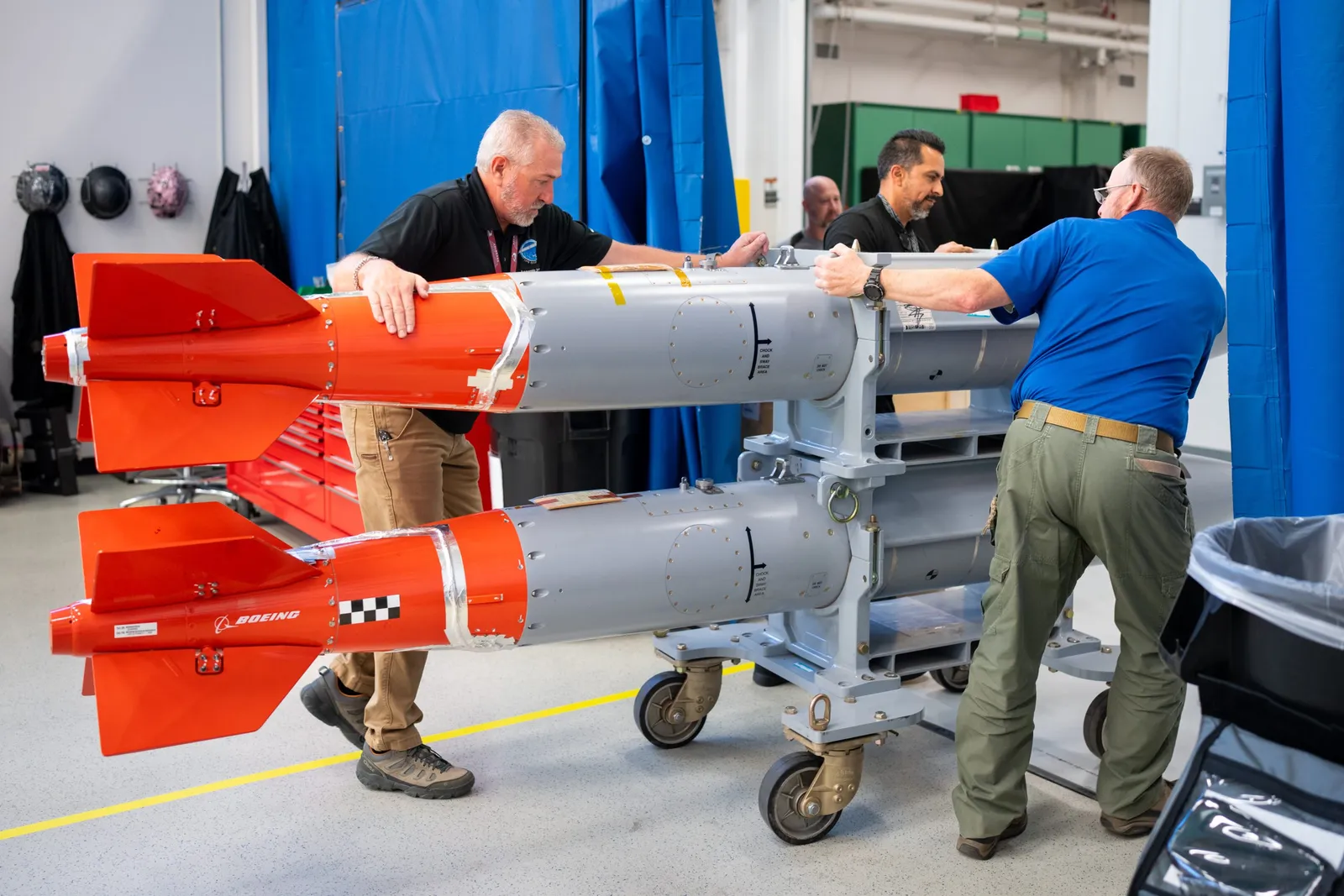
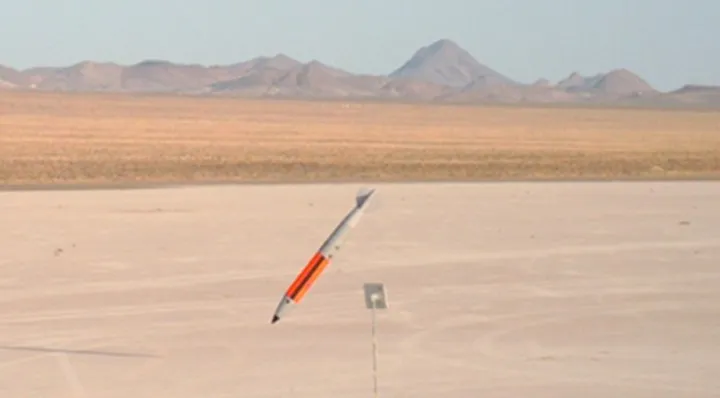
The B61-12 Joint Test Assembly is a U.S. non-nuclear test article that represents the B61-12 nuclear gravity bomb for flight testing, certification, and stockpile surveillance. Sandia, NNSA, and Air Force reporting document B-2A and F-35A JTA releases at Tonopah Test Range, including telemetry checks, operationally realistic flight envelopes, and annual surveillance work after B61-12 production moved into sustainment.

Profile / Specs

Profile

Origin
United States
Type
non-nuclear nuclear-gravity-bomb test assembly
Service note
Modern U.S. nuclear stockpile test article
Designer
Sandia National Laboratories

Specifications

Configuration
Non-nuclear joint test assembly for the B61-12 gravity bomb
Components
Contains non-nuclear and test components rather than a nuclear package
Test role
Flight-test, certification, telemetry, and stockpile-surveillance article
Associated weapon
B61-12 nuclear gravity bomb
Assembly site
Pantex Plant, Amarillo, Texas
Documented test aircraft
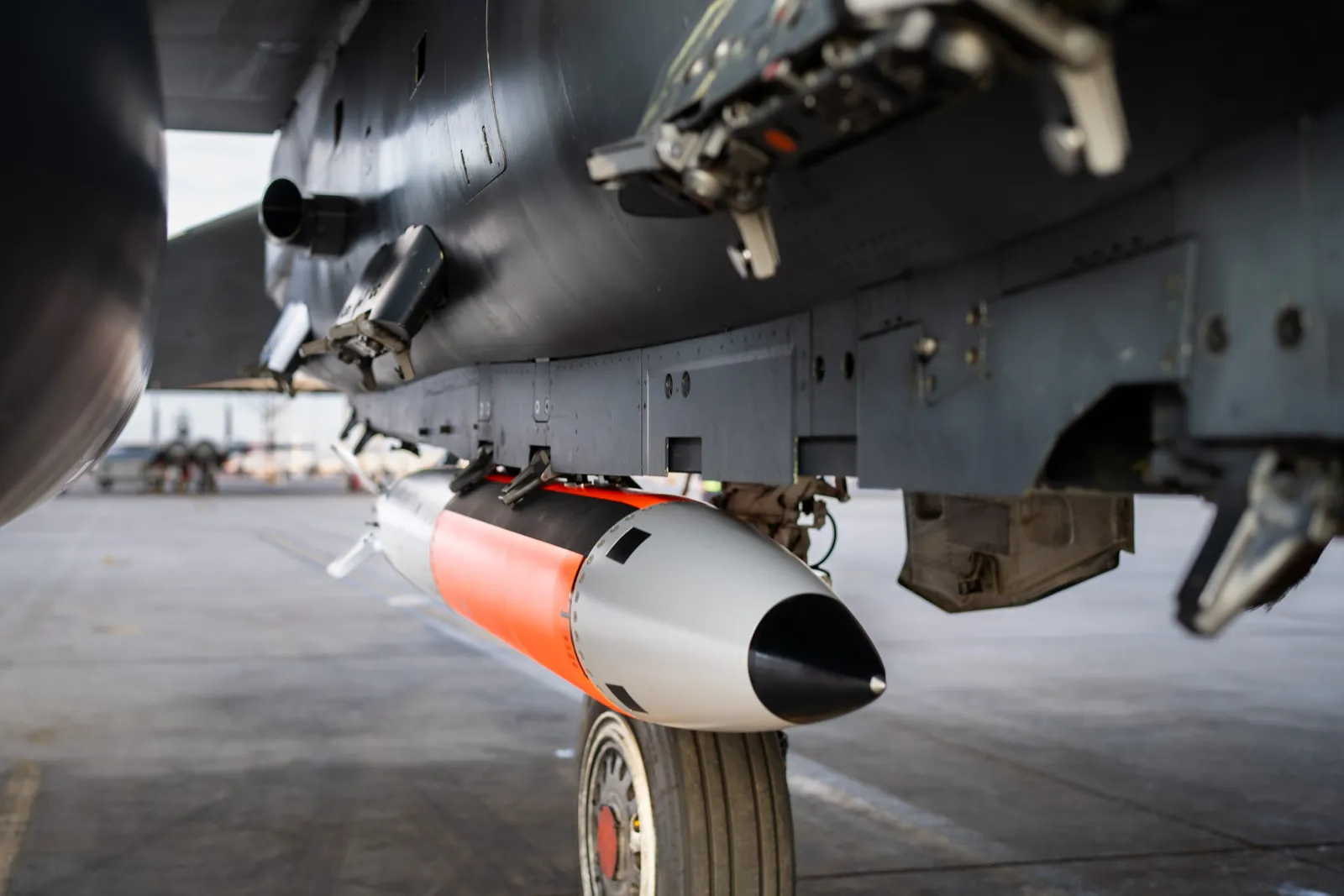
B-2A Spirit, F-35A Lightning II, and F-15E Strike Eagle test events
Documented test range
Tonopah Test Range, Nevada
Surveillance testing
Supports annual NNSA laboratory assessments and Air Force operational evaluation
Test Role And Data Path

The B61-12 JTA gives the Air Force and NNSA laboratories a non-nuclear way to evaluate aircraft carriage, release behavior, interfaces, telemetry, and surveillance requirements for the stockpile weapon.

Test functionDocumented contextPrimary support
Aircraft integrationF-35A, B-2A, and F-15E events exercised representative carriage and release conditions at Tonopah Test Range.U.S. Air Force and Sandia flight-test reports
Telemetry and surveillanceSandia sources describe telemetry checks and annual stockpile-assessment support around JTA flight tests.Sandia telemetry and 2025 stockpile flight-test reporting
Non-nuclear configurationPublic test descriptions identify inert or mock B61-12 test articles, not war-reserve nuclear packages.Sandia F-15E demonstration and F-35 stockpile-test reporting
Associated Weapon Program

This page covers the non-nuclear test assembly rather than the stockpile war-reserve bomb.

Compatible itemItem typeCompatibility evidence
B61-12 Life Extension Program, Nuclear gravity bomb, MunitionsB61-12 Life Extension ProgramNuclear gravity bomb program

The JTA represents the B61-12 system in flight tests, certification events, and surveillance work after the B61-12 Life Extension Program moved from production into sustainment.

Sources: B61-12 system production ends, sustainment begins, B61-12 flight tests yield positive results

Carrier And Test Aircraft

Official Air Force and Sandia reporting ties B61-12 test assets to aircraft-release, carriage, and compatibility events rather than combat employment.

CarrierCarrier typeCarriage evidence
B-2 Spirit, Low-observable strategic heavy bomber, Aircraft & UAVsB-2 SpiritStealth bomber

A B-2A Spirit released a production-unit B61-12 Joint Test Assembly during the June 14, 2022 capstone test at Tonopah Test Range.

Sources: B-2 executes new nuclear tactic in B61-12 JTA capstone test

F-35 Lightning II, Fifth-generation stealth multirole fighter, Aircraft & UAVsF-35 Lightning IIFifth-generation fighter

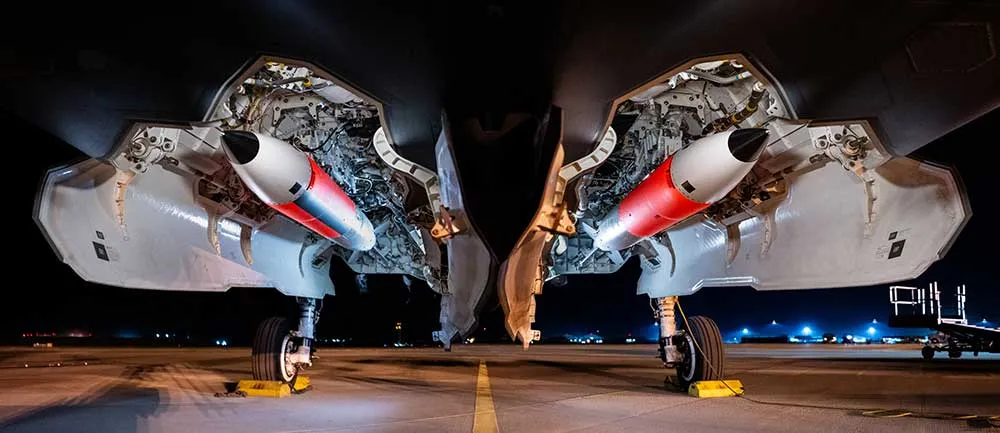
F-35A aircraft released B61-12 JTAs during the September 2021 Full Weapon System Demonstration and later carried and dropped inert B61-12 units in the August 2025 stockpile flight-test series.

Sources: F-35A completes B61-12 design certification test, B61-12 flight tests yield positive results

F-15 family fighter aircraft, Fighter aircraft family, Aircraft & UAVsF-15 family fighter aircraftStrike fighter family

Sandia describes the F-15E demonstration as a full end-to-end B61-12 test using a fully functional inert weapon with non-nuclear and mock nuclear components.

Sources: Flight tests show B61-12 compatible with F-15E Strike Eagle

Timeline

B61-12 Joint Test Assembly Key Events

  1. F-35A design-certification release

    Two F-35A aircraft released B61-12 Joint Test Assemblies at Tonopah Test Range during the F-35A's first Full Weapon System Demonstration.

  2. B-2A production-unit JTA release

    A B-2A Spirit released a B61-12 JTA at Tonopah Test Range using Radar Aided Targeting System support; Air Force reporting described it as the first release of a production-unit B61-12 JTA.

  3. Program shifts into sustainment

    Sandia reported that B61-12 production had ended and sustainment had begun, keeping JTA surveillance and flight-test work central to post-production stockpile assessment.

  4. F-35 stockpile flight-test series begins

    Sandia, NNSA, and Air Force teams began an August 19-21, 2025 series in which inert B61-12 units were carried and dropped by F-35 aircraft from Hill Air Force Base support into Tonopah Test Range.

  5. Thermal-preconditioned F-35 JTA drop

    The 2025 series included a B61-12 Joint Test Assembly released from an F-35 after thermal preconditioning, with Sandia describing the event as a first for F-35 carriage.

Media
Related Weapon Systems
W80-4 Life Extension Program, Nuclear warhead life-extension program, MunitionsMunitionsW80-4 Life Extension ProgramNuclear warhead life-extension programThe W80-4 Life Extension Program is the National Nuclear Security Administration modernization path for extending the W80-1 cruise-missile warhead into the U.S. Air Force Long Range Standoff Weapon. Official NNSA, Sandia, LLNL, GAO, and congressional-budget sources frame it as a stockpile life-extension program rather than a conflict-use weapon: the design moved into Phase 6.4 production engineering in March 2023, a first canned subassembly was certified at Y-12 in September 2025, and full-warhead first production remains scheduled for 2027.
AGM-179A JAGM, Air-to-surface precision-guided missile, MunitionsMunitionsAGM-179A JAGMAir-to-surface precision-guided missileThe AGM-179A Joint Air-to-Ground Missile is a U.S. air-to-surface precision munition that combines a semi-active laser and millimeter-wave seeker with Hellfire Romeo missile sections for use from AH-64E Apache and AH-1Z Viper helicopters. Its public conflict record is narrow: defense reporting has identified it as the probable missile in the January 2020 Baghdad strike that killed Qassem Soleimani, while official U.S. confirmation of the munition type remains absent.
Joint Direct Attack Munition (JDAM) guidance kit, GPS/INS guidance tail kit for free-fall bombs, MunitionsMunitionsJoint Direct Attack Munition (JDAM) guidance kitGPS/INS guidance tail kit for free-fall bombsJoint Direct Attack Munition (JDAM) is Boeing's U.S.-origin GPS/INS tail-kit family for converting compatible Mk 80- and BLU-series free-fall bomb bodies into all-weather guided bombs. The family spans 500-, 1,000-, and 2,000-pound bomb-body classes, with standard GBU-31, GBU-32, and GBU-38 records separated from later Laser JDAM and JDAM-ER derivatives. Official Air Force and Navy records document JDAM's 1999 combat debut with NATO B-2 operations during Operation Allied Force.
GBU-31 JDAM (Mk 84 / BLU-109), 2,000-pound GPS/INS-guided bomb configuration, MunitionsMunitionsGBU-31 JDAM (Mk 84 / BLU-109)2,000-pound GPS/INS-guided bomb configurationThe GBU-31 JDAM is the 2,000-pound Joint Direct Attack Munition configuration built around Boeing's GPS/INS tail kit and either a Mk 84-class general-purpose bomb body or a BLU-109 hard-target penetrator body. U.S. military and Federal Register sources distinguish the KMU-556 Mk 84 configuration from the KMU-557 BLU-109 configuration, while direct conflict-use reporting traces GBU-31/JDAM employment from Kosovo and Afghanistan to Iraq, Yemen, Operation Inherent Resolve, the Israel-Hamas war, and the 2025 Israel-Iran conflict.

Sources