- Side
- Iraq

Specialist weapon references identify ASTROS II combat service with Iraqi forces during the 1980 Iran-Iraq War, where Iraq fielded the system as long-range multiple-rocket artillery.
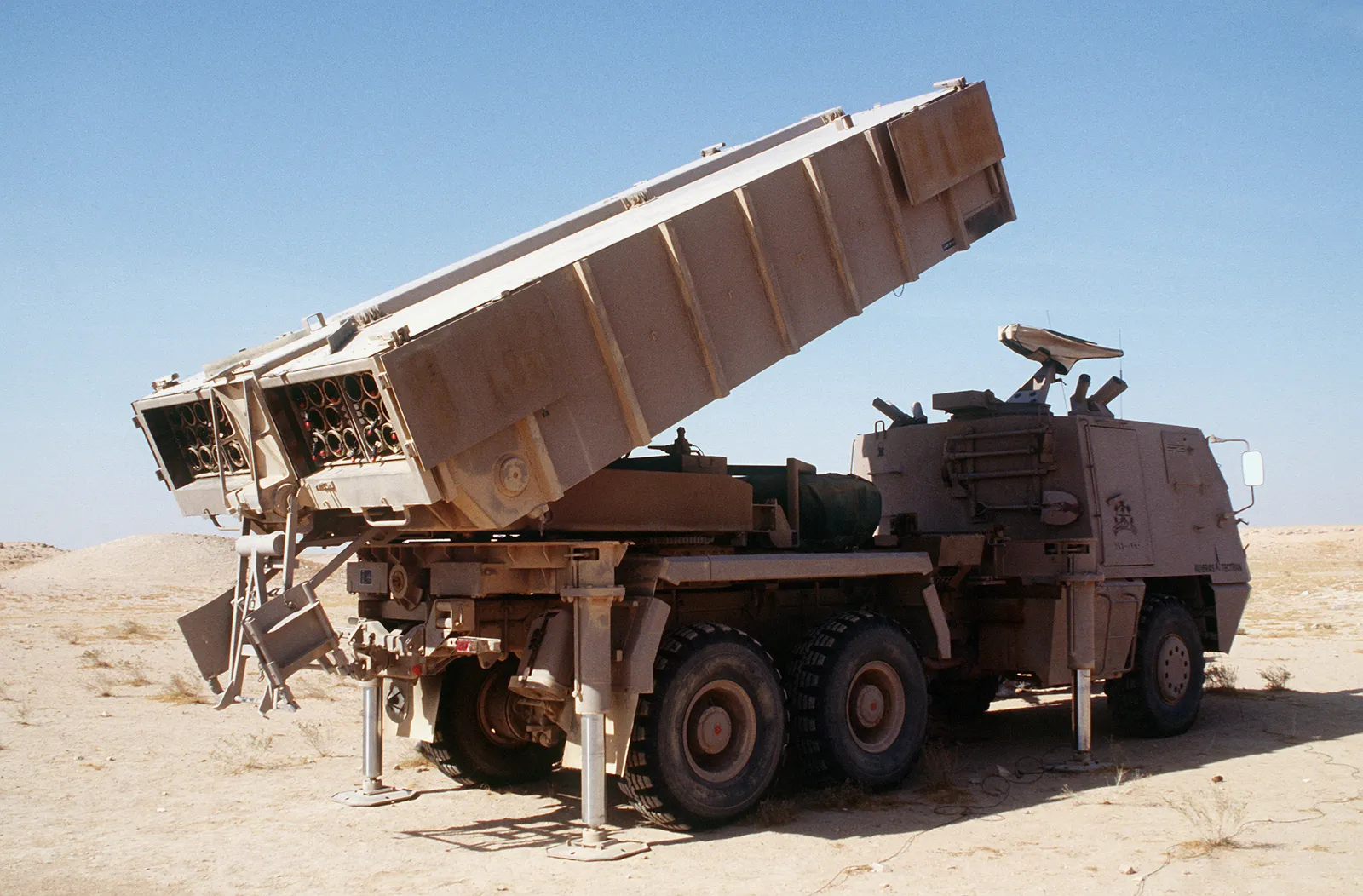
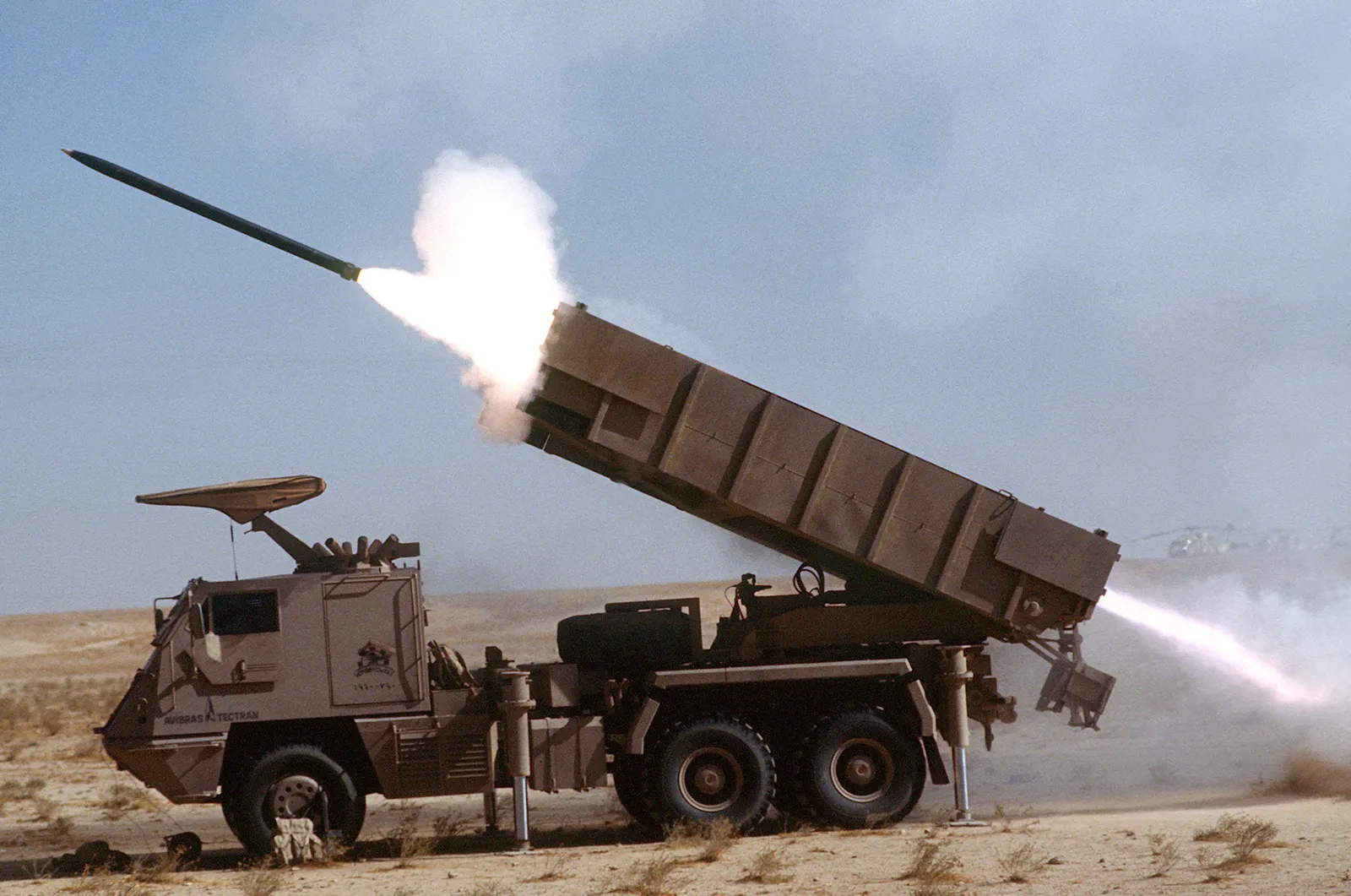
The ASTROS II is a Brazilian Avibras wheeled multiple launch rocket system built around modular launch boxes for SS-series artillery rockets. It appears in this catalog through Iraqi use in the Iran-Iraq War, Saudi and Iraqi Gulf War service, and documented Saudi-led coalition ASTROS cluster-rocket evidence in Yemen.
Specialist weapon references identify ASTROS II combat service with Iraqi forces during the 1980 Iran-Iraq War, where Iraq fielded the system as long-range multiple-rocket artillery.
The Monitor documents Saudi ASTROS multi-barrel rocket launchers firing cluster munitions against Iraqi forces at Khafji in January 1991, while specialist references also describe ASTROS II use by Iraq during the Gulf War.
Role detailsHuman Rights Watch, Amnesty International, ARES, and the Monitor documented Brazilian ASTROS cluster munition rocket evidence in Saudi-led coalition attacks in Yemen, including SS-60/SS-80-family remnants and multiple Saada governorate strikes from 2015 to 2017.
Role detailsASTROS II is the baseline Avibras launcher family; ASTROS 2020 / Mk6 is treated here as a modernized configuration rather than a separate catalog record.
| Variant | Configuration | Designation notes |
|---|---|---|
| ASTROS 2020 / ASTROS II Mk6 | Modernized digital configuration | Forecast International describes ASTROS 2020 as an improved all-digital ASTROS II variant compatible with the AV-TM cruise missile, with Brazilian and Indonesian Mk6 procurement milestones in the 2010s. |
The launcher family is defined by modular rocket loads, while the catalog's separate munition page tracks the SS-60 Mk4 cluster-rocket evidence from Yemen.
| Launched item | Item type | Launch evidence |
|---|---|---|
 | 300 mm ASTROS cluster rocket | ASTROS II launchers fire 300 mm SS-60-class rockets, and Yemen investigations connect Brazilian ASTROS cluster rockets with SS-60 or SS-80 cargo-rocket remnants. Sources: ASTROS Rocket Family, Brazilian SS-60 Cargo Rockets Employed in Yemen |
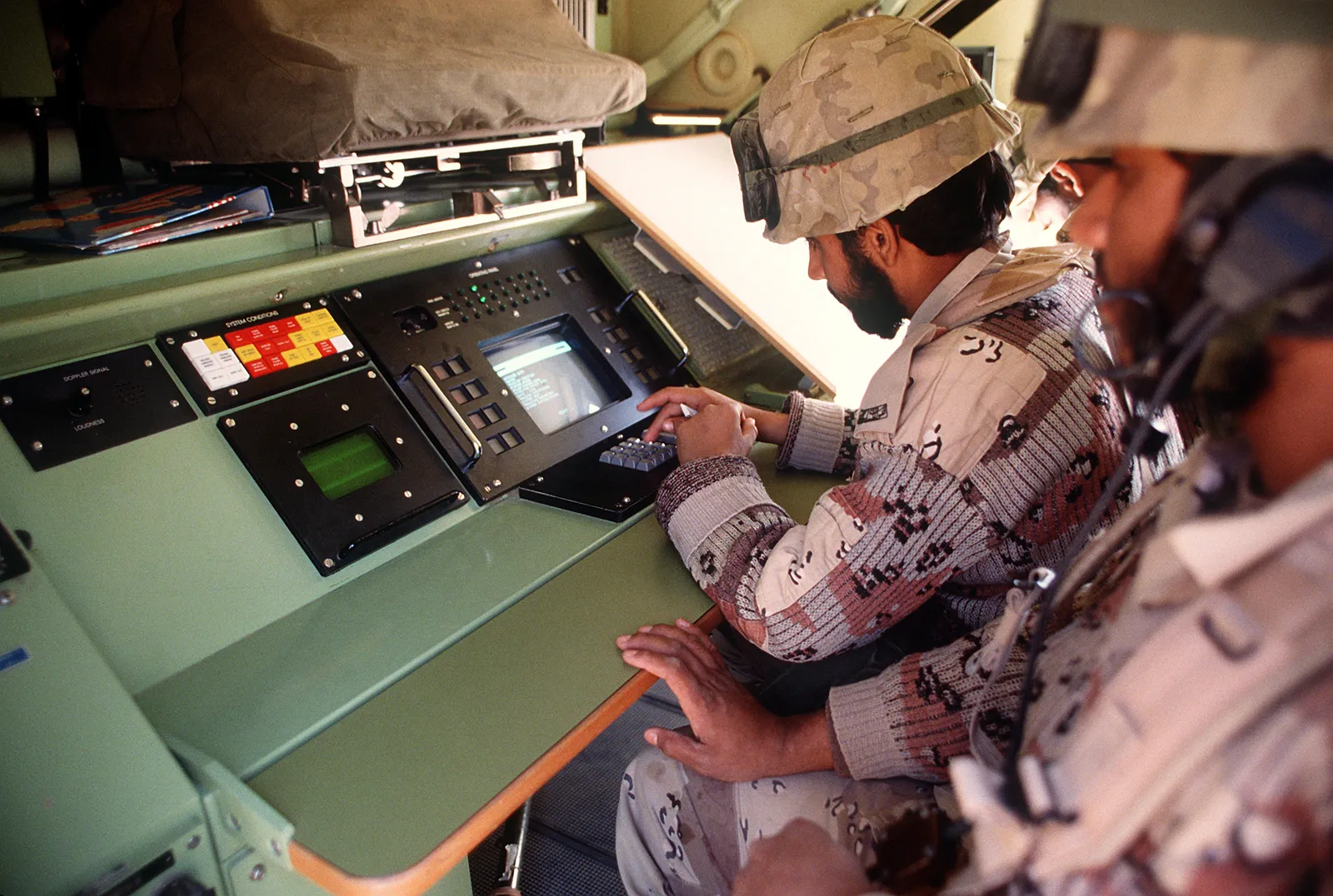
ASTROS II is a battery system rather than a single truck: the launcher, reload, fire-control, command, weather, and support vehicles work together to plan, fire, and reload rocket missions.
| Vehicle | Role | Catalog context |
|---|---|---|
| AV-LMU | Launcher | Universal launcher vehicle carrying four reload boxes for SS-series rockets. |
| AV-RMD | Transloader | Reload vehicle carrying additional launch boxes and a crane for resupply. |
| AV-UCF | Fire control | Radar/fire-control vehicle used to support rocket adjustment and counter-battery functions. |
| AV-VCC | Command | Command-and-control vehicle used to coordinate batteries and fire missions. |
| AV-MET / support vehicles | Weather and maintenance | Weather, workshop, and support vehicles provide firing-data and field-service context for the launcher fleet. |
The classic ASTROS II rocket family uses containerized launch boxes. The 300 mm SS-60 and SS-80 are especially important to the Yemen evidence because investigators could narrow some remnants to that family.
| Rocket | Caliber | Documented role |
|---|---|---|
| SS-30 | 127 mm | Smallest classic ASTROS rocket, carried eight per reload box and normally fired in 32-round launcher loads. |
| SS-40 | 180 mm | Medium rocket carried four per reload box, with submunition-capable warhead options in reference sources. |
| SS-60 | 300 mm | Long-range 300 mm rocket carried one per reload box; the catalog links the SS-60 Mk4 cluster-rocket page for the Yemen munition evidence. |
| SS-80 | 300 mm | Extended-range 300 mm rocket with reduced warhead space compared with SS-60, reported at up to 90 km in specialist references. |
| AV-TM / MTC-300 | 450 mm class | ASTROS 2020 missile-integration context, not part of the original unguided SS-series rocket load. |
Avibras developed the Brazilian ASTROS II family in the early 1980s as a modular multiple rocket launcher able to carry several rocket calibers on the same launcher vehicle.
Sources: ASTROS II
Forecast International and Weaponsystems.net identify ASTROS II combat use with Iraqi forces during the Iran-Iraq War.
Sources: ASTROS Multiple Launch Rocket Systems, ASTROS II
The Monitor reports Saudi cluster-munition fire from ASTROS multi-barrel rocket launchers against Iraqi forces during the battle of Khafji.
Sources: The Monitor Saudi Arabia Cluster Munition Ban Policy
Forecast International reports that Brazil awarded Avibras an initial ASTROS 2020 development contract in August 2011.
Sources: ASTROS Multiple Launch Rocket Systems
Forecast International reports a Brazilian procurement contract for three ASTROS 2020 batteries in June 2012.
Sources: ASTROS Multiple Launch Rocket Systems
The Monitor and Human Rights Watch document Brazilian ASTROS cluster munition rocket evidence from Saudi-led coalition attacks in Yemen, including February 2017 Saada governorate incidents.
Sources: The Monitor Saudi Arabia Cluster Munition Ban Policy, Yemen: Cluster Munitions Wound Children
Forecast International reports delivery of 27 ASTROS II Mk6 launchers and associated ammunition to the Indonesian Army in June 2020.
Sources: ASTROS Multiple Launch Rocket Systems