Air Defense

Aster 30 / Sea Viper air-defense missile

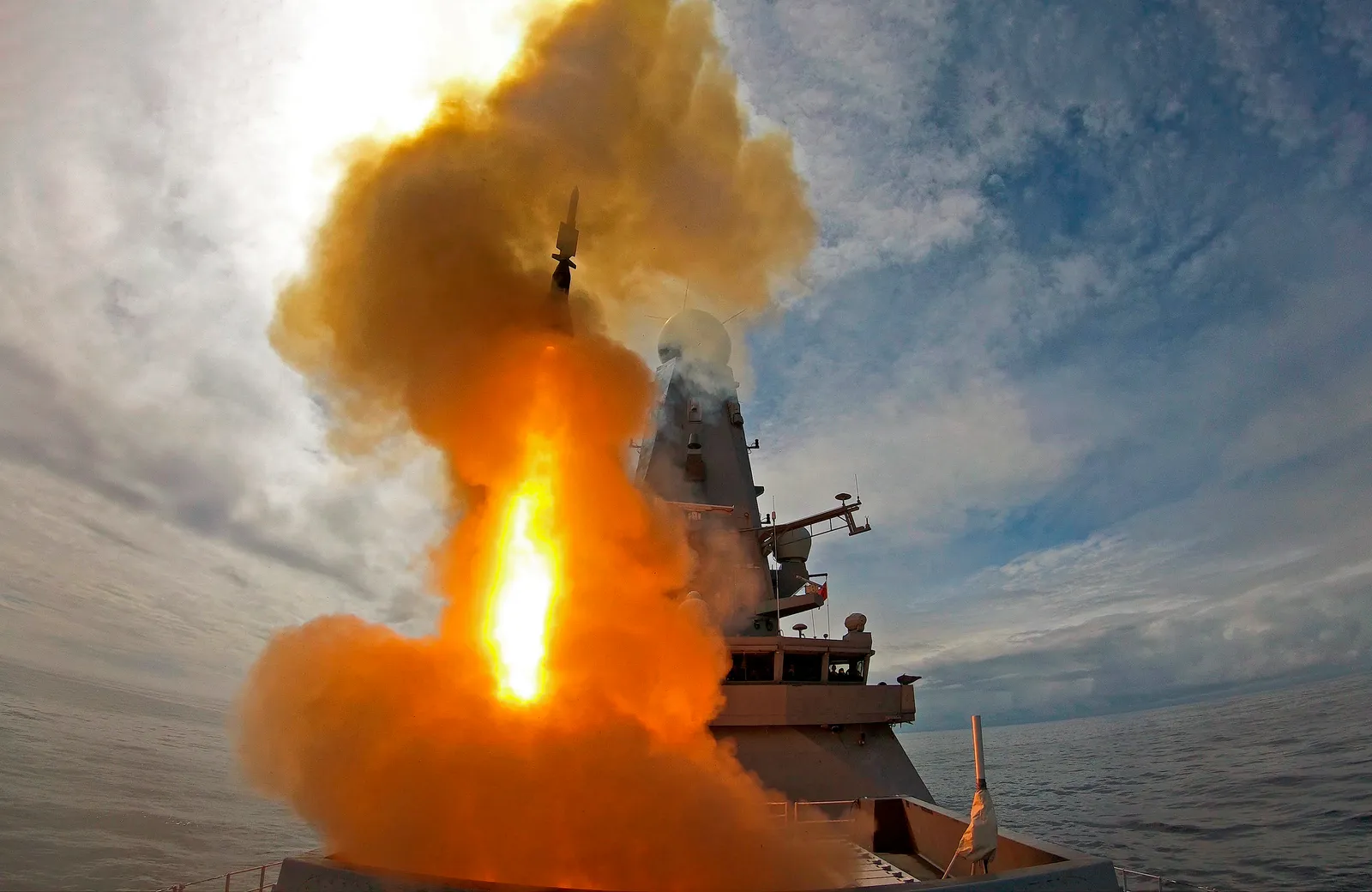
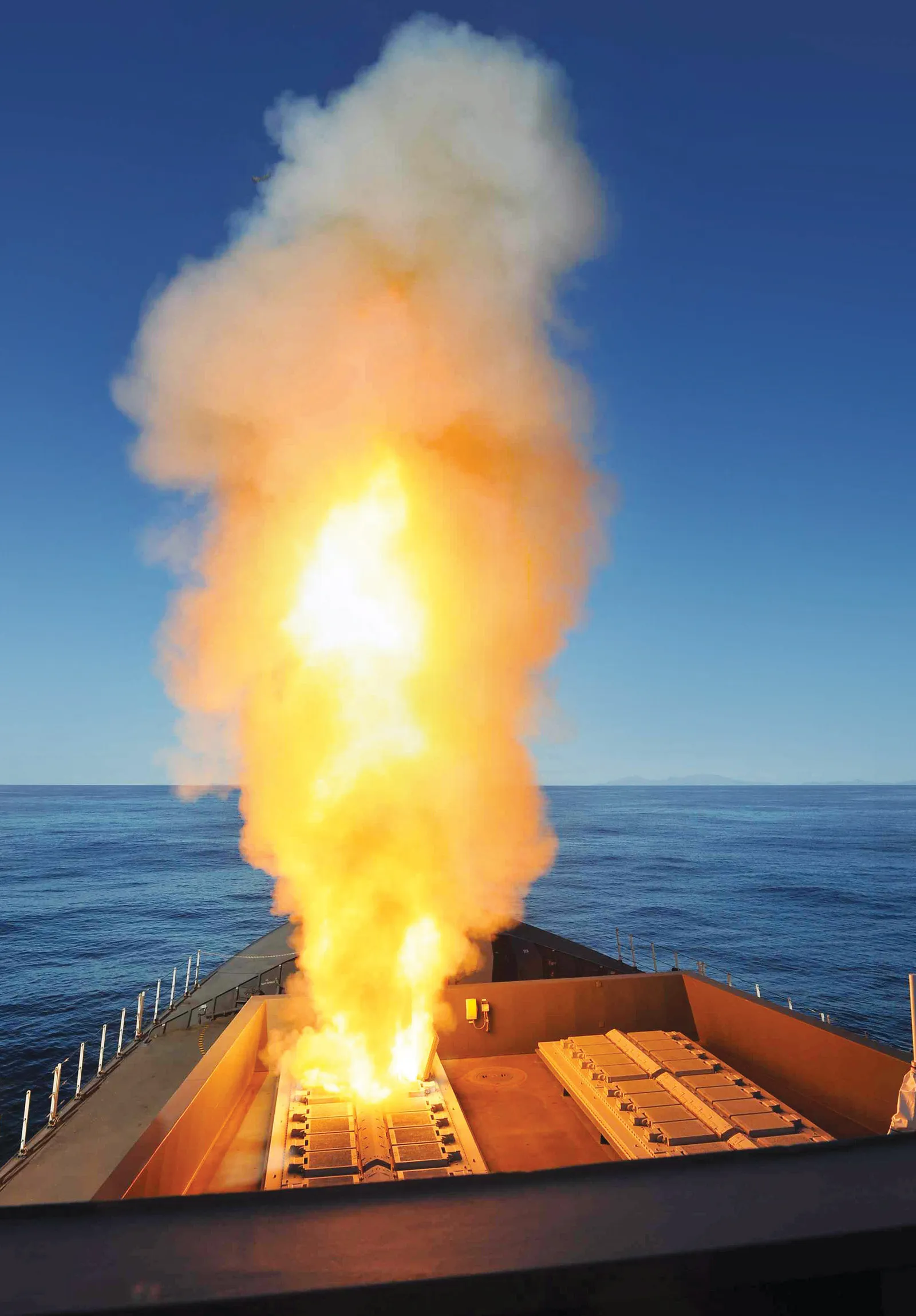
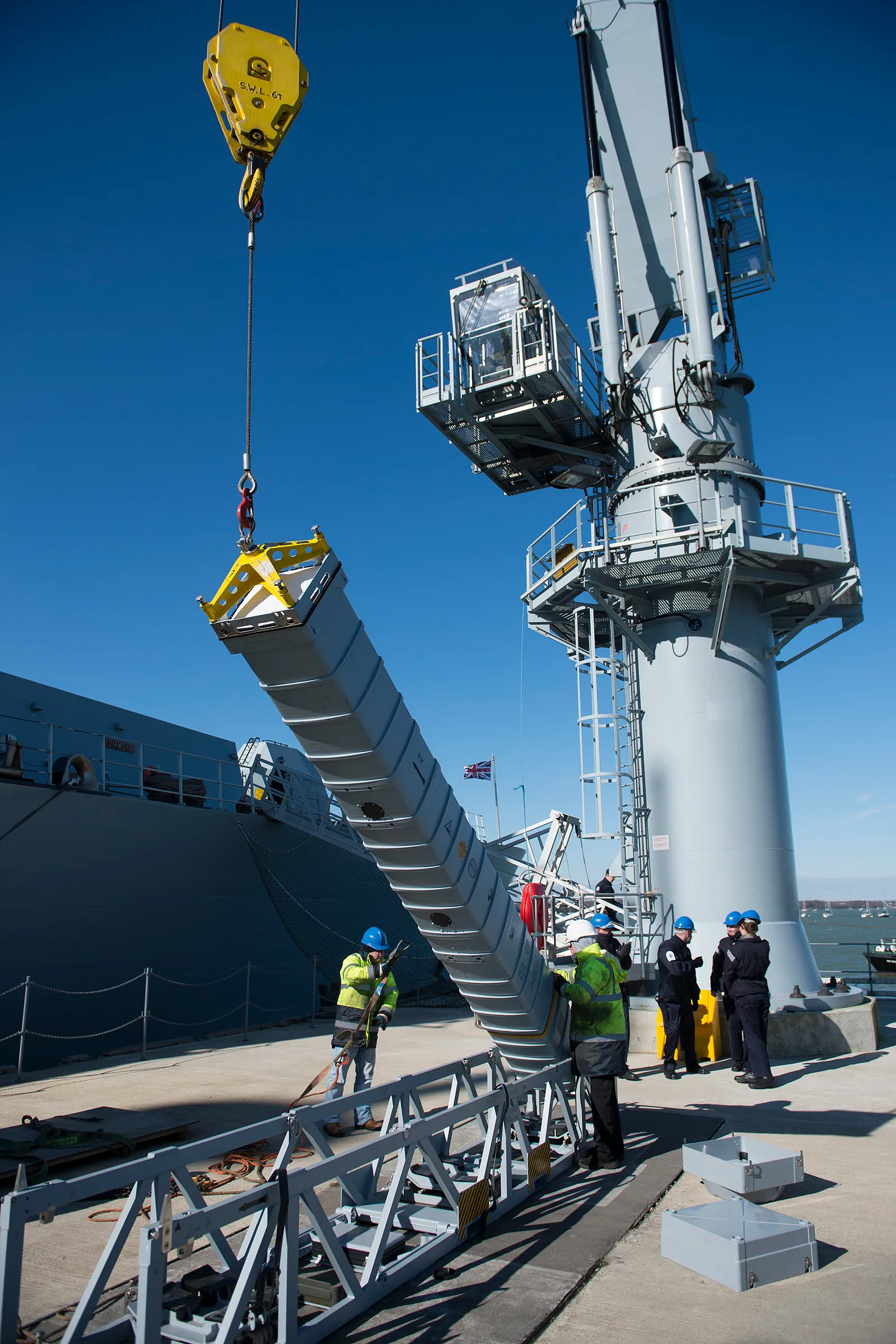
Aster 30, fielded by the Royal Navy as Sea Viper, is a vertically launched naval air-defense missile system used to protect Type 45 destroyers and nearby shipping from drones, aircraft, and missile threats.

Conflict side
United Kingdom
Built by
MBDA
Built in
France, Italy, and United Kingdom

Profile

Type
Ship-launched surface-to-air missile system
Conflict side
United Kingdom
Origin
France, Italy, and United Kingdom
Service note
In service since 2010; documented in Red Sea Crisis operations
air defensenavalmissilesurface-to-airroyal navytype 45 destroyer

Service History

In service
Sea Viper is the Royal Navy name for the Aster-based area air-defense system on Type 45 destroyers.
Used by
Royal Navy
Wars
Red Sea Crisis

Production History

Designer
Eurosam / MBDA
Designed
1990s
Built by
MBDA
Built in
France, Italy, and United Kingdom
Unit cost
Not publicly stated
Produced
2000s-present
Number built
Not publicly stated
Variants
Aster 30, Sea Viper, Aster 30 Block 1, Aster 30 Block 1 NT

Specifications

Weight
About 450 kg
Length
About 4.9 m
Range
Class 120-150 km depending on variant and source
Speed
Up to about Mach 4.5
Launch
Vertically launched from shipboard Sylver cells

Conflict Usage

Red Sea Crisis
Side: United KingdomRole: Shipborne fleet air defense interceptorair defense

In the Red Sea Crisis, HMS Diamond used Sea Viper/Aster 30 missiles to shoot down Houthi drones and a missile while protecting merchant shipping.

Aster 30 / Sea Viper air-defense missile Images

Related Weapon Systems

S-75 Dvina / SA-2 Guideline, High-altitude surface-to-air missile system, Air DefenseAir DefenseS-75 Dvina / SA-2 GuidelineHigh-altitude surface-to-air missile systemThe S-75 Dvina, known to NATO as the SA-2 Guideline, is a Soviet command-guided, high-altitude surface-to-air missile system built around fixed or semi-mobile launch sites, acquisition radar, and Fan Song guidance radar. In the Yemen Civil War, Houthi-aligned forces are documented as having inherited SA-2/S-75 stocks and converting some surviving missiles into Qaher and Muhit strike missiles, while the operational status of intact SA-2 SAM batteries remains uncertain.

Sources