Air Defense

39N6 Kasta-2E2 surveillance radar

Also known as
  • 39N6
  • 39N6E
  • 39N6 Kasta-2E2
  • 39N6E Kasta-2E2
  • 39N6 Kasta-2-2
  • 39N6E Kasta-2-2
  • Kasta-2E2
  • Kasta 2E2
  • Kasta-2-2
  • Casta-2E2
  • Casta 2E2
  • 39Н6
  • 39Н6Е
  • Squat Eye
  • Squat Eye E
  • Flat Face-E

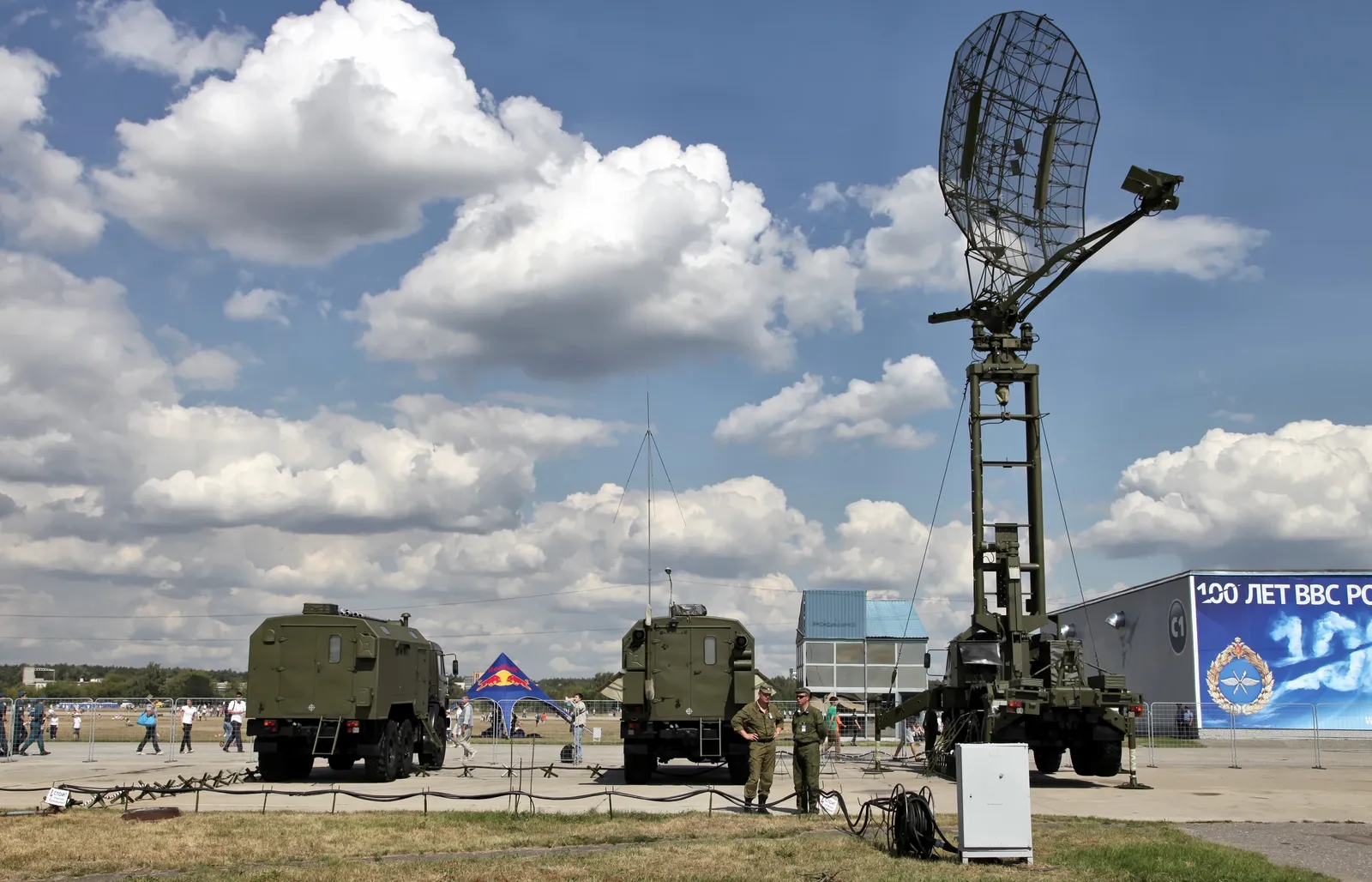
The 39N6 Kasta-2E2 is a Russian mobile 3D low-altitude air-surveillance radar in the Kasta family, intended to detect and track aircraft, helicopters, drones, and cruise missiles while feeding air-defense command networks. It is distinct from the older 35N6/51U6 Kasta-2E1 branch and has been documented as a Russian radar target in occupied Ukraine, Crimea, Zaporizhzhia, and southern Russia during the 2014 Russia-Ukraine War.

Role in Conflicts

Side
Russia

Russian forces have fielded Kasta-2E2 radars as air-defense surveillance assets during the war. Ukrainian military-intelligence reporting documents a February 2024 strike on a Russian Kasta-2E2 monitoring airspace near Kharkiv and Sumy, later GUR strike reports in occupied Crimea, and secondary reporting on additional Kasta-2E2 strikes near Yevpatoria, Anapa, and other Russian air-defense sites.

Role details
Profile / Specs

Profile

Origin
Russia
Built by
Almaz-Antey
Type
Mobile 3D low-altitude air-surveillance radar
Service note
Post-Soviet Kasta family radar documented in Russian service and as an export system, with repeated Russian losses and strike reports during the full-scale phase of the Russia-Ukraine War
Designer
VNIIRT
Produced
Post-Soviet Kasta-2E2 production and export period

Specifications

Radar role
Mobile automated solid-state 3D low-altitude surveillance radar for air surveillance, range/azimuth/altitude measurement, target tracking, and air-defense network cueing
Radar band
Decimetric / UHF waveband
Surveillance coverage
5-150 km range, 360 degrees azimuth, and up to 6 km altitude in Rosoboronexport Kasta-2E2 data
Target set
Aircraft, helicopters, unmanned aerial vehicles, cruise missiles, and other low- or extremely-low-altitude air targets
Detection range, 2 m2 RCS target
41 km at 100 m altitude with organic antenna; 55 km at 100 m with 50 m mast; 95 km at 1,000 m with either antenna arrangement
Detection range, 0.3 m2 RCS target
30 km at 60 m altitude with organic antenna; 44 km at 60 m with 50 m mast
Scan period
5 or 10 seconds
Positioning accuracy
100 m range, 40 angular minutes azimuth, and 900 m altitude
Clutter suppression
54 dB suppression ratio of detail reflections
Deployment time
20 minutes emplacement / displacement time
Crew
2 operators
Transport units
Three vehicles
Power consumption
23 kW maximum in Radartutorial Kasta-2E2 data
Related designation boundary
Later 39N6/39N6E Kasta-2E2 or Kasta-2-2 branch, distinct from the older 35N6/51U6 Kasta-2E1 branch
Low-Altitude Air-Defense Role

The Kasta-2E2 fills a sensor role rather than a firing role. Open radar references describe it as a mobile 3D low-altitude surveillance radar, and Rosoboronexport describes the related Casta-VME export radar as a decimeter-band system for air-defense, coastal-defense, border-control, air-traffic, and airfield airspace-control tasks.

Sensor task

Airspace monitoring, coordinate measurement, target tracking, identification support, and flight-information reporting for low-altitude air targets.

Target set

Aircraft, helicopters, unmanned aircraft, cruise missiles, and other low-flying air targets in cluttered terrain or passive-interference conditions.

Conflict relevance

Ukraine-war reporting treats Russian Kasta-2E2 radars as high-value surveillance nodes whose loss can degrade local air-defense awareness.

Variants

Kasta-family designations are easily conflated. This entry covers the later 39N6/39N6E Kasta-2E2 or Kasta-2-2 branch; the existing 35N6 record covers the older 51U6/Kasta-2E1 branch.

VariantConfigurationDesignation notes
39N6 / Kasta-2-2Russian-service baseline designation

Russian-language references and open radar references identify 39N6 Kasta-2-2 as the domestic branch, with 39N6E Kasta-2E2 used for the export-marketed form.

Sources: Radartutorial 39N6 Kasta-2E2

39N6E / Kasta-2E2Export designation

Archived Rosoboronexport material markets Kasta-2E2 as a low-altitude all-round 3D surveillance radar, while Radartutorial and Commons identify 39N6E as the Kasta-2E2 designation.

Sources: Radartutorial 39N6 Kasta-2E2, Rosoboronexport Kasta-2E2 PDF

35N6 Kasta surveillance radar, Mobile low-altitude air-surveillance radar, Air Defense35N6 Kasta surveillance radarEarlier Kasta-2E1 family branch

The older 35N6/51U6 Kasta-2E1 branch is a related Kasta-family radar, but open references distinguish it from the later 39N6/Kasta-2E2 system.

Sources: Radartutorial 39N6 Kasta-2E2

Timeline

39N6 Kasta-2E2 surveillance radar Key Events

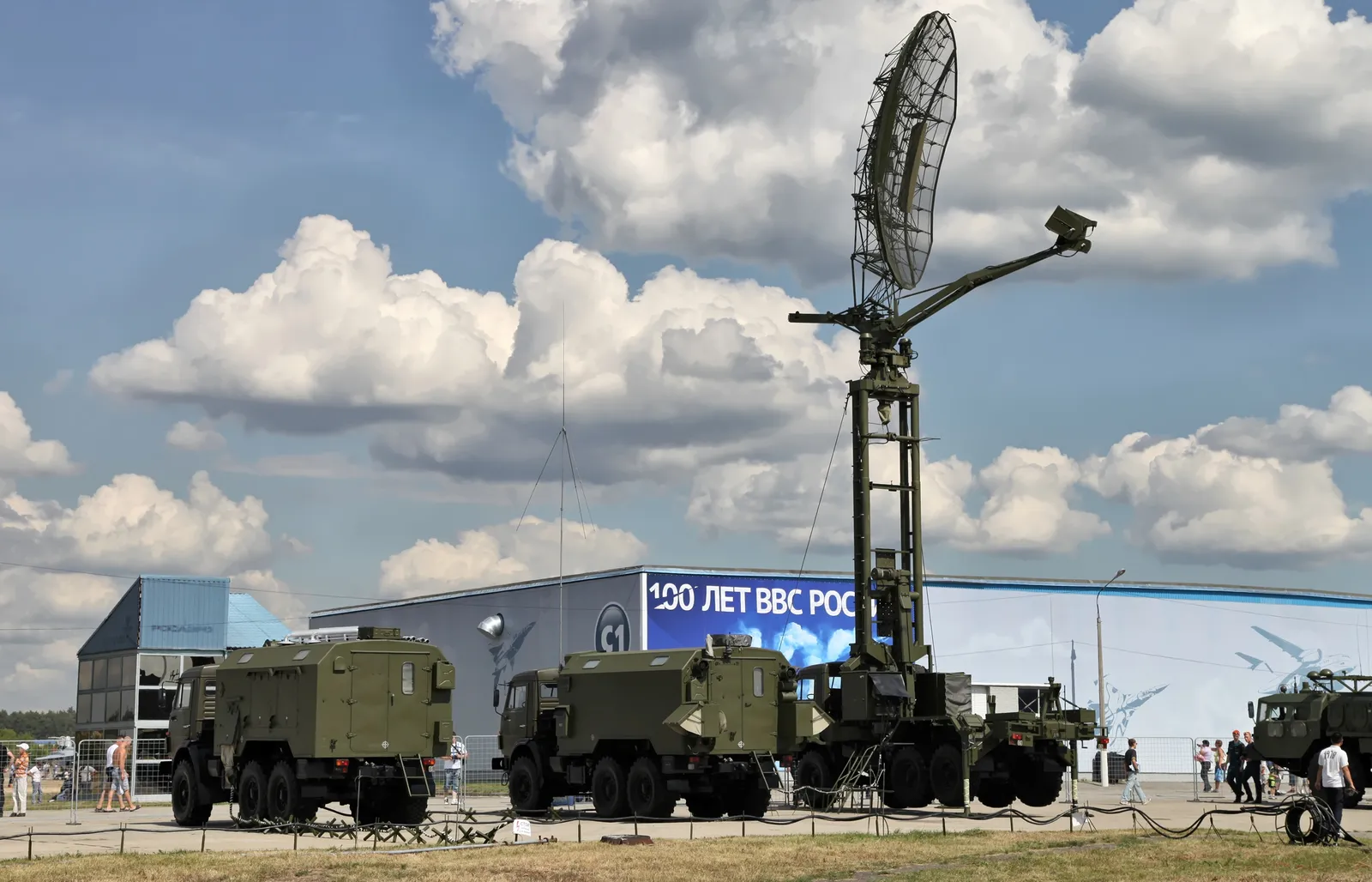
  1. 39N6E Kasta-2E2 photographed at Russian Air Force anniversary display

    Wikimedia Commons records CC BY-SA photographs of a 39N6E Kasta-2E2 radar taken at the 100th Anniversary of the Russian Air Force event.

    Sources: Wikimedia Commons Kasta-2E2 Image 01, Wikimedia Commons Kasta-2E2 Image 02

  2. Ukrainian Special Operations Forces strike report

    UNITED24 Media reported that Ukrainian Special Operations Forces destroyed a Russian Kasta-2E2 radar after aerial reconnaissance located the mobile radar station.

    Sources: UNITED24 Kasta-2E2 SSO Strike

  3. GUR Prymary strike report in Crimea

    Ukraine's military intelligence service reported that Prymary unit drones struck several Russian radar and air-defense systems in occupied Crimea, including a 39N6 Kasta-2E2.

    Sources: GUR Prymary Crimea Air Defense Strikes

  4. Crimea strike report near Yevpatoria

    UNITED24 Media reported that a Kasta-2E2 radar near Khutir outside Yevpatoria in occupied Crimea was assessed as destroyed after a drone strike between August 6 and August 11.

    Sources: UNITED24 Kasta-2E2 Crimea Strike

  5. Anapa 39N6 Kasta-2E2 site strike report

    UNITED24 Media and Militarnyi reported satellite-image evidence that a Russian 39N6 Kasta-2E2 radar site near Anapa, Krasnodar Krai, had been struck in early September 2025.

    Sources: UNITED24 Kasta-2E2 Anapa Strike, Militarnyi Kasta-2E2 Anapa Strike

  6. GUR February 2026 Crimea strike video

    Ukraine's military intelligence service reported February strikes on Russian air-defense elements in occupied Crimea, listing a disabled 39N6 Kasta-2E2 radar and publishing official video footage.

    Sources: GUR February 2026 Crimea Kasta-2E2 Strike

  7. Prymary unit Crimea strike footage report

    Defense Express reported Ukrainian intelligence footage showing the destruction of a Russian Kasta-2E2 radar station and logistics targets across Crimea.

    Sources: Defense Express Kasta-2E2 Crimea Strike

Media

39N6 Kasta-2E2 surveillance radar Images

Related Weapon Systems
1L125 Niobium-SV, Mobile VHF three-coordinate air-defense surveillance radar, Air DefenseAir Defense1L125 Niobium-SVMobile VHF three-coordinate air-defense surveillance radarThe 1L125 Niobium-SV is a Russian mobile VHF/meter-band, three-coordinate radar built for ground-forces air defense and developed by NNIIRT within the Almaz-Antey group. Rosoboronexport's 1L125E export profile describes a 5-500 km, 360-degree surveillance radar for detecting, tracking, identifying, and reporting aerodynamic and ballistic targets, including low-observable aircraft; Ukrainian and sanctions-derived records identify Niobium-SV radars in Russian service during the Russia-Ukraine war.
1L13-3 Nebo-SV, Mobile VHF two-coordinate air-surveillance radar, Air DefenseAir Defense1L13-3 Nebo-SVMobile VHF two-coordinate air-surveillance radarThe 1L13-3 Nebo-SV is a Soviet/Russian mobile meter-band radar for ground-forces air defense, built to search for aircraft, helicopters, UAVs, and other air targets and pass range-and-bearing data to command posts or missile batteries. It is a two-coordinate predecessor to the 1L119 Nebo-SVU: sources describe it with a 72-element VHF antenna array, separate IFF interrogator, six-person crew, and fighter-target detection figures reaching roughly 350 km at high altitude.
35N6 Kasta surveillance radar, Mobile low-altitude air-surveillance radar, Air DefenseAir Defense35N6 Kasta surveillance radarMobile low-altitude air-surveillance radarThe 35N6 Kasta is a mobile UHF-band low-altitude surveillance radar associated with the Kasta-2-1/Kasta-2E1 branch of Russia's air-defense sensor network. Open radar references describe the 51U6/Kasta-2E1 as a two-coordinate low-altitude radar with separate antenna and operator or command-post elements; Janes identified a two-vehicle KamAZ-43114 system near Buhaivka, and Oryx plus WarSpotting list destroyed Russian Kasta command-post and antenna vehicles in the 2014 Russia-Ukraine War.
36D6 / ST-68U surveillance radar, Mobile three-coordinate air-surveillance radar, Air DefenseAir Defense36D6 / ST-68U surveillance radarMobile three-coordinate air-surveillance radarThe 36D6 / ST-68U Tin Shield family is a mobile Soviet-legacy three-coordinate surveillance radar used to detect and track low-, medium-, and high-altitude air targets for air-defense command posts, SAM units, and air-traffic-control tasks. Ukrainian sources identify Iskra as the enterprise behind ST-68U/19Zh6 development history and later 35D6/36D6M modernization, while open technical references describe the 36D6 as an S-band radar with 360-degree azimuth coverage, four beams, 350 kW peak transmitter power, and target-data output to automated air-defense users. In the 2014 Russia-Ukraine War, visually documented loss lists and General Staff-derived reporting place 36D6/ST-68U radars on both sides of the air-defense fight.
48Ya6-K1 Podlet-K1, Mobile three-coordinate low-altitude air-surveillance radar, Air DefenseAir Defense48Ya6-K1 Podlet-K1Mobile three-coordinate low-altitude air-surveillance radarThe 48Ya6-K1 Podlet-K1 is a Russian mobile three-coordinate radar complex built to detect and track low-altitude air targets for air-defense units. Public reporting describes the system as a multi-vehicle package with a radar/antenna vehicle, command or operator-control vehicle, and power-support vehicle on KamAZ chassis, while Rosoboronexport markets the export Podlet-K1KE for automated detection, tracking, identification, and flight-information tasks in air-defense and air-force radio-engineering units. Ukraine-war reporting documents Russian Podlet-K1 losses and strikes tied to the S-300 and S-400 air-defense network.

Sources