Armas de infantería

RPO-A Shmel

Also known as
  • RPO-A Bumblebee
  • RPO-A Schmel
  • RPO Shmel
  • RPO-A rocket-propelled flame-thrower
  • Шмель

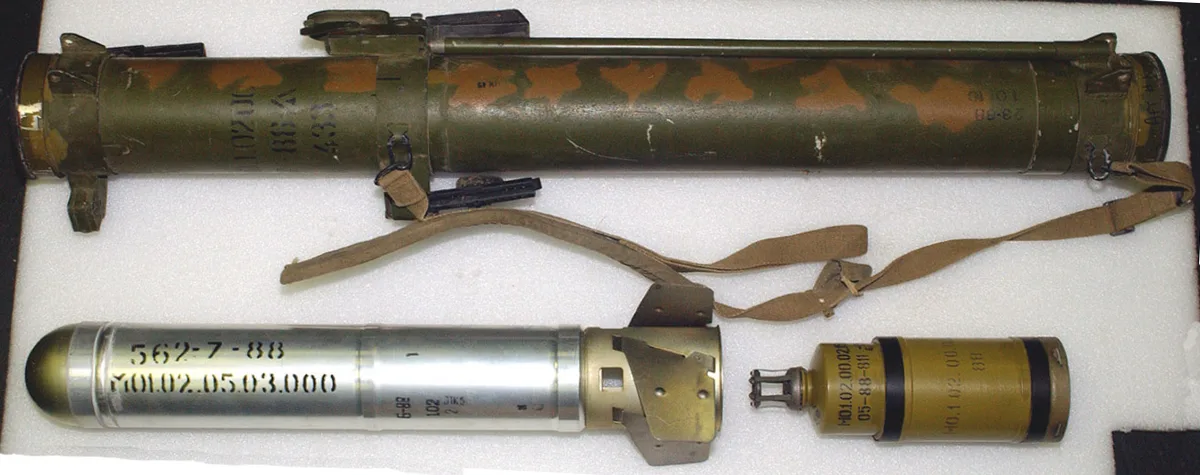
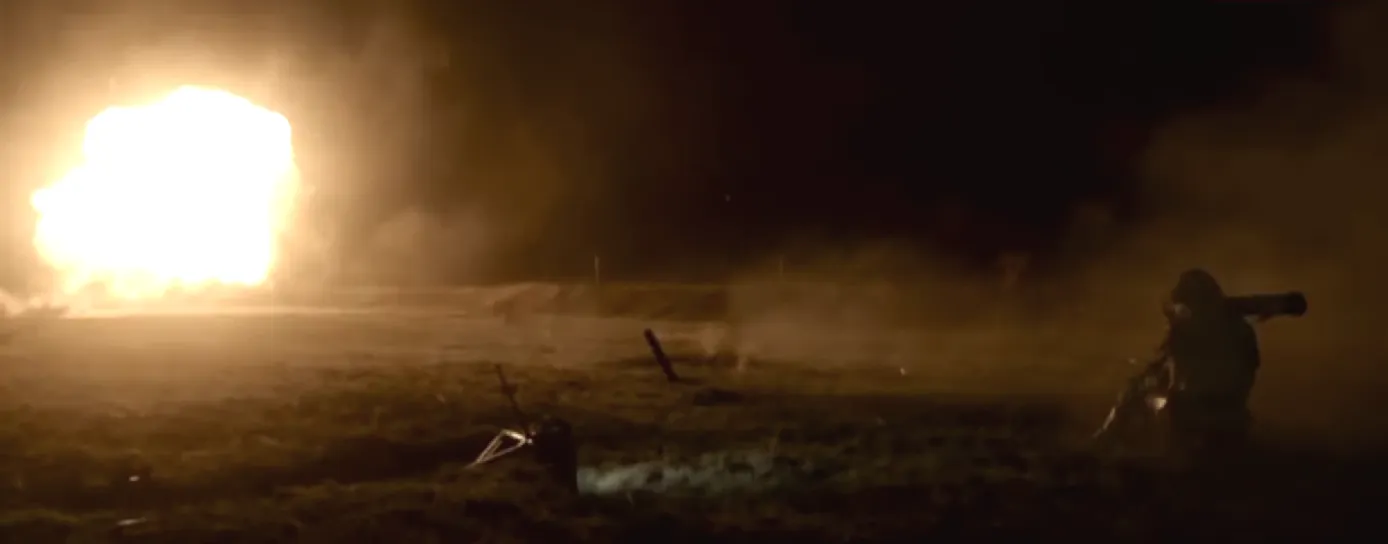
El RPO-A Shmel es un lanzallamas cohete desechable soviético, producido por Rusia, de 93 mm y construido en torno a una munición termobárica de explosivo combustible-aire. Adoptado en 1988 tras su desarrollo a mediados de la década de 1980, se convirtió en un arma de asalto cercano para cuevas, búnkeres, edificios y posiciones urbanas fortificadas, con apariciones documentadas desde Afganistán y Chechenia hasta Siria, Ucrania y Gaza.

Role in Conflicts

Side
Soviet Union and Afghan government forces
Role in conflict
Arma de asalto contra cuevas y búnkeres

El Australian Army Research Centre describe el RPO-A Shmel como empleado por primera vez por fuerzas soviéticas en Afganistán contra complejos de cuevas y búnkeres durante la etapa final de la guerra soviético-afgana.

Side
Russia
Role in conflict
Arma de asalto urbano y despeje de búnkeres

Análisis de RAND y del Australian Army describen el uso ruso de armas RPO-A Shmel durante los combates por Grozny, donde el lanzador termobárico se trataba como potencia de fuego de corto alcance para edificios, búnkeres y posiciones urbanas fortificadas.

Side
Russia
Role in conflict
Arma termobárica de asalto urbano

El estudio de RAND sobre Grozny entre 1994 y 2000 afirma que se utilizaron armas termobáricas, incluido el RPO-A Shmel, en la segunda batalla por Grozny, con fuerzas rusas recurriendo a ellas como armas de asalto urbano de corto alcance.

Variant Family

El RPO-A es el miembro termobárico de una familia original de 1988 con tres ojivas, mientras que lanzadores rusos posteriores utilizaron una terminología similar de lanzallamas cohete para sistemas compactos o de alcance mejorado.

DesignaciónOjiva o funciónNota para el lector
RPO-ATermobárica / FAEVersión termobárica principal cubierta por este registro.
RPO-ZIncendiariaVariante de la familia original listada por Modern Firearms.
RPO-DHumoVariante de la familia original listada por Modern Firearms.
RPO-M / RPO PDM-ATermobárica de alcance mejoradoSucesor posterior en el mismo linaje ruso de lanzallamas cohete.
MRO-ATermobárica compactaLanzador relacionado más pequeño, documentado por separado por ARES en Ucrania y Siria.
Profile / Specs

Profile

Origin
Unión Soviética / Rusia
Built in
Russia
Type
Lanzacohetes termobárico desechable disparado desde el hombro
Service note
Finales de la Guerra Fría hasta la actualidad
Designer
KBP Instrument Design Bureau
Designed
1984
Produced
1988-present

Specifications

Calibre
93 mm
Configuración de lanzamiento
Tubo de lanzamiento sin retroceso, desechable y de un solo disparo
Ojiva
Cohete termobárico de explosivo combustible-aire con una carga FAE de unos 2,2 kg
Peso
Unos 11-12 kg completo
Longitud
Unos 920 mm
Alcance máximo
Unos 1.000 m
Alcance efectivo
Unos 200 m contra blancos puntuales; el alcance de puntería suele citarse en torno a 600 m
Variants

La familia RPO original utilizaba sufijos para indicar la función de la ojiva; lanzadores posteriores compactos o de alcance mejorado mantuvieron el linaje soviético/ruso de lanzallamas cohete, pero son sistemas adyacentes distintos.

VariantConfigurationDesignation notes
RPO-ZVariante incendiaria

Modern Firearms lista el RPO-Z como la versión incendiaria adoptada junto con el RPO-A y el RPO-D en 1988.

Sources: RPO-A "Schmel" Rocket-Propelled Flame-Thrower

RPO-DVariante fumígena

Modern Firearms lista el RPO-D como la versión generadora de humo dentro de la familia RPO original.

Sources: RPO-A "Schmel" Rocket-Propelled Flame-Thrower

RPO-M / RPO PDM-A Shmel-MSucesor termobárico de alcance mejorado

Modern Firearms trata el RPO-M, también conocido como RPO PDM-A o Shmel-M, como un sucesor posterior de mayor alcance y letalidad mejorada, no como la munición RPO-A original.

Sources: RPO-A "Schmel" Rocket-Propelled Flame-Thrower

MRO-ALanzacohetes termobárico compacto

ARES identifica los lanzadores MRO-A como un sistema termobárico ruso más pequeño y relacionado, documentado por separado de las armas RPO-A de tamaño completo en Ucrania y Siria.

Sources: Russian MRO-A Rocket Launchers in Ukraine, Russian MRO-A Thermobaric Rocket Launchers in Syria

Timeline

RPO-A Shmel Key Events

  1. RPO development begins

    Modern Firearms says development of the RPO family began in 1984 as a single-shot disposable launcher for the Soviet Army.

    Sources: RPO-A "Schmel" Rocket-Propelled Flame-Thrower

  2. Soviet adoption

    The Soviet Army adopted the RPO family in 1988 in thermobaric, incendiary, and smoke versions.

    Sources: RPO-A "Schmel" Rocket-Propelled Flame-Thrower

  3. Afghanistan combat use

    Australian Army Research Centre analysis describes RPO-A Shmel use against caves and bunkers in Afghanistan.

    Sources: RPO-A Shmel: The Devil's Tube

  4. Grozny urban fighting

    RAND and Australian Army analysis describe RPO-A use in the First Chechen War's urban fighting around Grozny.

    Sources: Russia's Chechen Wars 1994-2000, RPO-A Shmel: The Devil's Tube

  5. RPO-A captured in Syria

    Armament Research Services documented an RPO-A Shmel captured by Ajnad al-Sham from Syrian government positions in Hama.

    Sources: Russian MRO-A Thermobaric Rocket Launchers in Syria

  6. Russian use reported near Kupyansk

    Army Recognition published a report describing Russian RPO-A use against Ukrainian positions near Kupyansk.

    Sources: Russian Forces Use RPO-A Shmel Destructive Man-Portable Weapons Against Ukrainian Positions

Combat Employment Pattern

En los conflictos citados, el RPO-A aparece menos como un cohete antiblindaje general y más como potencia de fuego de asalto de corto alcance para posiciones cerradas o fortificadas.

EntornoUso documentadoContexto de la fuente
Cuevas y búnkeresFuerzas soviéticas utilizaron el lanzador contra complejos de cuevas y búnkeres en Afganistán.Australian Army Research Centre.
Combate urbano densoFuerzas rusas utilizaron efectos termobáricos del RPO-A en Grozny contra edificios y posiciones urbanas fortificadas.Análisis de RAND y del Australian Army.
Evidencia de material de primera líneaARES documentó lanzadores de la familia RPO en Siria y Ucrania, incluido un RPO-A capturado a posiciones del gobierno sirio.Armament Research Services.
Media
Related Weapon Systems
TOS-1A Solntsepyok, 220 mm thermobaric multiple rocket launcher, ArtilleryArtilleryTOS-1A Solntsepyok220 mm thermobaric multiple rocket launcherThe TOS-1A Solntsepyok is a Russian tracked heavy flamethrower system that functions as a short-range thermobaric multiple rocket launcher. Built around a BM-1 launcher on a tank chassis with transporter-loaders, it fires unguided 220 mm rockets to support infantry and armor against fortified positions, vehicles, and troops in cover. In the 2014 Russia-Ukraine War it has been documented in Russian service near the front line, where its short range creates both destructive local effects and high vulnerability to Ukrainian targeting.
BMO-T, Heavy flamethrower-squad armored personnel carrier, Armored VehiclesArmored VehiclesBMO-THeavy flamethrower-squad armored personnel carrierThe BMO-T is a rare Russian T-72-based heavy armored carrier built for flamethrower squads armed with RPO-series disposable thermobaric launchers. Omsktransmash is listed as the manufacturer, and reference sources describe a two-person crew, seven carried troops, tank-level frontal protection, a 12.7 mm machine gun, and internal stowage for roughly 30 to 32 RPO launchers. In Ukraine, public evidence mainly documents Russian losses and one captured vehicle used by Ukrainian troops for recovery work rather than confirmed Russian flamethrower-squad employment.
R-17 Scud-B ballistic missile, Short-range ballistic missile, MunitionsMunitionsR-17 Scud-B ballistic missileShort-range ballistic missileThe R-17 Elbrus, known to NATO as the SS-1C Scud-B, is a Soviet road-mobile, liquid-fueled short-range ballistic missile built for deep strikes with conventional, chemical, or nuclear payloads. Its combat record spans Egyptian launches in 1973, Iranian and Iraqi city strikes in the 1980-1988 war, Libyan missile attempts in 1986 and 2011, South Yemeni strikes in 1994, Armenian strikes on Ganja in 2020, and Houthi-aligned use of inherited Yemeni stocks, illustrating the lasting political and civilian risk of older inaccurate ballistic missiles.
RPG-29, Reusable shoulder-fired anti-tank rocket launcher, Infantry WeaponsInfantry WeaponsRPG-29Reusable shoulder-fired anti-tank rocket launcherThe RPG-29 Vampir is a Soviet-designed, reusable 105 mm anti-tank rocket launcher built by Bazalt for tandem HEAT and thermobaric rockets. Rosoboronexport describes it as a multiple-shot launcher with a 500 m sighting range and a 300-round lifespan, while reference sources place it in Soviet-era development and 1989 service entry. Its conflict record is strongest in close-range anti-armor and fortification attack reporting, including Hezbollah use in Lebanon, insurgent attacks on coalition armor in Iraq, Free Syrian Army imagery in Syria, Hamas anti-armor forces in Gaza, Houthi fielding in Yemen, and documented appearances in Ukraine.
TOS-2 Tosochka, Wheeled 220 mm thermobaric multiple rocket launcher, ArtilleryArtilleryTOS-2 TosochkaWheeled 220 mm thermobaric multiple rocket launcherThe TOS-2 Tosochka is Russia's wheeled successor to the tracked TOS-1A heavy flamethrower system, using 220 mm thermobaric and incendiary rockets from an 18-tube launcher on a Ural 6x6 truck. Public Russian and U.S. Army reporting emphasizes the integrated crane, automated fire-control equipment, and wheeled chassis as the main mobility and reload changes, while conflict reporting has documented Russian TOS-2 employment and later Ukrainian strikes against the rare system during the 2014 Russia-Ukraine War.
AKM, 7.62x39mm assault rifle, Infantry WeaponsInfantry WeaponsAKM7.62x39mm assault rifleThe AKM is the stamped-receiver modernization of the Soviet Kalashnikov assault rifle, chambered for 7.62x39mm and built around a long-stroke gas piston and rotating bolt. Adopted in 1959, it reduced production burden compared with earlier milled-receiver AK rifles and became a widely licensed baseline for later 7.62mm Kalashnikov-pattern weapons. CAR and ARES field documentation continues to place AKM and AKM-pattern rifles in modern conflict stocks, from Islamic State recoveries in Iraq and Syria to Taliban captures in Afghanistan.

Sources