Profile
- Origin
- Soviet Union / Russia
- Built by
- Various manufacturers
- Built in
- Multiple countries
- Type
- Thermobaric payload
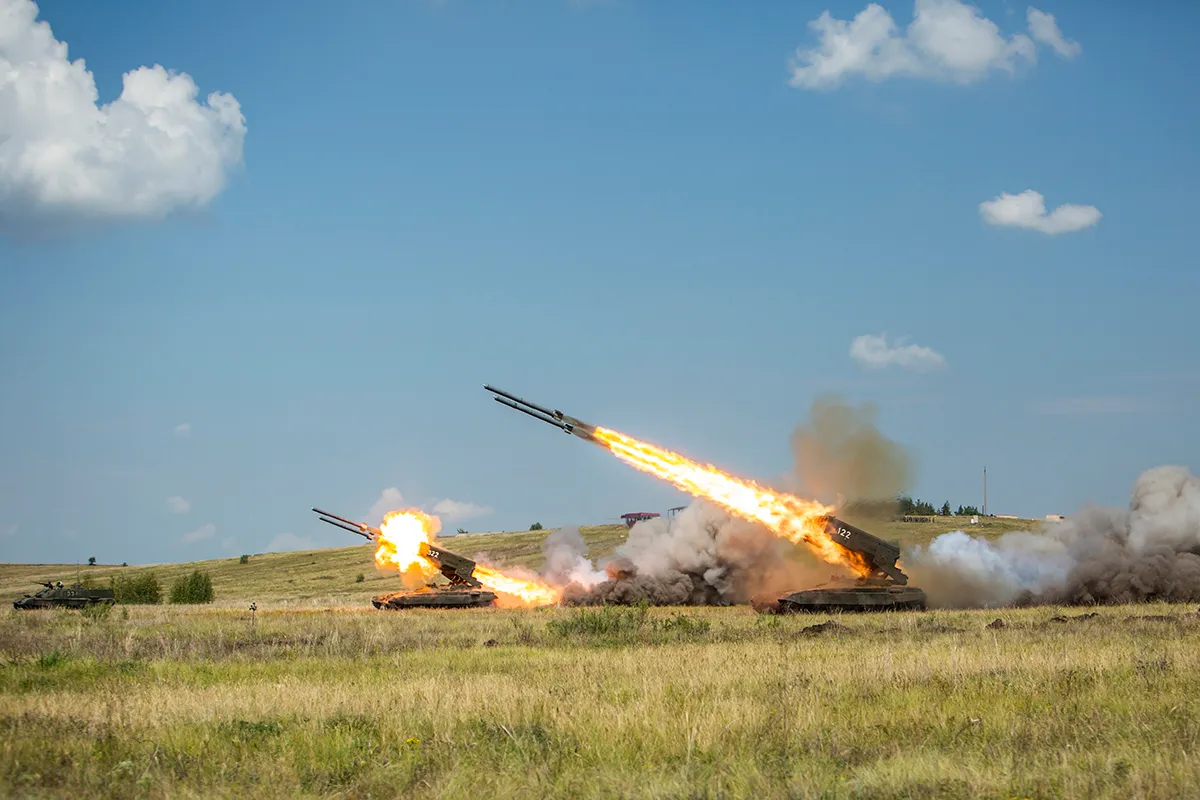
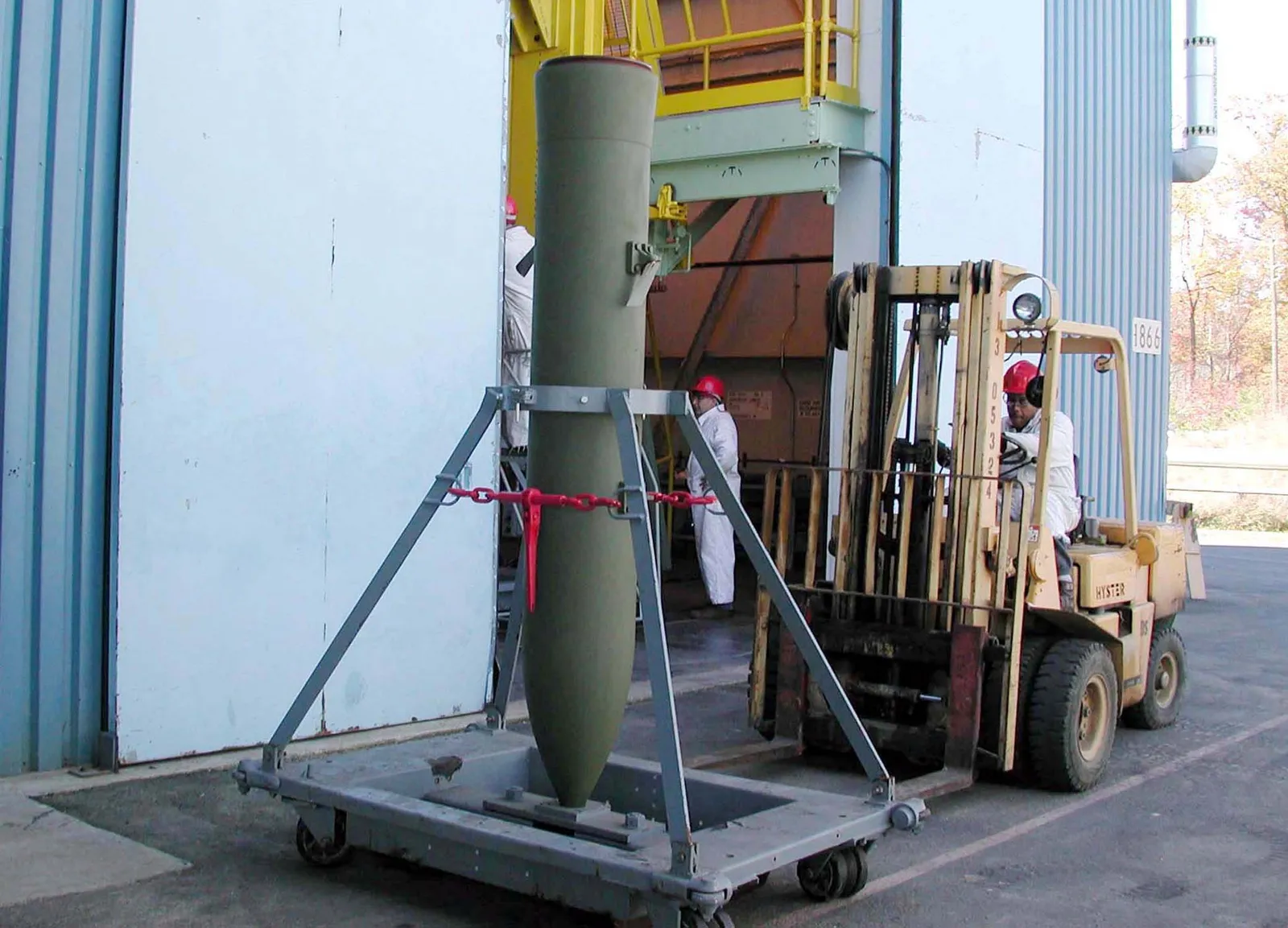
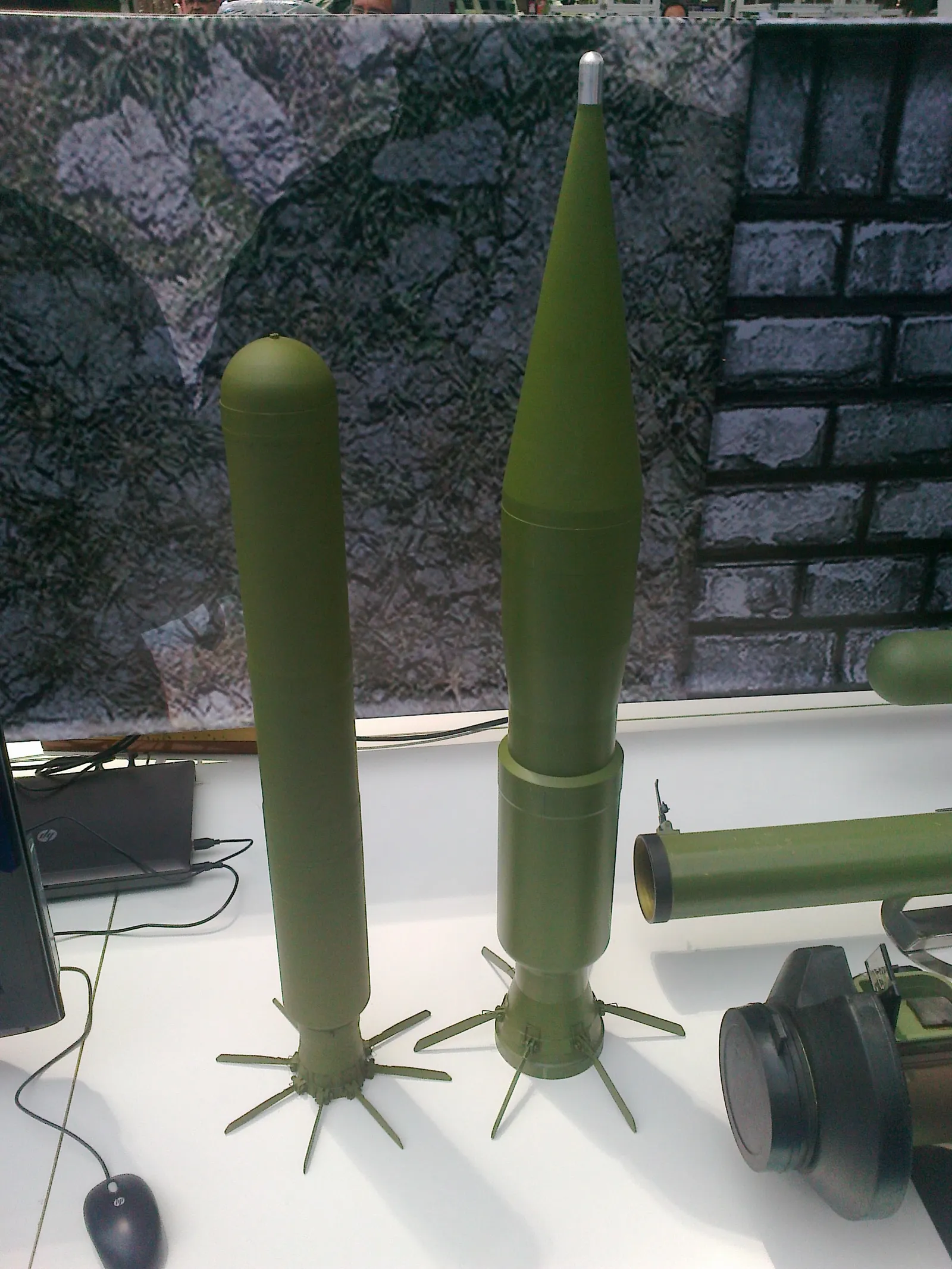
A thermobaric warhead is a munition payload type rather than a complete weapon. ARES describes thermobaric and fuel-air explosive munitions as payloads that use ambient oxygen to produce a longer-duration, high-temperature blast with lower peak pressure than conventional HE, usually with little primary fragmentation. Cataloged examples range from RPG and mortar rounds to artillery rockets, mine-clearing rockets, and loitering-munition payloads.
Open reporting and manufacturer-linked coverage describe thermobaric payload options for loitering and one-way attack UAVs.
| Carrier | Carrier type | Carriage evidence |
|---|---|---|
 | Long-range strike UAV | TWZ reports that a standard payload for the AQ-400 Scythe can be a thermobaric warhead. Sources: Ukraine's Scythe Drone Is All About Striking Far Away As Cheaply As Possible |
 | Loitering munition | Janes reported WB Group's Warmate TL variant with a thermobaric warhead option, extending the payload type into tube-launched loitering munitions. Sources: WB Group unveils Warmate TL variant |
These linked entries are specific cataloged munitions whose source records identify a thermobaric or fuel-air explosive payload.
| Compatible item | Item type | Compatibility evidence |
|---|---|---|
 | 120 mm mortar round | VMZ describes this Bulgarian 120 mm mortar ammunition as a round with a thermobaric bomb. Sources: VMZ 120 mm Thermobaric Mortar Round |
 | 220 mm artillery rocket | ARES identifies the 9M51 as an Uragan-family rocket using a 9N515 parachute-retarded fuel-air explosive warhead. |
 | 300 mm artillery rocket | Rosoboronexport lists the 9M529 as a Smerch-family rocket fitted with a thermobaric warhead. Sources: 9M529 rocket |
 | RPG-7 thermobaric round | Bulcomer presents RTB-7MA as an RPG-7V-compatible thermobaric round for personnel, shelters, fortifications, buildings, light armored vehicles, and automobiles. |
 | Fuel-air mine-clearing rocket system | Defense Update describes CARPET as a fuel-air rocket system used to clear a lane through mines and explosive obstacles. Sources: Defense Update CARPET system |
Thermobaric warheads appear as payloads inside complete munitions, not as a standalone battlefield weapon. Sources describe the same enhanced-blast family across air-delivered bombs, artillery rockets, shoulder-fired launchers, guided missiles, mortar rounds, and loitering-munition payloads.
Fuel-rich explosive effects and surrounding oxygen produce a high-temperature pressure wave with longer duration than many conventional high-explosive fills.
Conflict reporting usually identifies the exact munition or launcher, such as a 9M51 rocket, RPO-family launcher, TOS-series rocket system, or thermobaric UAV payload.
The linked records show the payload class at several scales, from RPG and mortar rounds to mine-clearing rockets, heavy rocket artillery, and one-way attack UAVs.
Sources: ARES Explosive Weapons in Populated Areas; Enhanced Blast Weapons in Ukraine; Fuel air explosive (FAE) systems; Soviet and Russian flame weapons in Ukraine.
The IMAS technical note describes U.S. Marine Corps use of ethylene-oxide fuel-air explosive canisters for minefield clearance in Vietnam.
Sources: Fuel air explosive (FAE) systems
Human Rights Watch summarized reports of Russian fuel-air explosive use in Chechnya and described the wide-area hazard of FAE effects in urban or enclosed settings.
Sources: Chechnya Conflict: Use of Vacuum Bombs by Russian Forces
ARES documented Soviet and Russian thermobaric or fuel-air explosive systems in eastern Ukraine, including GM-94 ammunition, RPO/MRO-family launchers, and the 9M51 rocket with a 9N515 FAE warhead.
Sources: Soviet and Russian flame weapons in Ukraine
Human Rights Watch described thermobaric, fuel-air explosive, and vacuum-bomb terminology as referring to an enhanced-blast class used across multiple munition families.
Sources: Enhanced Blast Weapons in Ukraine