Naval Systems

Project 22010 (Yantar/Kruys) special-purpose oceanographic intelligence ship

Also known as
  • Yantar
  • Kruys
  • Project 22010
  • Project 22010 Yantar
  • Project 22010 Kruys
  • Project 22010 research vessel
  • Russian research vessel Yantar
  • Russian spy ship Yantar

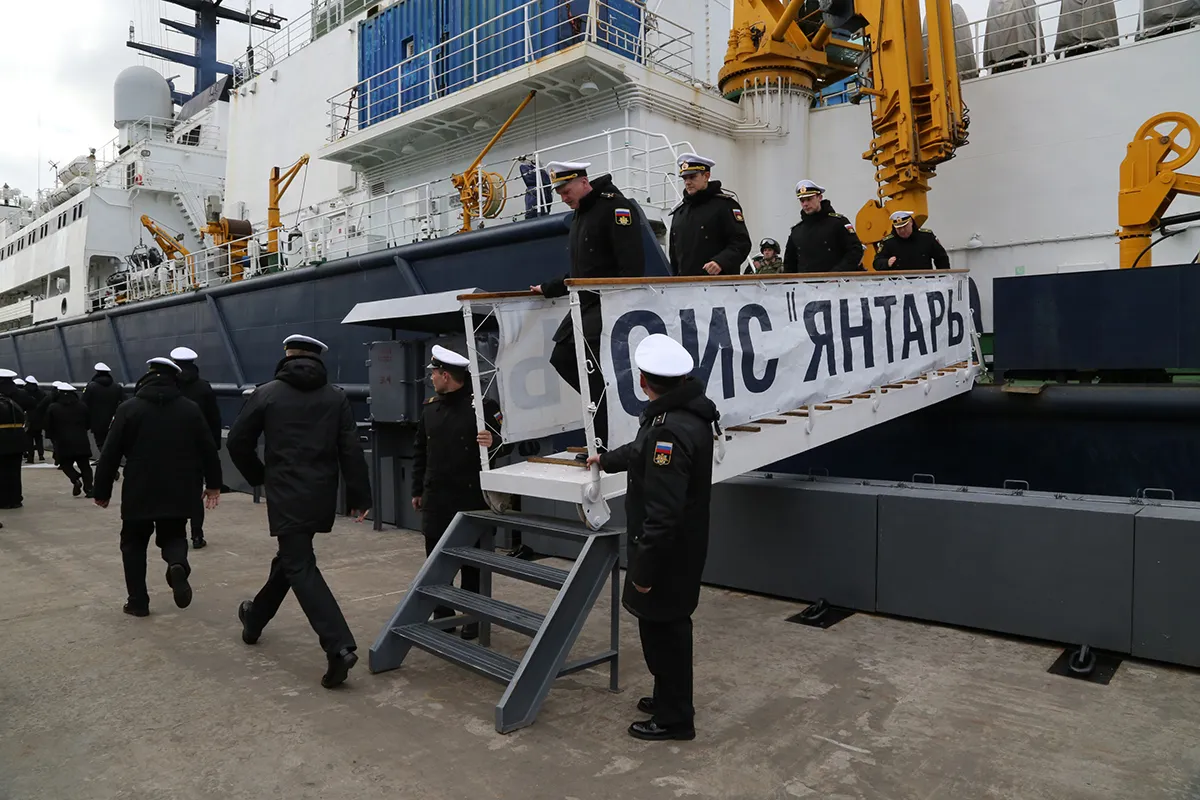
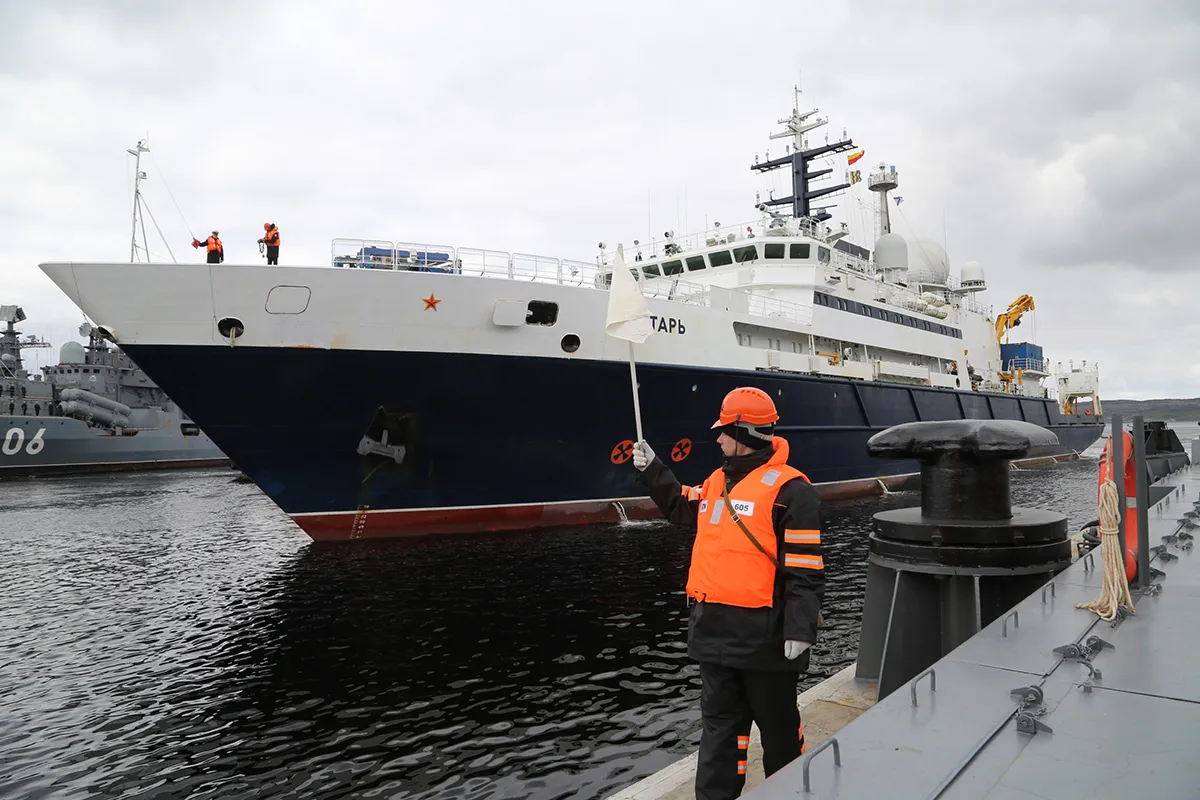
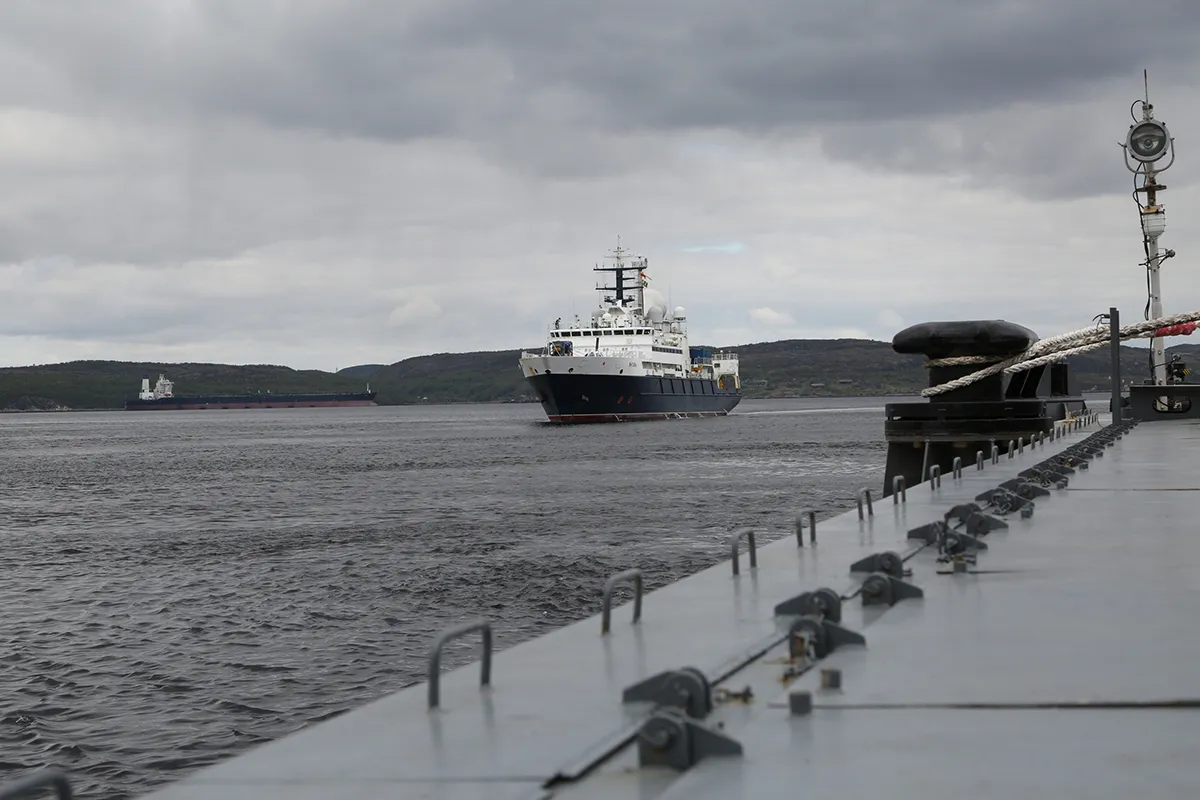
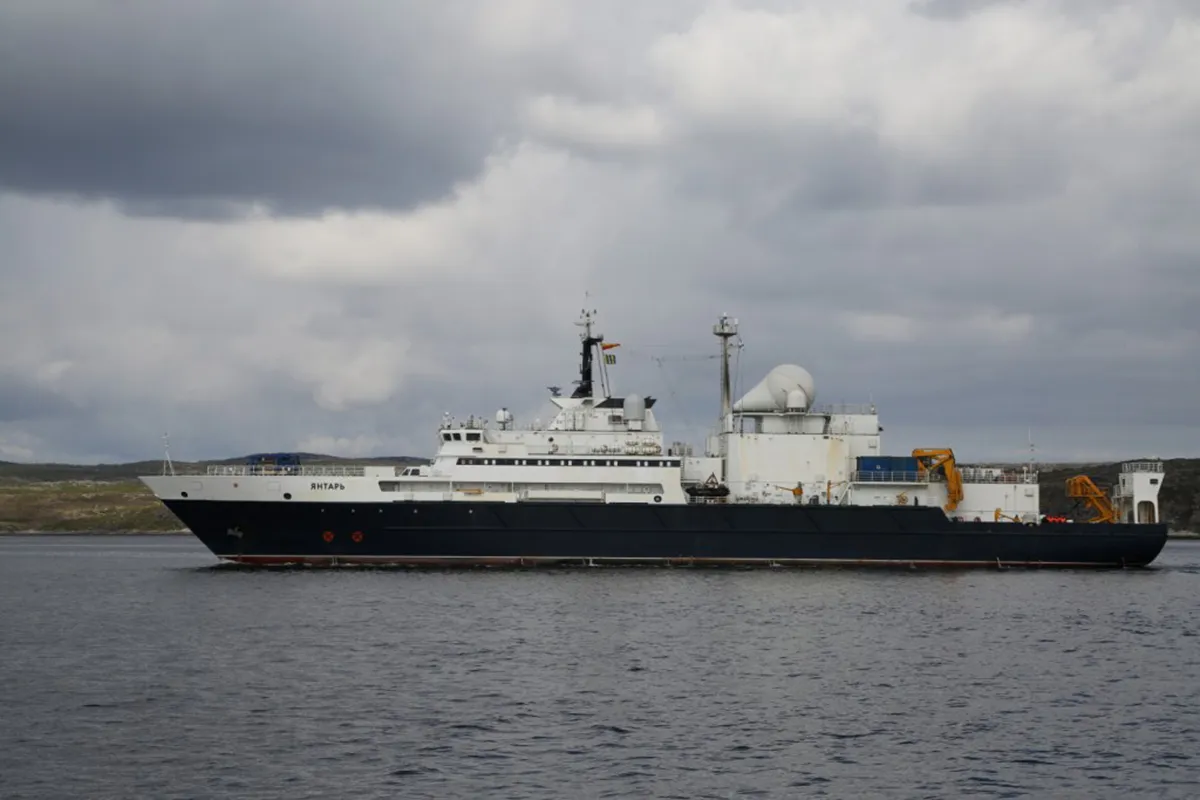
Project 22010, also known as Yantar or Kruys, is a Russian oceanographic intelligence-ship family built around deep-sea survey, recovery, and special-mission payloads. The lead ship Yantar was built by Yantar Shipyard for Russia's deep-sea research directorate and commissioned in 2015; UK defence officials later identified it as a spy vessel used for intelligence gathering and undersea-cable mapping.

Role in Conflicts

Side
Unconfirmed conflict context

UK defence officials described Yantar as a Russian spy ship used for intelligence gathering and undersea-cable mapping, and Royal Navy reporting documented repeated 2025 shadowing of the vessel near UK waters. The row remains in the holding bucket because the public sources support gray-zone maritime surveillance rather than confirmed combat employment in a named war.

Profile / Specs

Profile

Origin
Russia
Type
Oceanographic intelligence ship
Service note
2010s-present
Designer
Almaz Central Marine Design Bureau
Produced
2010-2015

Specifications

Displacement
About 5,736 tons full load
Length
107.8 m
Beam
17.2 m
Speed
15 kn
Range
About 8,000 nmi
Endurance
About 60 days
Crew
About 60
Carried systems
Deep-submergence vehicles such as Project 16810 Rus and Project 16811 Konsul are reported for the Project 22010 mission fit
Aviation facilities
Forward helicopter landing deck on Yantar
Propulsion
Diesel-electric with two electric motors, two azimuthal pods, and two bow thrusters
Deep-Sea Mission Payload

The ship's public identity is an oceanographic research vessel, but the most distinctive capability is its role as a mothership for deep-diving and remotely operated systems used around seabed infrastructure.

Payload or systemReported functionCatalog relevance
Project 16810 Rus / Project 16811 KonsulDeep-submergence vehicles housed or deployed by the ship for seabed missions.Explains why the surface ship is treated as more than a general survey vessel.
ROVs and AUVsOpen-source naval analysis reports stern and side handling arrangements for remotely operated or autonomous underwater vehicles.Supports undersea-infrastructure surveillance and recovery context without implying a confirmed attack role.
Dynamic-positioning machineryAzimuth pods and bow thrusters let the vessel hold station while working over a seabed site.Connects the propulsion fit to cable-mapping, survey, and recovery missions.

Sources: Project 22010 Kruys / Yantar Oceanographic research vessel; Yantar | Covert Shores; Russian Spy Ship Yantar: Queen of the Gray Zone.
Variants

Project 22010 references cover Yantar and later same-family special-purpose oceanographic vessels; public sources treat Almaz and Vice-Admiral Burilichev as related builds with differing construction status.

VariantConfigurationDesignation notes
AlmazSecond Project 22010 ship

Open references identify Almaz as a longer Project 22010 sister ship launched in 2019 for Pacific Fleet-related service, with commissioning status still uncertain in public reporting.

Sources: Project 22010 Kruys / Yantar Oceanographic research vessel, Russian Spy Ship Yantar: Queen of the Gray Zone

Vice-Admiral BurilichevFollow-on Project 22011 ship

USNI describes Vice-Admiral Burilichev as a follow-on Project 22011 vessel laid down in 2021 and launched in 2025 at Vyborg Shipyard.

Sources: Russian Spy Ship Yantar: Queen of the Gray Zone

Timeline

Project 22010 (Yantar/Kruys) special-purpose oceanographic intelligence ship Key Events

  1. Laid down at Yantar Shipyard

    Shipyard Yantar says the Project 22010 vessel was laid down on 8 July 2010 at the Kaliningrad yard.

    Sources: Shipyard Yantar history: Project 22010 Yantar

  2. Launched

    Commons category records the ship's launch in December 2012 before final fitting-out and sea trials.

    Sources: Wikimedia Commons category: Yantar (ship, 2015)

  3. Commissioned into service

    The vessel entered service in May 2015 with the Russian Navy's deep-sea research apparatus.

    Sources: Wikimedia Commons category: Yantar (ship, 2015), Russian Spy Ship Yantar: Queen of the Gray Zone

  4. Tracked in UK waters

    UK and Royal Navy statements said HMS Somerset and HMS Tyne monitored Yantar after it passed through British waters, with the UK tying the response to undersea-infrastructure protection.

    Sources: Defence Secretary oral statement on Russian Maritime Activity and UK Response, Royal Navy monitors Russian spy ship in waters close to the UK

  5. Shadowed north of Scotland

    Royal Navy reporting said HMS Somerset kept round-the-clock watch on Yantar for eight days in November 2025 as the vessel moved northwards toward the Faroe Islands.

    Sources: Royal Navy activated twice in two weeks to intercept Russian ships in UK waters

  6. UK accused Yantar of laser and GPS-disruption activity

    The UK Defence Secretary said Yantar was on the edge of UK waters north of Scotland and had directed lasers at RAF P-8 crews; the Ministry of Defence later said nearby ships also experienced GPS jamming.

    Sources: Defence Secretary speech on threats to the UK, We see you: Armed forces on patrol around the UK in response to Russian activity

Media
Related Weapon Systems
Yury Ivanov-class intelligence ship (Project 18280), Intelligence collection ship, Naval SystemsNaval SystemsYury Ivanov-class intelligence ship (Project 18280)Intelligence collection shipThe Yury Ivanov-class (Project 18280) is a Russian intelligence-collection ship class designed by Central Design Bureau Iceberg and built at Severnaya Verf for fleet communications, command support, radio reconnaissance, electronic intelligence, and SIGINT duties. Ivan Khurs brought the class into the Black Sea Fleet and has been documented in the Russia-Ukraine War through Ukrainian attacks on Russian naval assets at sea and in occupied Sevastopol.
Balzam class (Project 1826) intelligence ship, Intelligence collection ship, Naval SystemsNaval SystemsBalzam class (Project 1826) intelligence shipIntelligence collection shipBalzam class, also reported as Project 1826 Rubidiy and NATO Balzam, is a Soviet intelligence-collection ship class built by Yantar Shipyard in Kaliningrad for SIGINT and communications interception. Open-source class metadata places it between the earlier Primor'ye surveillance ships and the later Vishnya intelligence ship family, with four hulls completed from 1980 to 1987 and a defensive fit that included Strela-2 launchers and AK-630 close-in weapons.
Project 1171 Tapir / Alligator-class large landing ship, Large landing ship / landing ship tank, Naval SystemsNaval SystemsProject 1171 Tapir / Alligator-class large landing shipLarge landing ship / landing ship tankThe Project 1171 Tapir / Alligator-class large landing ship is a Soviet-designed beachable landing ship tank built by Yantar Shipyard in Kaliningrad. The class was created to move troops, tanks, vehicles, ammunition, and cargo directly onto shore or through captured ports, and Russian use of the type as a Sea of Azov resupply ship was documented during the 2022 phase of the Russia-Ukraine War.
Ivan Gren-class landing ship (Project 11711), Large landing ship / landing ship tank, Naval SystemsNaval SystemsIvan Gren-class landing ship (Project 11711)Large landing ship / landing ship tankThe Ivan Gren-class landing ship (Project 11711) is a Russian large landing ship / landing ship tank designed by Nevskoe Design Bureau and built by Yantar Shipyard. The class carries troops, armored vehicles, cargo, helicopters, and obstacle-laying payloads for amphibious and naval transport missions; Pyotr Morgunov was part of Russia's Black Sea amphibious force during the full-scale invasion of Ukraine.

Sources