Naval Systems

Almaz / X-Ray

Also known as
  • Project 1851
  • Project 1851 Almaz
  • Project 1851 Nelma
  • Nelma class
  • X-Ray class

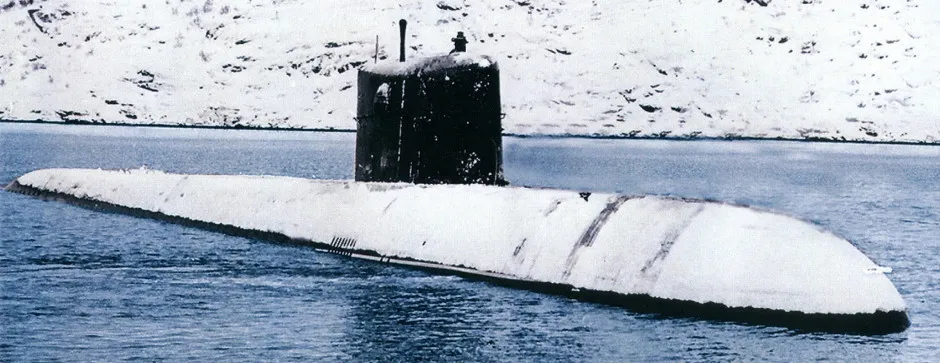
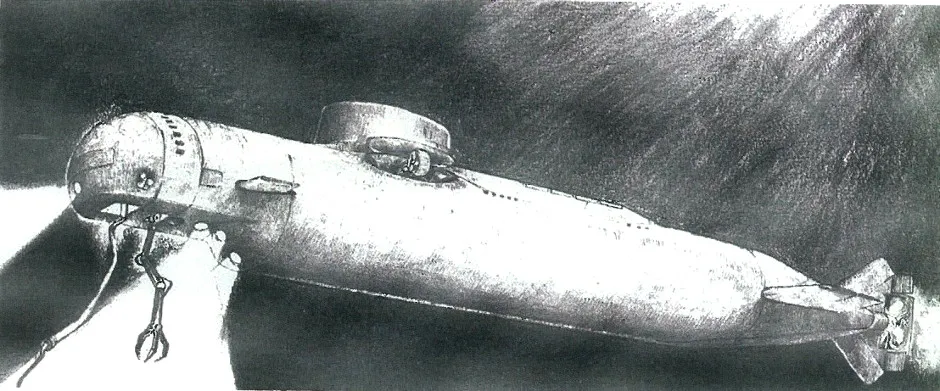
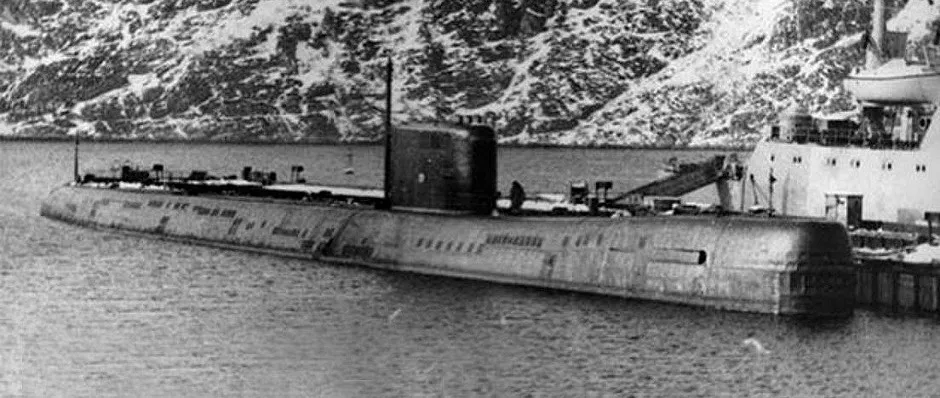
Almaz / X-Ray is the Soviet/Russian NATO-reporting-name family for the Project 1851 Nelma deep-diving special mission submarines. Open sources describe the 40-meter, titanium-hulled craft as carrier-borne vehicles with a diver lock-out, used for reconnaissance, cable tapping, rescue, and seabed recovery at about 1,000 meters.

Role in Conflicts

Side
Unconfirmed conflict context

RUSI places X-Ray among Russia's specialised GUGI submarines used for seabed warfare and critical undersea infrastructure threats, but the open-source record does not tie the class to a single named post-2015 conflict.

Profile / Specs

Profile

Origin
Soviet Union
Type
Deep-diving nuclear special mission submarine
Service note
1986-present
Designer
SPMBM Malakhit
Designed
1970s
Produced
1981-1995
Number built
3 hulls
Developed into
Project 18511 Halibut / Paltus

Specifications

Length
40 m
Beam
5.3 m
Draft
5.0 m
Displacement
550 tons surfaced; 1,000 tons submerged
Speed
20 knots surfaced; 6 knots submerged
Operating depth
1,000 m
Crew
6 officers
Propulsion
10 MW reactor, electric motor, stern propeller, and bow thruster
Armament
None
Deep-Water Station Role

The X-Ray family is best understood as a carrier-borne atomic deep-water station rather than an independently deployed attack submarine. Open sources describe it as a small, unarmed, nuclear-powered vehicle intended to operate from a modified host submarine while carrying hydronauts and equipment for seabed work.

Carrier concept

The vehicle was designed as part of a complex with a modified nuclear submarine carrier, with crew transfer through the carrier rather than normal pier-side deployment.

Mission set

Published descriptions emphasize underwater reconnaissance, recovery from the seafloor, cable or infrastructure work, rescue tasks, and diver support rather than weapons carriage.

Open-source limit

The class is associated with Russia's GUGI deep-sea organization, but individual missions and later service histories remain sparsely documented in public sources.
Variants

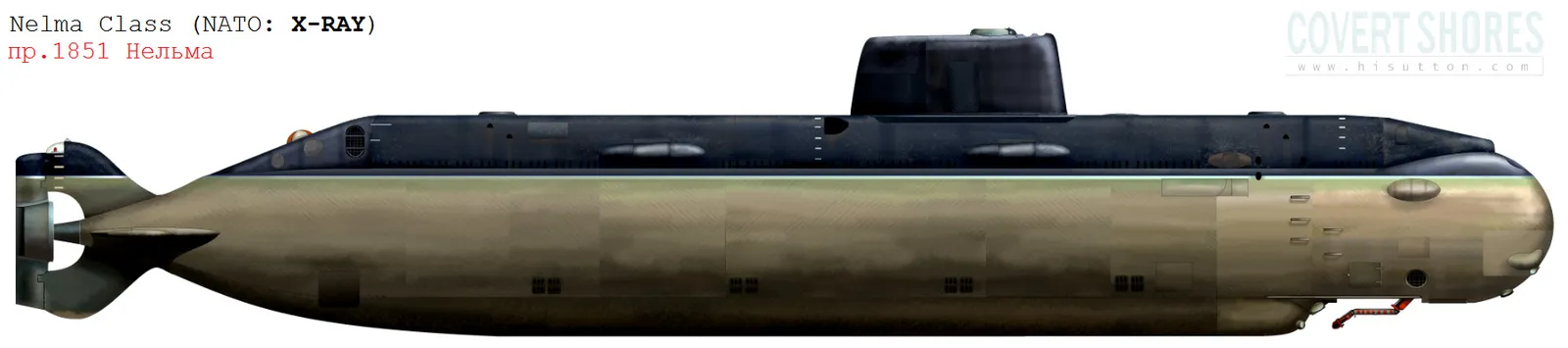
Open references split the family between the single Project 1851 / 18510 Nelma boat and the two improved Project 18511 Halibut / Paltus boats.

VariantConfigurationDesignation notes
AS-23Project 1851 / 18510 Nelma boat

GlobalSecurity lists AS-23 as the first Project 1851 unit, laid down in 1981, launched in 1983, and accepted by the Northern Fleet in 1986.

Sources: Project 678 / Project 1851 - Nelma class / X-Ray class

Paltus-class submarine, Nuclear-powered special-purpose mini-submarine, Naval SystemsPaltus-class submarineImproved two-boat follow-on class

Covert Shores and GlobalSecurity describe AS-21 and AS-35 as modified Project 18511 follow-on boats that joined the original X-Ray-family design.

Sources: Russian X-RAY Class Special Mission submarine, Project 678 / Project 1851 - Nelma class / X-Ray class

Related Deep-Water Systems

Project 1851 sits inside a small family of Soviet and Russian deep-water station programs rather than a conventional submarine lineage. Published carrier details are treated cautiously because open sources describe modified mothership configurations rather than ordinary baseline hull classes.

Related systemConnectionWhy it matters
Paltus-class submarine, Nuclear-powered special-purpose mini-submarine, Naval SystemsPaltus-class submarineImproved follow-onProject 18511 AS-21 and AS-35 extended the Project 1851/X-Ray concept into a two-boat Halibut/Paltus subfamily.
Kashalot-class submarine, Deep-diving special-purpose submarine, Naval SystemsKashalot-class submarineAdjacent GUGI stationProject 1910 was a larger parallel deep-diving station family that appears alongside X-Ray and Paltus in open GUGI capability discussions.
Losharik submarine, Nuclear-powered deep-water special-purpose submarine, Naval SystemsLosharik submarineLater deep-water stationProject 10831 Losharik represents the later generation of carrier-supported Russian deep-water stations discussed with X-Ray, Paltus, and Kashalot.
Timeline

Almaz / X-Ray Key Events

  1. AS-23 laid down

    GlobalSecurity says the first Project 1851 submarine, AS-23, was laid down at Sudomech in Leningrad in September 1981.

    Sources: Project 678 / Project 1851 - Nelma class / X-Ray class

  2. First boat enters service

    GlobalSecurity and Modellmarine both place AS-23 in service in 1986, making it the first operational X-Ray-family deep-water station.

    Sources: Project 678 / Project 1851 - Nelma class / X-Ray class, Russisches Spezial-U-Boot des Typs Almaz/Projekts 1851 (1/700, L'Arsenal) von Eberhard Sinnwell

  3. Follow-on Project 18511 boat commissions begin

    GlobalSecurity records AS-21 entering service in December 1991 and AS-35 joining in October 1995 as the improved Project 18511 follow-ons.

    Sources: Project 678 / Project 1851 - Nelma class / X-Ray class

  4. Seabed-warfare relevance remains current

    RUSI's analysis of Russian activity against undersea infrastructure still treats X-Ray as part of the country's specialised GUGI capability set.

    Sources: Stalking the Seabed: How Russia Targets Critical Undersea Infrastructure

Media
Related Weapon Systems
Paltus-class submarine, Nuclear-powered special-purpose mini-submarine, Naval SystemsNaval SystemsPaltus-class submarineNuclear-powered special-purpose mini-submarineThe Paltus-class submarine is the NATO reporting name for Russia's Project 18511 Halibut nuclear-powered special-purpose deep-water station family. Open sources describe two boats, AS-21 and AS-35, as improved follow-ons to the Project 1851 X-Ray/Nelma design, built at the Leningrad/Admiralty yard for carrier-borne deep-sea missions, diver-support work, and GUGI-linked seabed operations; published dimensions vary widely because the class remains highly opaque.
Losharik submarine, Nuclear-powered deep-water special-purpose submarine, Naval SystemsNaval SystemsLosharik submarineNuclear-powered deep-water special-purpose submarineLosharik is Russia's one-off Project 10831 / AS-31 nuclear-powered deep-water station built for GUGI special seabed missions rather than conventional attack-submarine combat. Open sources describe a Sevmash-built, Malakhit-designed boat with titanium spherical pressure compartments, host-submarine support, sonar and manipulator-style mission equipment, and a long repair cycle after the fatal July 2019 battery-compartment fire.
K-329 Belgorod submarine, Special-purpose nuclear-powered submarine, Naval SystemsNaval SystemsK-329 Belgorod submarineSpecial-purpose nuclear-powered submarineK-329 Belgorod is a Russian Project 09852 special-purpose nuclear-powered submarine rebuilt from an unfinished Project 949A Oscar II / Antey hull. Public sources connect it to Poseidon underwater strike-vehicle carriage, GUGI-style deep-sea payload work, research and rescue missions, and possible carriage of smaller deep-diving submarines, but this record remains relationship-only because no cited source documents combat use by Belgorod in a named conflict.
Project 22010 (Yantar/Kruys) special-purpose oceanographic intelligence ship, Oceanographic intelligence ship, Naval SystemsNaval SystemsProject 22010 (Yantar/Kruys) special-purpose oceanographic intelligence shipOceanographic intelligence shipProject 22010, also known as Yantar or Kruys, is a Russian oceanographic intelligence-ship family built around deep-sea survey, recovery, and special-mission payloads. The lead ship Yantar was built by Yantar Shipyard for Russia's deep-sea research directorate and commissioned in 2015; UK defence officials later identified it as a spy vessel used for intelligence gathering and undersea-cable mapping.
Oscar II-class submarine, Nuclear-powered cruise missile submarine, Naval SystemsNaval SystemsOscar II-class submarineNuclear-powered cruise missile submarineThe Oscar II-class submarine is NATO's reporting name for Project 949A Antey, the improved Soviet/Russian third-generation nuclear-powered cruise-missile submarine designed by Rubin and built by Sevmash. The class was built around a carrier-strike mission with 24 P-700 Granit anti-ship missiles in side launchers, a large double-hull SSGN design, long endurance, and improved crew habitability; later Project 949AM modernization reporting centers on replacing the Granit fit with newer cruise missiles.

Sources