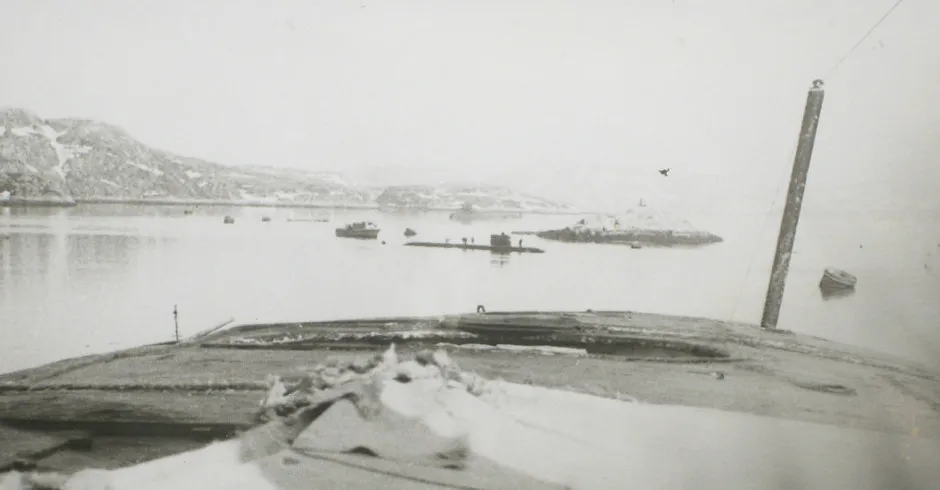
The Paltus boats sit in the Russian nuclear deep-water station line rather than in the normal attack-submarine force. Public sources describe Project 18511 as the improved two-boat Halibut/Paltus follow-on to Project 1851 X-Ray/Nelma, carried to operating areas by larger host submarines for deep-sea tasks.
| Element | Documented context | Catalog note |
|---|
| Project family | One Project 1851 AS-23 boat was followed by Project 18511 AS-21 and AS-35. | The page links the parent X-Ray/Nelma record because sources treat the three boats as a closely related family. |
| Carrier concept | GlobalSecurity describes the AGS as part of a complex using modified nuclear-submarine carriers and crew transfer through a transition compartment. | This supports carrier-borne deep-sea operation, but not a specific host submarine for every Paltus sortie. |
| Mission equipment | References describe pressure-chamber/diver-support equipment, manipulator arms or grabbers, and special deep-sea devices. | Open sources support seabed-work capability while leaving many payload and sensor details classified or disputed. |
| Conflict attribution | RUSI places Paltus within GUGI's seabed-warfare capability set. | No public source found in this pass identifies AS-21 or AS-35 in a named war, strike, or loss event. |