Electronic Warfare

Leer-2 electronic warfare system

Also known as
  • 85Ya6 Leer-2
  • 85Я6 Леер-2
  • Tigr-M MKTK REI PP
  • MKTK REI PP Leer-2
  • Leer-2E

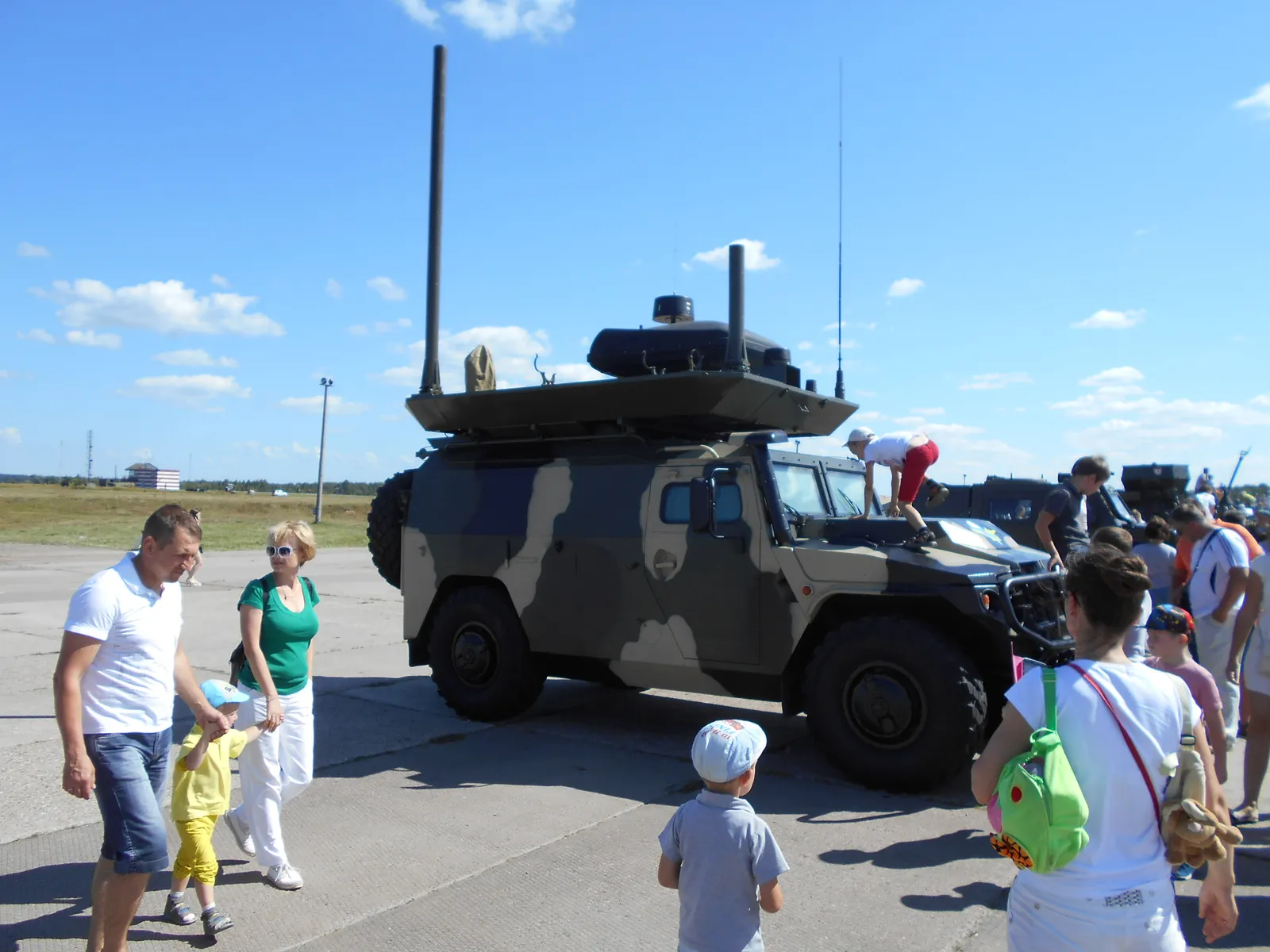
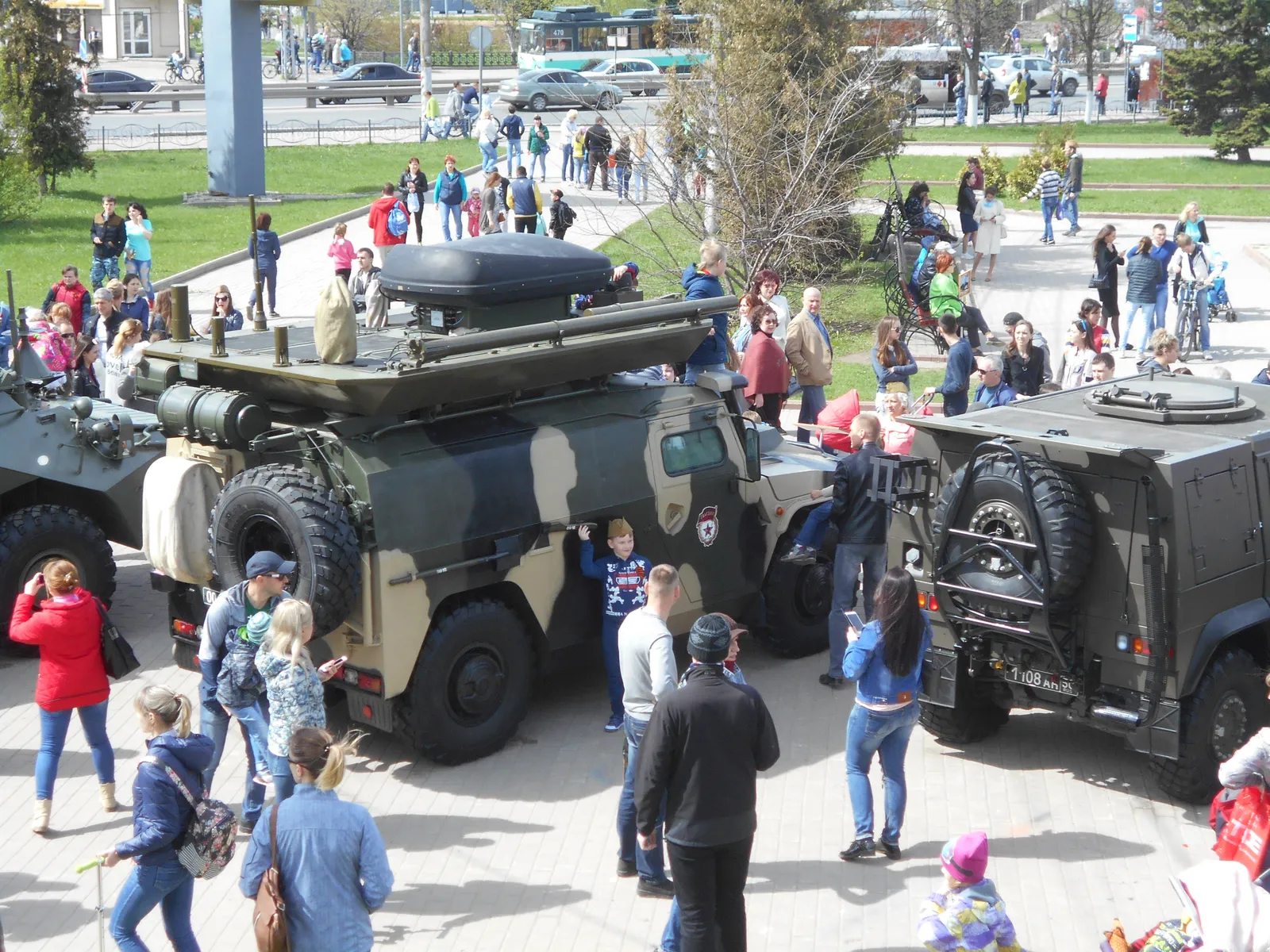
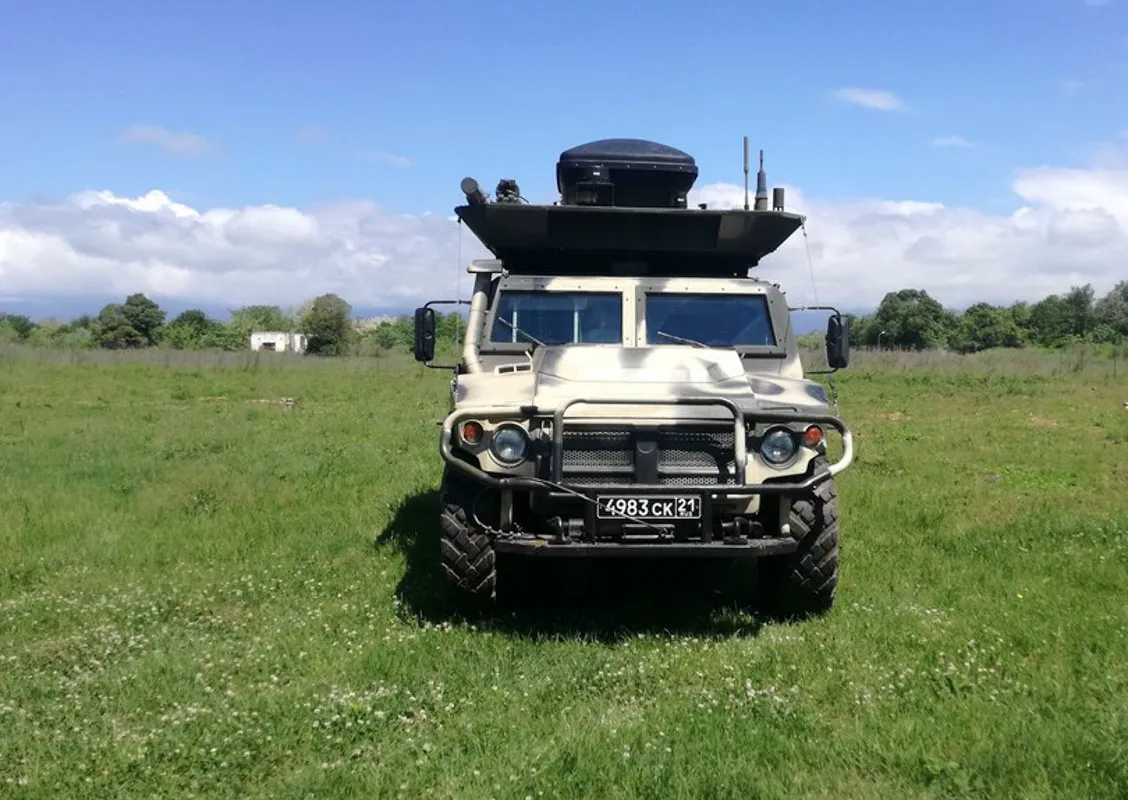
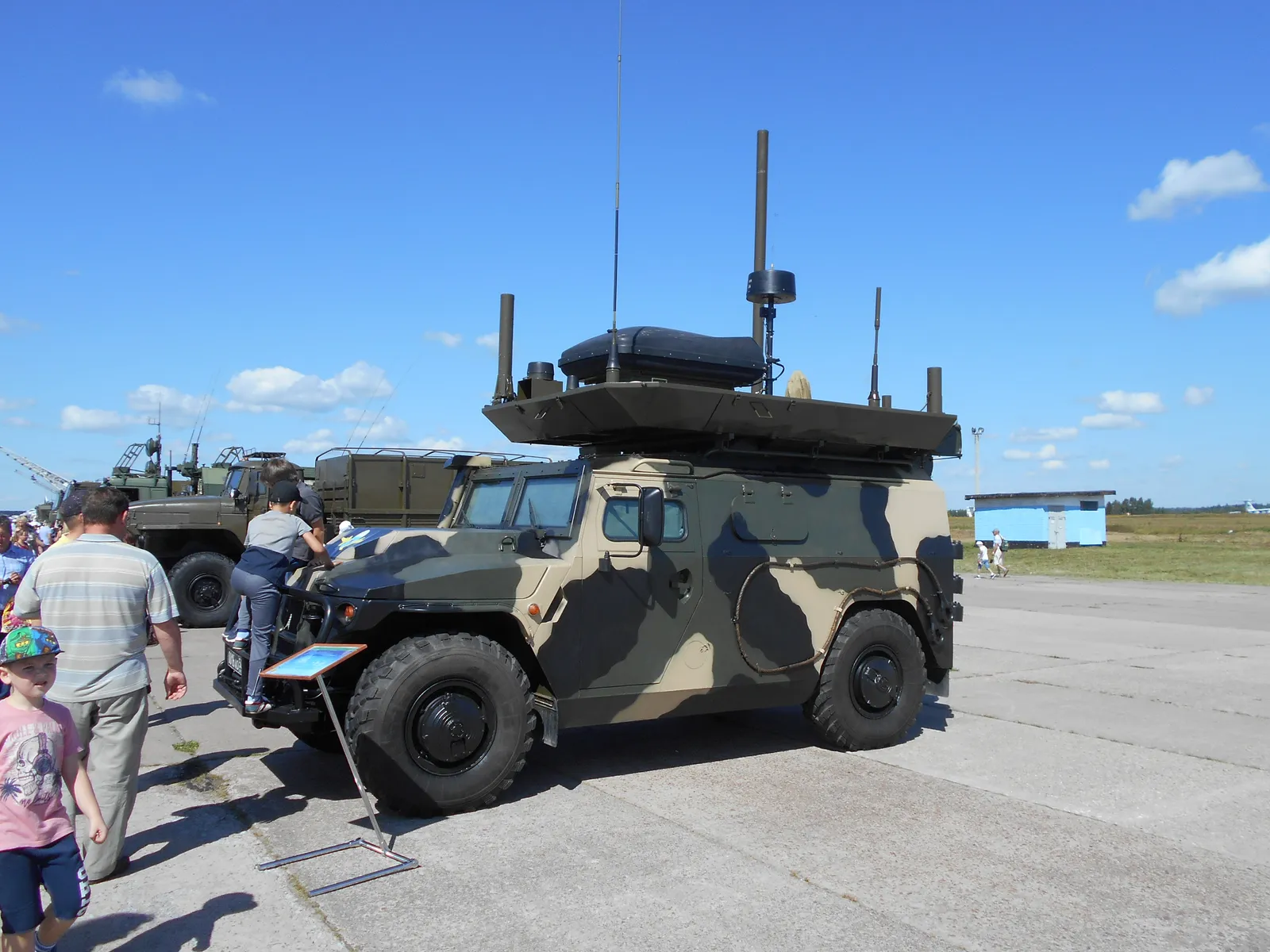
The Leer-2 is a Russian mobile electronic warfare system installed on a Tigr-M 4x4 armored vehicle and built for radio reconnaissance, signal emulation, and jamming of enemy communications. Open sources describe a compact two-operator mission system with roof-mounted antennas, while Ukrainian reporting documents a Russian Leer-2 detected and destroyed in the Donetsk direction in November 2023.

Role in Conflicts

Profile / Specs

Profile

Origin
Russia
Type
Mobile electronic warfare vehicle
Service note
Introduced in the early 2010s and documented in Russian service during the Russia-Ukraine war.
Designer
VNII Etalon electronic-warfare equipment with Tigr-M vehicle integration by Russia's military-industrial vehicle sector
Designed
Early 2010s
Produced
2012 onward in Russian service reporting

Specifications

Crew
2 + 4 soldiers reported for the Tigr-M Leer-2 vehicle; Russian-language references also describe a driver and operator crew for the EW task
Chassis
Tigr-M 4x4 armored vehicle; KAMAZ-4350 truck chassis also reported as an installation option
Mission equipment
Technical-control and electronic-intelligence workstation, electronic countermeasures equipment, communications, power supply, and specialized mission software
EW functions
Radio-emitter reconnaissance, signal recording and measurement, radio-electronic emulation, and selective or wideband communications jamming
Communications targets
VHF radio, GSM 900, GSM 1800/1900, CDMA 2000, WCDMA, AMPS/DAMPS, NMT-4501, TETRA, and MPT-1327 systems reported by Army Recognition
Combat weight
About 7,800 kg
Vehicle speed
125 km/h reported by Army Recognition; Russian-language summaries also cite up to 140 km/h
Vehicle range
400 km reported by Army Recognition
Dimensions
5.7 m length, 2.3 m width, 2.3 m height reported by Army Recognition
Protection
Armored Tigr-M body with protection against small-arms fire; Army Recognition cites STANAG 4569-level ballistic protection wording
Mission Equipment

Leer-2 combines an armored Tigr-M vehicle with a compact electronic-warfare package for finding radio emitters, measuring and recording signals, emulating radio-electronic systems, and jamming selected communications bands. Public descriptions emphasize mobility and short exposure near the front rather than a stand-off trailer or fixed-site layout.

Electronic attack role

Army Recognition describes selective and wideband jamming against VHF, cellular, and trunking communications systems.

Emitter intelligence

The same profile lists search-direction finding, recording, and parameter measurement for standard VHF, cellular, and trunking radio signals.

Mobile antenna fit

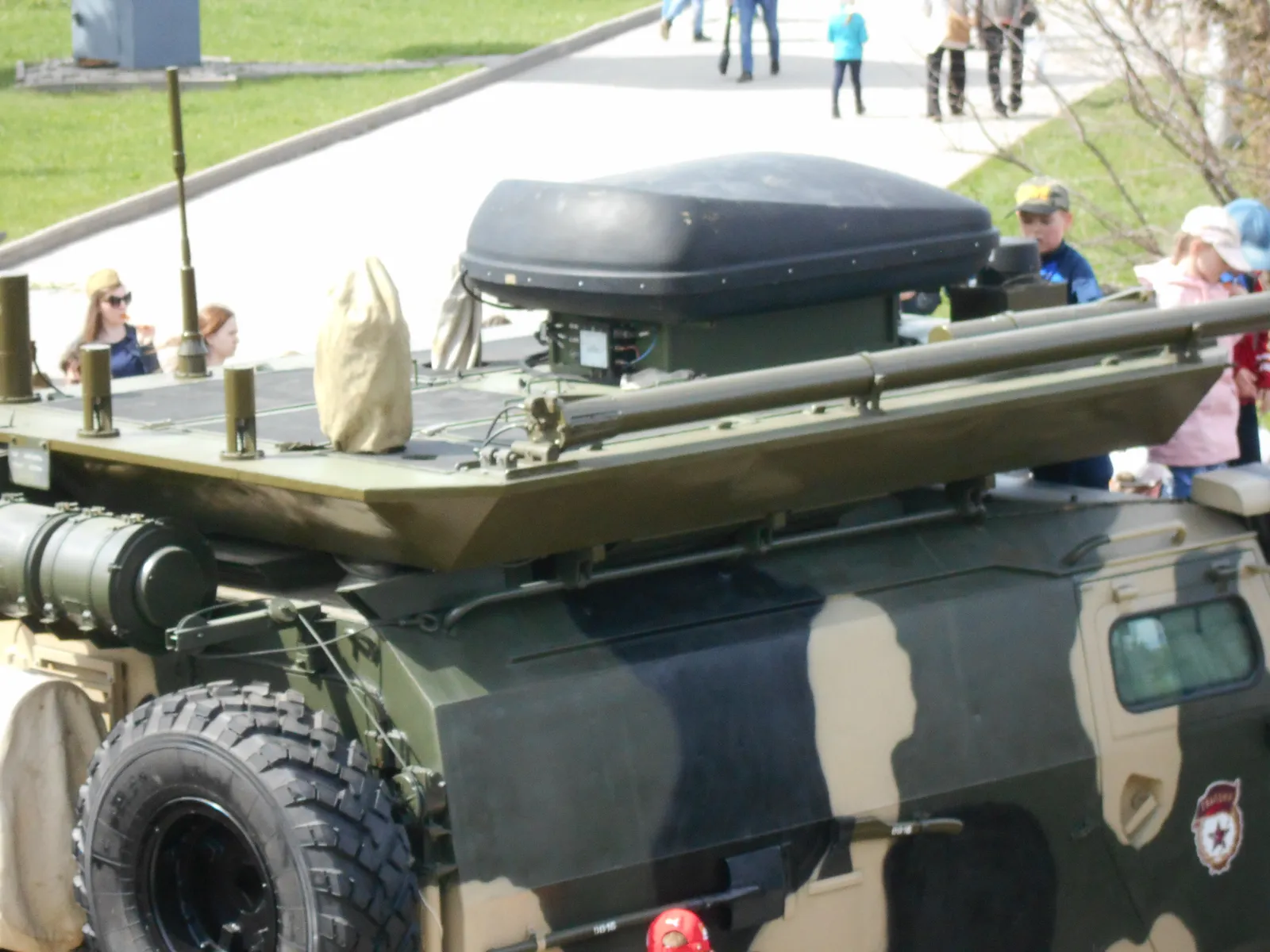
The Tigr-M installation carries its electronic-warfare antennas on a roof platform and can operate while moving or from a static position.

Variants

Public references treat Leer-2 as a Tigr-M-mounted EW system, with an export designation and a reported alternate KAMAZ-4350 truck installation.

VariantConfigurationDesignation notes
Tigr-M MKTK REI PP / 85Ya6 Leer-2Baseline armored 4x4 configuration

Specialist references describe the main Leer-2 package as electronic-warfare equipment integrated into the Tigr-M armored vehicle, with roof-mounted antennas and onboard technical-control, electronic-intelligence, countermeasures, communications, power, and software equipment.

Sources: Army Recognition Leer-2 85Ya6

Leer-2EExport version

Army Recognition lists Leer-2E as the export version of the Russian Leer-2 vehicle.

Sources: Army Recognition Leer-2 85Ya6

KAMAZ-4350-mounted Leer-2Alternate truck chassis option

Army Recognition reports that the Leer-2 electronic-warfare system can also be mounted on a KAMAZ-4350 truck chassis.

Sources: Army Recognition Leer-2 85Ya6

Timeline

Leer-2 electronic warfare system Key Events

  1. Russian land-forces service reported

    Army Recognition states that the Leer-2 has been in Russian land-forces service since 2012.

    Sources: Army Recognition Leer-2 85Ya6

  2. Airborne-forces delivery reported

    Vremya N reported that ten Leer-2 systems on Tigr armored-car chassis were expected to enter Russian Airborne Forces service in 2013.

    Sources: Vremya N Leer-2 Airborne Delivery

  3. Russian Leer-2 destroyed in Donetsk direction

    Ukrinform reported that Ukrainian Special Operations Forces destroyed a Russian Leer-2 after detecting and tracking it in the Donetsk direction.

    Sources: Ukrinform Leer-2 Donetsk Strike

Related Weapon Systems
1K148 Yastreb-AV, Self-propelled counter-battery artillery reconnaissance radar complex, Electronic WarfareElectronic Warfare1K148 Yastreb-AVSelf-propelled counter-battery artillery reconnaissance radar complexThe 1K148 Yastreb-AV is a Russian self-propelled counter-battery radar complex attributed to the Almaz-Antey industrial group and Tula-based NPO Strela. Open reporting describes it as a phased-array artillery reconnaissance system on a BAZ-6910-025 8x8 chassis, built to track incoming shells or rockets and calculate artillery firing positions for counter-battery fire. Russian state-linked reporting announced its use with Russian artillery units in Ukraine in January 2024, while Ukrainian military, government-linked, and independent news coverage later documented the destruction of multiple Russian Yastreb-AV systems.
1L271 Aistyonok, Portable mortar locating reconnaissance radar, Electronic WarfareElectronic Warfare1L271 AistyonokPortable mortar locating reconnaissance radarThe 1L271 Aistyonok is a Russian portable mortar-locating and artillery-reconnaissance radar built for battalion-to-brigade fire support. Rosoboronexport describes the export system as a modular radar for detecting 81-120 mm mortar positions, tracking shell bursts for artillery correction, and observing moving ground targets out to 20 km; specialist radar references describe a 135 kg J-band set, while open-source conflict reporting documents Russian-linked use in Syria and Ukraine plus Armenian/Artsakh wartime fielding problems in the 2020 Nagorno-Karabakh conflict.

Sources