Profile
- Origin
- Bulgaria
- Built by
- Samel-90
- Type
- 152 mm electronic warfare artillery round
- Designed
- Mid-1980s concept lineage
- Produced
- Publicly documented by 2019
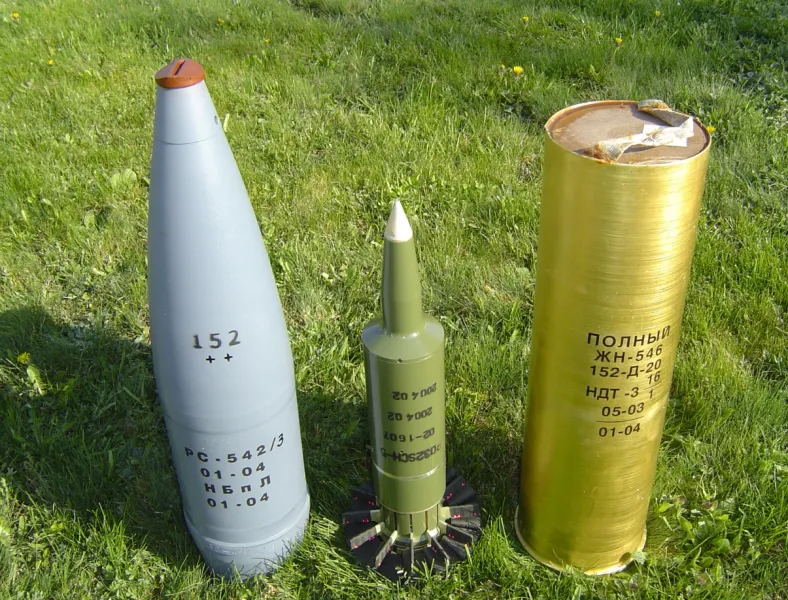
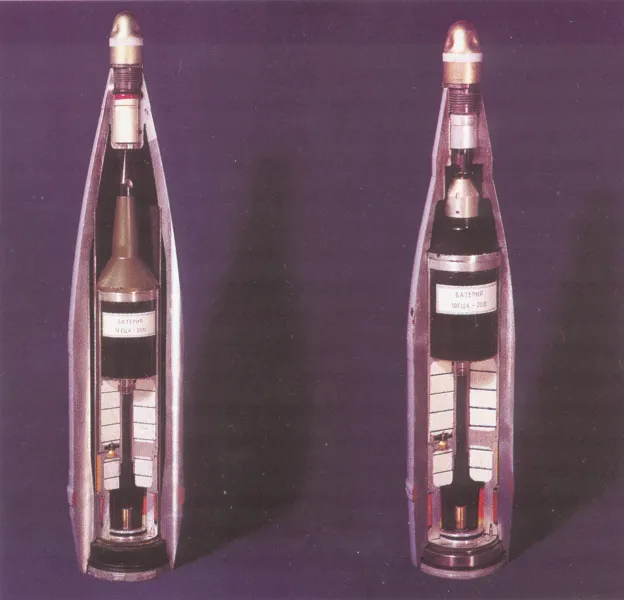
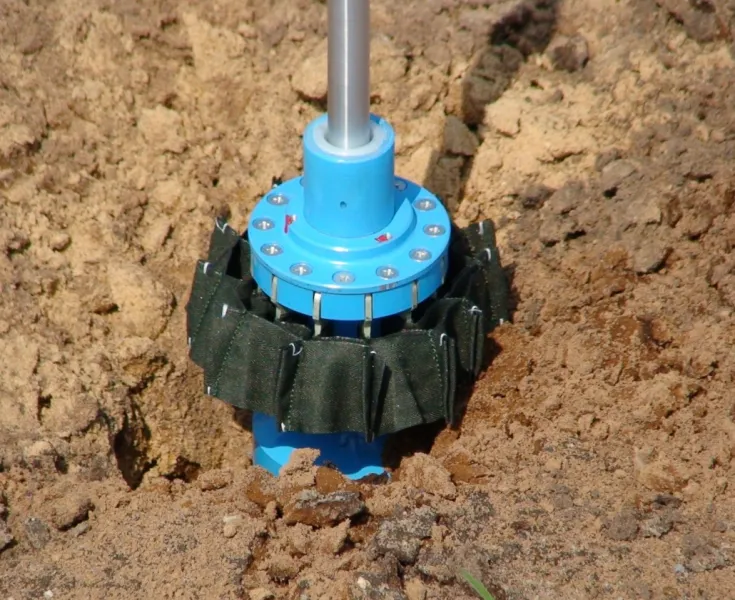
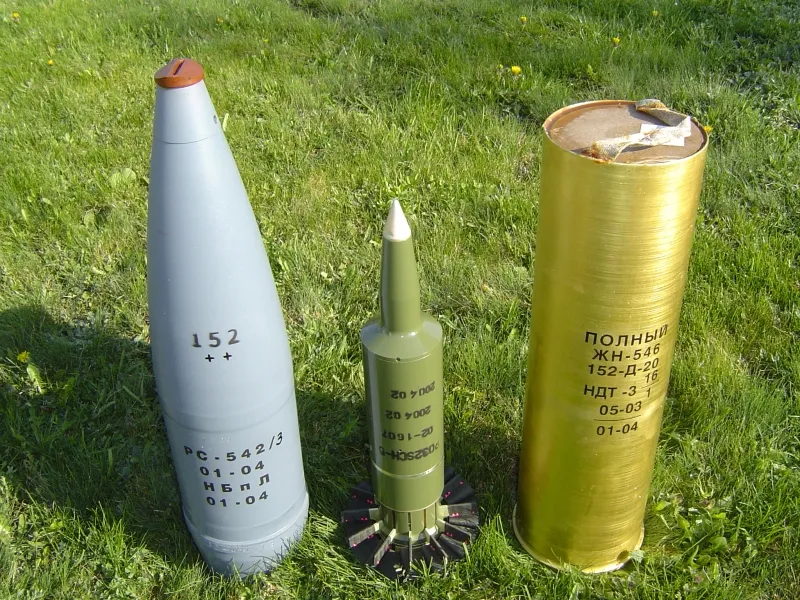
HS30 jamming round is a Bulgarian 152 mm single-use artillery radio jammer marketed by Samel-90. Public product material says the shell is fired like ordinary HE cargo ammunition, separates over the target area, deploys a parachute and antenna, and then jams tactical HF/VHF radios for about an hour; 2A65 ammunition listings also name HS30 among the projectiles that howitzer can fire.
Public ammunition references tie HS30 to the 2A65 Msta-B howitzer.
| Firing weapon | Weapon type | Firing evidence |
|---|---|---|
 | 152 mm towed howitzer | Army Guide's 2A65 ammunition listing names the HS30 jamming round among the projectiles the howitzer can fire. Sources: Army Guide 2A65 MSTA-B |
Samel-90 describes the shell as a one-shot artillery jammer that is fired like ordinary HE cargo ammunition, then separates over the target area and starts transmitting only after the payload opens.
| Stage | Documented detail | Why it matters |
|---|---|---|
| Band selection | The jammer line covers 1.5 to 120 MHz in eight overlapping pieces. | That spans tactical HF and VHF radio bands without changing the basic shell concept. |
| Launch | The shell is fired using ordinary artillery tables and the same procedure used for HE or other cargo shells. | Artillery crews can employ it with normal guns and established fire control. |
| In flight | A time fuze triggers separation, then a parachute system slows and stabilizes the payload. | The round is designed to deploy the jammer over the target area rather than at the muzzle. |
| Effect window | The jammer switches off automatically after the assigned operating time, listed as 60 +/- 5 minutes in family specifications. | It is meant for a finite tactical disruption window, not persistent area denial. |
Arabian Defence says Samel-90 began in 1964 as a Bulgarian military equipment plant before expanding into artillery jammers and other defense electronics.
Sources: Arabian Defence Samel-90 PLC
Armada International says the Bulgarian Army pioneered RF-jamming shells in the mid-1980s, establishing the concept behind Samel-90's artillery jammer line.
Sources: Armada Radio Silence
Armada International's December 2019 coverage describes Samel-90's publicity material for 152 mm HF/VHF jamming artillery shells.
Sources: Armada Radio Silence