Naval Systems

Frauenlob class minesweeper

Also known as
  • Frauenlob class
  • Frauenlob-class minesweeper
  • Frauenlob-Klasse
  • Class 394
  • Klasse 394
  • Class 362
  • Klasse 362
  • Binnenminensuchboot Frauenlob
  • Type 394 coastal minesweeper
  • Frauenlobstrasse Type 394
  • M 2658 Frauenlob
  • M 2671 Frauenlob
  • W 31 Frauenlob

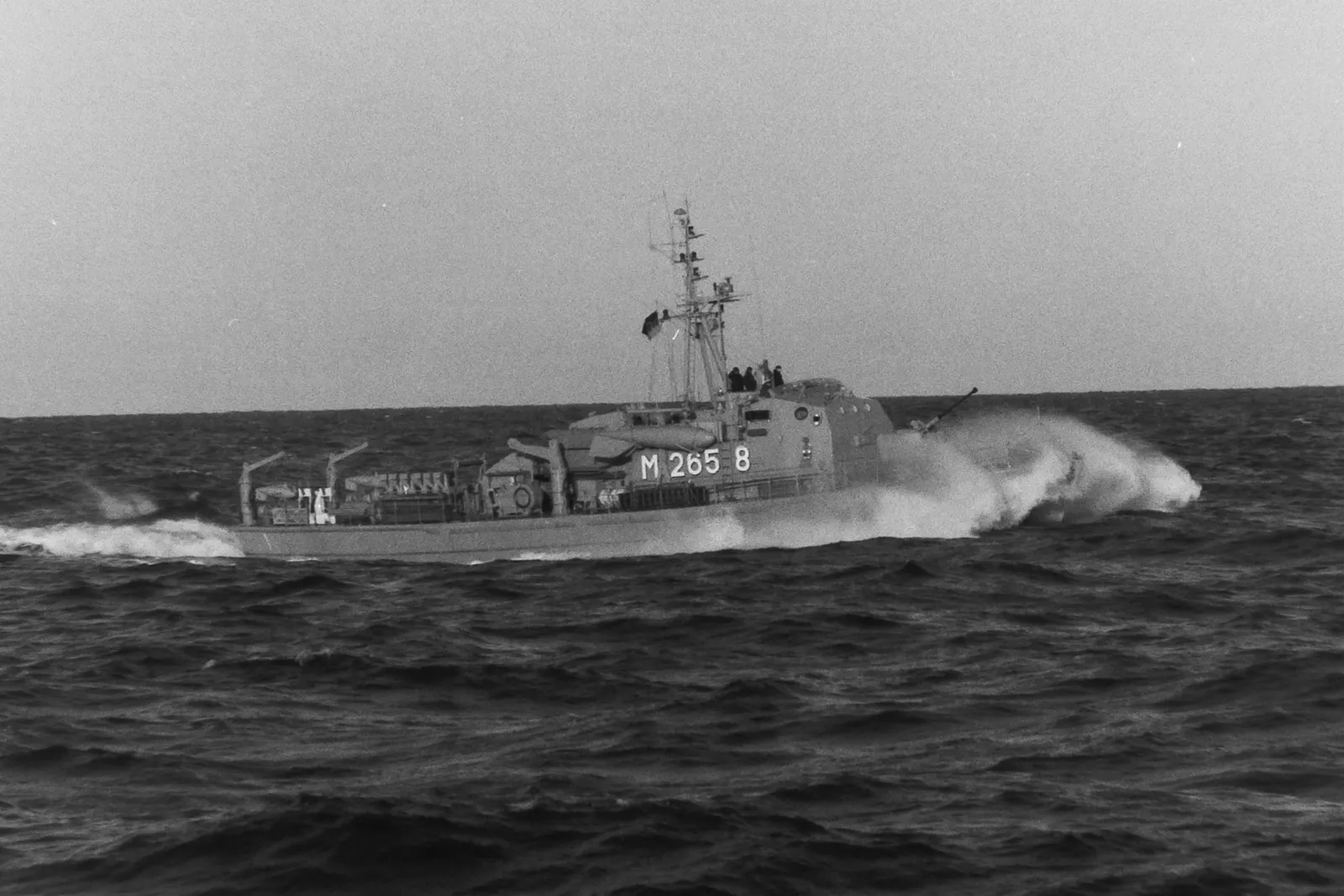
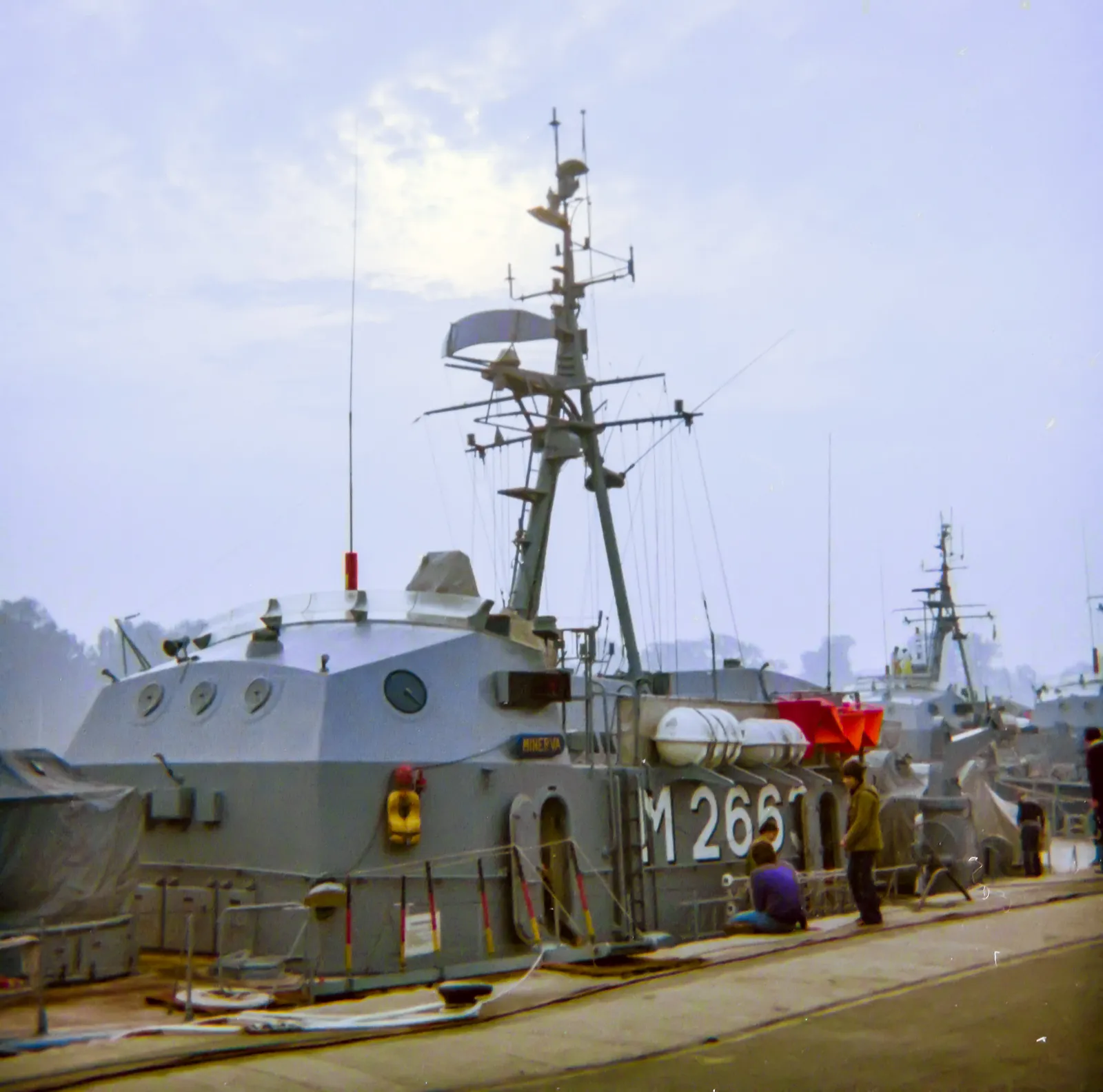
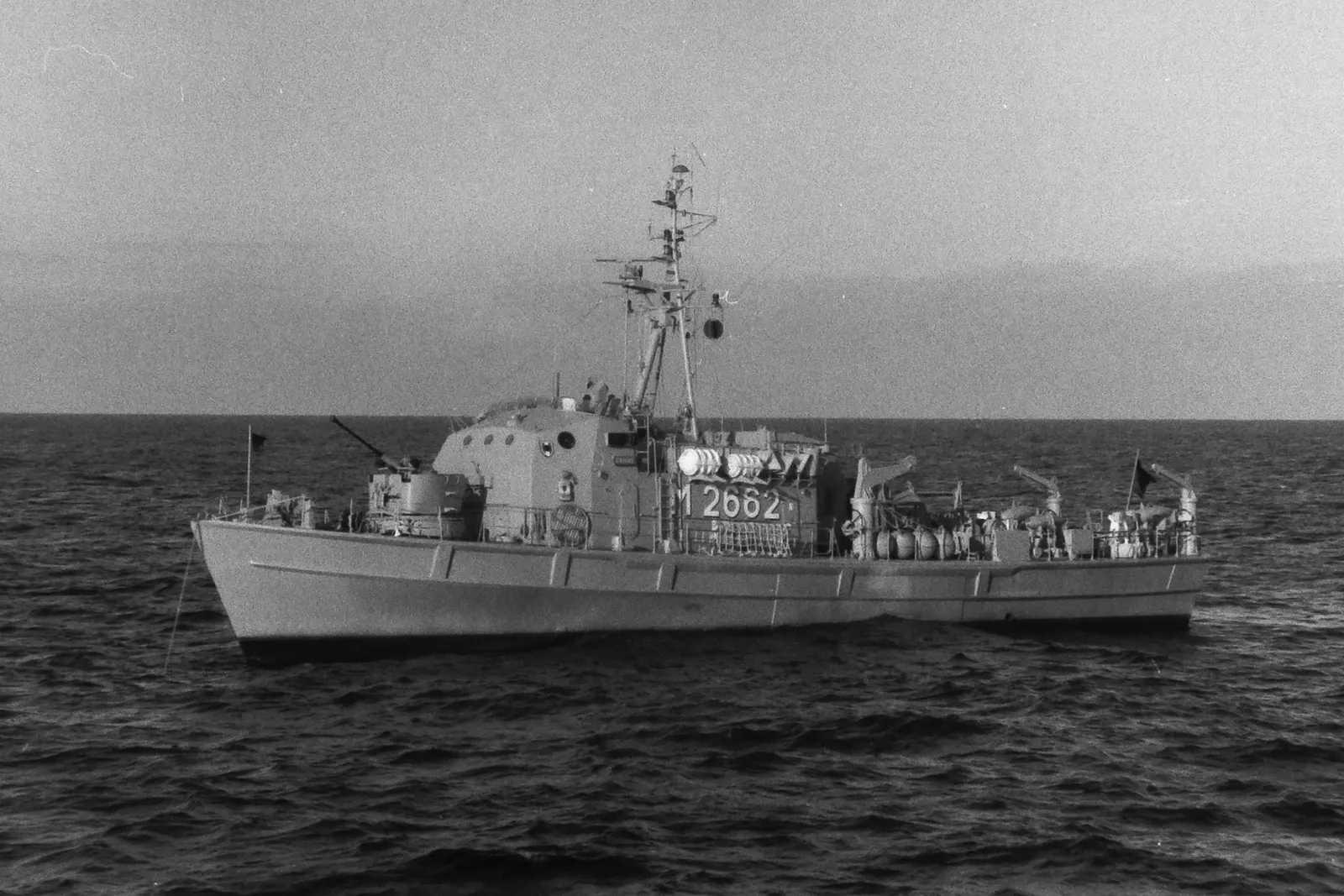
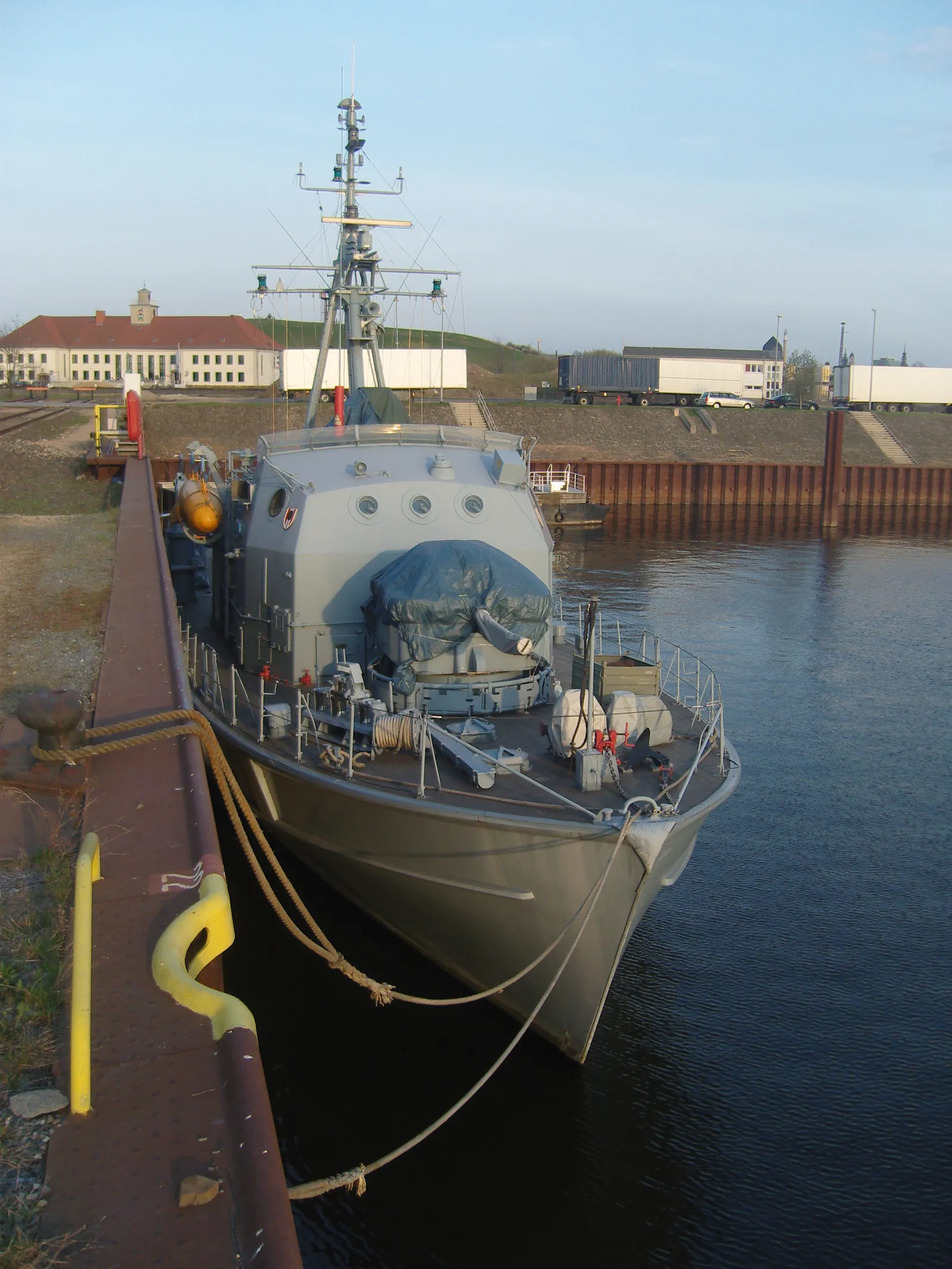
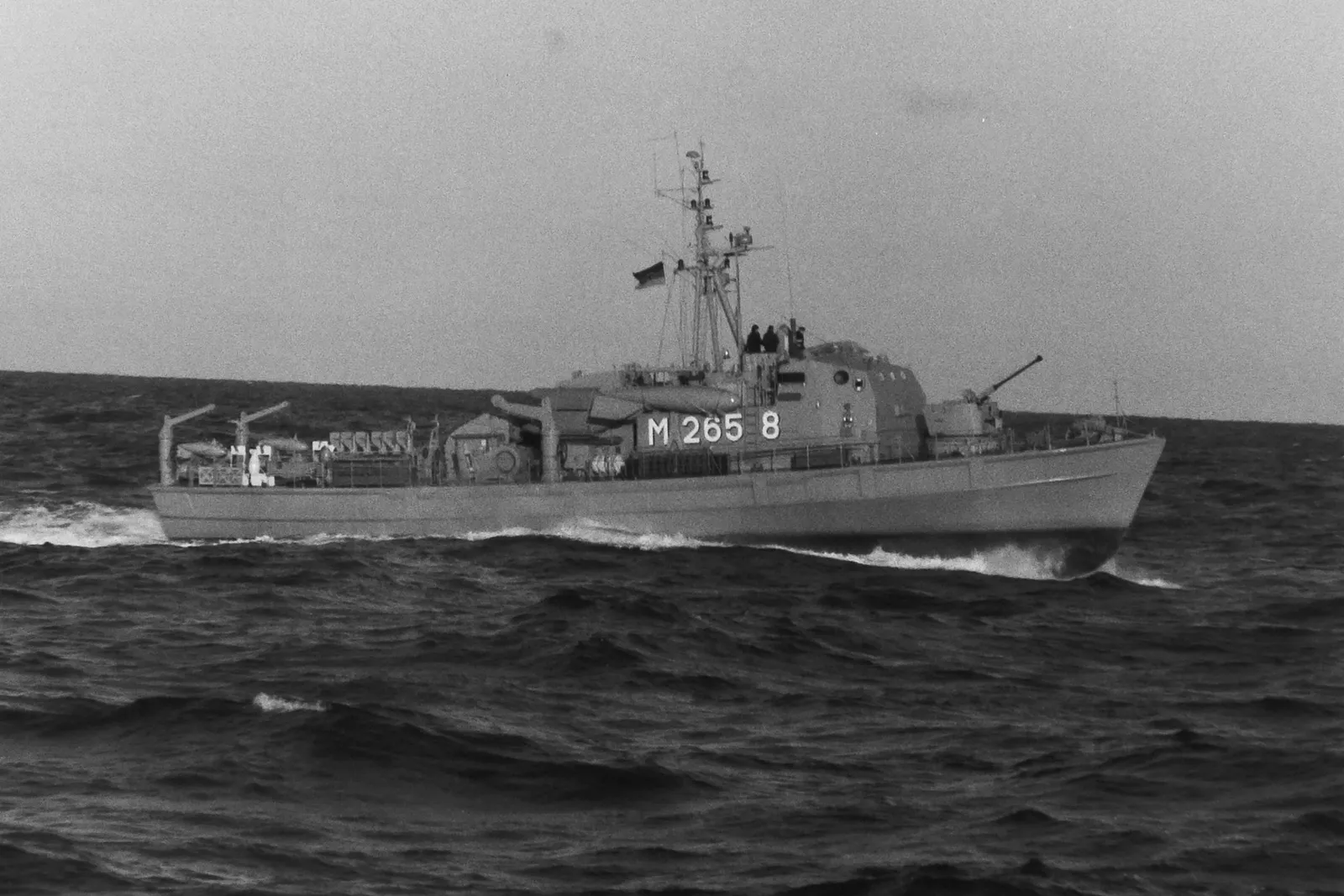
The Frauenlob class was a West German wooden-hulled inshore mine-warfare boat family built by Krögerwerft at Rendsburg. Bundesarchiv-linked records and specialist ship databases describe the boats as Class 362 coastal guard craft that became Class 394 inshore minesweepers, with ten Bundesmarine hulls entering service from 1966 to 1969 and three former German boats later forming part of Estonia's post-restoration mine-countermeasures force into the 2000s.

Profile / Specs

Profile

Origin
Germany
Built by
Krögerwerft
Type
Inshore minesweeper class
Service note
1966-2002 German service, followed by Estonian transfer service into the 2000s
Produced
1964-1968 construction; 1966-1969 commissioning
Number built
10

Specifications

Length
43.80 m overall
Length between perpendiculars
38.01 m in the public class summary
Beam
8.20 m in SchiffsSpotter and class summaries; HMA lists 8.29 m for Frauenlob
Draft
2.10 m
Displacement
238 t in SchiffsSpotter/class summaries; HMA lists 249 t maximum for Frauenlob
Crew
24 in HMA; 28 in SchiffsSpotter/class summaries; some English-language summaries list 25
Propulsion
Two Mercedes-Maybach 12-cylinder diesel engines, each rated at 736 kW / 1,000 PS in SchiffsSpotter data
Propellers
Two four-bladed propellers, 1.18 m diameter in German class data
Speed
14.5 kn
Armament
One 40 mm L/70 Bofors gun and minesweeping gear
Mine-warfare fit
Minesweeping gear, with HMA listing 30 mines on rails for the minelayer configuration and English-language summaries describing magnetic/acoustic sweeping arrangements
Designation And Service Context

The Frauenlob class is best read as a small mine-countermeasures support class rather than as a combatant with documented conflict employment. German archival metadata identifies Class 394 as a former Class 362 coastal guard-boat/minesweeper program, while public ship lists show the boats moving through different W, M, and sometimes Y pennant-number conventions during service.

German service

Ten boats commissioned from 1966 to 1969 and served in Bundesmarine mine-warfare formations before withdrawals from the mid-1990s through 2002.

Sources: Historisches Marinearchiv Class 394 List; SchiffsSpotter: Binnenminensuchboot Frauenlob.

Estonian service

Estonia received former German Frauenlob-class boats as Olev, Kalev, and Vaindlo while rebuilding a mine-countermeasures force after independence; open sources differ on final retirement dates, so the page avoids a single exact end date.

Sources: Estonian Defence Forces Navy History; HMA records for Minerva/Kalev, Diana/Olev, and Undine/Vaindlo.

Mine-warfare role

The class combined a 40 mm Bofors gun with minesweeping equipment for inshore and coastal mine-countermeasures work, and HMA records also list a minelayer configuration carrying mines on rails.

Sources: M 2671 Frauenlob - Das Historische Marinearchiv; SchiffsSpotter: Binnenminensuchboot Frauenlob; GlobalSecurity: Type 394 Coastal Minesweeper.

Variants

Public records distinguish the original Class 362 coastal-guard designation from the Class 394A/394B inshore-minesweeper service designation; Estonian service reused three former German hulls under new names.

VariantConfigurationDesignation notes
Class 394AMain inshore-minesweeper subclass

German public class lists identify eight of the ten Frauenlob-class boats as Class 394A after their original Class 362 coastal-guard designation.

Sources: Frauenlob-Klasse - German Wikipedia, Historisches Marinearchiv Class 394 List

Class 394BTwo-boat subclass

Frauenlob and Minerva are listed as Class 394B boats in the public class record, while the wider family remained the Class 394 Frauenlob inshore-minesweeper class.

Sources: Frauenlob-Klasse - German Wikipedia, SchiffsSpotter: Binnenminensuchboot Frauenlob

Estonian Navy Olev, Kalev, and VaindloTransferred former German hulls

Estonian Defence Forces history lists Olev, Kalev, and Vaindlo as former West German Frauenlob-class minesweepers received from Germany during the rebuilt Estonian Navy's early mine-countermeasures period.

Sources: Estonian Defence Forces Navy History

Shipboard Gun

Frauenlob-class records identify the class armament as a single 40 mm L/70 Bofors gun alongside mine-warfare equipment.

Carried itemItem typeCarriage evidence
Bofors 40 mm L/70, 40 mm towed anti-aircraft autocannon, Air DefenseBofors 40 mm L/7040 mm naval and anti-aircraft gun

SchiffsSpotter lists Frauenlob with one 40 mm 40/L70 Bofors gun; the German class summary also lists a single 40 mm L/70 Bofors mount for the class.

Sources: SchiffsSpotter: Binnenminensuchboot Frauenlob, Frauenlob-Klasse - German Wikipedia

Timeline

Frauenlob class minesweeper Key Events

  1. Class 394 technical records begin

    A Bundesarchiv record surfaced through Deutsche Digitale Bibliothek places Frauenlob-class Class 394 technical-supervision files, including a 1964 general plan, in the BWB shipbuilding-technology archive series.

  2. Lead boat enters Bundesmarine service

    Specialist ship records list Frauenlob entering Bundesmarine service in September 1966 as a Class 394 inshore minesweeper after launch and fitting-out at Krögerwerft.

  3. Ten-boat class enters service

    Historisches Marinearchiv's class list shows ten Frauenlob-class Class 394 boats commissioning between 1966 and 1969, from Frauenlob through Acheron.

  4. Former German boats join Estonia

    Estonian Defence Forces history records former German Frauenlob-class minesweepers entering Estonian service as Olev and Kalev in 1997, with Vaindlo following in 2003.

  5. Transferred boats leave Estonian service

    Estonian Defence Forces material places the last Frauenlob-class retirements in the same period that Estonia shifted to later mine-countermeasures ships, before Sandown-class minehunters became the navy's main mine-warfare vessels.

Media
Related Weapon Systems
Frankenthal class minehunter, Minehunter class, Naval SystemsNaval SystemsFrankenthal class minehunterMinehunter classThe Frankenthal class is the German Navy's Type/Class 332 minehunter family, built from a Hameln-derived common platform by Lürssen, Abeking & Rasmussen, and Krögerwerft. Bundeswehr data describe ten MJ332 boats with non-magnetic steel hulls, Seefuchs/SeaFox mine-disposal drones, mine rails, diver facilities, and MJ332B, MJ332C, and MJ332CL mission fits, while former German hulls also served the UAE as Al Murjan-class mine-countermeasure vessels.
Type 082 / 082I / 082II mine countermeasure vessel, Chinese People's Liberation Army Navy minesweeper and mine countermeasure vessel family, Naval SystemsNaval SystemsType 082 / 082I / 082II mine countermeasure vesselChinese People's Liberation Army Navy minesweeper and mine countermeasure vessel familyThe Type 082 family is a Chinese PLAN mine countermeasure line spanning the original Wosao coastal minesweepers, the enlarged Type 082I Wosao II, and the more modern Type 082II Wozang minehunter. Open sources describe the family as a close-range mine-warfare force built around mechanical, magnetic, acoustic, and infrasonic sweeping, with the Wozang generation adding mine-hunting sensors, ROV-style neutralization vehicles, and remotely controlled Type 529/Wonang inshore minesweeping craft.
Project 10750 Sapfir / Lida-class inshore minesweeper, Inshore minesweeper class, Naval SystemsNaval SystemsProject 10750 Sapfir / Lida-class inshore minesweeperInshore minesweeper classProject 10750 Sapfir, known to NATO as the Lida class, is a Soviet and Russian inshore mine-countermeasures vessel class built for mine clearance in port approaches, naval-base waters, coastal shallows, and rivers. The design combines a fiberglass hull, mine-search sonar, sweep and mine-destruction gear, a 30 mm AK-306 gun, and an Igla-1 self-defense missile fit; RT-233's 2023-2024 fleet movement gives the class a sourced but limited 2014 Russia-Ukraine War connection rather than confirmed combat-loss evidence.
Alexandrit class / Project 12700, Coastal mine countermeasures vessel, Naval SystemsNaval SystemsAlexandrit class / Project 12700Coastal mine countermeasures vesselThe Alexandrit class, Russian Project 12700, is a Russian mine-countermeasures vessel class designed by Almaz and built by Sredne-Nevsky Shipyard for the Russian Navy. The class combines a monolithic fiberglass vacuum-infusion hull with trawls and unmanned mine-hunting vehicles, and it entered the Russia-Ukraine war record when Ukrainian intelligence said it disabled the Baltic Fleet lead ship Aleksandr Obukhov at Baltiysk in October 2024.
Project 1265 Yakhont / Sonya-class minesweeper, Coastal minesweeper / minehunter, Naval SystemsNaval SystemsProject 1265 Yakhont / Sonya-class minesweeperCoastal minesweeper / minehunterThe Project 1265 Yakhont, better known as the Sonya-class minesweeper, is a Soviet wooden-hulled coastal mine-countermeasure vessel family built for shallow-water sweeping and minehunting work. RussianShips.info traces the baseline and export lines through Avangard and Vladivostok shipyards, while USNI News identifies Ukraine's Sonya-class minehunter as one of the mine-warfare vessels lost during Russia's 2014 annexation of Crimea.

Sources