Air Defense

Enduring Shield

Also known as
  • Dynetics Enduring Shield
  • IFPC Inc 2 launcher
  • IFPC Increment 2
  • IFPC Inc 2
  • IFPC Inc 2 Block 1
  • Indirect Fire Protection Capability Increment 2 launcher
  • Enduring Indirect Fires Protection Capability

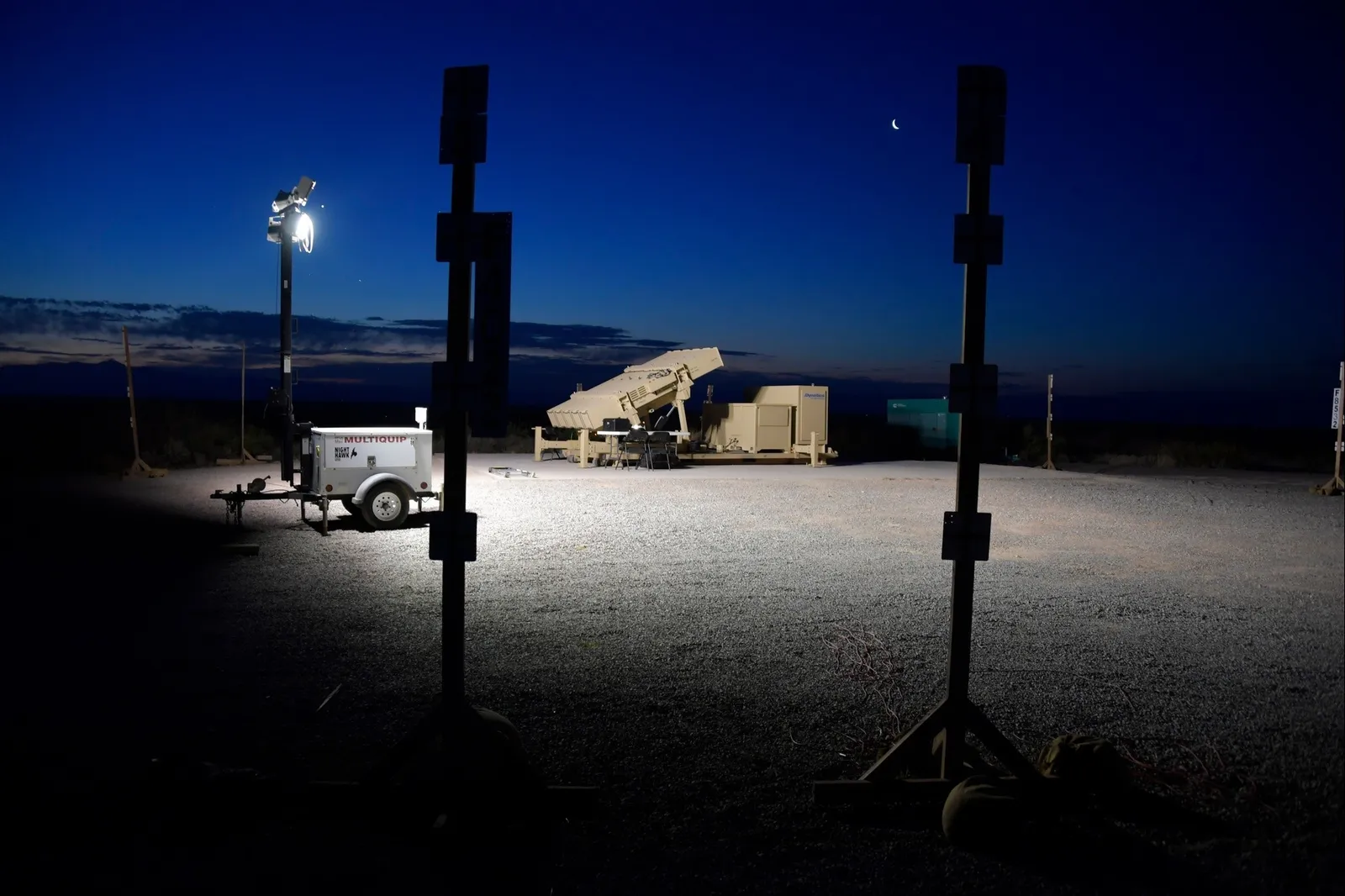
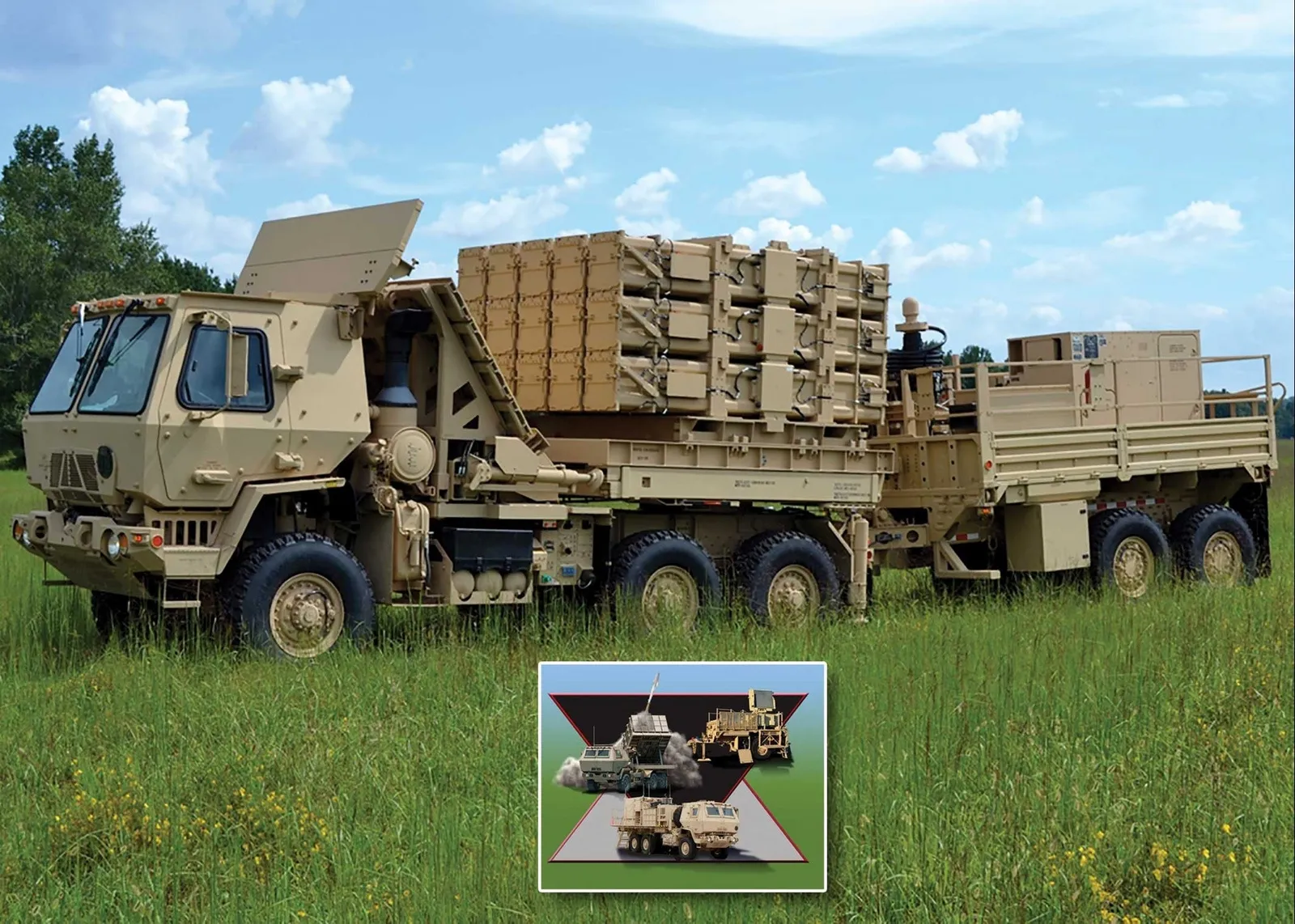
Enduring Shield is a Leidos Dynetics mobile ground-based air-defense launcher developed for the U.S. Army Indirect Fire Protection Capability Increment 2 program. Leidos describes the system as an open-architecture launcher intended to integrate with the Army's Integrated Air and Missile Defense Battle Command System and engage unmanned aircraft, cruise missiles, rockets, artillery, and mortars.

Profile / Specs

Profile

Origin
United States
Built by
LeidosDynetics
Type
Ground-based air-defense launcher
Service note
2020s-present
Designer
Dynetics
Designed
Selected by the U.S. Army for IFPC Inc 2 in 2021
Produced
Fieldable prototype launcher set delivered in 2023; rapid fielding transition reported in 2025

Specifications

Role
Indirect Fire Protection Capability Increment 2 air-defense launcher
Threat Set
Unmanned aircraft systems, cruise missiles, rockets, artillery, mortars, and other aerial threats
Architecture
Open-system launcher with IBCS integration and multiple-interceptor growth potential
Platoon Configuration
DOT&E describes an IFPC platoon as four launchers, an AIAMD Engagement Operations Center, a Sentinel radar, and at least one AIAMD network relay
Magazine Arrangement
Palletized launcher with up to three All-Up-Round Magazines
First Interceptor
AIM-9X Block II Sidewinder with in-flight track updates through a missile data link
Primary Fire-Control Radar
AN/MPQ-64 Sentinel; Sentinel A4 is intended to replace Sentinel A3 before IOT&E
Mobility
Container roll-out platform weapon system loadable by the M-1075 Palletized Load System
Planned Mission Layer
360-degree protection for fixed and semi-fixed corps- and division-level assets, including the Army's planned Guam integrated air and missile defense capability
Acquisition Status
Army LRIP/full-rate/support IDIQ awarded in November 2024; DOT&E reported rapid-fielding transition in April 2025
Launched Interceptors

Public Army and Leidos material identifies AIM-9X as the first missile integrated with IFPC Inc 2, with future growth expected through additional interceptors.

Launched itemItem typeLaunch evidence
AIM-9X Sidewinder missile, Short-range air-to-air missile, MunitionsAIM-9X Sidewinder missileSurface-launched interceptor

The Army's 2021 award described IFPC Inc 2 as a launcher, interceptor, and all-up-round magazine package; Leidos named Raytheon's AIM-9X effector, and DOT&E later identified AIM-9X Block II as IFPC Inc 2's first integrated interceptor.

Sources: U.S. Army IFPC Inc 2 prototype award, Leidos IFPC production award, Leidos Enduring Shield flight test, DOT&E FY2025 IFPC Inc 2

Fire-Control Sensors

Enduring Shield is a launcher inside the IFPC Inc 2 system of systems; Sentinel radar and IBCS provide the air picture and command path.

Compatible itemItem typeCompatibility evidence
AN/MPQ-64 Sentinel, Mobile 3D air-defense radar, Air DefenseAN/MPQ-64 SentinelFire-control radar

DOT&E describes AN/MPQ-64 Sentinel as IFPC Inc 2's primary fire-control radar, passing radar track data to IBCS over the IAMD Fire Control Network.

Sources: DOT&E FY2025 IFPC Inc 2

Sentinel A4, Air and missile defense radar, Air DefenseSentinel A4Planned replacement radar

DOT&E says Sentinel A4 is intended to replace Sentinel A3 before IFPC Inc 2 initial operational test and evaluation.

Sources: DOT&E FY2025 IFPC Inc 2

IFPC Inc 2 System Role

Enduring Shield is best understood as the launcher element of IFPC Inc 2 rather than a complete battery by itself. The Army system combines launchers, Sentinel radar, IBCS command-and-control software, an engagement operations center, network relay equipment, reload vehicles, magazines, and interceptors.

Launcher layer

DOT&E describes a palletized launcher with up to three All-Up-Round Magazines, generator, emplacement interface, network equipment, embedded GPS, and M-1075 PLS mobility.

Engagement chain

The public architecture links Sentinel radar tracks to IBCS command-and-control, then sends missile data-link updates to AIM-9X interceptors in flight.

Evidence boundary

The record remains relationship-only because public sources show development, testing, prototype deployment, and exercises, but not direct combat use in a named conflict.
Timeline

Enduring Shield Key Events

  1. Army IFPC award announced

    Leidos announced that Dynetics, its wholly owned subsidiary, had received the U.S. Army contract to produce the Enduring Shield mobile ground-based IFPC weapon system.

    Sources: U.S. Army IFPC Inc 2 prototype award, Leidos IFPC production award

  2. Risk-reduction flight demo

    Leidos announced that Enduring Shield launched a test AIM-9X from a simulated IBCS interface in a risk-reduction flight demonstration before government developmental testing.

    Sources: Leidos Enduring Shield RRFD

  3. First launcher set delivered

    Leidos reported delivery of the first Enduring Shield launcher set to the U.S. Army for the IFPC program.

    Sources: PR Newswire Enduring Shield delivery

  4. Live-fire intercepts announced

    Leidos said the IFPC Inc 2 system intercepted UAS and cruise-missile test targets using surface-launched AIM-9X missiles while integrating IBCS, Sentinel A3, and a missile data link.

    Sources: Leidos Enduring Shield flight test

  5. Army awards LRIP and production contract

    The U.S. Army awarded Dynetics an undefinitized IDIQ letter contract for IFPC Inc 2 low-rate initial production, full-rate production, and support services, initially procuring 18 launchers.

    Sources: U.S. Army IFPC Inc 2 production contract

  6. Rapid-fielding transition reported

    DOT&E reported that the Army used the July-November 2024 operational demonstration to inform IFPC Inc 2 transition to the Middle Tier of Acquisition rapid-fielding pathway in April 2025.

    Sources: DOT&E FY2025 IFPC Inc 2

  7. Freedom Shield 26 showcase in South Korea

    DVIDS documented 35th Air Defense Artillery Brigade soldiers showcasing the Army IFPC weapon system at Camp Humphreys during Freedom Shield 26.

    Sources: DVIDS Freedom Shield 26 IFPC video

Media
Related Weapon Systems
Mobile Autonomous Launcher, Single-vehicle land launcher that carries two or three canisterised BrahMos missiles, Support EquipmentSupport EquipmentMobile Autonomous LauncherSingle-vehicle land launcher that carries two or three canisterised BrahMos missilesThe Mobile Autonomous Launcher is BrahMos Aerospace's road-mobile land launcher for the BrahMos missile family. It is built on a high-mobility 12x12 carrier, carries two or three canisterised missiles depending on configuration, and combines protected crew space, fire control, command, control, communications, and power systems for single or salvo launch from one vehicle.
AN/TPQ-53 multimission radar, Mobile multimission counterfire and air-surveillance radar, Electronic WarfareElectronic WarfareAN/TPQ-53 multimission radarMobile multimission counterfire and air-surveillance radarThe AN/TPQ-53, commonly called Q-53, is a Lockheed Martin mobile active electronically scanned array radar that began as the Army's counterfire replacement for AN/TPQ-36 and AN/TPQ-37 Firefinder radars. Its baseline mission is to detect, classify, track, and locate mortar, artillery, and rocket launches in 90-degree or 360-degree modes, while software and open-architecture upgrades have extended the same family into counter-UAS, air-surveillance, and wider multimission radar roles.
Lockheed Martin QuadStar (NGSRI), Developmental short-range air-defense interceptor, Air DefenseAir DefenseLockheed Martin QuadStar (NGSRI)Developmental short-range air-defense interceptorLockheed Martin's QuadStar is a U.S. Army Next-Generation Short-Range Interceptor candidate for M-SHORAD Increment 3, the program intended to replace the FIM-92 Stinger with a soldier-portable fire-and-forget short-range air-defense missile. Public sources place the missile in competitive development and flight testing, with Army budget documents and production-planning reporting tying NGSRI to SGT STOUT compatibility, dismounted air-defense use, and future procurement planning rather than confirmed combat fielding.
Counter Rocket, Artillery, and Mortar system / C-RAM, Land-based close-in weapon system, Air DefenseAir DefenseCounter Rocket, Artillery, and Mortar system / C-RAMLand-based close-in weapon systemCounter Rocket, Artillery, and Mortar system (C-RAM), also known as the Land-Based Phalanx Weapon System, is a U.S. close-in air-defense and force-protection system derived from the Navy Phalanx gun mount. Army and CJTF-OIR sources document LPWS/C-RAM use protecting bases and high-value sites in Iraq, Afghanistan, and Syria, while the shipboard Phalanx lineage also appears in Red Sea close-in missile defense.
Fixed Site LIDS (FS-LIDS), Fixed-site counter-UAS system, Air DefenseAir DefenseFixed Site LIDS (FS-LIDS)Fixed-site counter-UAS systemFixed Site LIDS (FS-LIDS) is the U.S. Army's fixed-site Low, Slow, Small Unmanned Aircraft System Integrated Defeat System, built to protect bases and other static sites from small drones. Official SRC, RTX, Army, and U.S. arms-sale reporting describe it as a layered counter-UAS architecture that combines radar and EO/IR sensors, FAAD C2 command-and-control, electronic-warfare defeat, fixed Coyote launchers, and Coyote Block 2 interceptors.

Sources