Armored Vehicles

D-944 PSZH

Also known as
  • PSZH
  • PSZH-IV
  • FUG-2
  • D.944.00
  • D-944.00
  • D-944.00M
  • D-944.21
  • D-944.22
  • D-944.31
  • D-944.40
  • D-944.41
  • D-944.42
  • D-944.50
  • D-944.53
  • D-944.77
  • OT-66
  • SPW-PSH
  • FUG-70
  • D-944 páncélozott szállító harcjármű
  • D-944 armored personnel carrier
  • PSZH D-944

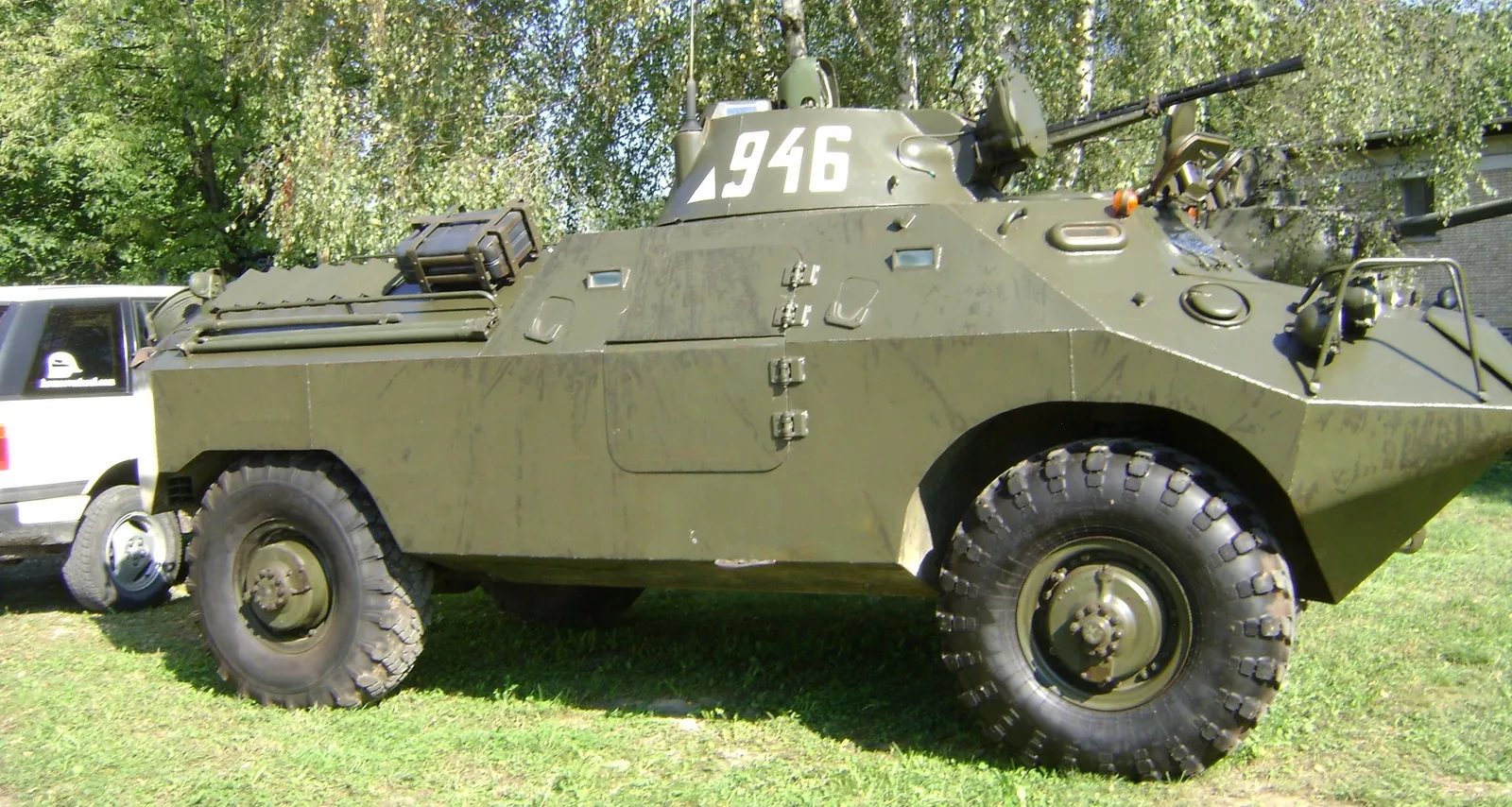
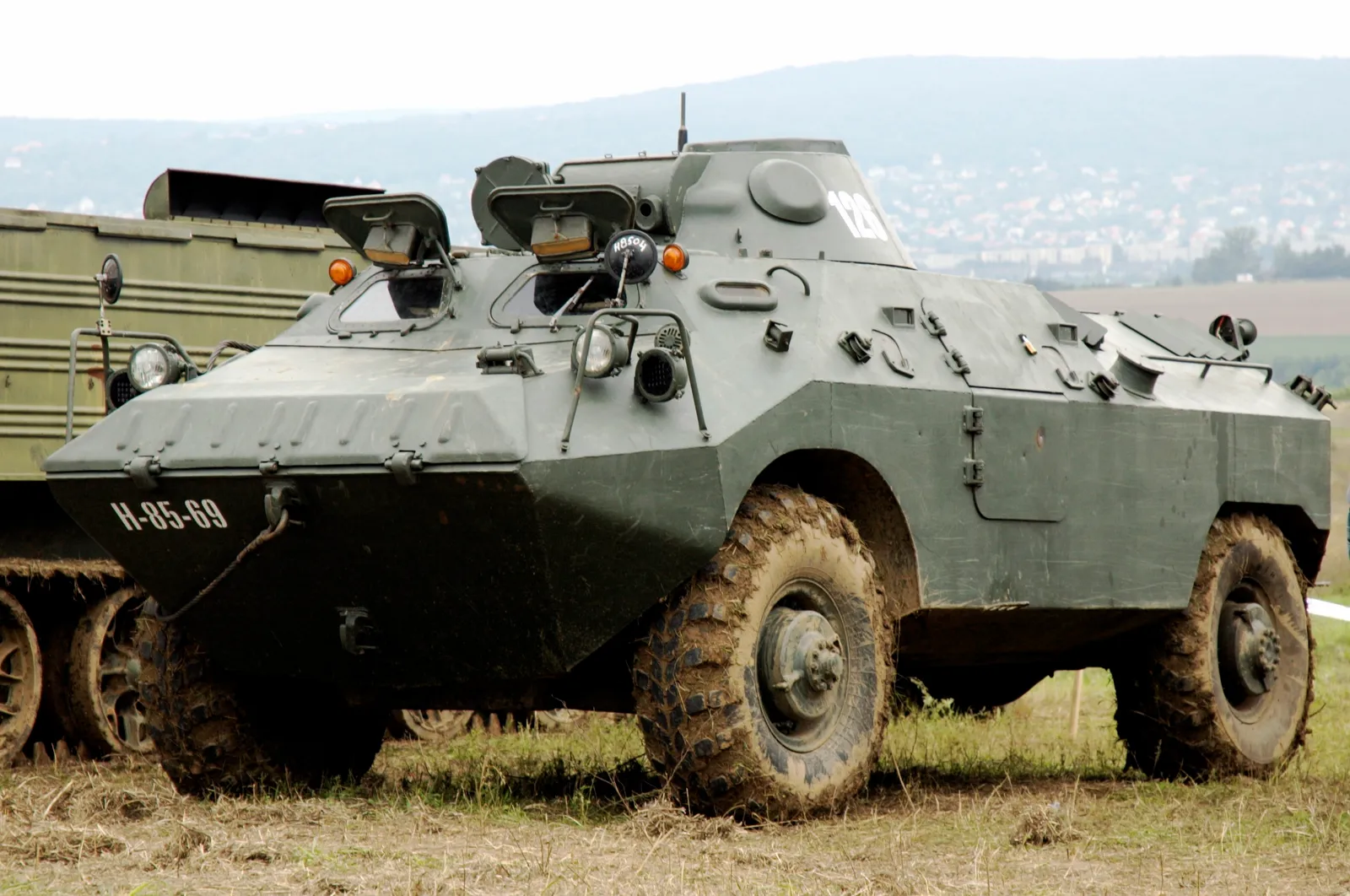
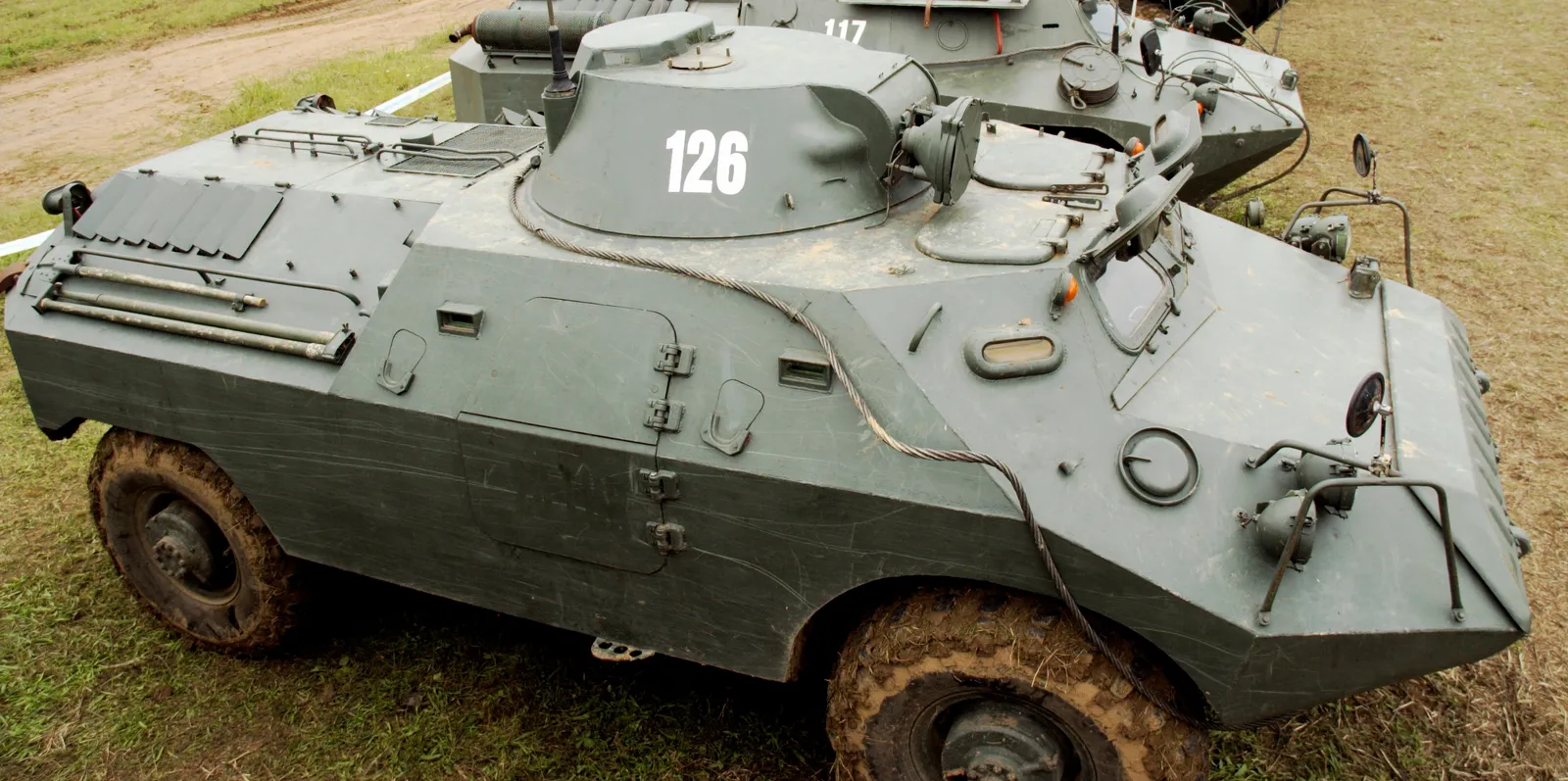
The D-944 PSZH was a Hungarian 4x4 amphibious armored personnel carrier developed from the D-442 FUG vehicle line for motor-rifle troop transport, force protection, and border-security roles. HTI ties the program to 1964 Ministry of Defence requirements, FUG-based redesign work, prototype and troop trials in 1966-1967, and Rába serial production from 1970 to 1979. Public sources support Hungarian, East German, Iraqi, and South Yemeni service or transfer context, but open conflict-use evidence is too thin for a separate conflict row.

Profile / Specs

Profile

Origin
Hungary
Type
Wheeled armored personnel carrier
Service note
1960s-1970s Hungarian development and production
Designer
Honvédelmi Minisztérium requirements and HTI-linked FUG-derived development work; Rába serial production
Designed
1964-1967 development and trials
Produced
1970-1979
Number built
2,848 serial PSZH vehicles according to HTI; GlobalSecurity reports production completed by Rába in 1980
Developed from
D-442 FUG amphibious armored reconnaissance vehicle

Specifications

Vehicle class
4x4 amphibious wheeled armored personnel carrier
Crew and passengers
3 crew and 6 troops in Army Guide and Tank-AFV summaries
Combat weight
About 7.4-7.6 tonnes in secondary specifications
Dimensions
5.695-5.79 m length, 2.50 m width, and 2.10-2.308 m height depending on source and measurement point
Engine
Csepel D414.44 / D-414.44/2 diesel family, about 100-101 hp
Road and water speed
About 80-81 km/h on road and 9 km/h in water
Range
About 500 km road range
Armament
14.5 mm KPVT heavy machine gun with coaxial 7.62 mm machine gun; early prototypes used a 20 mm aircraft cannon before the serial turret approach changed
Ammunition carried
GlobalSecurity and Tank-AFV report 450 rounds for the 14.5 mm gun and 1,750 rounds for the 7.62 mm gun
Protection and systems
Welded sealed hull, NBC system, infrared driving/night equipment, central tire-pressure control, winch, trim vane, and twin rear water jets
Test program
Prototype regulation and reliability trials at Táborfalva plus a 5,000 km troop trial
Serial production
2,848 vehicles between 1970 and 1979; export batches included 1,363 for East Germany and 150 for Iraq
Design Features

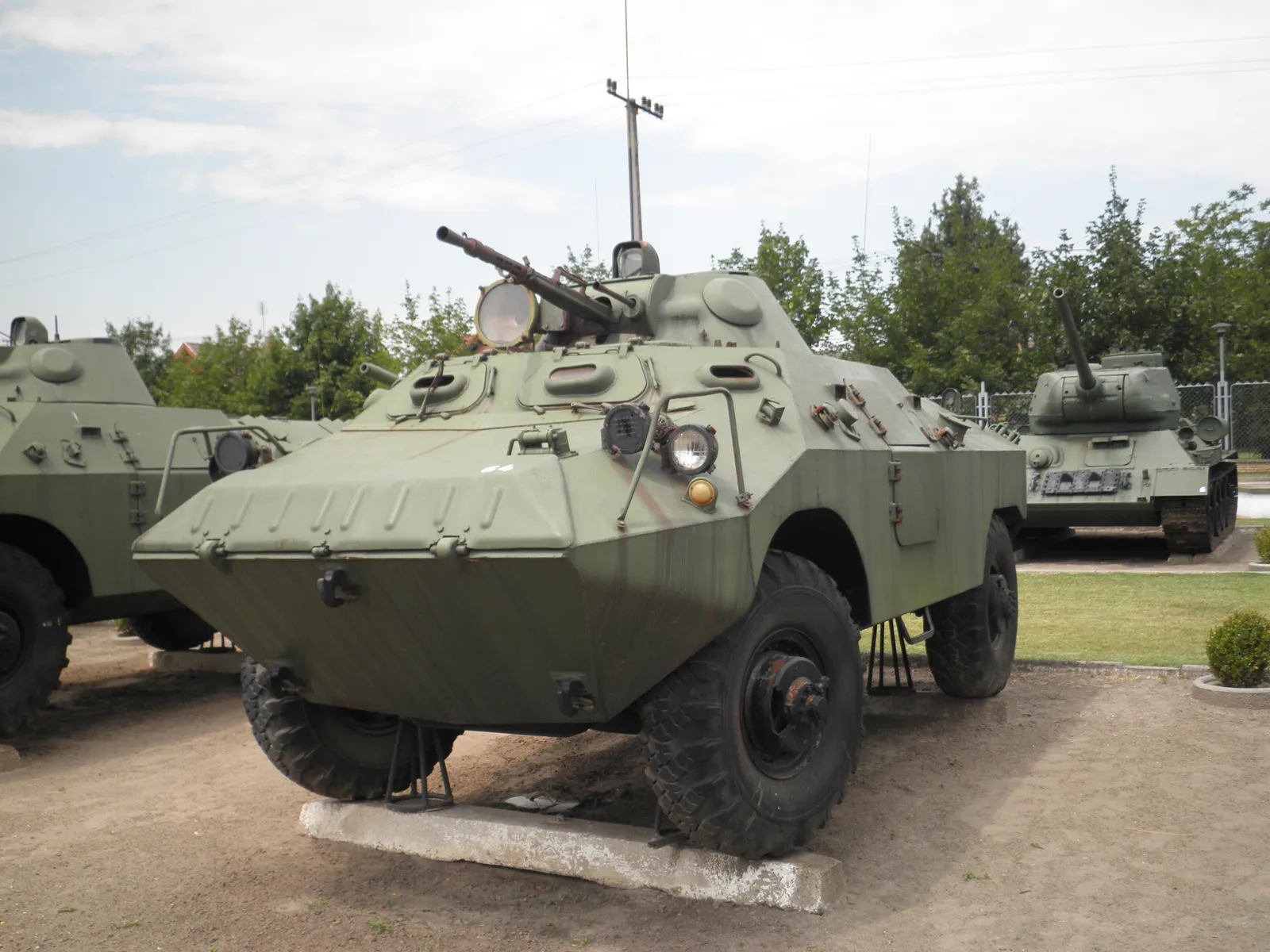
The D-944 kept the Hungarian amphibious vehicle lineage but moved the page from scout-car logic toward troop transport. The useful distinctions are the permanent turret, side-door troop compartment, deleted belly wheels, and equipment added for protected movement with motor-rifle or border-security users.

Troop access

Army Guide describes two-part side doors with vision blocks and firing ports, giving the six infantry passengers a different entry arrangement from BRDM-style scout vehicles.

Sources: Army Guide PSZH-IV; Tank-AFV D-944 PSzH.

Amphibious mobility

The vehicle retained a trim vane, twin rear water jets, central tire-pressure control, and a winch, while the heavier troop-carrier layout reduced mobility compared with the earlier FUG.

Sources: Army Guide PSZH-IV; Tank-AFV D-944 PSzH.

Export pattern

HTI identifies 1,363 East German export vehicles and 150 Iraqi D-944.50/53 vehicles, while South Yemen received former East German stocks as military aid.

Sources: D-944 páncélozott szállító harcjármű (PSZH); D-944 GlobalSecurity.

Variants

D-944 PSZH designations cover Hungarian army and border-guard carriers, command variants, East German export vehicles, Iraqi export variants, and the Czechoslovak OT-66 designation; the D-442 FUG is the directly related predecessor vehicle line.

VariantConfigurationDesignation notes
D-442 FUG, Amphibious armored reconnaissance vehicle, Armored VehiclesD-442 FUGPredecessor reconnaissance vehicle

HTI describes the PSZH requirement as a transformation of the serial FUG design for a new armored personnel carrier.

Sources: D-944 páncélozott szállító harcjármű (PSZH)

D-944.00 PSZHBaseline armored personnel carrier

HTI lists D-944-00 among Hungarian People's Army serial-production modifications; secondary summaries describe it as the troop-carrier configuration with side doors and a 14.5 mm turret.

Sources: D-944 páncélozott szállító harcjármű (PSZH), Tank-AFV D-944 PSzH

D-944.00M PSzH-MModernized Hungarian vehicle

Tank-AFV describes the 1988 modernized vehicle with R-123 radio, PKT replacing the older coaxial gun, and a 110 hp D-414.44/2 diesel.

Sources: Tank-AFV D-944 PSzH

D-944.77 PSZHBorder guard and internal-security carrier

HTI identifies the D-944-77 as the border-guard version, while secondary sources describe its use by Hungarian border and internal-security services.

Sources: D-944 páncélozott szállító harcjármű (PSZH), Tank-AFV D-944 PSzH

D-944.21 ZPK-PSZHBattalion command vehicle

Listed as a Hungarian command variant in HTI and Tank-AFV summaries, with secondary descriptions emphasizing additional radios and command equipment.

Sources: D-944 páncélozott szállító harcjármű (PSZH), Tank-AFV D-944 PSzH

D-944.22 ZTÖF-PSZHBattalion staff command vehicle

HTI lists D-944-22 among Hungarian serial-production modifications; Tank-AFV describes the staff command fit with R-123, R-130, and R-107 radios.

Sources: D-944 páncélozott szállító harcjármű (PSZH), Tank-AFV D-944 PSzH

D-944.31 SZDPK-PSZHCompany command vehicle

HTI lists D-944-31 among Hungarian serial-production modifications; Tank-AFV describes a company-command configuration with two R-123 radios, antenna equipment, an R-107 radio, and a map desk.

Sources: D-944 páncélozott szállító harcjármű (PSZH), Tank-AFV D-944 PSzH

D-944.40 PSzH-IVEast German export carrier

HTI and GlobalSecurity identify D-944-40/41/42 as East German export variants; Tank-AFV links them to Grenztruppen SPW-PSH service and later specialist conversions.

Sources: D-944 páncélozott szállító harcjármű (PSZH), D-944 GlobalSecurity, Tank-AFV D-944 PSzH

D-944.50 PSzH-IVIraqi export carrier

HTI and GlobalSecurity identify the Iraqi export batch as D-944-50 and D-944-53; Tank-AFV describes D-944.50 as Iraq's carrier designation. Open sources did not provide strong enough direct evidence for a conflict-use row.

Sources: D-944 páncélozott szállító harcjármű (PSZH), D-944 GlobalSecurity, Tank-AFV D-944 PSzH

D-944.53 PSzH-IVIraqi command vehicle

Tank-AFV identifies the D-944.53 as the Iraqi company-command variant, matching HTI and GlobalSecurity references to D-944-53 vehicles for Iraq.

Sources: D-944 páncélozott szállító harcjármű (PSZH), D-944 GlobalSecurity, Tank-AFV D-944 PSzH

PSzH-IV-10Turretless version

Army Guide and Tank-AFV describe PSzH-IV-10 as a turretless version associated with former East German use.

Sources: Army Guide PSZH-IV, Tank-AFV D-944 PSzH

OT-66Czechoslovak designation

Tank-AFV identifies OT-66 as the former Czechoslovak designation for the D-944 PSZH.

Sources: Tank-AFV D-944 PSzH

PSzH-Ch / D-944VSNBC reconnaissance vehicle

Army Guide lists PSzH-Ch/D-944VS as NBC reconnaissance vehicles in the PSZH-IV family.

Sources: Army Guide PSZH-IV

PSzH M1992Ambulance version

Army Guide lists PSzH M1992 as an ambulance version.

Sources: Army Guide PSZH-IV

PSzH-2Unbuilt follow-on concept

Tank-AFV describes PSzH-2 as an 8x8 successor concept with a new turret or BMP-1 turret option that did not reach production.

Sources: Tank-AFV D-944 PSzH

Vehicle Family

The D-944 PSZH reused the FUG development base but changed the troop-carrier layout, deleted the auxiliary belly wheels, and added a permanent turret armament package.

Compatible itemItem typeCompatibility evidence
D-442 FUG, Amphibious armored reconnaissance vehicle, Armored VehiclesD-442 FUGPredecessor reconnaissance vehicle

HTI describes the PSZH requirement as a FUG-based redesign for a serial armored personnel carrier; the existing D-442 FUG record covers the earlier Hungarian amphibious scout-car family.

Sources: D-944 páncélozott szállító harcjármű (PSZH)

Main Armament
Carried itemItem typeCarriage evidence
KPV, 14.5 mm heavy machine gun, Infantry WeaponsKPV14.5 mm vehicle machine gun

HTI, Army Guide, and Tank-AFV describe the serial PSZH turret with a 14.5 mm machine gun; secondary English-language sources identify the vehicle weapon as the KPVT.

Sources: D-944 páncélozott szállító harcjármű (PSZH), Army Guide PSZH-IV, Tank-AFV D-944 PSzH

Timeline

D-944 PSZH Key Events

  1. Domestic armored carrier requirement emphasized

    HTI says the defense ministry expressed concern in 1964 about losing the domestic military-vehicle base while planning the new armored personnel carrier.

  2. First prototypes completed

    HTI says the first four examples were completed in the second half of 1966 and tried at the Vltava tactical exercise.

  3. Trials shaped production documentation

    HTI describes Táborfalva reliability testing, a 5,000 km troop trial, hermetic-closure and noise tests, and a 68-point modification list before serial documentation was finalized.

  4. Rába serial production

    HTI reports 2,848 PSZH vehicles produced between 1970 and 1979, including Hungarian, border-guard, East German, and Iraqi variants.

  5. Production completed

    HTI says Rába completed PSZH production in 1980 after the export and domestic production runs.

Media
Related Weapon Systems
D-442 FUG, Amphibious armored reconnaissance vehicle, Armored VehiclesArmored VehiclesD-442 FUGAmphibious armored reconnaissance vehicleThe D-442 FUG was a Hungarian amphibious armored reconnaissance vehicle developed after a 1960 requirement to restore domestic armored-vehicle development. HTI ties the program to Haditechnikai Intézet preliminary plans, a May 1961 design team drawn mainly from Járműfejlesztési Intézet and Csepel Autógyár constructors, and Győr industrial production before 1963 introduction. Hungarian defense reporting and reference sources describe a 2,300-vehicle 4x4 scout-car line with water-jet propulsion, auxiliary belly wheels, and command, NBC-reconnaissance, engineering, and Czechoslovak OT-65 derivatives.
BATT UMG, 4x4 armored personnel carrier, Armored VehiclesArmored VehiclesBATT UMG4x4 armored personnel carrierThe BATT UMG is a U.S.-origin 4x4 armored personnel carrier from The Armored Group, built around a Ford commercial chassis and configured for protected troop transport, command, medical, and security missions. Ukrainian forces were documented operating BATT UMG vehicles at Bakhmut in December 2022, while SIPRI transfer data, German government aid lists, and parliamentary records support later BATT/FFG-linked APC and MRAP delivery context for Ukraine.
Walid armored personnel carrier, 4x4 wheeled armored personnel carrier, Armored VehiclesArmored VehiclesWalid armored personnel carrier4x4 wheeled armored personnel carrierThe Walid, also rendered Al Walid or Waleed, is an Egyptian 4x4 armored personnel carrier produced by Kader Factory for Developed Industries. Open sources describe it as a BTR-40-like open-topped APC using a German Magirus-Deutz/UNIMOG-derived truck chassis made under licence in Egypt with a locally produced armored body, two crew, space for about ten troops, a pintle 7.62 mm machine gun, central tire-pressure regulation, and no amphibious, NBC, or night-vision equipment. It first saw combat in the 1967 Arab-Israeli war, later appeared in captured Israeli service, and was followed in Egyptian production by the Fahd APC family.
VAB, 4x4 wheeled armored personnel carrier, Armored VehiclesArmored VehiclesVAB4x4 wheeled armored personnel carrierThe VAB is a French armored personnel carrier family selected in the 1970s for protected troop movement, with the VAB-VTT/Véhicule Transport de Troupe as the baseline infantry transport configuration. Thousands were produced across command, ambulance, mortar, anti-tank, and remote-weapon variants; Arquus also markets VAB MK3 as a newer 6x6 medium armored-vehicle branch, while Ukraine-conflict sourcing for this record documents transferred legacy VAB armored personnel carriers and separate Mk3 delivery/testing evidence.

Sources