Naval Systems

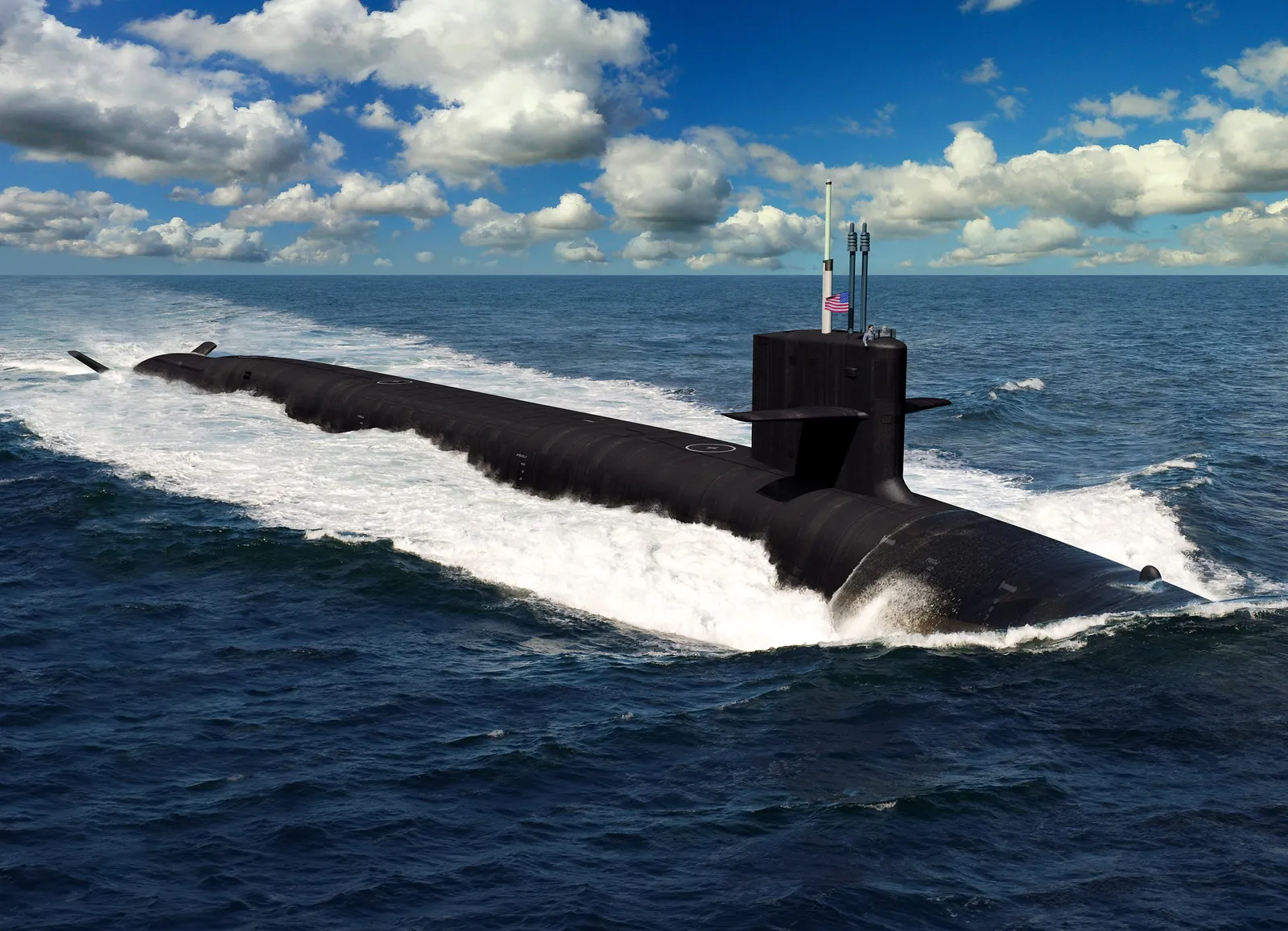
Columbia-class submarine

Also known as
  • Columbia-class SSBN
  • Columbia SSBN
  • SSBN 826 class
  • Ohio Replacement Submarine
  • Sea Based Strategic Deterrent

The Columbia-class submarine is the U.S. Navy's future sea-based strategic-deterrent SSBN class, designed to replace Ohio-class ballistic missile submarines. Navy sources describe it as a 12-ship fleet with Trident II D5LE armament, 16 missile tubes, electric-drive propulsion, and service planned into the 2080s.

Profile / Specs

Profile

Origin
United States
Type
Nuclear-powered ballistic missile submarine
Service note
Under construction; planned first patrol by 2030-2031
Designer
General Dynamics Electric Boat
Produced
2020-present
Number built
12 planned; lead boats under construction

Specifications

Role
Future sea-based strategic nuclear deterrent
Planned class size
12 submarines
Lead design shipbuilder
General Dynamics Electric Boat
Propulsion
Electric-drive propulsion system
Length
560 feet
Beam
43 feet
Displacement
20,800 long tons
Speed
20+ knots
Crew
15 officers and 140 enlisted
Armament
Trident II D5 (LE), 16 missile tubes, and Mk48 torpedoes
Class Boat Plan

The named early boats show how the class is moving from lead-ship construction into a multi-hull program.

BoatHullProgram status
District of ColumbiaSSBN 826Lead boat; keel laid at General Dynamics Electric Boat's Quonset Point facility on June 4, 2022.
WisconsinSSBN 827Second boat; Navy reporting says the keel was authenticated during an August 27, 2025 ceremony.
GrotonSSBN 828Third named Columbia-class submarine, announced by the Secretary of the Navy on January 13, 2025.
Ballistic Missile Armament

The Columbia class is planned as the next U.S. Trident launch platform, beginning with D5LE missiles before the D5LE2 transition.

Launched itemItem typeLaunch evidence
Trident II D5 fleet ballistic missile, Submarine-launched ballistic missile, MunitionsTrident II D5 fleet ballistic missileSubmarine-launched ballistic missile

The U.S. Navy lists Trident II D5 (LE) and 16 missile tubes as Columbia-class armament. Navy Trident material says D5LE missiles will initially be carried aboard Columbia-class submarines, while Strategic Systems Programs describes the later D5LE2 transition.

Sources: Fleet Ballistic Missile Submarines - SSBN, Trident II D5 Missile Fact File, SSP Trident II D5LE2 Development

Torpedo Armament

Navy fact-file data lists Mk48 torpedoes alongside the Columbia class's strategic missile armament.

AmmunitionAmmunition typeFiring evidence
Mark 48 heavyweight torpedo, Submarine-launched heavyweight torpedo, Naval SystemsMark 48 heavyweight torpedoSubmarine-launched heavyweight torpedo

The U.S. Navy identifies Mk48 torpedoes as part of the Columbia-class armament fit, and its MK 48 fact file describes the torpedo as a heavyweight anti-submarine and anti-surface weapon used by all U.S. submarine classes.

Sources: Fleet Ballistic Missile Submarines - SSBN, MK 48 Heavyweight Torpedo Fact File

Transition From Ohio

The Columbia class is the U.S. successor to the Ohio-class ballistic missile submarine force. Navy material frames the class around strategic-deterrent recapitalization, Trident II D5LE carriage, and a later D5LE2 transition rather than conventional combat employment.

Replacement force

A planned 12-boat Columbia fleet replaces 14 Ohio SSBNs as those boats age out of service.

At-sea deterrent target

The Navy fact file says Columbia must be patrol-ready no later than October 2030 to meet U.S. Strategic Command requirements.

Strategic-weapons commonality

Strategic Systems Programs ties Columbia and the UK's Dreadnought-class submarine to a Common Missile Compartment for Trident II D5, D5LE, and D5LE2 weapons-system support.

Timeline

Columbia-class submarine Key Events

  1. Construction award for first two boats

    The Navy announced a $9.5 billion award to General Dynamics Electric Boat to construct and test SSBN 826 and SSBN 827.

    Sources: Navy Starting Construction on Columbia Class

  2. Lead boat named District of Columbia

    The Secretary of the Navy announced that SSBN 826 would be officially named USS District of Columbia to avoid a name conflict with USS Columbia (SSN 771).

    Sources: SECNAV Names SSBN 826 USS District of Columbia

  3. District of Columbia keel laid

    General Dynamics Electric Boat held the keel-laying ceremony for USS District of Columbia, the lead Columbia-class ballistic-missile submarine, at Quonset Point.

    Sources: District of Columbia Keel Laying

  4. Third boat named Groton

    The Secretary of the Navy announced that SSBN 828, the third named Columbia-class submarine, would be USS Groton.

    Sources: SECNAV Names USS Groton

  5. Wisconsin keel authenticated

    The Navy reported the keel authentication for future USS Wisconsin, the second Columbia-class submarine, at Electric Boat's Quonset Point facility.

    Sources: Wisconsin Keel Authentication

Program Status

GAO acquisition reviews frame Columbia as a high-priority deterrent program whose schedule matters because the lead submarine must support the Ohio-class transition.

Acquisition scale

GAO described the plan as a 12-submarine acquisition program valued at about $130 billion.

Lead-boat pressure

In 2024, GAO reported Navy estimates that the lead boat could deliver 12 to 16 months later than originally planned.

Operational timing

GAO said a late delivery could put the lead submarine's planned 2030 operational availability at risk.
Media
Related Weapon Systems
4K51 Rubezh coastal-defense missile, Mobile coastal-defense missile system, Naval SystemsNaval Systems4K51 Rubezh coastal-defense missileMobile coastal-defense missile systemThe 4K51 Rubezh is a Soviet mobile coastal-defense system that puts radar, fire-control equipment, and twin P-15 Termit launch containers on a single MAZ-543-family 8x8 vehicle. Its compact TELAR layout made it exportable and self-contained compared with earlier Soviet coastal batteries; in the 2014 Yemen Civil War, Houthi forces acquired Rubezh/P-15 stocks from Yemeni military inventories and continued to display the type as part of their anti-shipping arsenal.

Sources