Support Equipment

BrPz-1 Biber

Also known as
  • Brueckenlegepanzer Biber
  • Brückenlegepanzer Biber
  • Panzerschnellbruecke Biber
  • Panzerschnellbrücke Biber
  • BrPz-1 Biber
  • Brückenlegepanzer 1 Biber
  • Brueckenlegepanzer 1 Biber
  • Biber AVLB
  • Beaver AVLB
  • Beaver bridge-laying tank
  • Biber bridge-layer
  • Leopard 1 Biber

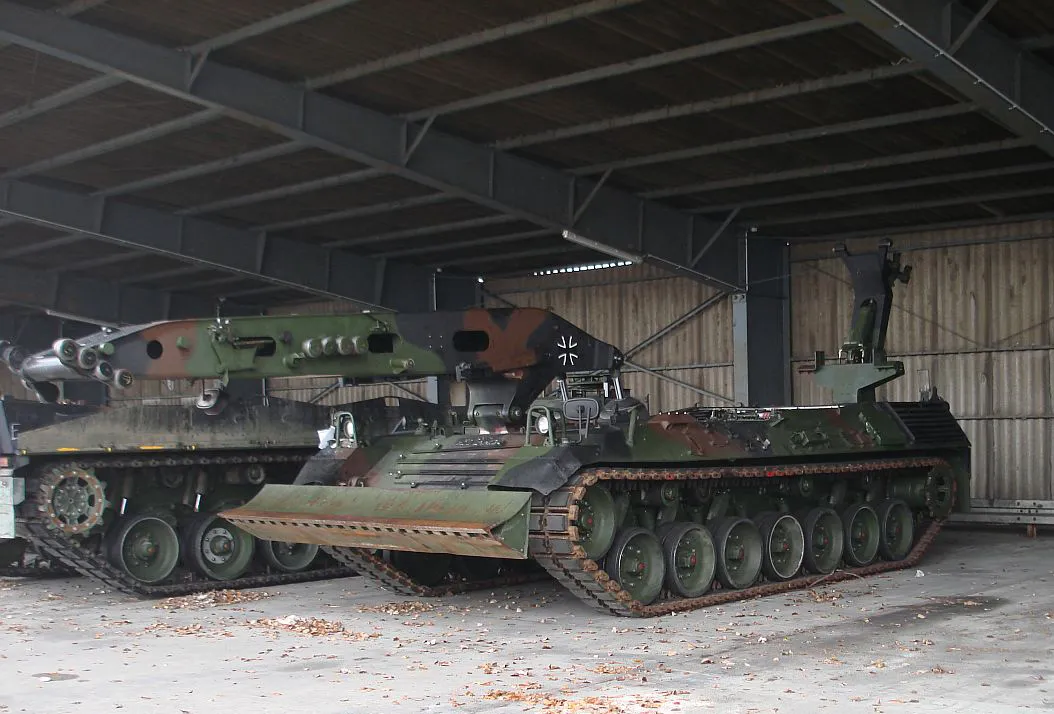
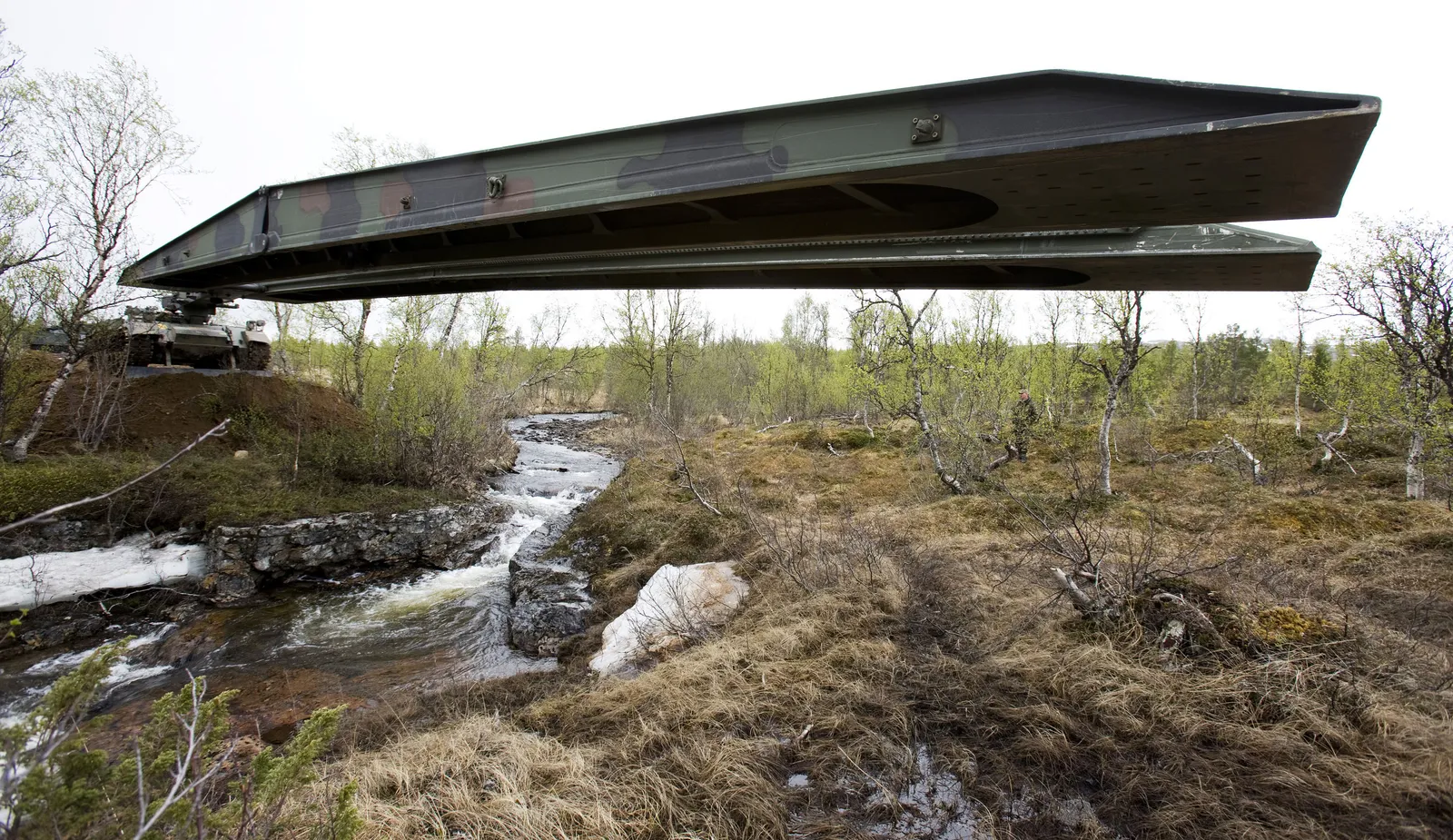
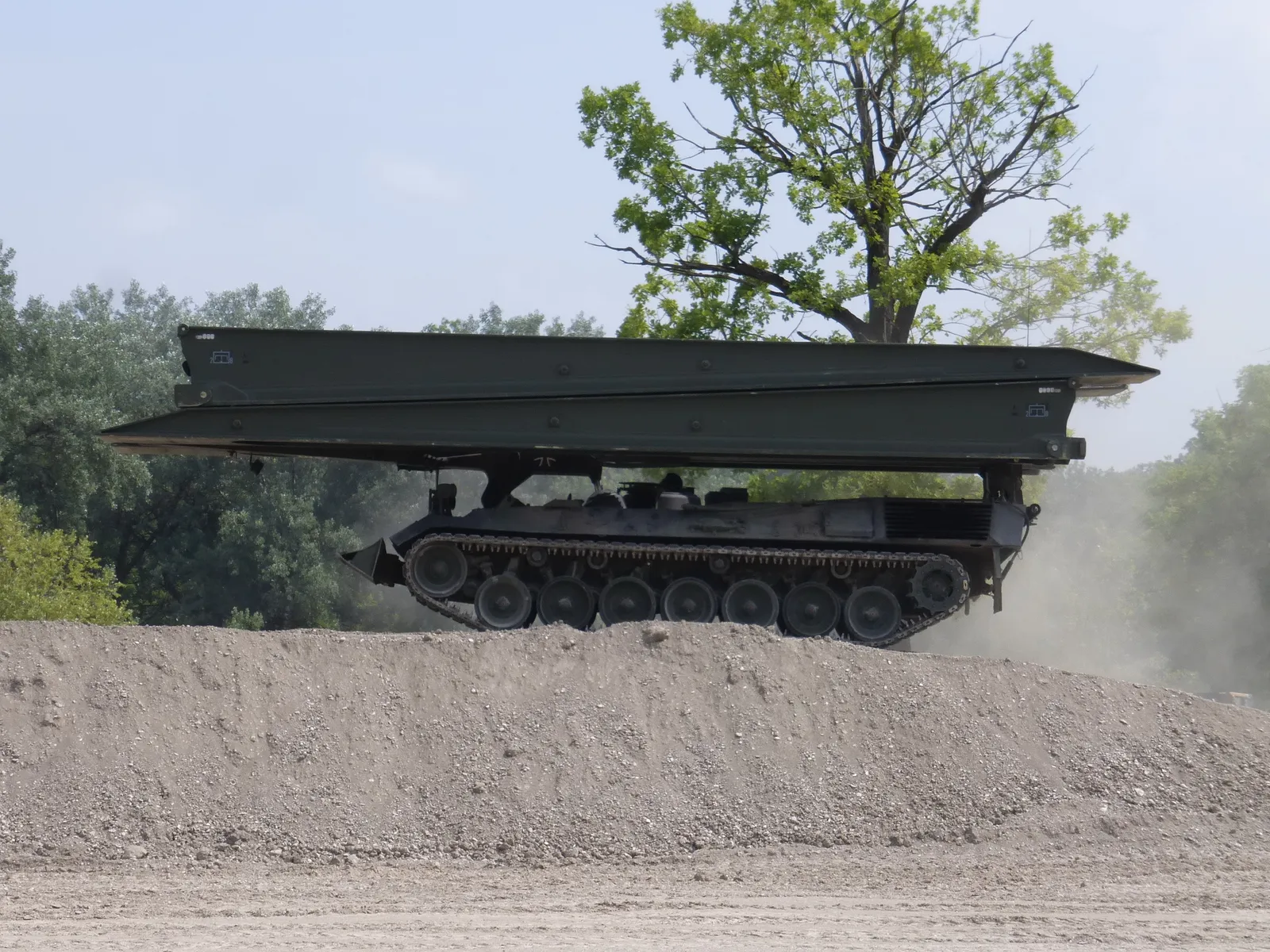
The BrPz-1 Biber is a German Leopard 1-based armored bridge-layer built to keep tracked combat and engineer units moving across ditches, streams, ravines, and damaged crossings. Its two bridge halves are joined and launched horizontally from under armor, giving the crew a lower profile than scissor-style bridge layers while carrying a 22-meter bridge for roughly 20-meter obstacles.

Role in Conflicts

Germany approved a 16-vehicle Biber package for Ukraine in July 2022, the archived federal support list later counted 27 BEAVER bridge-laying tanks delivered with spare parts and five bridges, and Ukraine's presidential office identified Biber among engineering equipment in Armed Forces service.

Role details
Ukraine Transfer Context

Germany presented the Biber package as a mobility aid for Ukrainian land forces rather than a combat-fire system. The July 2022 decision covered vehicles, transport, repair, and training; the archived federal inventory later recorded delivered BEAVER bridge-layers under military engineering capabilities.

Profile / Specs

Profile

Origin
West Germany / Germany
Built in
Germany
Type
Armored vehicle-launched bridge
Service note
Cold War design with 2022-onward Ukraine transfers
Designer
Maschinenbau Kiel
Designed
1960s
Produced
1973-1974 for the initial Bundeswehr run
Number built
105 vehicles for the Bundeswehr initial run
Developed from
Leopard 1 tank chassis
Developed into
Replaced in German service by the Leopard 2-based Panzerschnellbruecke Leguan

Specifications

Crew
2
Combat weight
45 t with bridge
Bridge length
22 m, made from two 11 m elements
Maximum obstacle span
about 20 m
Load class
MLC 50
Bridge width
4.0 m roadway
Vehicle dimensions
11.82 m long, 4.0 m wide, 3.57 m high with bridge retracted
Launch method
horizontal forward launch / cantilever system
Base chassis
Leopard 1-derived tracked chassis
Engine output
830 PS
Operating range
450 km
Fording depth
1.6 m
Bridge-Laying Design

The Biber is built around a quick armored crossing task rather than direct fire. Its bridge is carried as two equal sections over the Leopard 1-derived hull, joined during launch, and pushed forward horizontally so the vehicle does not raise a tall scissor bridge silhouette.

Launch method

Horizontal cantilever launch, with the crew able to lay the bridge from under armor or operate the equipment remotely from outside the vehicle.

Obstacle class

Bundeswehr data gives about 20 meters of crossing width for trenches, ravines, or water obstacles.

Load limit

The Bundeswehr lists MLC 50, enough for many armored vehicles but below the weight of current Leopard 2 versions.

Timeline

BrPz-1 Biber Key Events

  1. Leopard 1-based bridge-layer developed

    Maschinenbau Kiel developed the Biber around a redesigned Leopard 1 hull and a horizontal cantilever launch system.

    Sources: Trackpad Biber Leopard 1 Bridgelayer

  2. EWK, Porsche, and MaK prototype selected

    GDELS heritage material describes the Biber as the low-silhouette, horizontally launched Leopard 1 bridge-layer design from an EWK, Porsche, and MaK team.

    Sources: GDELS Heritage

  3. Bundeswehr deliveries begin

    Trackpad's Biber reference states that MaK delivered 105 Biber vehicles to the Bundeswehr in 1973 and 1974.

    Sources: Trackpad Biber Leopard 1 Bridgelayer

  4. Germany approves Biber package for Ukraine

    Germany's defence ministry announced a 16-vehicle Biber package for Ukrainian land forces, with transport, repair, and training included.

    Sources: BMVg Biber Ukraine Delivery

  5. Ukrainian presidential office names Biber in service

    The Ukrainian president's office named the tank bridge layer Biber among engineering equipment in service with the Armed Forces of Ukraine during a visit to a training center.

    Sources: President of Ukraine Engineering Equipment Visit

  6. Archived German list records delivered BEAVER bridge-layers

    The German federal government's archived Ukraine-support list counted 27 BEAVER bridge-laying tanks delivered with spare parts and five bridges.

    Sources: Bundesregierung Ukraine Support List

Operator and Export Context

The Biber was not only a Bundeswehr engineering vehicle. Specialist and industry sources describe an initial German run of 105 vehicles by MaK and later export use by several Leopard 1 operators, while GDELS frames the original Biber bridge as the first generation of a bridge-system line that later led toward heavier MLC 80-and-above designs.

Initial run

Trackpad states that MaK delivered 105 Biber vehicles to the Bundeswehr in 1973 and 1974, with 124 tank assault bridges.

Export users

Trackpad lists exports to the Netherlands, Australia, Canada, Italy, Denmark, and Chile.

Successor logic

Bundeswehr and GDELS material both place Biber in a bridge-system lineage later supplemented by heavier systems such as Leguan and ANACONDA.

Sources: Trackpad Biber Leopard 1 Bridgelayer; GDELS Heritage; Bundeswehr Biber Equipment Page.
Media
Related Weapon Systems
MTU-20, Armored vehicle-launched bridge / tank bridgelayer, Support EquipmentSupport EquipmentMTU-20Armored vehicle-launched bridge / tank bridgelayerThe MTU-20 is a Soviet armored vehicle-launched bridge built on the T-54/T-55 tank chassis. It carries a twin-treadway metal span that can be launched from under armor to move tanks and other heavy vehicles over ditches, rivers, and other tactical obstacles. Recent open-source reporting documents Russian MTU-20 use near the Donetsk and Pokrovsk axes in Ukraine, where Ukrainian drone units targeted bridge-layer vehicles supporting attempted armored movement.
NM-189 Ingeniørpanservogn, Armored engineer vehicle, Support EquipmentSupport EquipmentNM-189 IngeniørpanservognArmored engineer vehicleThe NM-189 Ingeniørpanservogn is a Norwegian Leopard 1-based armored engineer vehicle built for obstacle work, earthmoving, recovery support, and protected mobility with mechanized forces. Ukrainian and specialist reporting documents NM189 vehicles in Ukrainian training, transfer, and battlefield engineering service during the 2014 Russia-Ukraine War, where the vehicle appears as a protected combat-engineering asset rather than a direct-fire platform.

Sources