Electronic Warfare

AN/ALQ-87 electronic countermeasures pod

Also known as
  • AN/ALQ-87
  • ALQ-87
  • AN/ALQ-87 ECM pod
  • QRC-160-8

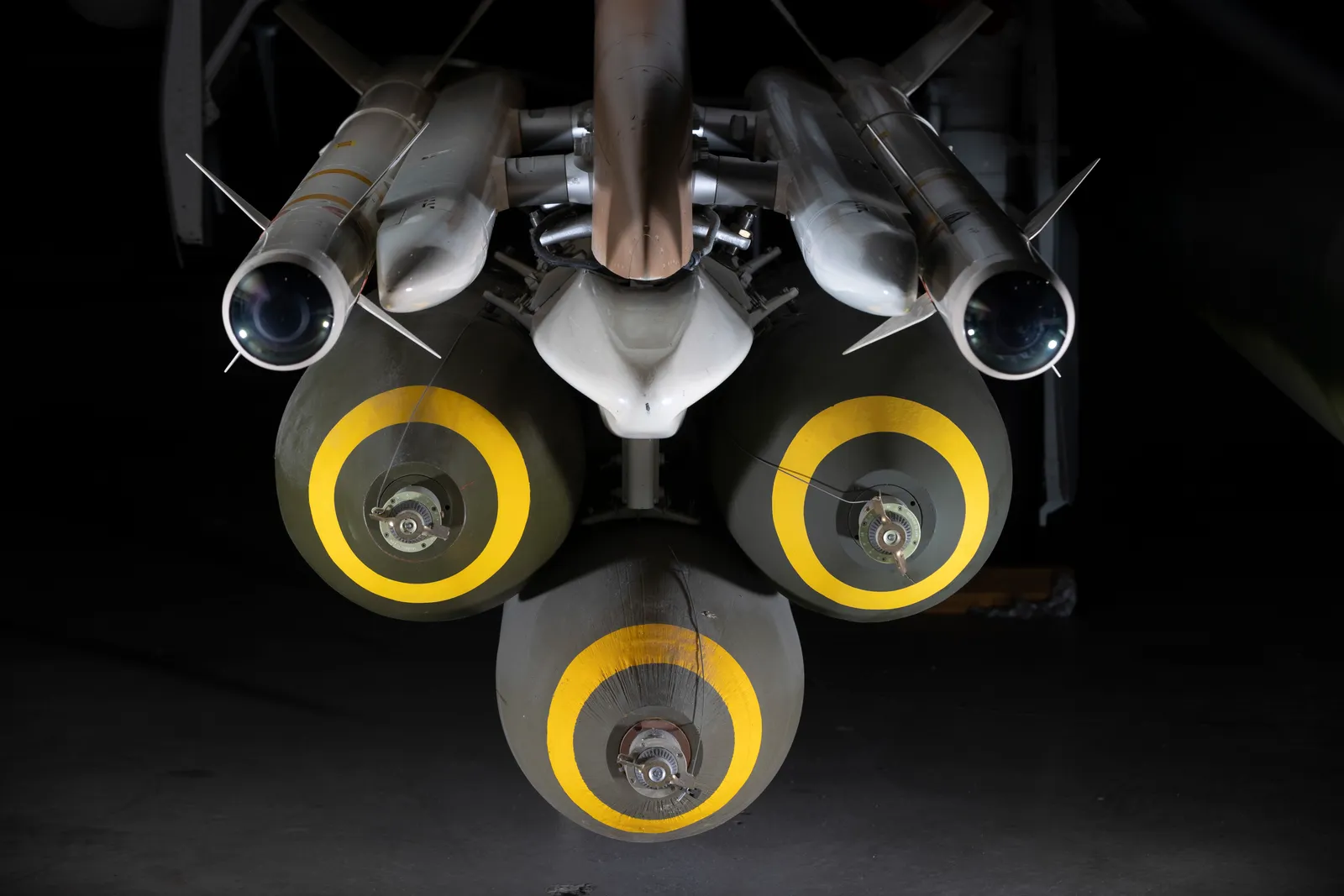
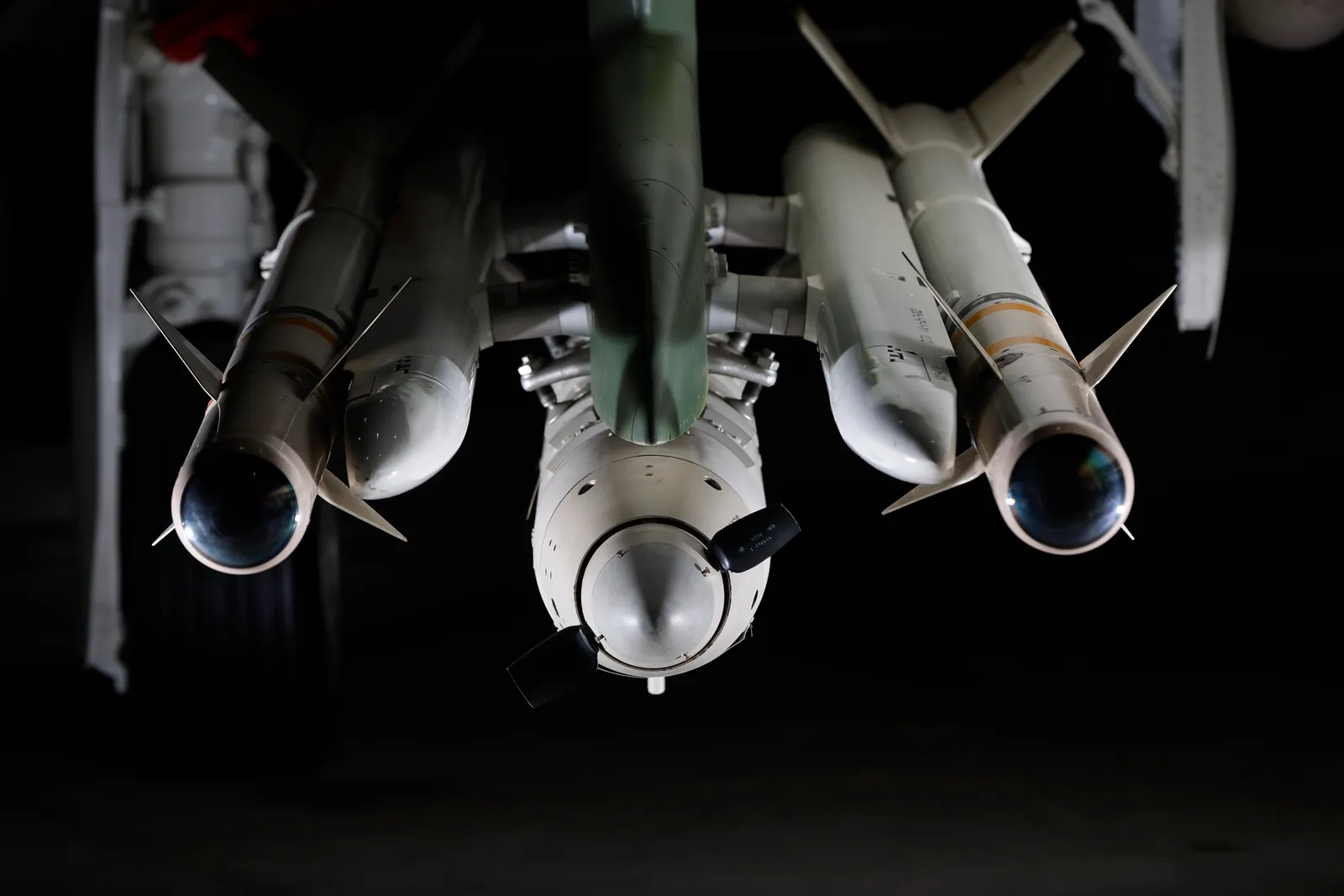
The AN/ALQ-87 was a General Electric electronic countermeasures pod, originally designated QRC-160-8, that gave 1955 Vietnam War strike aircraft a podded radar-jamming option against radar-guided air defenses. U.S. Air Force history ties the pod to late-1967 combat introduction, broad 1968 strike-aircraft use, and F-111A Linebacker operations, while the National Museum of the U.S. Air Force displays an F-4C 1967 loadout with one ALQ-87 on the right inboard pylon.

Role in Conflicts

Side
United States and South Vietnam
Role in conflict
Aircraft self-protection radar jamming

U.S. Air Force history describes ALQ-87 pods entering combat late in 1967, becoming a principal electronic countermeasures pod for strike aircraft in 1968, and still being carried by F-111A aircraft during the Linebacker air campaign.

Vietnam-Era ECM Role

The ALQ-87 page is strongest as a combat-support electronics record: the pod did not deliver weapons itself, but it was part of the aircraft survivability package used by U.S. strike aircraft against radar-guided air defenses over North Vietnam.

ContextDocumented roleReader note
Late 1967 combat entryPodded radar jammingAir Force history places the ALQ-87 in combat by late 1967 as U.S. aircraft adapted to radar-guided threats.
1968 strike operationsPrincipal ECM podThe pod became a core external jammer for strike aircraft rather than a niche test installation.
1972 Linebacker operationsF-111A carriageAir Force history documents F-111A missions carrying ALQ-87 pods during the renewed air campaign.
Profile / Specs

Profile

Origin
United States
Type
Electronic countermeasures pod
Service note
1955 Vietnam War era

Specifications

Designation
AN/ALQ-87; originally QRC-160-8
Function
Aircraft electronic countermeasures pod for radar jamming
Jamming modes
Noise, beacon, and downlink jamming functions described in Air Force electronic-warfare history
Configuration count
380 configurations in the General Electric brochure transcription
Mounting
14-inch and 30-inch pylon bracket compatibility
Vietnam service
Entered combat late in 1967 and remained in use during Linebacker operations
Variants

The record covers the ALQ-87 pod family and its original QRC-160-8 designation rather than a single external aircraft installation.

VariantConfigurationDesignation notes
AN/ALQ-87 configuration familyModular ECM pod configurations

Aviation Archives' transcription of a General Electric brochure describes 380 ALQ-87 configurations and compatibility with 14-inch and 30-inch pylon brackets.

Sources: General Electric AN/ALQ-87 Configurations - Aviation Archives

Carrier Aircraft

The museum F-4C display and Air Force history place the pod in 1955 Vietnam War fighter-bomber and strike-aircraft loadouts.

CarrierCarrier typeCarriage evidence
F-4 Phantom II, Twin-engine, two-seat supersonic fighter-bomber, Aircraft & UAVsF-4 Phantom IITwin-engine fighter-bomber

The National Museum of the U.S. Air Force lists one ALQ-87 pod on the right inboard pylon in a typical 1967 F-4C loadout.

Sources: McDonnell Douglas F-4C Phantom II | National Museum of the United States Air Force

Timeline

AN/ALQ-87 electronic countermeasures pod Key Events

  1. Combat introduction

    U.S. Air Force history describes ALQ-87 pods entering combat late in 1967 as strike aircraft faced radar-guided air defenses over North Vietnam.

    Sources: Tactics and Techniques of Electronic Warfare | All World Wars

  2. Principal strike-aircraft ECM pod

    The Air Force history describes the ALQ-87 becoming a principal ECM pod for U.S. strike aircraft in 1968.

    Sources: Tactics and Techniques of Electronic Warfare | All World Wars

  3. Linebacker F-111A carriage

    The same Air Force history describes F-111A aircraft carrying ALQ-87 pods during the Linebacker air campaign.

    Sources: Tactics and Techniques of Electronic Warfare | All World Wars

  4. Replacement by newer pods

    IPMS/USA notes that the ALQ-87 was phased out in the early 1970s as the AN/ALQ-119 replaced it.

    Sources: AN/ALQ-87 ECM Pod | IPMS/USA

Media
Related Weapon Systems
ALQ-99 Tactical Jamming System, Tactical jamming pod system, Electronic WarfareElectronic WarfareALQ-99 Tactical Jamming SystemTactical jamming pod systemThe ALQ-99 Tactical Jamming System is a U.S. external-carriage airborne electronic attack pod family used to jam radar and communications targets for suppression of enemy air defenses. NAVAIR says it entered service in 1971, served on the EA-6B Prowler before transitioning to the EA-18G Growler in 2010, and remains in use alongside Next Generation Jammer pods, including documented VAQ-133 carriage during 2026 Iran War strike operations.
AN/ALQ-249(V)1 Next Generation Jammer Mid-Band, Carrier-based airborne electronic attack jamming pod system, Electronic WarfareElectronic WarfareAN/ALQ-249(V)1 Next Generation Jammer Mid-BandCarrier-based airborne electronic attack jamming pod systemThe AN/ALQ-249(V)1 Next Generation Jammer Mid-Band is Raytheon's airborne electronic attack pod for U.S. Navy and Royal Australian Air Force EA-18G Growlers, replacing part of the ALQ-99 mission set with two-pod ship sets built around active electronically scanned arrays and a digital back end. It reached initial operational capability in December 2024 and has documented combat-linked use from VAQ-133 deployments in the 2023 Red Sea Crisis and 2026 Iran War.
F-16A MLU, Single-seat F-16A Mid-Life Update multirole fighter, Aircraft & UAVsAircraft & UAVsF-16A MLUSingle-seat F-16A Mid-Life Update multirole fighterThe F-16A MLU, commonly designated F-16AM after upgrade, is the single-seat Mid-Life Update branch of early F-16A fleets. The program kept European Participating Air Forces and later export aircraft operational by adding modernized mission systems, APG-66(V)2-class radar improvements, beyond-visual-range air-to-air capability, and precision-strike functions. Public combat records tie F-16AM aircraft to NATO operations over Kosovo and Libya and to the AM/BM MLU aircraft supplied to Ukraine during the 2014 Russia-Ukraine War.
EA-18G Growler, Carrier-capable airborne electronic attack aircraft, Electronic WarfareElectronic WarfareEA-18G GrowlerCarrier-capable airborne electronic attack aircraftThe EA-18G Growler is a Boeing-built electronic attack derivative of the two-seat F/A-18F Super Hornet, fielded to jam, detect, and attack hostile radars, communications, and air-defense networks while retaining missile carriage for suppression missions. U.S. Navy and Australian Growlers provide carrier or land-based electronic warfare support, with early combat deployment in Iraq and Libya in 2010-2011 and later documented use in 2014 Operation Inherent Resolve, Red Sea operations against Houthi forces, and the U.S.-Iran strike context.
BM/KG300G electronic countermeasures system, Airborne ECM pod, Electronic WarfareElectronic WarfareBM/KG300G electronic countermeasures systemAirborne ECM podThe BM/KG300G is a Chinese airborne self-protection jamming pod family for external carriage on combat aircraft, with public sources describing I/J-band radar jamming, automatic countermeasure selection, and integration with radar-warning and dispenser subsystems. The baseline pod is associated with CEIEC/CETC and SWIEE/SIWEE reporting, while 2024 coverage showed a smaller rotary-wing form on a Z-10 and compact pods on an FH-95 UAV.

Sources