- Measurement principle
- Acoustic Doppler effect
- Primary output
- Current velocity profiles through the water column
- Measured quantities
- Current speed and direction; some commercial lines also support wave, turbulence, and navigation applications
- Typical deployment
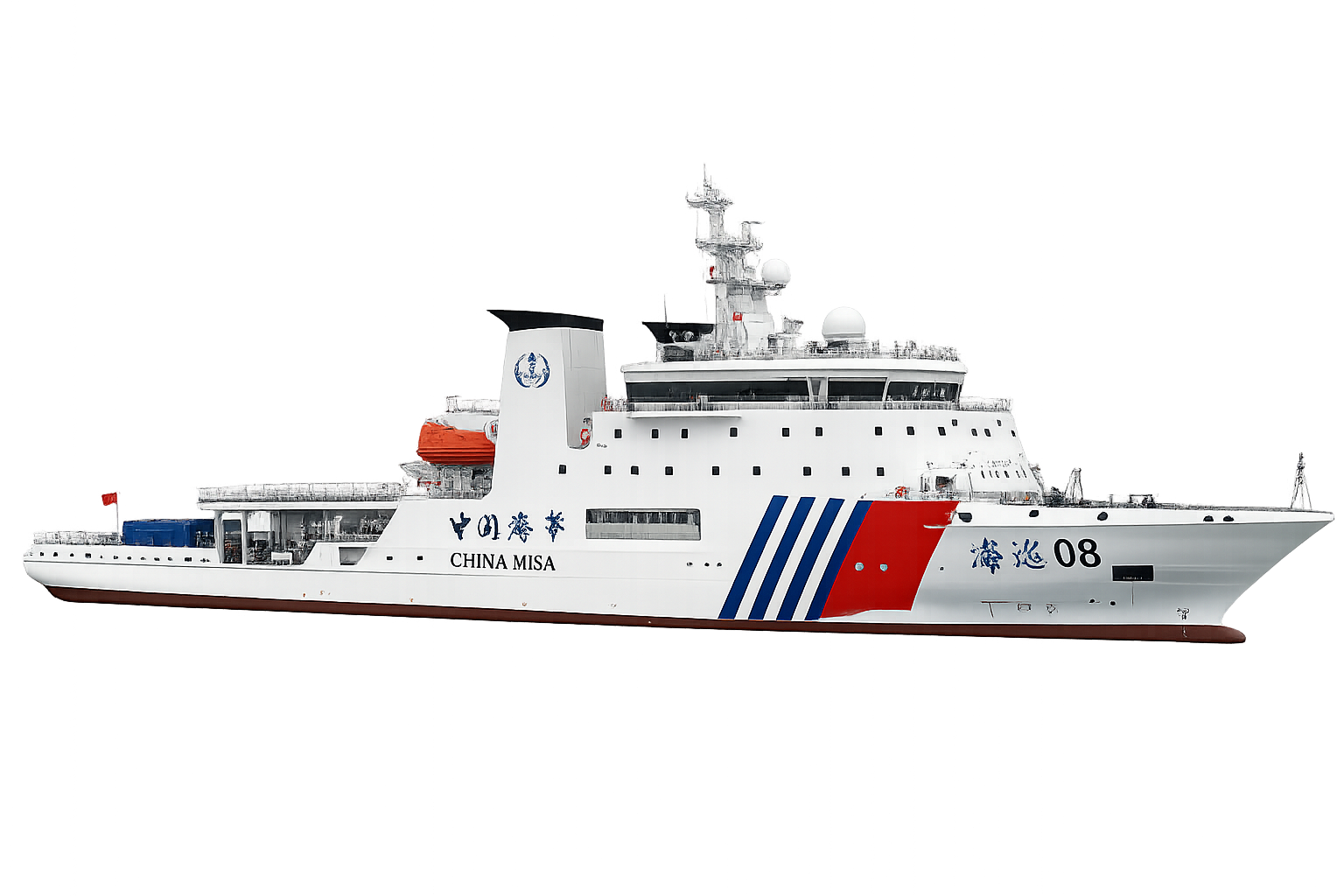
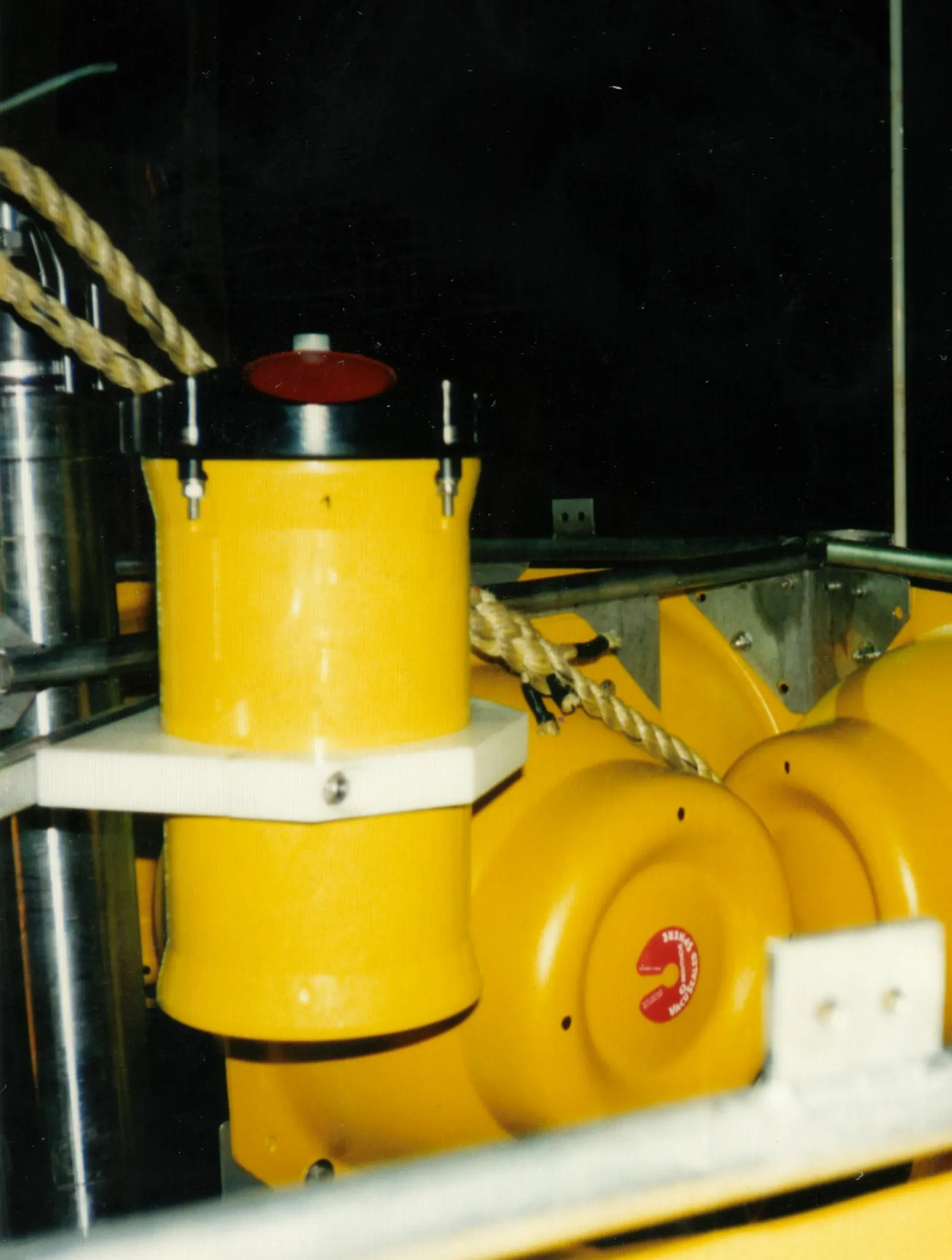
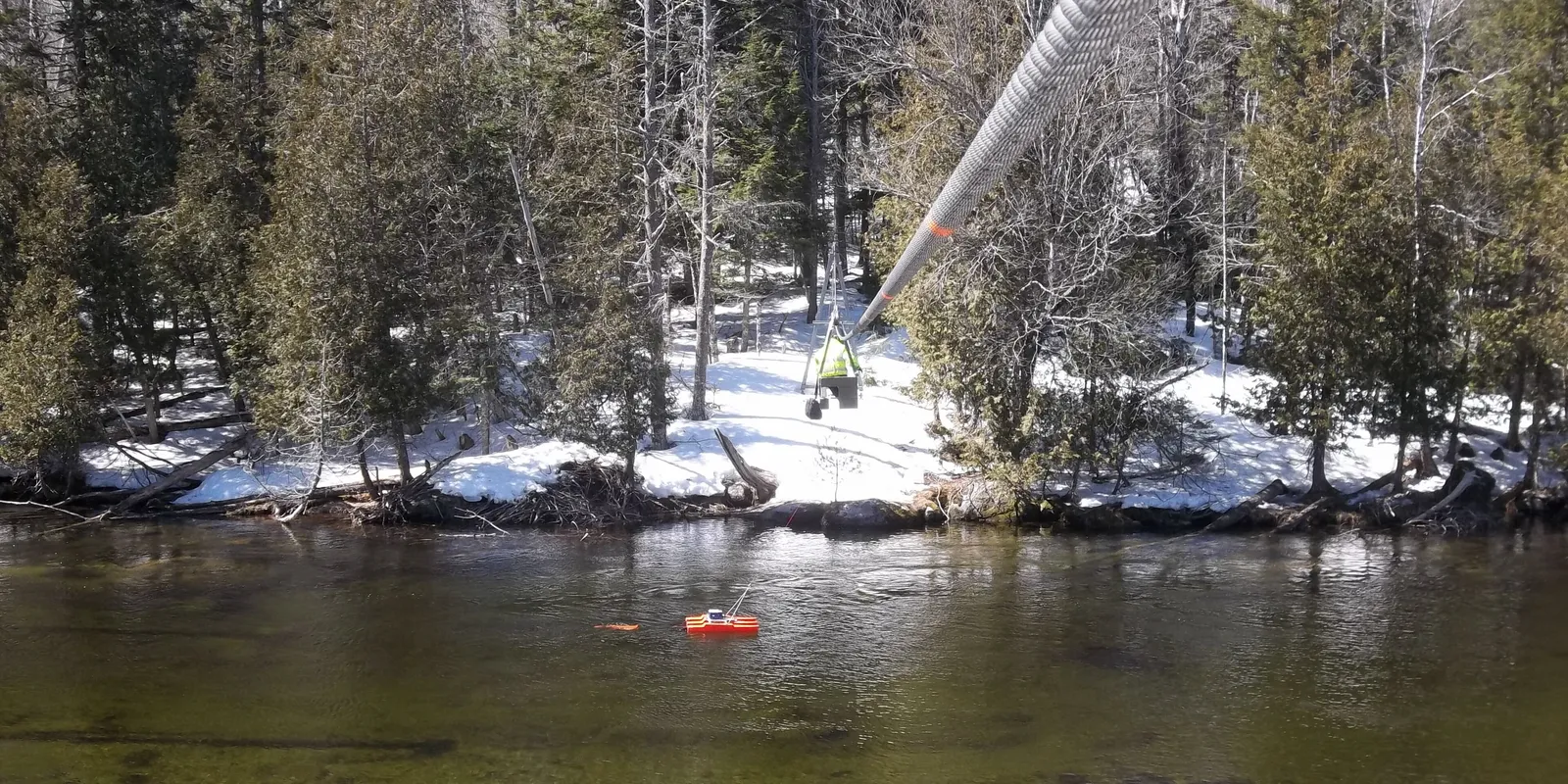
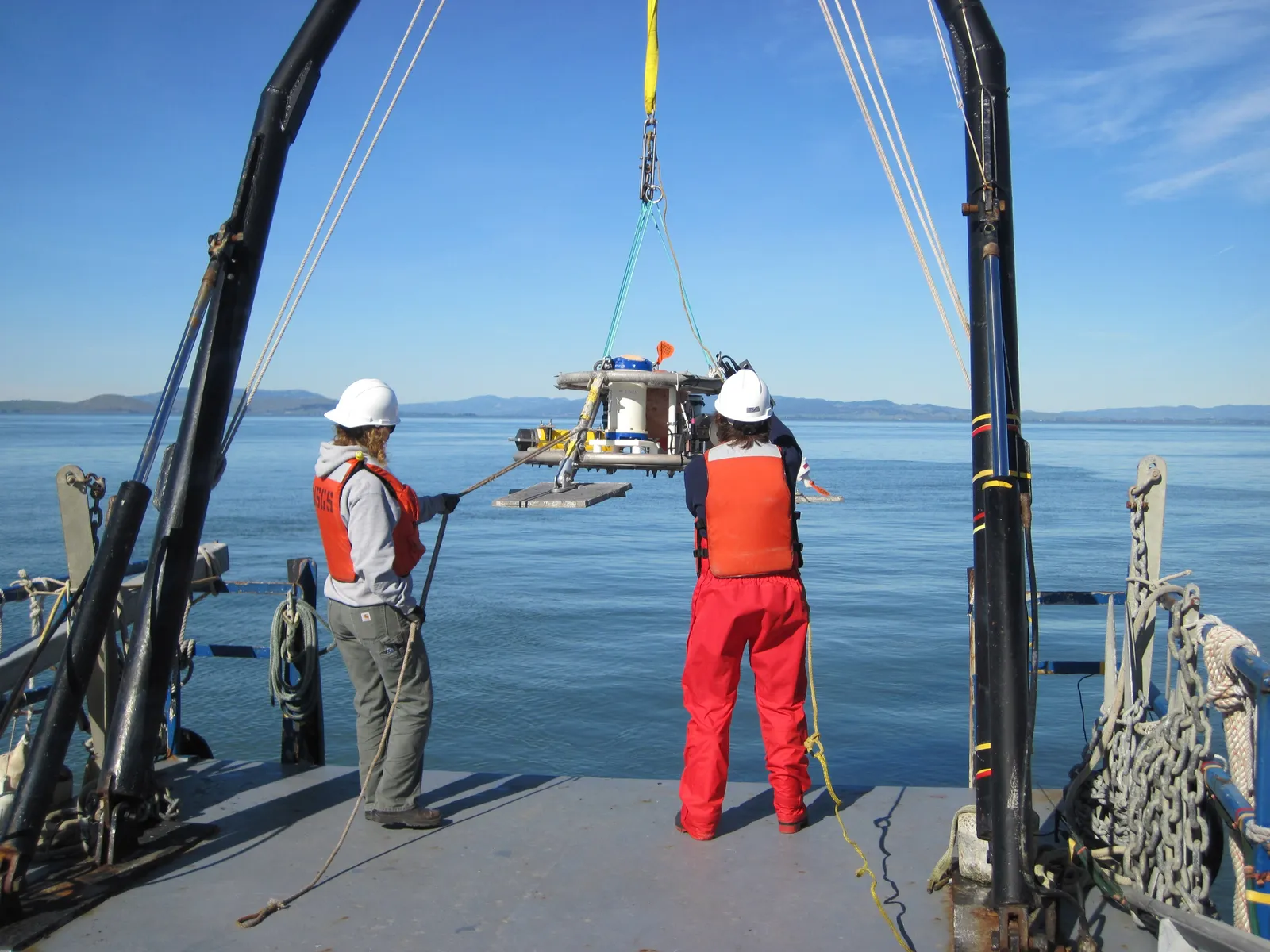
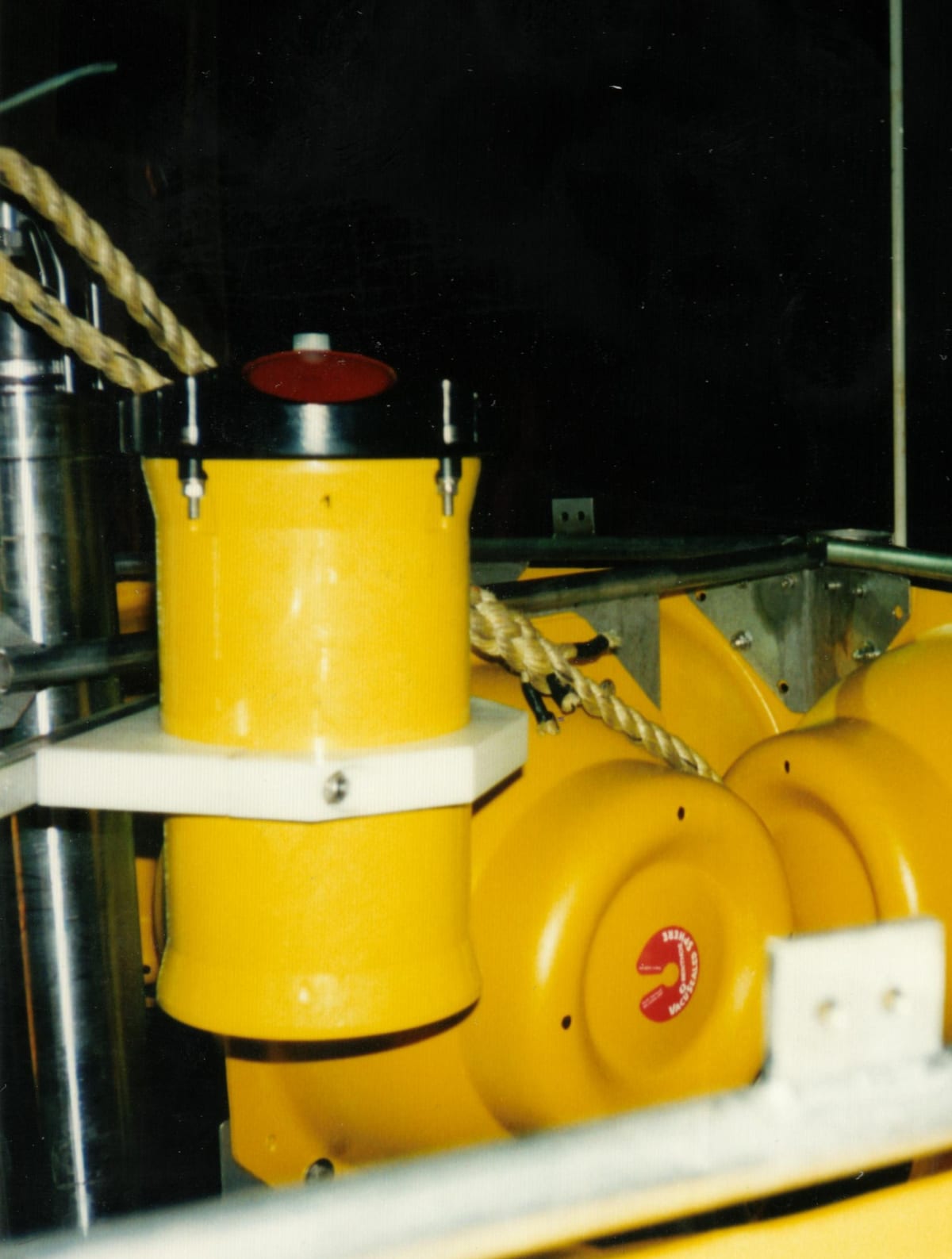
- Shipboard, vessel-mounted, moored, seafloor, buoy, unmanned-vehicle, or river-discharge survey instrument
- Common beam layout
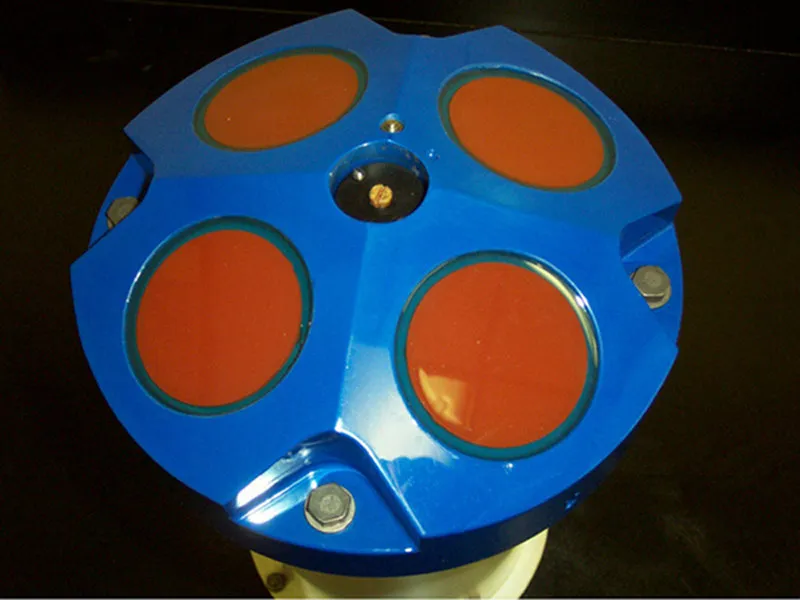
- Four slanted transducer beams in a Janus-style geometry on many shipboard instruments
- Frequency and range tradeoff
- Higher frequencies can provide higher-resolution shallow profiles; lower frequencies can profile farther into the water column
- Representative frequency classes
- Commercial examples range from long-range 45-55 kHz ocean profilers to 1000-1200 kHz shallow/coastal profilers
- Representative profiling ranges
- Public product examples range from tens of meters for high-frequency profilers to about 1,000 m for low-frequency long-range systems
- Documented shipboard archive
- NOAA and University of Hawaii Joint Archive for Shipboard ADCP data includes cruises beginning in 1985
- Documented uses
- Hydrographic survey, oceanography, river flow monitoring, wave measurement, turbulence work, and subsea navigation support