Air Defense

9S470M1 command post

Also known as
  • 9S470M1
  • 9S470M1 command vehicle
  • 9S470M1 Buk-M1 command post
  • 9S470M1-2
  • 9S470M1-2 command post
  • 9S470M1-2 Buk-M1-2 command post
  • 9C470M1
  • 9C470M1-2
  • 9С470М1
  • 9С470М1-2

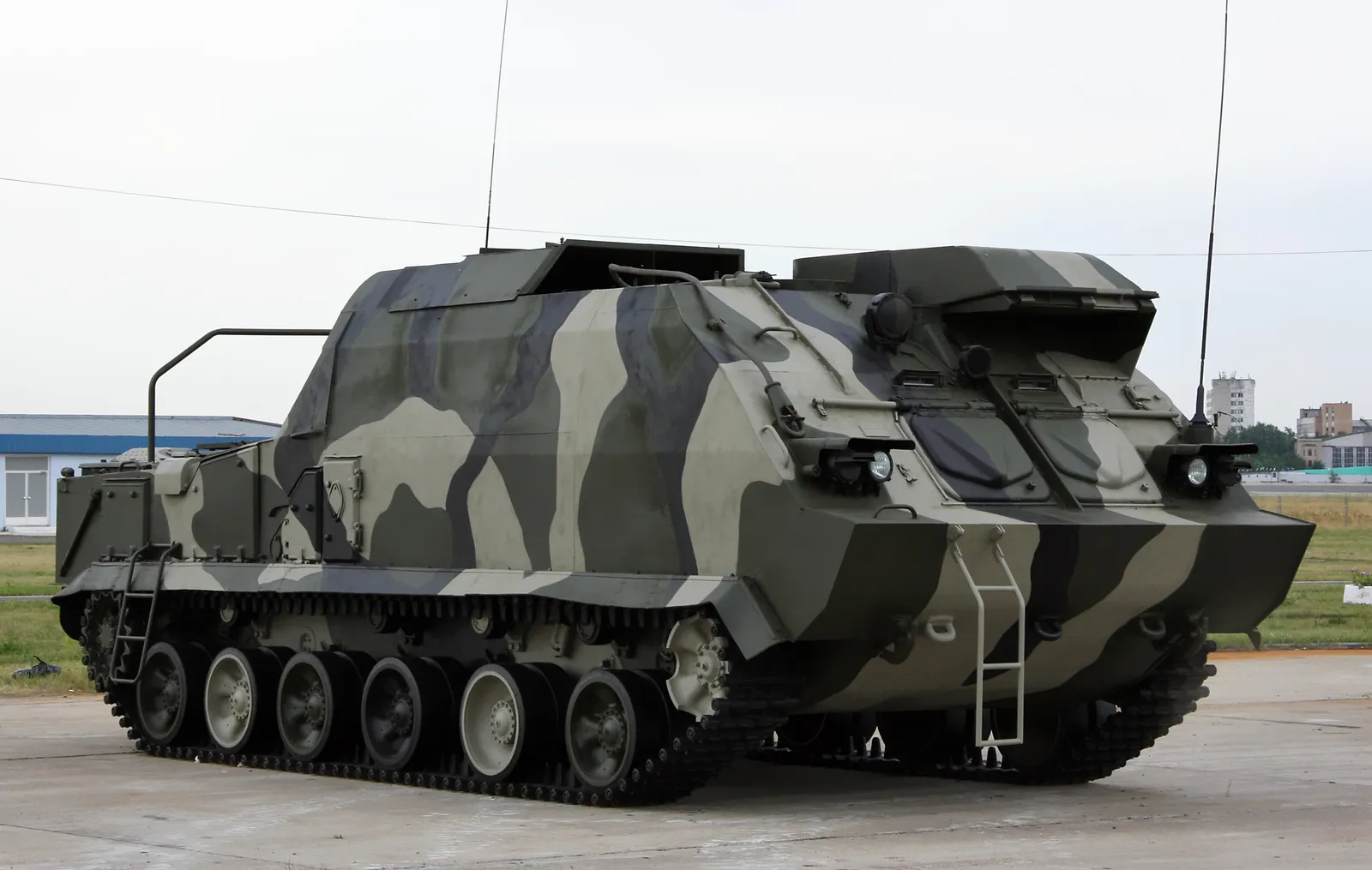
The 9S470M1 is the tracked command-post vehicle associated with the Buk-M1 surface-to-air missile system, sitting between the 9S18-family target-acquisition radar and Buk TELARs or launcher-loader vehicles. It receives target information, manages command-and-control links, and assigns targets inside a Buk battery or battalion command layer; Russia-Ukraine War loss records document Russian 9S470M1-family command posts destroyed or captured with Buk-M1/Buk-M1-2 equipment.

Role in Conflicts

Profile / Specs

Profile

Origin
Soviet Union / Russia
Built by
NIIP
Type
Tracked Buk-family command post vehicle
Service note
Buk-M1 modernization generation, with related 9S470M1-2 command posts used in later Buk-M1-2 batteries.
Designer
Tikhomirov NIIP
Designed
Buk-M1 modernization context following the original 9K37 Buk development
Produced
Buk-M1 and Buk-M1-2 service era; vehicle-specific production span not publicly confirmed in the sources used here

Specifications

Vehicle role
Tracked command post / control post for Buk-family air-defense batteries
Associated systems
9K37M1 Buk-M1 and the later 9K37M1-2 Buk-M1-2 command-post family
Chassis
GM-579-series tracked chassis in Air Power Australia's 9S470-series description
Command function
Coordinates communications between target-acquisition radar vehicles and launcher vehicles in Buk battery context
Buk-M1-2 control links
RusArmy describes the 9S470M1-2 working with one 9S18M1-1 radar, six 9A310M1-2 firing vehicles, and higher automated command posts
Data handling
RusArmy describes 9S470M1-2 equipment processing up to 75 radar marks and automatically tracking up to 15 of the most dangerous tracks
Communications
Telecode radio or wired command links in the Buk-M1-2 description
Mobility
Tracked Buk-family combat vehicle with autonomous power, navigation, communications, and crew-protection systems in RusArmy's Buk-M1-2 description
Variants

Open sources use the 9S470 series for Buk-family command posts, with 9S470M1 tied to Buk-M1 and 9S470M1-2 tied to the Buk-M1-2 modernization.

VariantConfigurationDesignation notes
9S470Original Buk / 9K37 command post

Air Power Australia describes the original 9S470 self-propelled command post as part of the second-phase Buk design and notes the 9S470 series on a GM-579 tracked chassis.

Sources: 9K37 Buk M1/M2 - Air Power Australia

9S470M1-2Buk-M1-2 command post

RusArmy lists the 9S470M1-2 command post among Buk-M1-2 combat assets and describes its automated control and target-distribution functions.

Sources: Buk - RusArmy.com

9S470MBBuk-MB digital retrofit command post

Air Power Australia describes the Belarusian Buk MB upgrade as replacing 1980s technology in the 9S470 command post and designating the upgraded command vehicle 9S470MB.

Sources: 9K37 Buk M1/M2 - Air Power Australia

Buk Battery Components

The 9S470M1 command-post family is useful as a catalog entry because it connects Buk search radar, firing vehicles, and missiles into the command layer of a battery.

Compatible itemItem typeCompatibility evidence
9S18 Kupol, Tracked target-acquisition radar for Buk air-defense systems, Air Defense9S18 KupolTarget-acquisition radar

Buk references describe the 9S18-family radar as the search and target-designation vehicle that feeds target information to the command post.

Sources: Buk - RusArmy.com, Buk-M1 - Army Recognition

9A310M1-2 TELAR, Tracked Buk-M1-2 transporter erector launcher and radar, Air Defense9A310M1-2 TELARBuk-M1-2 firing vehicle

RusArmy lists 9A310M1-2 self-propelled firing vehicles under the 9S470M1-2 command post's Buk-M1-2 control structure.

Sources: Buk - RusArmy.com

9M38M1 surface-to-air missile, Buk-family surface-to-air missile, Munitions9M38M1 surface-to-air missileBuk-M1 surface-to-air missile

Army Recognition identifies the Buk-M1 system as firing 9M38 and 9M38M1 missiles, giving the command-post record its missile-family context without treating the command vehicle as a launcher.

Sources: Buk-M1 - Army Recognition

Command Layer In A Buk Battery

The 9S470M1 family is not a launcher. It is the command vehicle that helps turn separate Buk search, fire-control, and launch vehicles into a coordinated air-defense unit.

Radar input

Buk references place the command post between the 9S18-family target-acquisition radar and the firing vehicles, receiving radar tracks and distributing target assignments.

Firing-unit coordination

RusArmy describes the 9S470M1-2 command post working with one 9S18M1-1 radar and six 9A310M1-2 self-propelled firing vehicles in a Buk-M1-2 set.

Variant caution

Loss records may identify 9S470M1, 9S470M1-2, or a 9S470M1-family variant; this record keeps those reports together while naming the exact variant when the source does.

Sources: Buk - RusArmy.com; Buk-M1 - Army Recognition; Russian Equipment Losses - Oryx.
Timeline

9S470M1 command post Key Events

  1. Buk development authorized

    GlobalSecurity describes the January 1972 Soviet decision that initiated Buk development and identifies NIIP as the system developer, with separate design responsibility for the 9S470 command post.

    Sources: SA-11 History - GlobalSecurity.org

  2. Buk-M1 generation enters service context

    Open Buk-family references place Buk-M1 service entry in the early 1980s after modernization work, creating the system context for the 9S470M1 command-post designation.

    Sources: Buk Missile System - Wikipedia, 9K37 Buk M1/M2 - Air Power Australia

  3. Buk-M1-2 accepted into service

    RusArmy places Buk-M1-2 acceptance into service in 1998; its Buk-M1-2 combat-asset description lists the 9S470M1-2 command post as the control vehicle for that branch.

    Sources: Buk - RusArmy.com

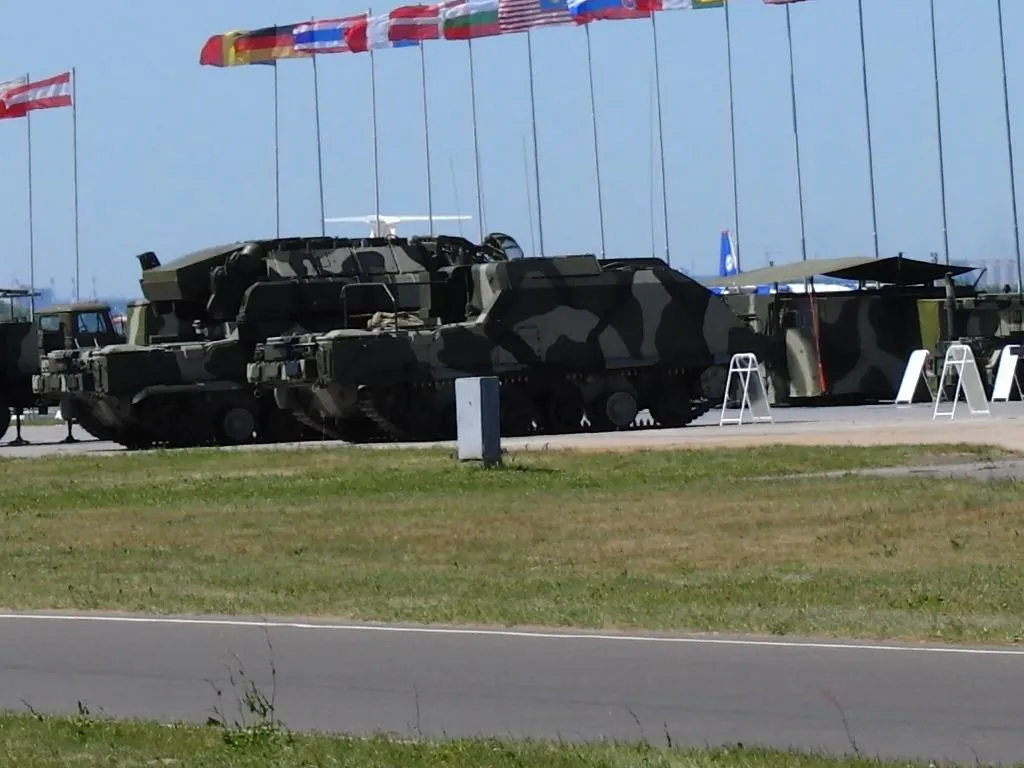
  4. 9S470M1-2 photographed at Engineering Technologies

    The primary Commons image source identifies a 9S470M1-2 command post photographed at the Engineering Technologies 2010 forum in Zhukovsky.

    Sources: File:Command Post 9S470-M1-2 2.jpg

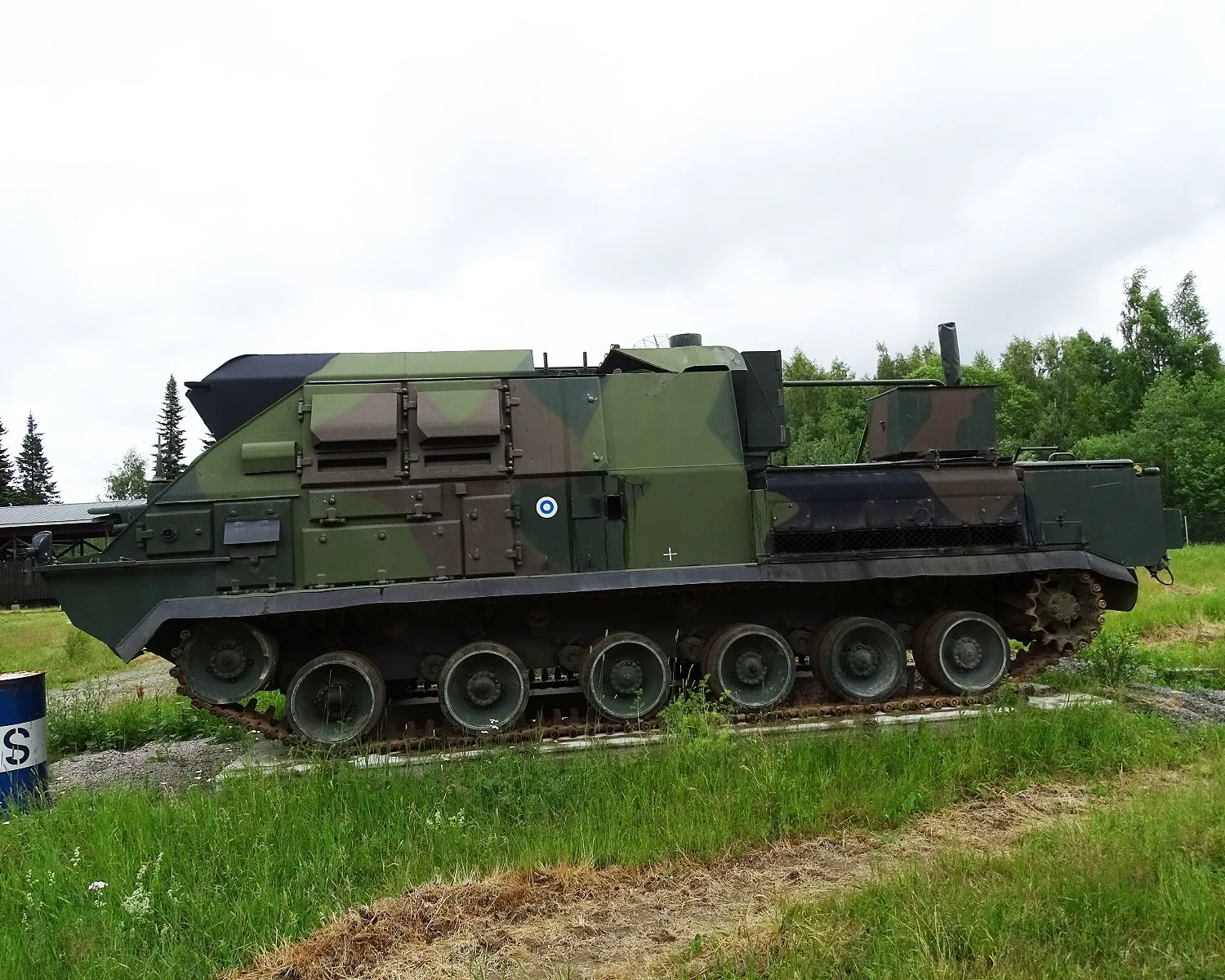
  5. 9S470M1 museum vehicle photographed

    The primary Commons image source identifies a 9S470M1 command vehicle photographed at the Finnish Air Defence Museum.

    Sources: File:022 - 9S470M1 Command Vehicle

  6. Russian 9S470M1-family losses documented

    Oryx's visual-loss list for Russia's invasion of Ukraine records a destroyed Russian 9S470M1 command vehicle for Buk-M1 and additional 9S470M1-or-variant Buk-M1/2 command posts destroyed or captured.

    Sources: Russian Equipment Losses - Oryx

Media
Related Weapon Systems
1L125 Niobium-SV, Mobile VHF three-coordinate air-defense surveillance radar, Air DefenseAir Defense1L125 Niobium-SVMobile VHF three-coordinate air-defense surveillance radarThe 1L125 Niobium-SV is a Russian mobile VHF/meter-band, three-coordinate radar built for ground-forces air defense and developed by NNIIRT within the Almaz-Antey group. Rosoboronexport's 1L125E export profile describes a 5-500 km, 360-degree surveillance radar for detecting, tracking, identifying, and reporting aerodynamic and ballistic targets, including low-observable aircraft; Ukrainian and sanctions-derived records identify Niobium-SV radars in Russian service during the Russia-Ukraine war.
1L13-3 Nebo-SV, Mobile VHF two-coordinate air-surveillance radar, Air DefenseAir Defense1L13-3 Nebo-SVMobile VHF two-coordinate air-surveillance radarThe 1L13-3 Nebo-SV is a Soviet/Russian mobile meter-band radar for ground-forces air defense, built to search for aircraft, helicopters, UAVs, and other air targets and pass range-and-bearing data to command posts or missile batteries. It is a two-coordinate predecessor to the 1L119 Nebo-SVU: sources describe it with a 72-element VHF antenna array, separate IFF interrogator, six-person crew, and fighter-target detection figures reaching roughly 350 km at high altitude.
48Ya6-K1 Podlet-K1, Mobile three-coordinate low-altitude air-surveillance radar, Air DefenseAir Defense48Ya6-K1 Podlet-K1Mobile three-coordinate low-altitude air-surveillance radarThe 48Ya6-K1 Podlet-K1 is a Russian mobile three-coordinate radar complex built to detect and track low-altitude air targets for air-defense units. Public reporting describes the system as a multi-vehicle package with a radar/antenna vehicle, command or operator-control vehicle, and power-support vehicle on KamAZ chassis, while Rosoboronexport markets the export Podlet-K1KE for automated detection, tracking, identification, and flight-information tasks in air-defense and air-force radio-engineering units. Ukraine-war reporting documents Russian Podlet-K1 losses and strikes tied to the S-300 and S-400 air-defense network.
50N6A multifunction radar, Mobile multifunction radar for the S-350 Vityaz air-defense system, Air DefenseAir Defense50N6A multifunction radarMobile multifunction radar for the S-350 Vityaz air-defense systemThe 50N6A is a Russian mobile multifunction radar associated with the 50R6A/S-350 Vityaz air-defense system. It provides search, target tracking, fire-control, and missile-guidance support for Vityaz batteries, while official export data for the S-350E family gives the multifunction radar 150 km circular-scan and 230 km fixed-sector air-target detection modes. WarSpotting documented a Russian 50N6A radar destroyed in Donetsk oblast on January 1, 2026, making the component directly visible in the 2014 Russia-Ukraine War rather than only through its parent S-350 system.
55K6A command post, Mobile S-400 air-defense command post, Air DefenseAir Defense55K6A command postMobile S-400 air-defense command postThe 55K6A is the Russian-service command-post component associated with the S-400 Triumf air-defense system. Open export literature describes the closely related 55K6E combat control post as the node that processes radar information, distributes targets, issues target designations, and links S-400 batteries with higher or neighboring command systems. In Ukraine, open-source loss tracking and defense reporting identify a Russian 55K6A command post destroyed in Kherson Oblast in May 2023, making the component useful as a separately tracked command-and-control target rather than only as part of the broader S-400 launcher family.

Sources