Tanks

Tanks, model not publicly identified

Also known as
  • Pakistan Army tank
  • Pakistan Army tank on the LoC
  • Sialkot sector tanks
  • Unidentified Pakistan Army tanks

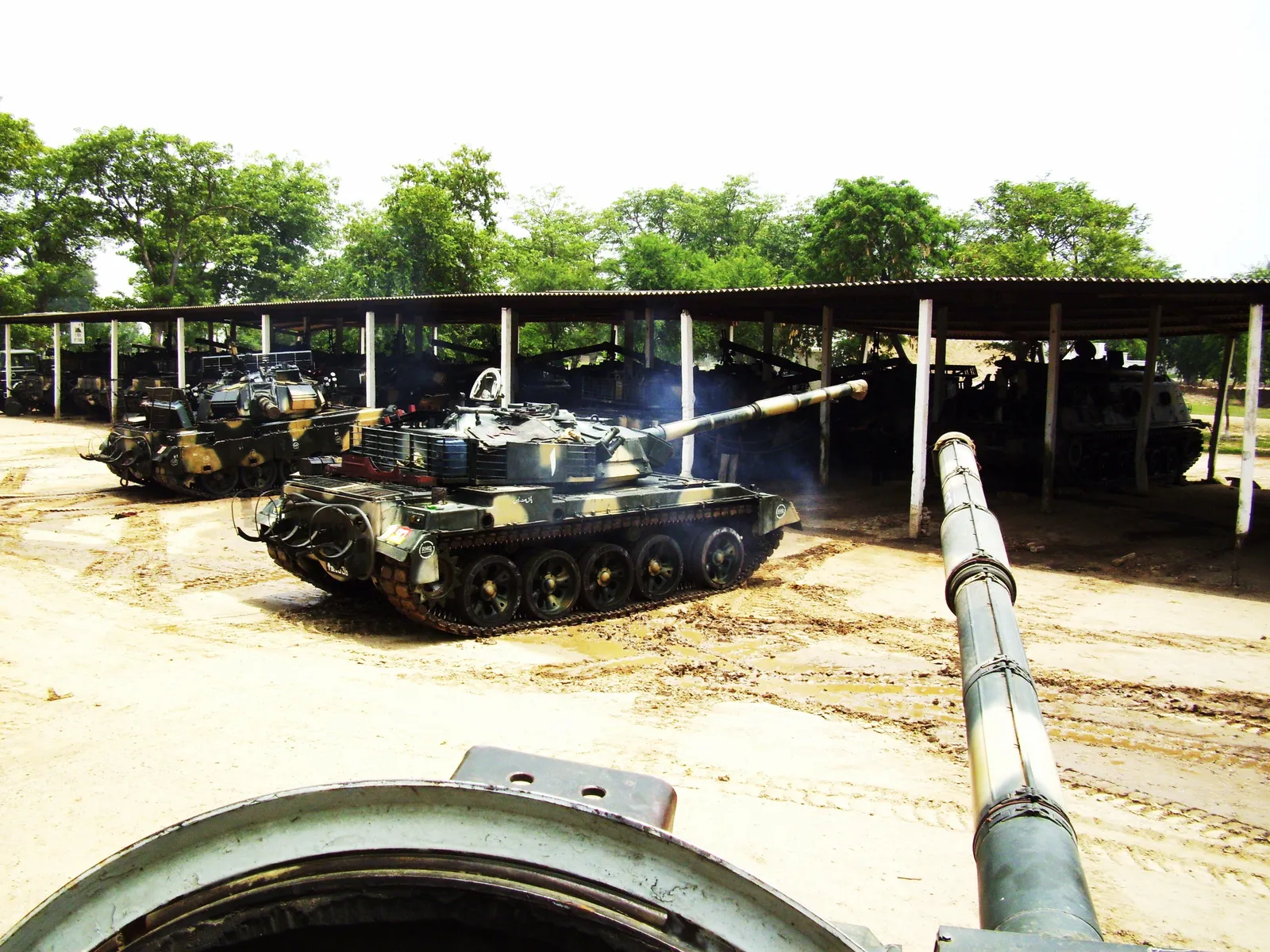
Pakistan Army tanks were reported on the Line of Control and the international border during the 27 February 2019 escalation, but public reporting did not identify the vehicle model. This record therefore treats the item as an unidentified tank-class system and limits the conflict claim to sourced border reinforcement and direct-fire context.

Role in Conflicts

Profile / Specs

Profile

Origin
Unknown
Type
Tank, model not publicly identified
Service note
Documented in the February-March 2019 crisis

Specifications

Armament
Not publicly identified in the 2019 reporting; tank-class reference material describes modern tanks as commonly mounting 120- or 125-mm guns
Mobility
Tracked cross-country armored vehicle
Protection
Armored combat vehicle designed to protect its crew
Role
Heavy direct-fire combat vehicle
Timeline

Tanks, model not publicly identified Key Events

  1. Border deployment reported

    Indian news reports said Pakistan Army tanks were used on the Line of Control and the international border in the Sialkot sector during the escalation.

    Sources: Pakistan army uses tanks on LoC in Sialkot sector, Aaj Tak 27 February live updates, LatestLY tanks in Sialkot sector

Documented Context

Public reporting identifies Pakistan Army tank use on the Line of Control and the international border during the 27 February 2019 escalation, but does not name the tank model or builder.

Model

Not publicly identified in the cited reporting.

Documented location

Line of Control and international border, reported for the Sialkot sector.

Catalog scope

This entry records the sourced tank-class use only; the representative image should not be read as a model identification.

Related Weapon Systems
Heavy-calibre weapons, Aggregate heavy artillery and mortar category, ArtilleryArtilleryHeavy-calibre weaponsAggregate heavy artillery and mortar categoryHeavy-calibre weapons is a conservative aggregate entry for the mortars and heavy-calibre artillery publicly cited in the 2025 India-Pakistan Conflict. Indian Ministry of Defence reporting and Associated Press coverage describe Pakistani Line of Control shelling with mortars, artillery, and gunfire, but the public sources do not identify exact Pakistani gun or mortar models, so this record documents the sourced category rather than a specific weapon system.
155 mm FH77B Bofors howitzer, 155 mm towed howitzer, ArtilleryArtillery155 mm FH77B Bofors howitzer155 mm towed howitzerThe 155 mm FH77B Bofors howitzer is a Swedish towed artillery piece developed by Bofors from the FH77A family and widely known in India as the Bofors gun. The export B-model retained the FH77 family’s auxiliary power unit for short self-movement, but used a longer 39-caliber barrel, screw breech, bag charges, and NATO-standard 155 mm ammunition. India’s 410-gun procurement made the FH77B a long-lived part of Indian Army artillery, with direct source-backed use in the 1999 Kargil War and later Line of Control firing in 2019 and 2025.
Mortars, Infantry and artillery mortar class, ArtilleryArtilleryMortarsInfantry and artillery mortar classMortars are short-barreled, high-angle indirect-fire weapons used by infantry, artillery units, and armed groups for close support, harassment, and attacks on positions behind cover. The catalog entry treats mortars as a broad weapon class because the direct conflict sources usually document mortar use without identifying exact calibers or models, including Philippine government support fires at Marawi, Hezbollah fire at Mount Dov, jihadist attacks in Mali and Sinai, FARC dissident improvised mortars in Colombia, 2023 Sudan War battlefield use, and Cambodia-accused cross-border fire.
Leopard 1A5, Main battle tank, TanksTanksLeopard 1A5Main battle tankThe Leopard 1A5 is the late fire-control modernization of Germany's Leopard 1 main battle tank, retaining the 105 mm L7-series gun while adding thermal sighting, laser ranging, and ballistic-computer upgrades. Danish A5 DK tanks saw direct conflict use in Bosnia in the 1990s, and refurbished A5-family vehicles later entered Ukrainian service as mobile direct-fire support tanks with better sighting and logistics than many older Soviet designs but far less protection than Leopard 2 variants.

Sources