2014 Russia-Ukraine War

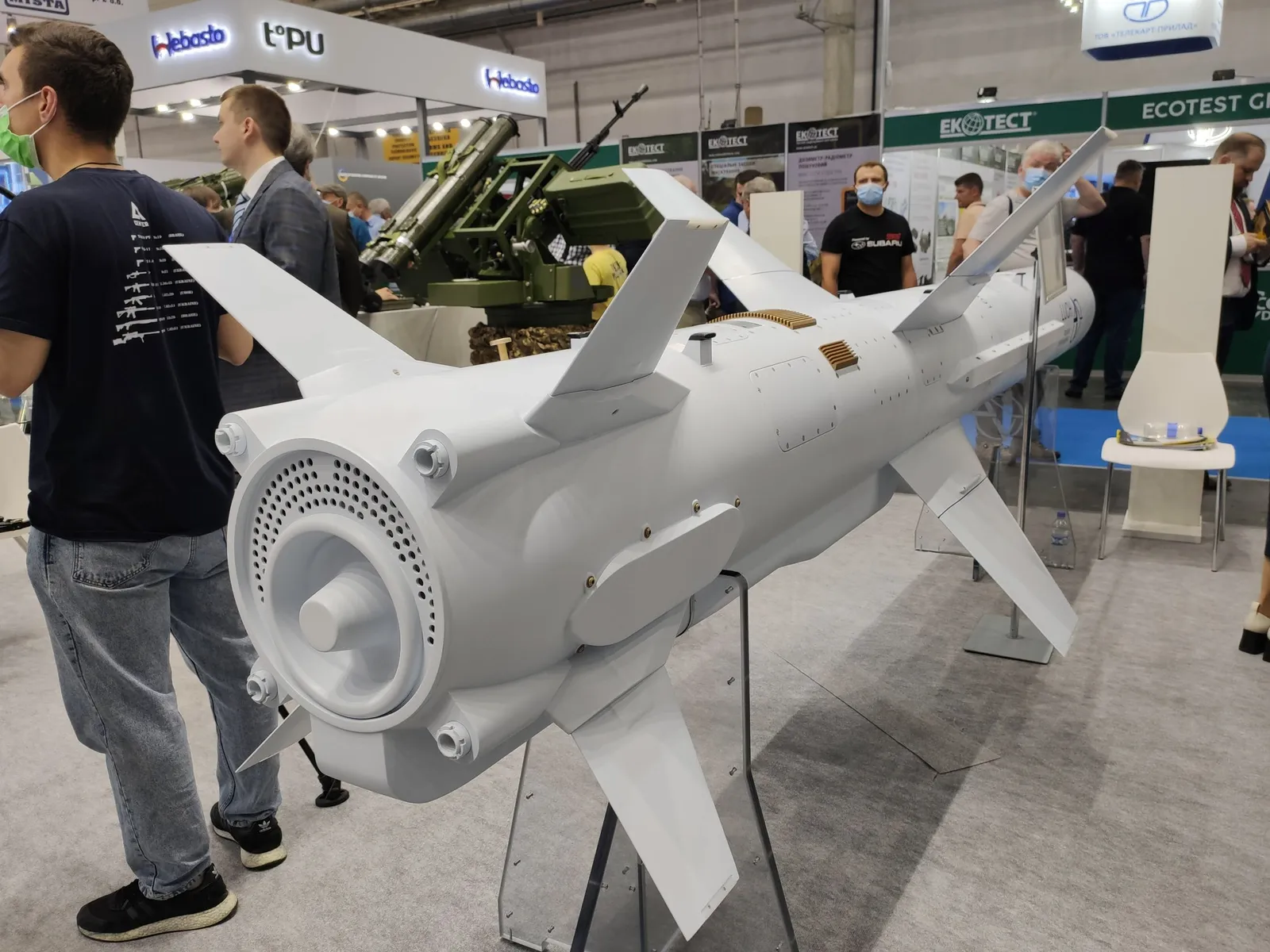
R-360 Neptune / Long Neptune in the 2014 Russia-Ukraine War

Ukrainian forces used the Neptune family for Black Sea anti-ship strikes, attacks on Russian air-defense systems in occupied Crimea, and later long-range strikes against Russian military infrastructure.

Evidence Map

ClaimSources
Ukraine used Neptune missiles against Russian naval targets in the Black Sea, including Moskva.

Sources: Ukrainian Cruise Missiles From Development to Effective Combat Deployment, Russian War Ship Moskva Sunk by Ukrainian Neptune Anti-Ship Missile, US Says

Ukraine used Neptune cruise missiles in a September 2023 strike against Russian air-defense launchers in occupied Crimea.

Sources: Ukraine Says Russian Missile Defence Destroyed in Crimea

Ukraine publicly described successful combat use of the 1,000 km Long Neptune in March 2025.

Sources: Zelenskyy: Ukrainian-Made Long-Range Neptune Missile Successfully Tested in Combat

Ukrainian Navy statements identified Neptune use against the Karachev Electrodetal plant and a Russian Black Sea Fleet facility in Sevastopol.

Sources: Ukrainian Navy Confirms Strike on Russian Electrodetal Plant With Neptune Missile, Ukrainian-Made Neptune Missile Hits Russian Navy Facility in Sevastopol

Timeline

R-360 Neptune / Long Neptune In 2014 Russia-Ukraine War

  1. Moskva struck in the Black Sea

    U.S. officials assessed that Ukrainian Neptune anti-ship missiles hit the Russian cruiser Moskva before the ship sank.

    Sources: Russian War Ship Moskva Sunk by Ukrainian Neptune Anti-Ship Missile, US Says, Ukrainian Cruise Missiles From Development to Effective Combat Deployment

  2. Crimea air-defense strike reported

    A Ukrainian intelligence source said drones disabled components of a Russian air-defense system near Yevpatoriya before two Neptune cruise missiles destroyed launchers.

    Sources: Ukraine Says Russian Missile Defence Destroyed in Crimea

  3. Long Neptune combat use announced

    President Volodymyr Zelenskyy said Ukraine's long-range Neptune had been successfully tested and used in combat, with a reported 1,000 km range.

    Sources: Zelenskyy: Ukrainian-Made Long-Range Neptune Missile Successfully Tested in Combat

  4. Electrodetal plant strike confirmed by Ukrainian Navy

    The Ukrainian Navy said a Ukrainian-made Neptune missile struck the Karachev Electrodetal plant in Russia's Bryansk Oblast.

    Sources: Ukrainian Navy Confirms Strike on Russian Electrodetal Plant With Neptune Missile

  5. Sevastopol Black Sea Fleet facility struck

    The Ukrainian Navy said a domestically produced Neptune coastal missile system hit a Russian Black Sea Fleet facility in Streletska Bay, occupied Sevastopol.

    Sources: Ukrainian-Made Neptune Missile Hits Russian Navy Facility in Sevastopol

Documented Use

Direct proof of use

The R-360 Neptune was used by Ukraine in the 2014 Russia-Ukraine War after the conflict escalated into Russia's full-scale invasion in February 2022. Ukraine's Ministry of Defence describes Neptune as a coastal missile system that struck Russian military targets at sea and on land, including the Russian Black Sea Fleet cruiser Moskva on 13 April 2022.

A senior U.S. defence official told reporters in April 2022 that the United States assessed Moskva had been hit by at least one, and probably two, Ukrainian Neptune anti-ship missiles. Later reporting and Ukrainian official statements documented Neptune use beyond the anti-ship role, including a 2023 strike on a Russian S-400 air-defense system in occupied Crimea and 2025-2026 Ukrainian Navy claims of Neptune strikes on Russian military-industrial and Black Sea Fleet facilities.

Sources: Ukrainian Cruise Missiles From Development to Effective Combat Deployment, Russian War Ship Moskva Sunk by Ukrainian Neptune Anti-Ship Missile, US Says, Ukraine Says Russian Missile Defence Destroyed in Crimea, Ukrainian Navy Confirms Strike on Russian Electrodetal Plant With Neptune Missile, Ukrainian-Made Neptune Missile Hits Russian Navy Facility in Sevastopol

Timeline

The documented combat record begins with maritime targets in the Black Sea. Ukraine's Ministry of Defence says the first combat use is believed to have been an early-April 2022 strike on the Russian frigate Admiral Essen, followed by the 13 April 2022 Moskva strike.

By September 2023, Ukrainian and international reporting described modified or adapted Neptune cruise missiles being used against Russian air defenses in occupied Crimea. In March 2025, President Volodymyr Zelenskyy said the long-range Neptune had been tested and successfully used in combat with a 1,000 km range, marking the public emergence of the extended-range land-attack branch.

Sources: Ukrainian Cruise Missiles From Development to Effective Combat Deployment, Russian War Ship Moskva Sunk by Ukrainian Neptune Anti-Ship Missile, US Says, Ukraine Says Russian Missile Defence Destroyed in Crimea, Zelenskyy: Ukrainian-Made Long-Range Neptune Missile Successfully Tested in Combat

Narrative

Neptune entered the war as a Ukrainian coastal-defense missile intended to hold Russian naval forces at risk in the Black Sea. Its most consequential early documented use was against Moskva, the flagship of Russia's Black Sea Fleet. Russia attributed the ship's loss to a fire and storm conditions, while U.S. officials and Ukrainian sources assessed that Ukrainian Neptune missiles caused the damage before it sank.

The system's role then broadened from maritime denial into land attack and interdiction. In September 2023, reporting attributed the destruction of Russian S-400 launchers near Yevpatoriya to a combined Ukrainian operation in which drones attacked radar and antenna elements before two Neptune cruise missiles struck launchers. Ukraine's Ministry of Defence later summarized the Neptune program as having struck surface-to-air missile systems and military infrastructure deep in Russia's rear.

Long Neptune reporting indicates a further extension of the same domestic missile family. Zelenskyy's March 2025 statement identified a 1,000 km long-range Neptune as successfully tested and used in combat. Subsequent Ukrainian Navy statements reported Neptune strikes on the Karachev Electrodetal plant in Bryansk Oblast in September 2025 and on a Russian Black Sea Fleet facility in Streletska Bay, occupied Sevastopol, in June 2026.

Sources: Ukrainian Cruise Missiles From Development to Effective Combat Deployment, Russian War Ship Moskva Sunk by Ukrainian Neptune Anti-Ship Missile, US Says, Ukraine Says Russian Missile Defence Destroyed in Crimea, Zelenskyy: Ukrainian-Made Long-Range Neptune Missile Successfully Tested in Combat, Ukrainian Navy Confirms Strike on Russian Electrodetal Plant With Neptune Missile, Ukrainian-Made Neptune Missile Hits Russian Navy Facility in Sevastopol

Sources