Support Equipment

USPU-360MC launcher

Also known as
  • USPU-360
  • USPU-360MC
  • USPU-360 launcher
  • USPU-360MC TEL
  • USPU-360 self-propelled launcher
  • Unified self-propelled launcher
  • RK-360MC launcher
  • 360MC Neptune launcher
  • Neptune TEL
  • Neptun launcher
  • Neptune mobile launcher

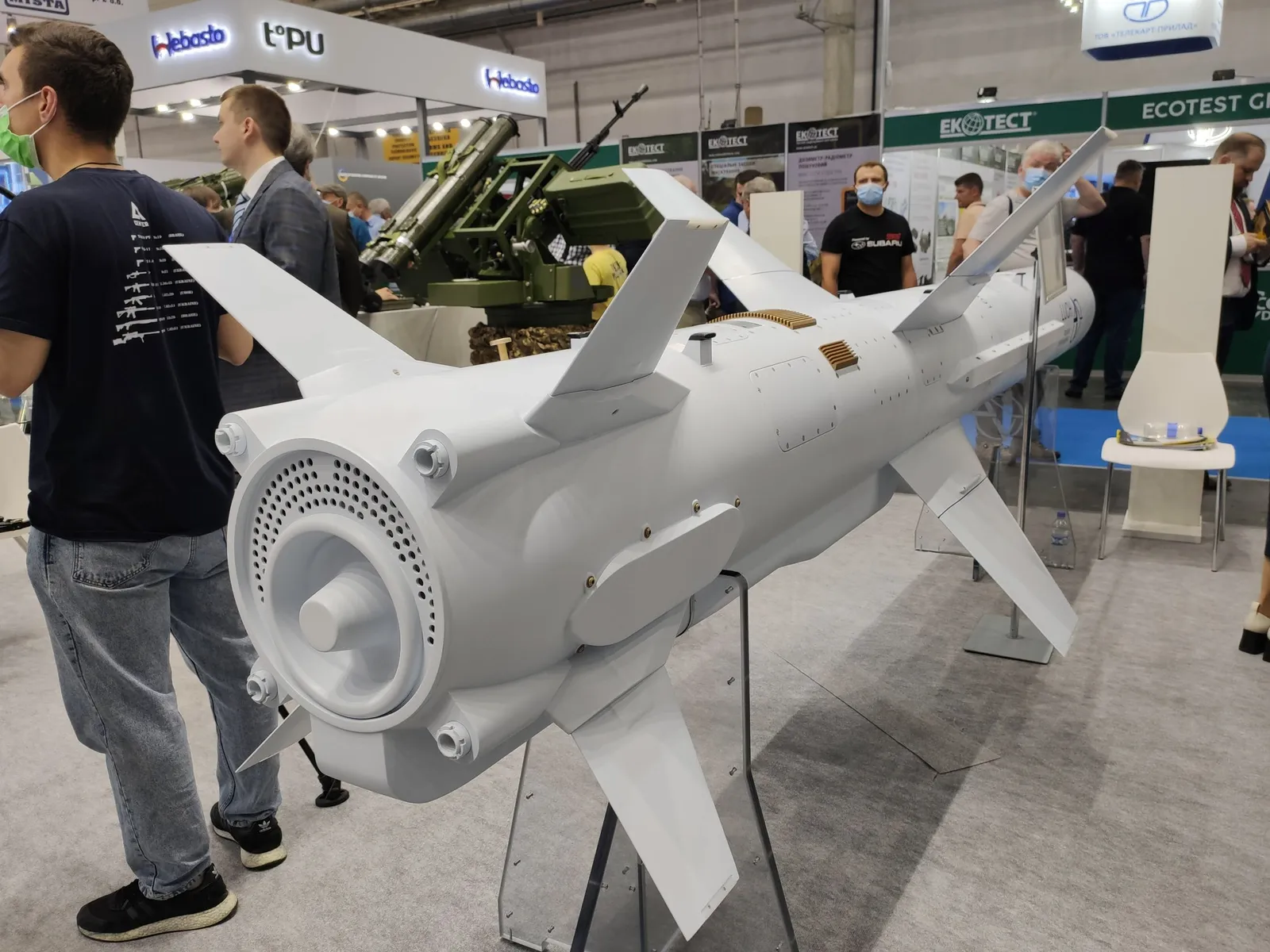
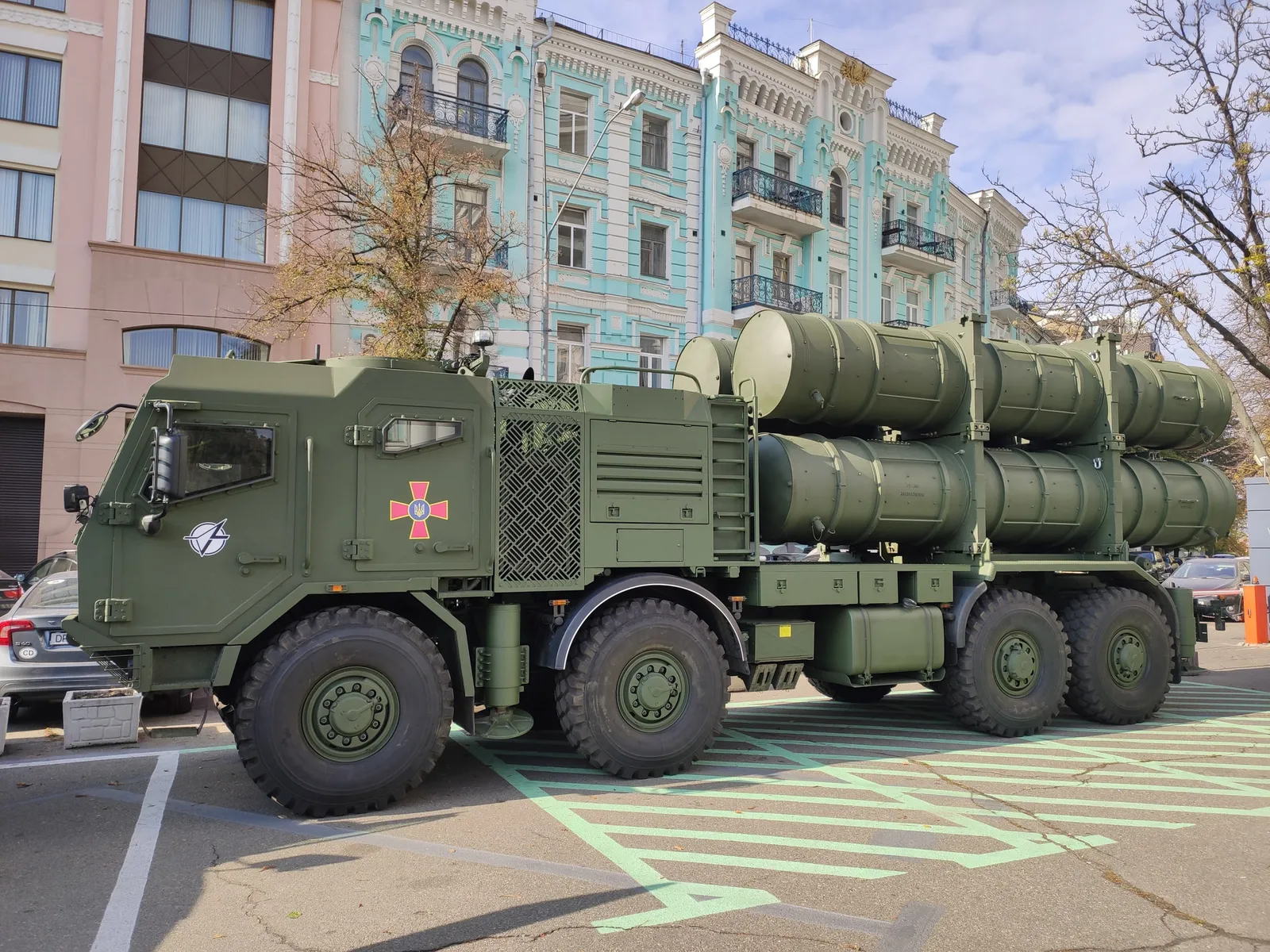
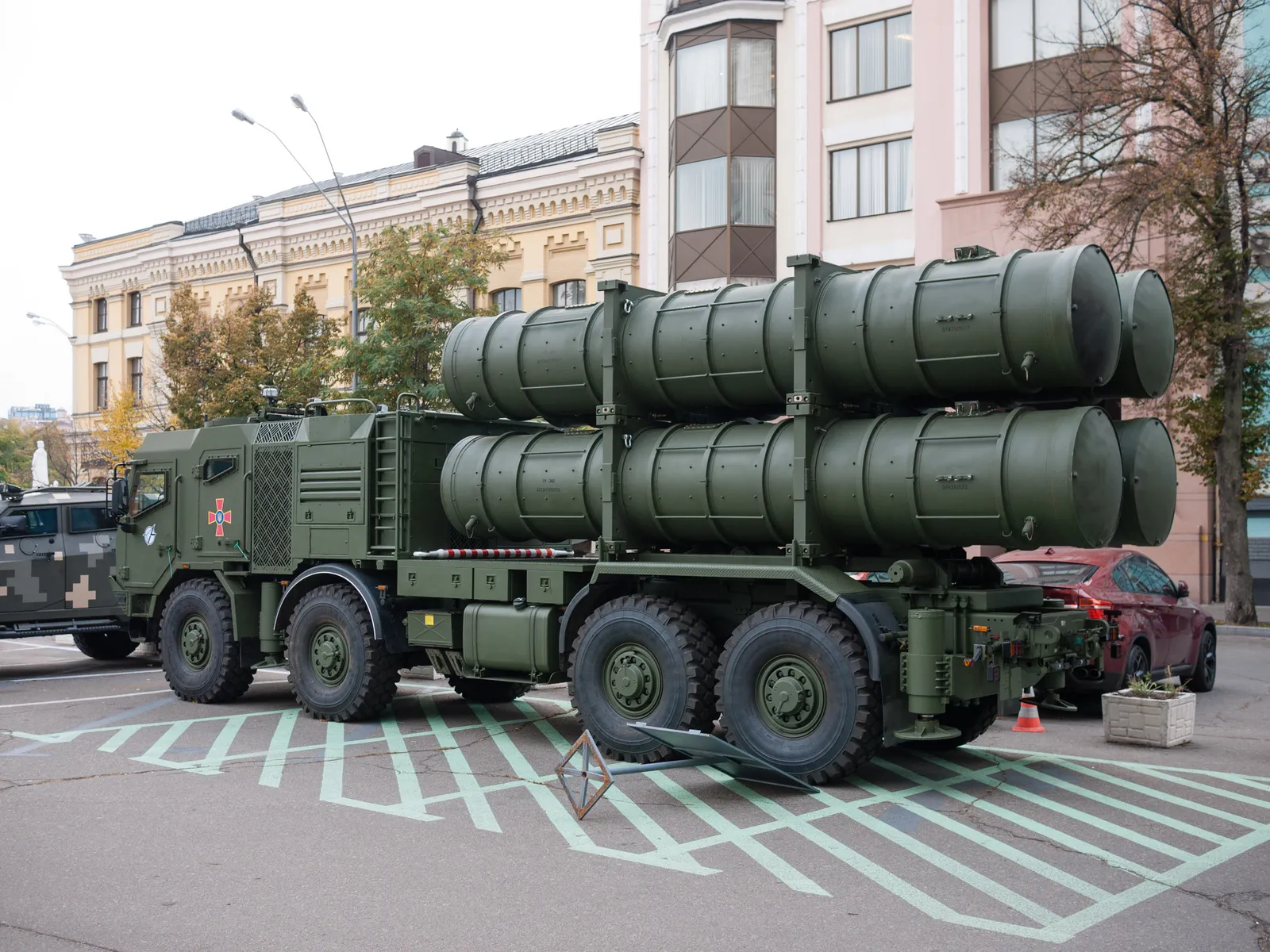
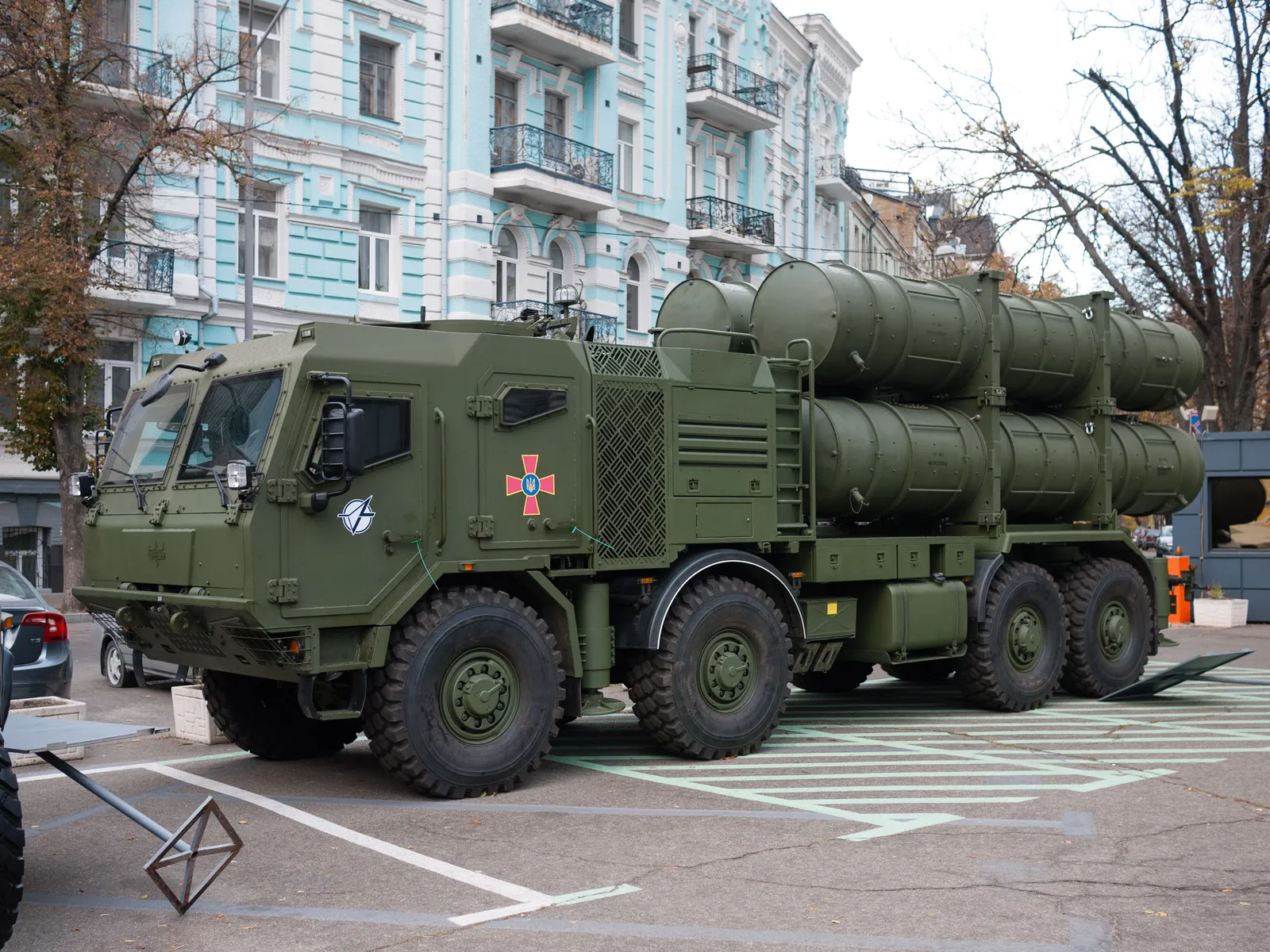
The USPU-360MC is the self-propelled launcher in Ukraine's RK-360MC Neptune coastal missile complex. State Kyiv Design Bureau Luch describes the launcher as the vehicle that stores, transports, prepares, and launches four R-360 missiles; Ukrainian and specialist reporting place it inside a distributed battery with command, reload, transport, ground-support, and Mineral-U target-designation elements.

Role in Conflicts

Profile / Specs

Profile

Origin
Ukraine
Type
Self-propelled transporter-erector-launcher for RK-360MC Neptune missiles
Service note
Entered Ukrainian Neptune service with the RK-360MC coastal missile complex after 2020 adoption
Designer
State Kyiv Design Bureau Luch
Produced
2021-present

Specifications

Launcher load
Four RK-360 missile containers
Launched missile
R-360 Neptune
System role
Self-propelled launcher for storing, transporting, preparing, and launching RK-360 rounds
Battery context
Documented alongside RKP-360 command, TZM-360 transport-loader, TM-360 transport, ground-equipment, and Mineral-U target-designation elements
Serial chassis
Tatra T815 8x8 reported for serial USPU-360 vehicles
Prototype chassis
KrAZ-based vehicles used in state-test and early display configurations
Deployment time
Up to 15 minutes to deploy the complex at a new position
Launcher crew
Three personnel listed for the unified self-propelled launcher
Communications
Satellite, SW, and USW communications listed by Luch
Targeting support
Mineral-U ground radar station described as a target-designation source for Neptune anti-ship missile batteries
Division context
Open reporting describes a full RK-360MC division as six USPU-360 launchers with matching reload and transport vehicles
Variants

Public Neptune launcher reporting separates early KrAZ-based test vehicles from the Tatra-based serial launcher configuration shown on 2021-2022 vehicles.

VariantConfigurationDesignation notes
KrAZ-based USPU-360 test launcherPrototype and state-test configuration

Defense Express described the Neptune vehicles used during state testing as KrAZ-based before the serial complex moved to the Czech Tatra platform.

Sources: Neptune Launcher Serial Trials, Second Neptune Division Expected

Tatra T815 8x8 USPU-360 serial launcherSerial launcher configuration

Defense Express identified the serial USPU-360 launcher on a Tatra T815 8x8 chassis during winter mobility, hydraulic, and outrigger testing in January 2022.

Sources: Neptune Launcher Serial Trials

Launched Missiles

The launcher is documented as the firing vehicle inside the 360MC Neptune coastal missile complex.

Launched itemItem typeLaunch evidence
R-360 Neptune / Long Neptune, Truck-launched anti-ship and land-attack cruise missile, ArtilleryR-360 Neptune / Long NeptuneAnti-ship and land-attack cruise missile family

Luch identifies the USPU-360MC as the self-propelled launcher that stores, transports, prepares, and launches RK-360 / R-360 Neptune missiles.

Sources: 360MC Neptune Missile System

Neptune Battery Role

The USPU-360MC is one vehicle in a battery architecture, not a stand-alone missile round. Luch material separates the mobile command post, unified self-propelled launcher, R-360 missile container, transport-loading vehicle, transport vehicle, and ground-equipment set; Defense Express reporting also ties the Mineral-U radar to target designation for Neptune anti-ship missile batteries.

Launch node

The launcher carries four RK-360 items and prepares R-360 missiles for launch.

Luch lists a three-person launcher crew and satellite, SW, and USW communications.

Reload chain

Transport-loading and transport vehicles each carry four RK-360 items in the Luch brochure.

Open reporting describes a full division with six launchers plus matching reload and transport vehicles.

Target designation

Mineral-U is reported as a BLOS search-and-track radar intended to provide targeting data for Neptune ASCM batteries.

Defense Express reported passive search range claims up to 600 km during industry-trial coverage.

Chassis transition

Public reporting distinguishes KrAZ-based test vehicles from serial USPU-360 vehicles on a Tatra T815 8x8 chassis.

The Long Neptune launcher later kept an 8x8 Tatra basis but changed the container layout for the larger R-360L missile.

Sources: 360ST Neptune Missile System English Brochure; First Production Neptune Vehicles; Mineral-U Support Radar Trials; Neptune Launcher Serial Trials; Long Neptune Launch Video Analysis.
Timeline

USPU-360MC launcher Key Events

  1. Land-based Neptune system tested

    Ukraine's National Security and Defense Council reported firing tests of the land-based Neptune cruise missile system at the Alibey range.

    Sources: Successful Tests of the Neptune Cruise Missile System Were Held

  2. Coastal-system state tests completed

    Defense Express reported that final state tests of the coastal RK-360MC complex concluded with R-360 missiles hitting a surface target.

    Sources: Final Neptune Coastal System Tests

  3. Neptune system adopted

    Naval News reported that the Neptune missile system was formally adopted by the Ukrainian Armed Forces.

    Sources: Ukraine Ordered a First Batch of Neptune Anti-Ship Missile Systems

  4. First division contracted

    Ukraine's Ministry of Defense and Luch signed a first-batch Neptune contract covering missiles plus command, launcher, reloader, and transport vehicles.

    Sources: Ukraine Ordered a First Batch of Neptune Anti-Ship Missile Systems

  5. Mineral-U support-radar trials reported

    Defense Express reported that the Mineral-U BLOS radar had completed industry trials as a target-designation radar intended to support Neptune anti-ship missile batteries.

    Sources: Mineral-U Support Radar Trials

  6. Serial launcher trials reported

    Defense Express reported winter mobility and emplacement testing of the first serial USPU-360 launcher mounted on a Tatra T815 8x8 chassis.

    Sources: Neptune Launcher Serial Trials

  7. Combat use documented

    Ukraine's Ministry of Defence later described Neptune coastal missile-system combat use in April 2022, and Mezha tied the Moskva strike to the R-360 missile and RK-360MC complex whose division includes USPU-360 launchers.

    Sources: Ukrainian Cruise Missiles Combat Deployment, Second Neptune Division Expected

  8. Long Neptune launcher distinction

    Defense Express assessed that the longer R-360L Long Neptune required a changed launcher layout, distinguishing it from the baseline four-container USPU-360MC configuration.

    Sources: Long Neptune Launch Video Analysis

Media
Related Weapon Systems
RK-2OF missile, 130 mm high-explosive fragmentation guided missile, MunitionsMunitionsRK-2OF missile130 mm high-explosive fragmentation guided missileThe RK-2OF missile is a Ukrainian 130 mm high-explosive fragmentation guided missile from Luch's RK-2 family for SKIF/Stugna-P and AMULET launchers. Luch documents it in transport-and-launch containers with laser-beam guidance, day and night firing ranges, and an EFP fragmentation warhead; later reporting also placed HE-warhead Stugna missiles in Ukrainian frontline use without isolating the exact 130 mm round from the 152 mm RK-2M-OF option.
Skif/Stugna-P, Man-portable anti-tank guided missile system, Infantry WeaponsInfantry WeaponsSkif/Stugna-PMan-portable anti-tank guided missile systemSkif, known in Ukrainian service as Stugna-P, is a Ukrainian laser-beam-riding anti-tank guided missile system from State Kyiv Design Bureau Luch. The tripod launcher, guidance unit, thermal imager, and remote-control panel let crews fire from covered positions up to 50 m from the launcher, while RK-2-series 130 mm and 152 mm missiles give infantry and mobile teams a long-range anti-armor weapon in the 2014 Russia-Ukraine War.
RK-3 Corsar, Portable anti-tank guided missile system, Infantry WeaponsInfantry WeaponsRK-3 CorsarPortable anti-tank guided missile systemThe RK-3 Corsar is a Ukrainian 107 mm portable anti-tank guided missile system from State Kyiv Design Bureau Luch, built for short-range infantry anti-armor and precision fires out to 2.5 km. Its laser-beam guidance, thermal-imager-compatible launcher, and RK-3K tandem HEAT or RK-3OF high-explosive fragmentation missiles give Ukrainian small units a lighter domestic ATGM alongside the heavier Skif/Stugna-P family, with documented use from the Donbas front through the full-scale 2014 Russia-Ukraine War.

Sources