- Side
- Ukraine

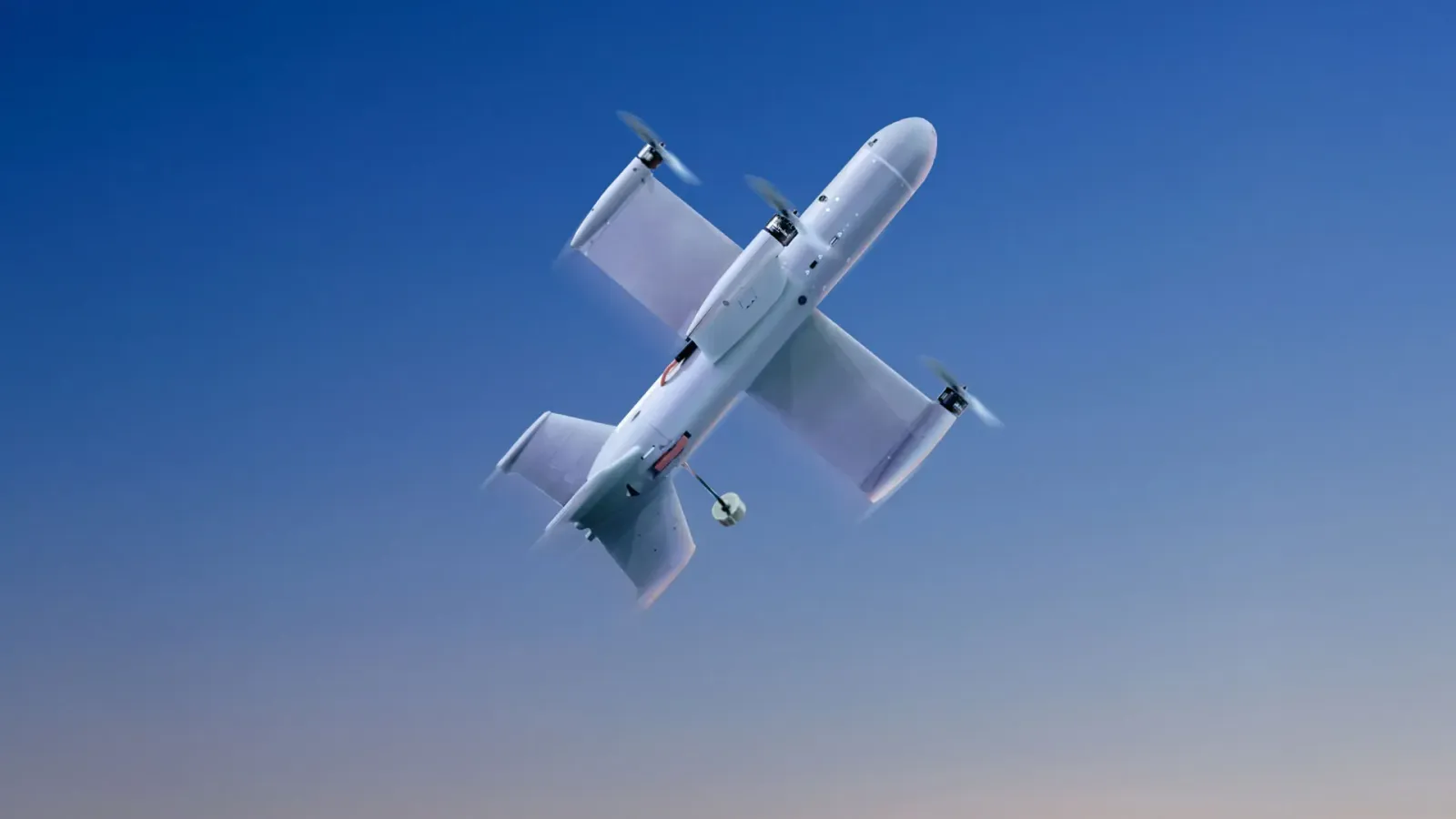
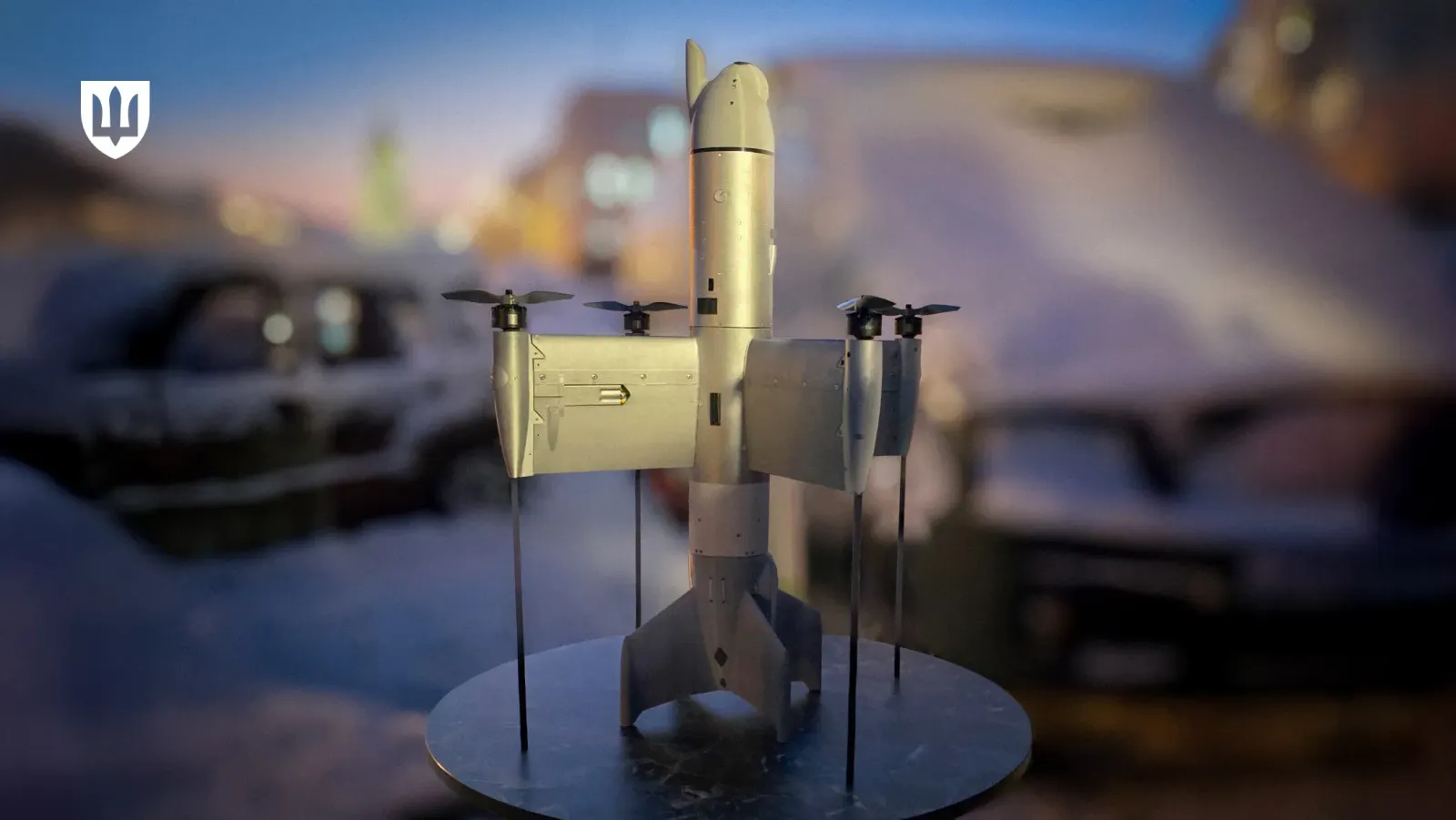
Ukraine fields Octopus as a combat-validated interceptor against Russian Shahed/Geran-type attack drones, with official reporting citing day, night, electronic-warfare, and low-altitude operation.
Role detailsOctopus is a Ukrainian counter-UAS interceptor drone developed around battlefield data to defeat Shahed/Geran-type one-way attack UAVs. Ukrainian and UK official sources describe it as combat-proven, low-cost relative to its targets, and scalable through licensed production in Ukraine and the United Kingdom, while TAF Industries' Octopus-100 product page gives public performance figures for one licensed configuration.
Ukraine fields Octopus as a combat-validated interceptor against Russian Shahed/Geran-type attack drones, with official reporting citing day, night, electronic-warfare, and low-altitude operation.
Role detailsOctopus sits in Ukraine's low-cost air-defence layer: a drone-on-drone interceptor for Shahed/Geran-type threats rather than a missile replacement for cruise or ballistic missiles.
Official Ukrainian sources identify Octopus as a counter-Shahed interceptor, and RUSI describes employment against Geran-2 drones linked to the cataloged Shahed-136 class.
Ukrainian procurement material identifies automatic terminal guidance, while RUSI describes image-recognition terminal guidance and TAF's Octopus-100 page identifies automatic targeting.
UK official material says each Octopus costs less than 10 percent of the drone it is designed to destroy; TAF lists a public Octopus-100 unit price for Ukrainian procurement channels.
Ukraine opened licensed production to Ukrainian companies, TAF describes itself as an official license holder, and UK official material describes mass production in British facilities.
RUSI says the Octopus design was tested and refined during summer and autumn 2024 before moving toward mass-production readiness.
Sources: RUSI Octopus air-defence analysis
The UK government named Project OCTOPUS as the first joint air-defence interceptor-drone project under a technology-sharing agreement with Ukraine.
Sources: GOV.UK Project OCTOPUS tech-sharing agreement
The Ministry of Defence of Ukraine said the first three Ukrainian companies had begun serial production and another eleven manufacturers were preparing to join.
Sources: MoD Ukraine serial production of Octopus
Ukraine and the United Kingdom signed a licensing agreement for large-scale production, with manufactured drones to be delivered to Ukraine.
Sources: MoD Ukraine-UK Octopus licensing agreement
Ukraine's defence minister said production would reach 1,000 Octopus interceptor drones per month from February under the Ukraine-UK defence roadmap.
Sources: MoD Ukraine-UK defence roadmap
Ukrainian officials presented the latest Octopus version in Kyiv and described production rollout in both Ukraine and the United Kingdom.
Sources: MoD latest Octopus briefing
A UK Ministry of Defence release said the United Kingdom had started producing Octopus interceptors and aimed to ramp output to thousands per month.
Sources: GOV.UK UK Octopus production started
Ukraine's Zbroya portal said the Ministry of Defence was procuring 8,000 Octopus interceptors for the Defence Forces and that 29 Ukrainian companies had received production licences.
Sources: Zbroya 8,000 Octopus procurement