Air Defense

MT-LBu with 57 mm S-60

Also known as
  • MT-LBu S-60
  • MT-LBu with AZP S-60
  • MT-LBu with 57mm AZP S-60 AA gun
  • MT-LB with 57mm S-60
  • MT-LB with AZP S-60

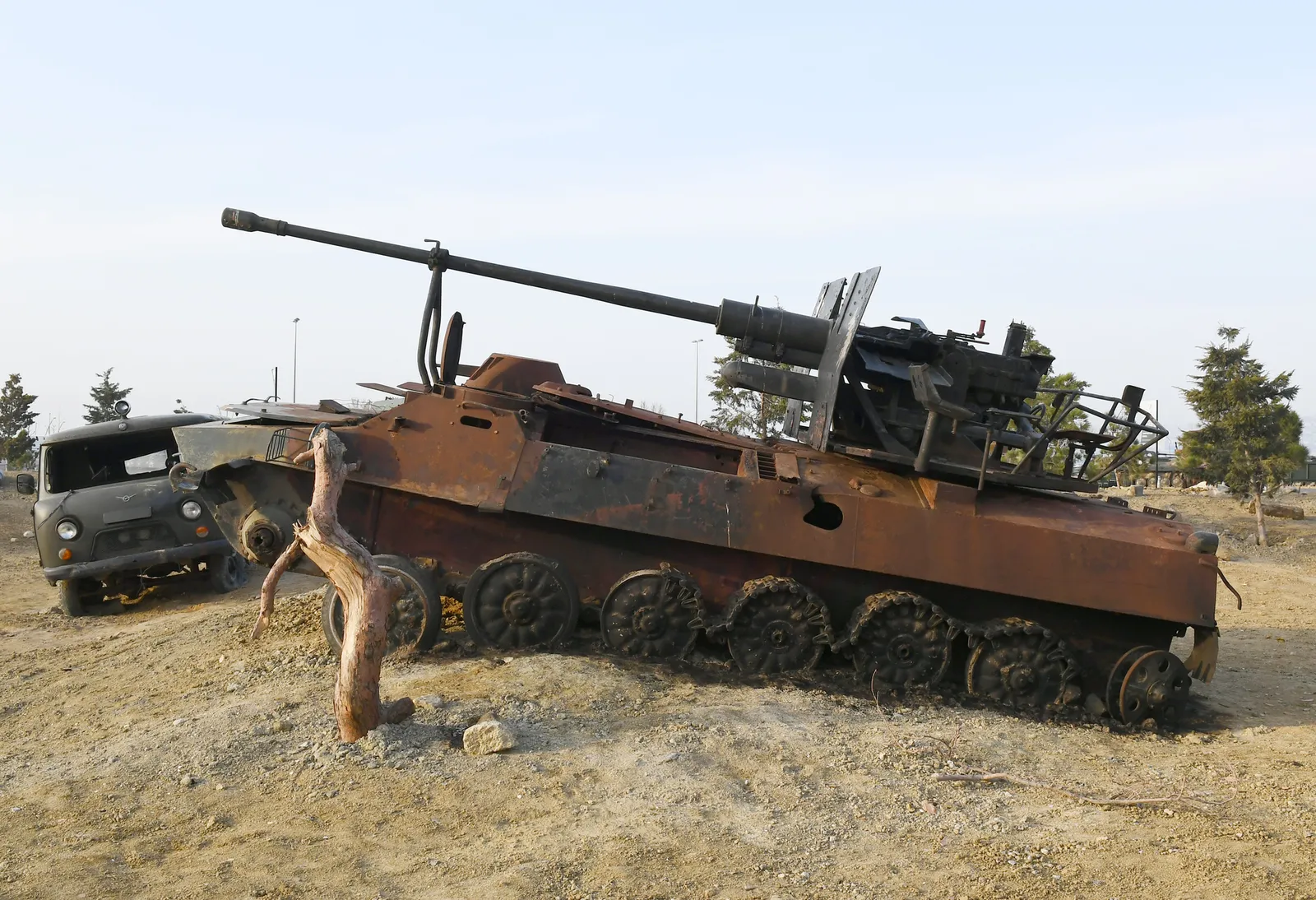
The MT-LBu with 57 mm S-60 is a Russian wartime field conversion that mounts a Soviet AZP S-60 anti-aircraft gun on the longer MT-LBu tracked chassis. It belongs to the wider MT-LB/S-60 conversion pattern seen in recent wars, but visually documented Russia-Ukraine War evidence specifically distinguishes an MT-LBu-based 57 mm AZP S-60 vehicle destroyed in 2024.

Role in Conflicts

Side
Russia

Russian forces fielded MT-LB-family vehicles carrying 57 mm AZP S-60 anti-aircraft guns during the full-scale invasion; Oryx's Russian loss list documents destroyed MT-LB/S-60 conversions, while a separate Oryx equipment-tracking page distinguishes an MT-LBu with 57 mm AZP S-60 AA gun as first destroyed in April 2024.

Profile / Specs

Profile

Origin
Soviet Union base vehicle and gun; Russian wartime field conversion
Type
Improvised tracked self-propelled 57 mm anti-aircraft gun
Service note
Cold War components adapted for full-scale 2014 Russia-Ukraine War use
Designer
Kharkiv Tractor Plant base chassis; TsAKB / NDI-58 S-60 gun design team; Russian field conversion not publicly identified
Designed
MT-LBu early 1960s; S-60 adopted in 1950; conversion documented by 2023
Unit cost
Not publicly reported
Produced
Field conversion of existing MT-LBu and S-60 stocks
Number built
Not publicly reported

Specifications

Armament
Single 57 mm AZP S-60 automatic anti-aircraft gun mounted on an MT-LBu-family tracked chassis
Base chassis
MT-LBu amphibious tracked armored platform, a larger unarmed derivative of the MT-LB
Chassis layout
Seven road wheels per side, higher and longer hull than the baseline MT-LB
MT-LBu mobility
YaMZ-238N 300 hp diesel; about 62 km/h road speed, 6 km/h water speed, and 500 km cruising range in standard MT-LBu data
Gun performance
S-60 57 mm gun with about 105-120 rounds per minute cyclic rate and 1,000 m/s muzzle velocity in Ukrainian reference data
Crew
Not publicly reported for the conversion; standard MT-LBu carries driver, commander, and up to six soldiers, while the towed S-60 normally uses a larger gun crew
Protection
Light armored MT-LBu hull; exposed gun and crew arrangement on common improvised mounts
Conversion Layout

The MT-LBu/S-60 conversion is best read as a battlefield adaptation of two older systems: a larger tracked utility chassis and a towed 57 mm anti-aircraft gun. The chassis supplies cross-country movement and a deck for the weapon, while the gun gives the vehicle a heavier shell and longer reach than common 23 mm improvised mounts.

Chassis

The MT-LBu is longer and taller than the baseline MT-LB, with seven road wheels per side and space originally intended for command, radar, artillery-control, or other specialist bodies.

Weapon

The AZP S-60 is a 57 mm automatic anti-aircraft gun adopted in Soviet service in 1950; wartime vehicle mounts trade the normal towed layout for mobile direct fire and improvised air-defense use.

Evidence limit

Open sources clearly document Russian MT-LB-family S-60 conversions and separately identify an MT-LBu/S-60 loss, but they do not establish a formal production designation or builder for the conversion.
Variants

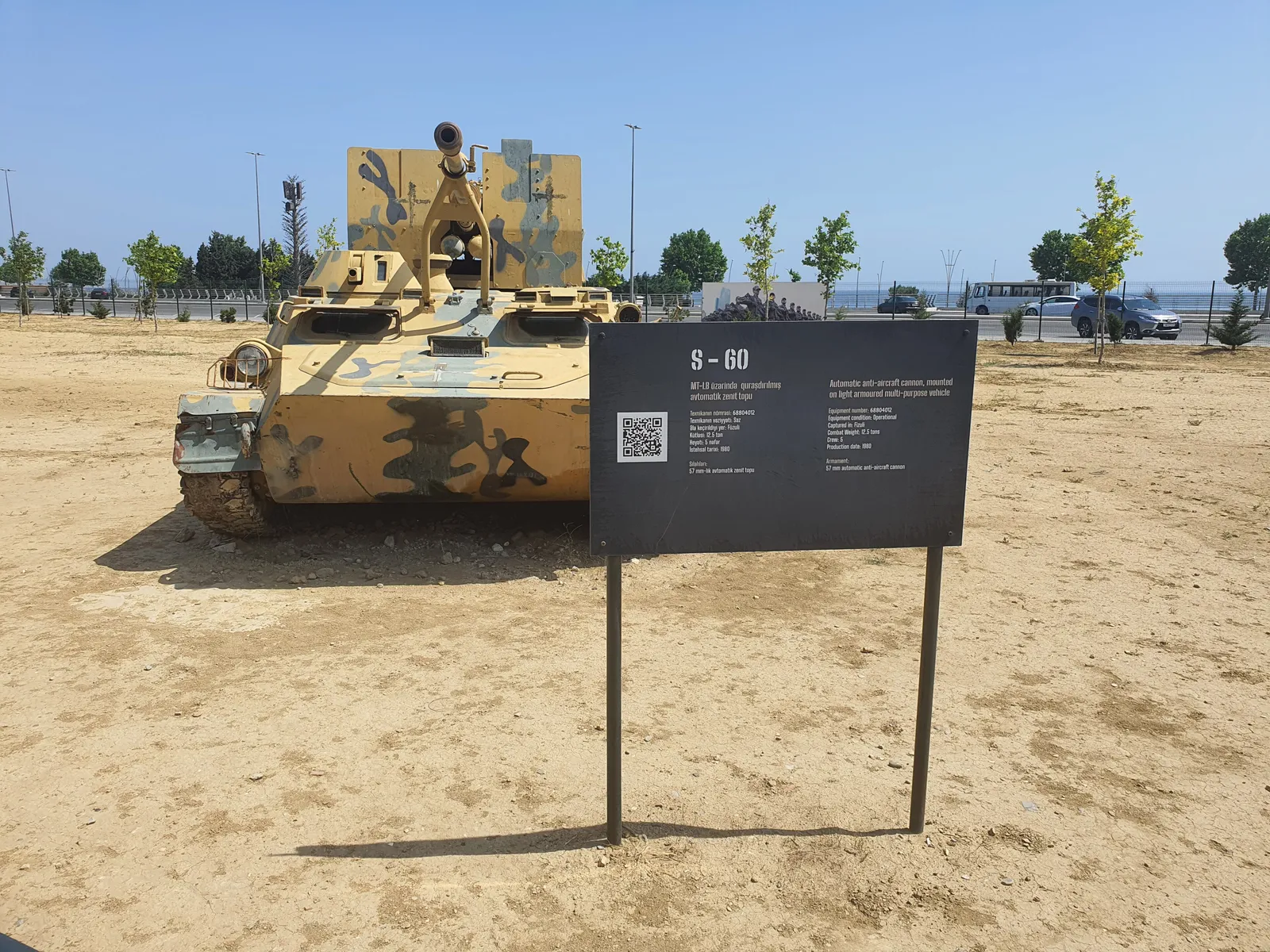
Public sources describe a family of improvised MT-LB and MT-LBu vehicles carrying the 57 mm AZP S-60 gun rather than a standardized factory self-propelled anti-aircraft gun.

VariantConfigurationDesignation notes
MT-LBu with 57 mm AZP S-60 AA gunLonger tracked chassis conversion

Oryx's Russia equipment-loss tracking distinguishes an MT-LBu fitted with a 57 mm AZP S-60 AA gun from shorter MT-LB conversions and marks the first example as destroyed in April 2024.

Sources: Oryx Russian Equipment Not Yet Destroyed In Ukraine

MT-LB with 57 mm AZP S-60 AA gunShorter MT-LB-family conversion

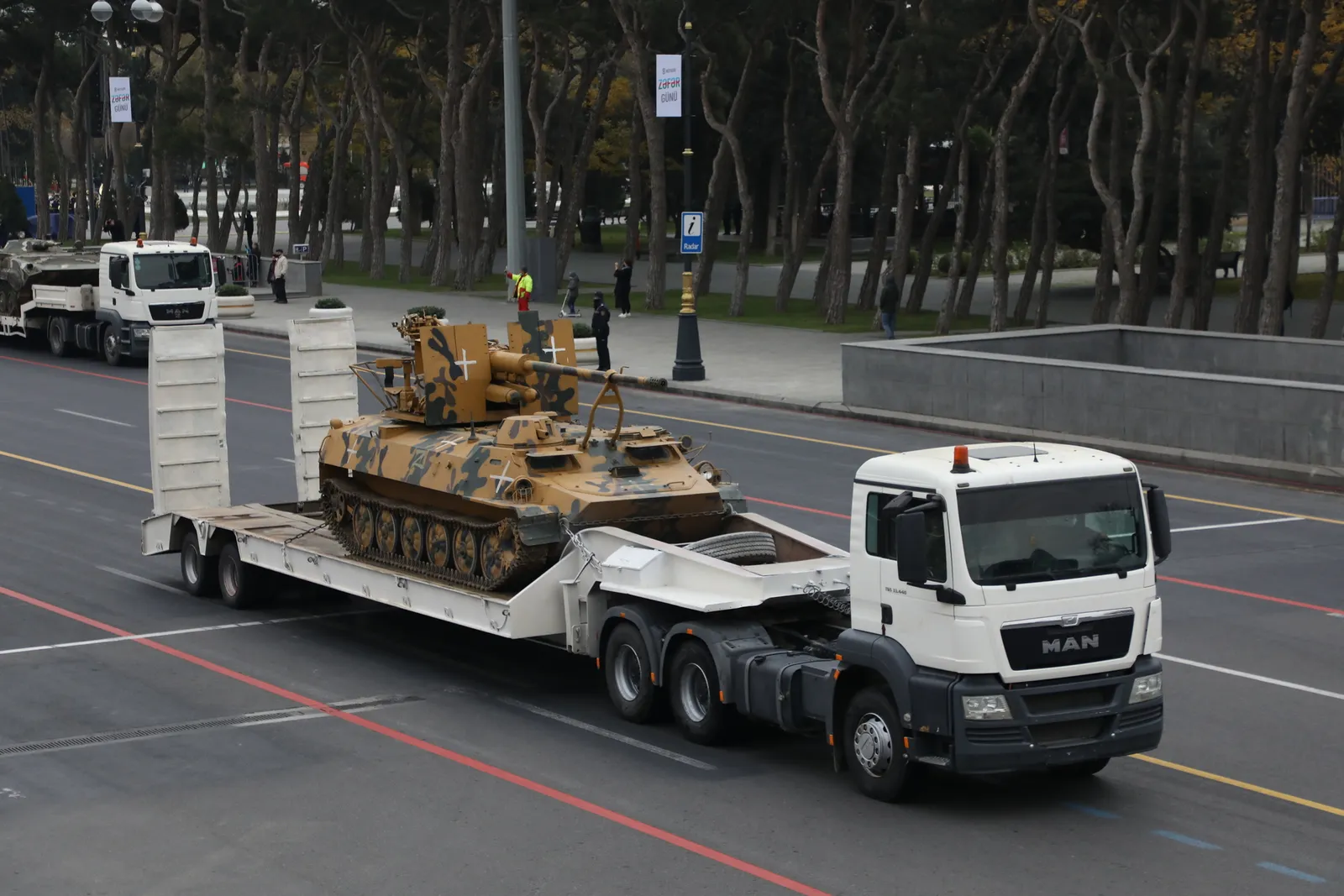
Oryx's Russian loss list documents MT-LB vehicles with AZP S-60 guns destroyed in Ukraine, while Nagorno-Karabakh loss records and open-license imagery show Armenian/Artsakh MT-LB/S-60 conversions displayed among captured war materiel.

Sources: Oryx Russian Equipment Losses In Ukraine, The Fight For Nagorno-Karabakh: Documenting Losses On The Sides Of Armenia And Azerbaijan, Oryx Russian Equipment Not Yet Destroyed In Ukraine, File:AZP S-60, mounted on MT-LB in Military Trophy Park (Baku).jpg

Training and exercise examplesRussian training vehicles

The Armourers Bench reported S-60-armed MT-LBs seen in Russian training footage and described their typical use as direct fire-support vehicles against ground targets.

Sources: More Russian and Ukrainian MT-LB Adaptations

Base Vehicle And Gun

The conversion combines an enlarged MT-LB-family chassis with the towed Soviet S-60 gun, creating a mobile but improvised 57 mm firing platform.

Compatible itemItem typeCompatibility evidence
MT-LB, Amphibious tracked armored personnel carrier and artillery tractor, Armored VehiclesMT-LBTracked carrier family

The MT-LBu is a longer MT-LB-family chassis with seven road wheels per side and more internal volume for specialist equipment; recent sources document both MT-LB and MT-LBu hulls adapted with 57 mm S-60 guns.

Sources: MT-LBu Technical Data, Oryx Russian Equipment Not Yet Destroyed In Ukraine

S-60, Towed 57 mm anti-aircraft gun, Air DefenseS-6057 mm automatic anti-aircraft gun

The mounted weapon is the Soviet AZP S-60 57 mm anti-aircraft gun, whose high-volume fire makes it useful for both low-altitude air-defense attempts and ground fire support when placed on a tracked vehicle.

Sources: 57 mm AZP S-60, More Russian and Ukrainian MT-LB Adaptations

Timeline

MT-LBu with 57 mm S-60 Key Events

  1. S-60 gun adopted

    The AZP-57 gun entered Soviet service as part of the S-60 57 mm anti-aircraft gun system.

    Sources: 57 mm AZP S-60

  2. MT-LBu chassis developed

    The MT-LBu enlarged the MT-LB family into a longer, higher, unarmed tracked platform for command, radar, artillery, and other specialist roles.

    Sources: MT-LBu Technical Data

  3. Russian MT-LB/S-60 adaptations described

    The Armourers Bench described Russian S-60-armed MT-LB adaptations seen in training footage and characterized the vehicles as mostly direct fire-support conversions.

    Sources: More Russian and Ukrainian MT-LB Adaptations

  4. MT-LBu/S-60 loss recorded

    Oryx's Russia equipment-loss tracking recorded the first destroyed MT-LBu with 57 mm AZP S-60 AA gun in Ukraine.

    Sources: Oryx Russian Equipment Not Yet Destroyed In Ukraine

Media
Related Weapon Systems
MT-LB with ZU-23 anti-aircraft gun, Improvised tracked self-propelled anti-aircraft gun, Air DefenseAir DefenseMT-LB with ZU-23 anti-aircraft gunImprovised tracked self-propelled anti-aircraft gunThe MT-LB with ZU-23 anti-aircraft gun is an improvised tracked fire-support and short-range air-defense vehicle that combines the Soviet MT-LB multipurpose armored tractor with a twin 23 mm ZU-23 gun mount. Public records show the configuration in Iraqi, Russian, Ukrainian, Syrian, and Armenian or Artsakh service contexts, with documented examples ranging from an Iraqi wreck in Baghdad to vehicles destroyed, damaged, or captured in later wars.
MT-LB with 25 mm 2M-3 naval gun, Improvised tracked self-propelled anti-aircraft gun, Air DefenseAir DefenseMT-LB with 25 mm 2M-3 naval gunImprovised tracked self-propelled anti-aircraft gunThe MT-LB with 25 mm 2M-3 naval gun is a Russian improvised weapons carrier that combines the Soviet MT-LB tracked armored tractor with a twin 25 mm 2M-3 or 2M-3M naval anti-aircraft mount. Open-source reporting and Russian loss documentation tie the conversion to the full-scale 2014 Russia-Ukraine War, where it appears as a short-range air-defense and direct-fire adaptation rather than a standardized factory combat vehicle.
Pantsir-S1, Self-propelled short-range surface-to-air missile and anti-aircraft gun system, Air DefenseAir DefensePantsir-S1Self-propelled short-range surface-to-air missile and anti-aircraft gun systemThe Pantsir-S1 is a Russian mobile point-defense system that combines 57E6-family command-guided surface-to-air missiles, twin 30 mm 2A38M automatic cannon, target-acquisition radar, engagement radar, and electro-optical fire control on a wheeled combat vehicle. It is designed to protect military units, air-defense sites, infrastructure, and longer-range air-defense formations against aircraft, helicopters, cruise missiles, precision weapons, and UAVs, with documented or reported conflict relevance in Ukraine, Syria, Libya, Yemen, and Sudan.

Sources