Aircraft & UAVs

IA-63 Pampa

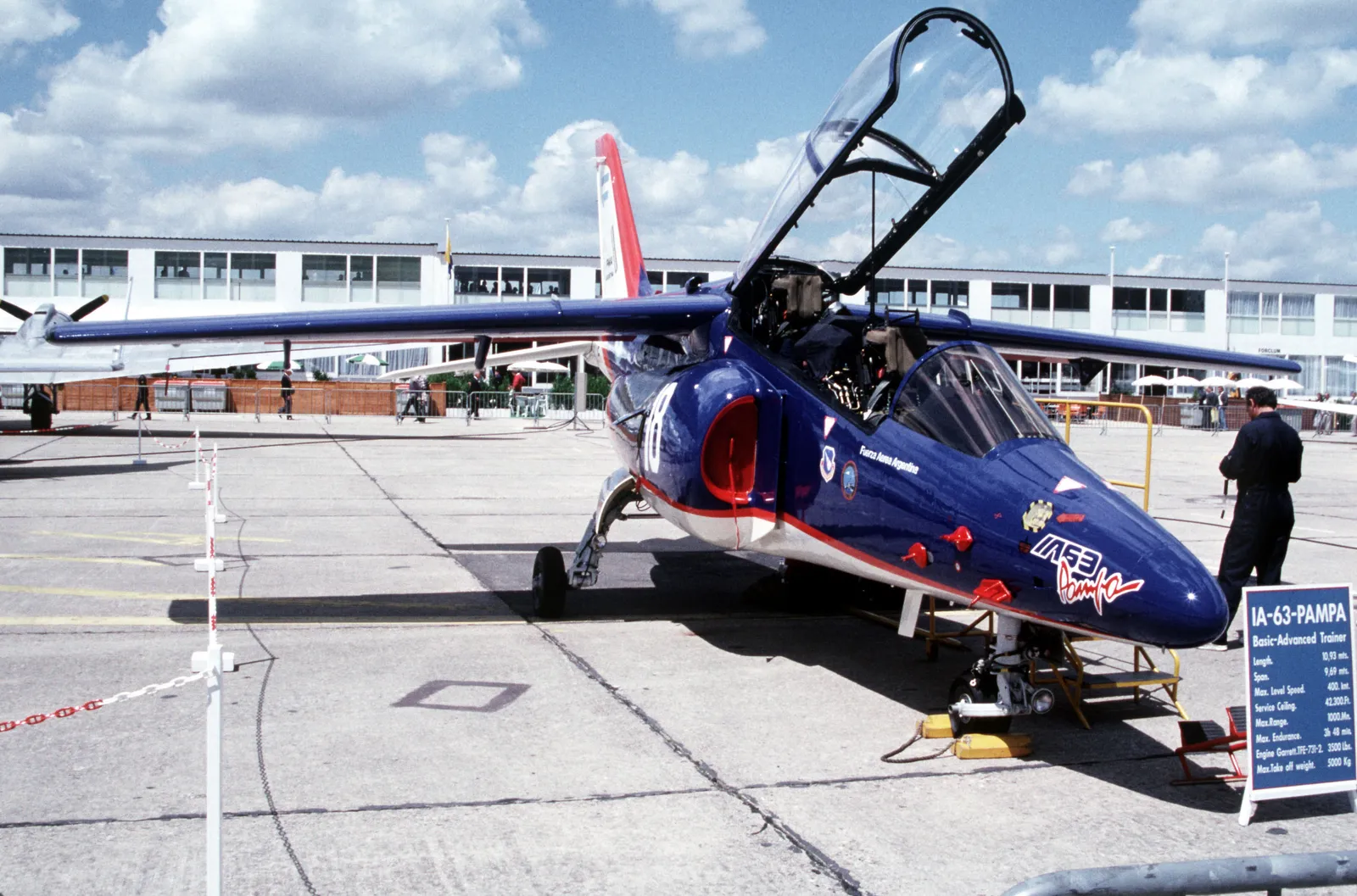
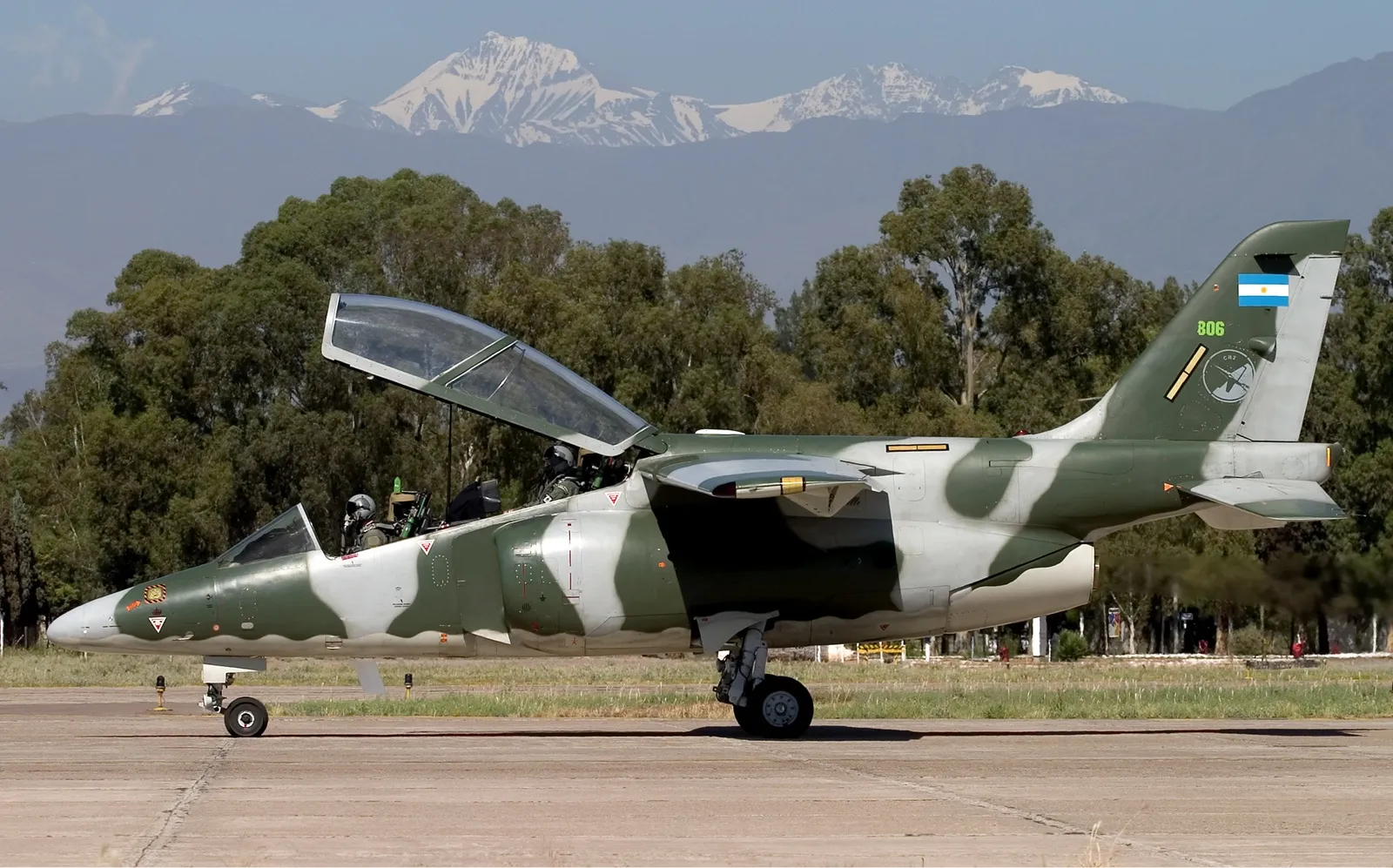
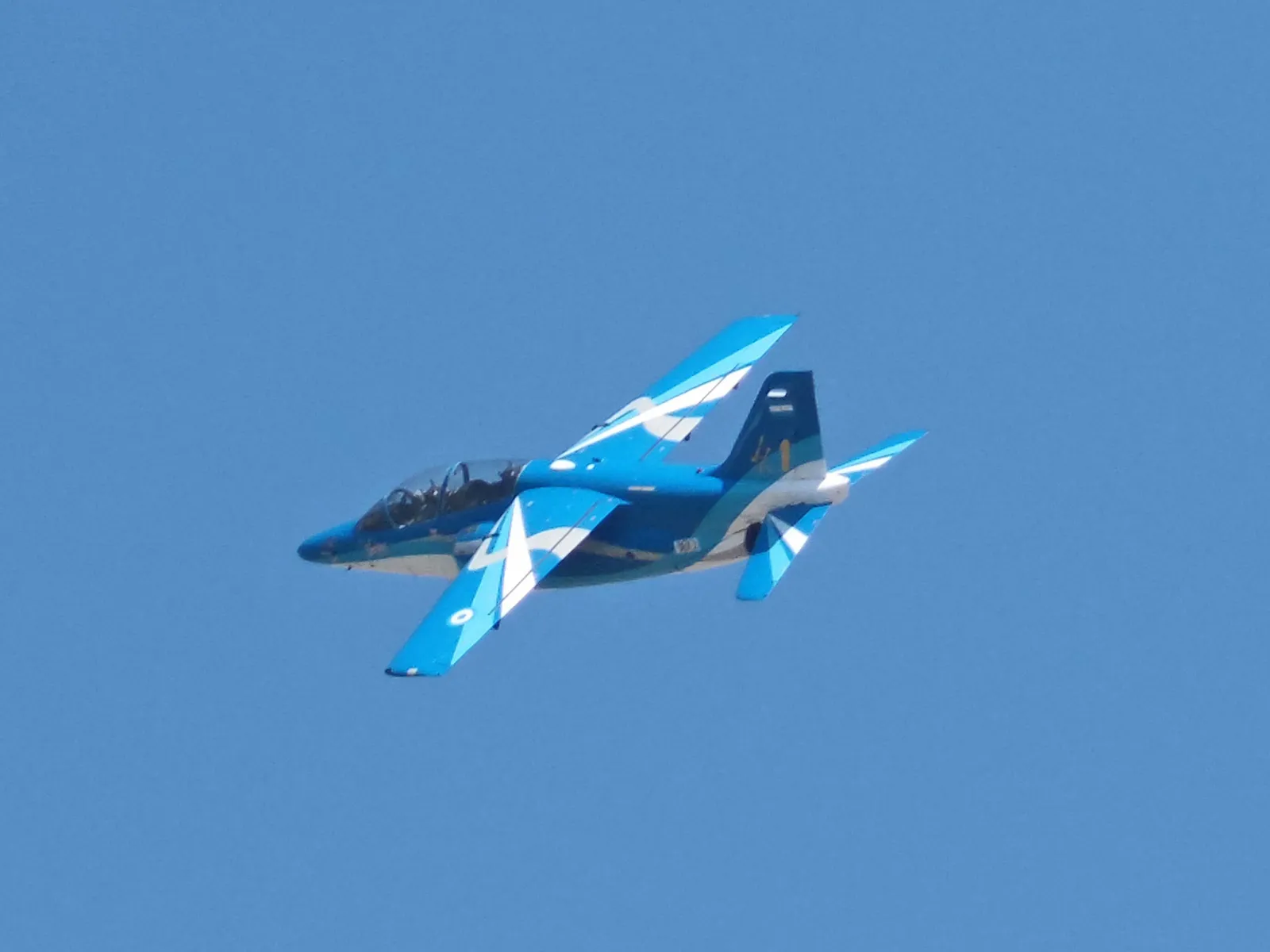
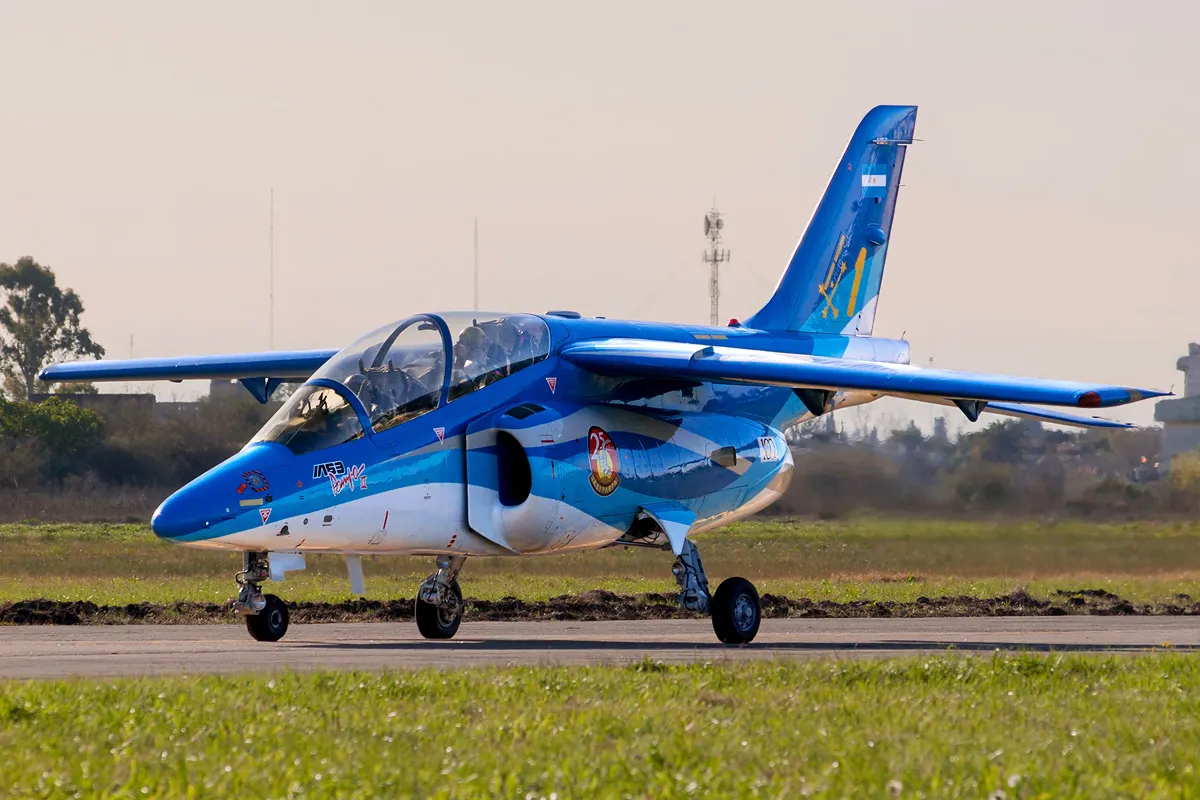
The IA-63 Pampa is an Argentine tandem-seat jet trainer and light attack aircraft built by FAdeA in Córdoba. The modernized Pampa III adds digital avionics, radar simulation, data link, a NVG-compatible glass cockpit, and five optional hardpoints for training and light-attack missions.

Specifications

Powerplant
One Honeywell TFE 731-40-2N turbofan
Thrust
1,820 kg (4,000 lb) maximum thrust at ISA sea level
Maximum takeoff weight
5,000 kg (11,040 lb)
External stores
Up to 1,200 kg on five optional hardpoints
Maximum speed
430 KTAS at sea level and 470 KTAS at 28,000 ft
Range
1,270 nm with maximum internal fuel and a 30-minute reserve
Service ceiling
42,300 ft
Cockpit
Tandem pressurized cockpit with full glass cockpit, NVG compatibility, and 0/0 ejection seats

Service And Conflict Use

Service History

In service
First flew on 10 October 1984; FAdeA describes the modernized Pampa III as a tactical trainer and light attack aircraft with more than 30 years of service.
Used by
Argentine Air Force

Conflict Usage

No publicly documented use in a named armed conflict was found in the sources reviewed; the IA-63 Pampa is described as a tactical trainer and light-attack aircraft with general military training and light-attack roles.

Timeline

IA-63 Pampa Key Events

  1. First official flight

    The Argentine Air Force history page says the IA-63 Pampa EX-01 made its first official flight at the Escuela de Aviación Militar on 10 October 1984.

    Sources: Primer vuelo oficial de IA-63 Pampa

IA-63 Pampa Images

Related Weapon Systems

AIDC AT-3/T-5 Brave Eagle, Advanced jet trainer and light attack aircraft family, Aircraft & UAVsAircraft & UAVsAIDC AT-3/T-5 Brave EagleAdvanced jet trainer and light attack aircraft familyThe AIDC AT-3/T-5 family covers Taiwan's indigenous two-seat jet trainer line, starting with the AT-3 Tzu Chung, which first flew in 1980 and entered service in 1985, and continuing with the T-5 Brave Eagle, a next-generation advanced jet trainer delivered to the ROCAF from 2021. AIDC and ROCAF sources describe the family as a pilot-training platform that also supported Thunder Tigers aerobatics, with the T-5 replacing the older AT-3 and F-5 trainer fleet.

Sources