Naval Systems

HITROLE N

Also known as
  • HITROLE N/NT
  • HITROLE-NT
  • Leonardo HITROLE N
  • OTO HITROLE 12.7 mm naval turret
  • HITROLE NT
  • Hitrole Naval Tilting

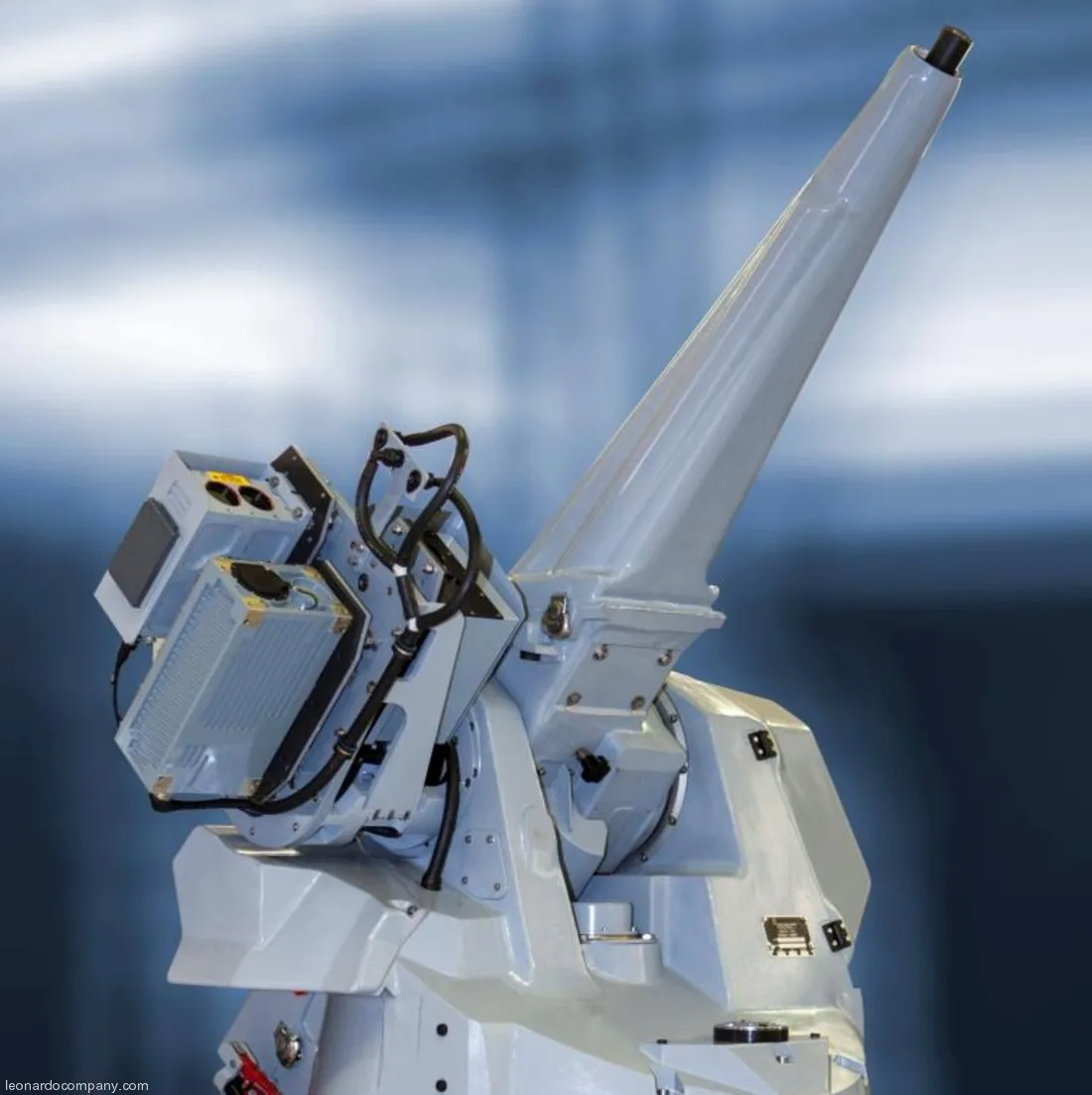
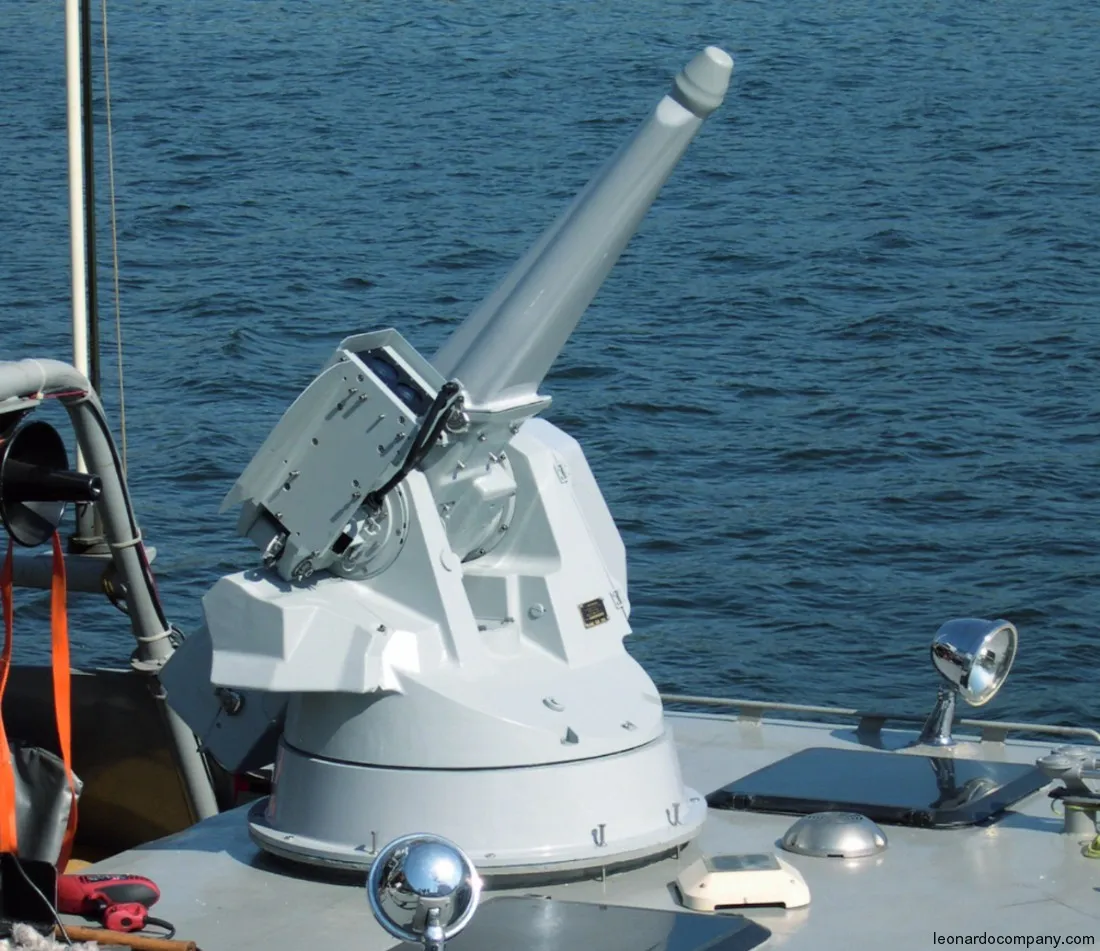
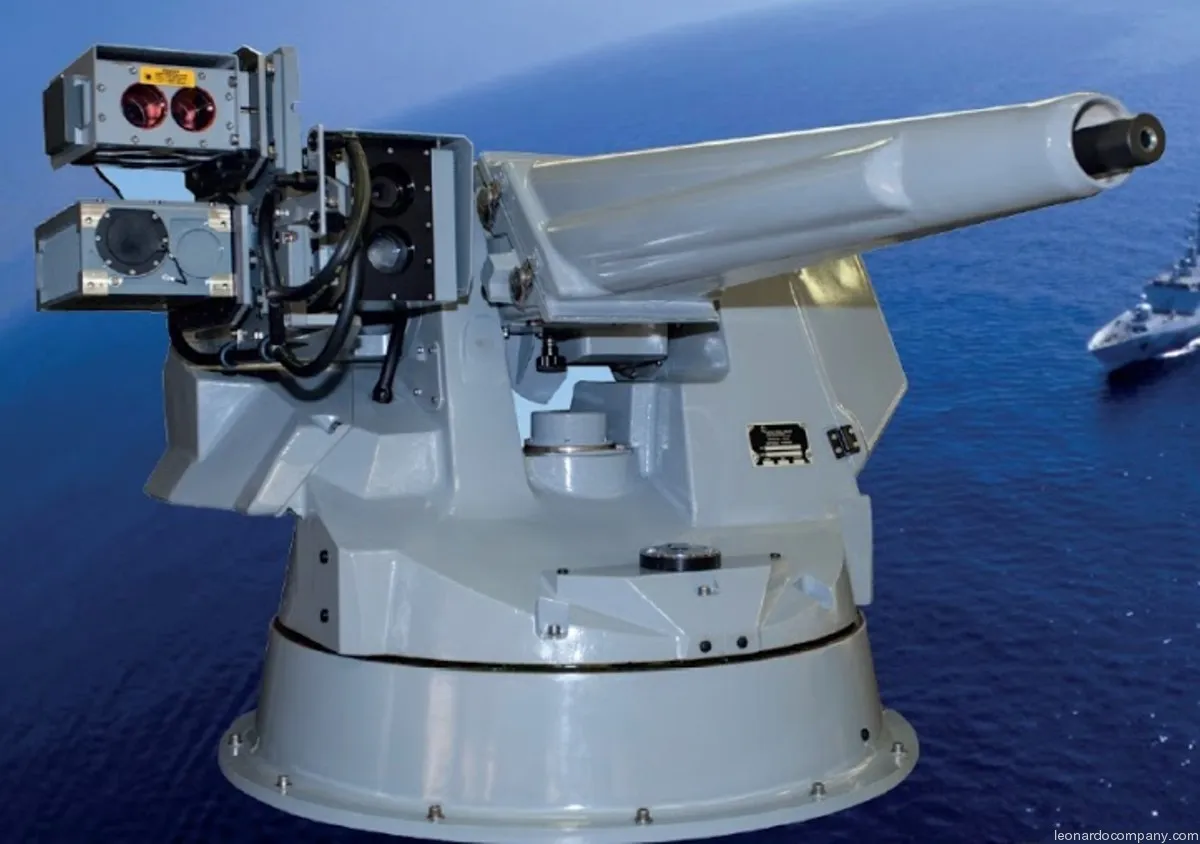
HITROLE N is Leonardo's naval 12.7 mm remote weapon station from the OTO Melara HITROLE family. The stabilized mount is remotely controlled from inside the ship and is documented as a close-in defensive fit on Germany's F125 frigates, where Bundeswehr identifies five 12.7 mm HITROLE N stations for protection against small surface threats.

Profile / Specs

Profile

Origin
Italy
Type
Remote 12.7 mm weapon station
Service note
2000s-present
Designed
2000s
Unit cost
About EUR 400,000 per system (implied by a reported EUR 10 million contract for 25 HITROLE NT systems)
Produced
2008-present

Specifications

Caliber
12.7 mm / .50 caliber
Primary armament
12.7 mm FN Mod. M2HB/QCB machine gun
Alternate armament
40 mm automatic grenade launcher
Weight
220-260 kg
Length
1.74 m
Training arc
+/-155 degrees
Elevation arc
-15 to +50 degrees
Ready to fire rounds
130-400
Control
Remote control console with electrically operated stabilized mount
Fire control and sights
Day TV camera with ballistic routine; optional IR sensor, laser rangefinder, and auto tracker
Ship integration
Standalone gyrostabilized operation, with optional electro-optical sensor and combat-management-system interfaces
Variants

HITROLE N belongs to Leonardo/OTO Melara's small-calibre remote weapon station family. Sources distinguish the naval N/NT line from related LN, G, and 20 mm configurations, while the later Lionfish naval family is better treated as a successor line rather than a HITROLE variant.

VariantConfigurationDesignation notes
HITROLE LNNaval family configuration

Leonardo's Naval Systems brochure lists Hitrole LN, Hitrole N, and Hitrole G as configurations with increasing weights and performance levels.

Sources: Leonardo: Naval Systems brochure

HITROLE GHeavier naval family configuration

Leonardo groups Hitrole G with Hitrole LN and Hitrole N inside the small-calibre naval weapon family.

Sources: Leonardo: Naval Systems brochure

HITROLE 20 mm20 mm naval remote weapon station

Leonardo announced the HITROLE 20 mm naval system at Euronaval 2014 as a remote weapon station with a 20 mm Gatling gun for anti-air and surface defence.

Sources: Leonardo: OTO Melara at Euronaval 2014

Carrier Platform

Bundeswehr identifies five HITROLE N weapon stations with 12.7 mm machine guns on the F125 class, while contract reporting describes the German F125 selection of the HITROLE NT version.

CarrierCarrier typeCarriage evidence
Baden-Württemberg / F125 frigate, Stabilization frigate class, Naval SystemsBaden-Württemberg / F125 frigateStabilization frigate

Bundeswehr identifies five HITROLE N weapon stations with 12.7 mm machine guns protecting the F125 class against small surface threats such as speedboats; Defense Industry Daily separately reported five HITROLE NT systems for each frigate plus land-based training systems.

Sources: Bundeswehr: Baden-Württemberg-class F125 frigates, Defense Industry Daily: EUR 80M to OTO Melara for F125 Frigate Gun Systems

Timeline

HITROLE N Key Events

  1. Hitrole NT selected for Germany's F125 program

    Defense Industry Daily reported that Germany selected the 12.7 mm Hitrole turret in the Naval Tilting version, with OTO Melara to provide 25 systems under a EUR 10 million contract.

    Sources: Defense Industry Daily: EUR 80M to OTO Melara for F125 Frigate Gun Systems

  2. HITROLE-NT designation enters the naval family

    SeaForces lists HITROLE-NT as a version of Leonardo's HITROLE N/NT naval weapon system since 2008.

    Sources: Seaforces: HITROLE-NT Leonardo Remote Naval Weapon System Oto Melara

  3. HITROLE 20 mm presented at Euronaval

    Leonardo reported that Finmeccanica-OTO Melara presented the HITROLE 20 mm naval remote weapon station and signed an MOU for development, marketing, and coproduction.

    Sources: Leonardo: OTO Melara at Euronaval 2014

  4. Lionfish successor family announced

    EDR Magazine reported that Leonardo introduced Lionfish by drawing on Hitrole-family experience, with Lionfish Inner Reloading closely resembling the former HITROLE N concept.

    Sources: EDR Magazine: Leonardo unveils its Lionfish naval remotely controlled weapon stations

Media
Related Weapon Systems
OTO 76/62 Super Rapid naval gun, 76 mm rapid-fire naval gun mount, Naval SystemsNaval SystemsOTO 76/62 Super Rapid naval gun76 mm rapid-fire naval gun mountThe OTO 76/62 Super Rapid is Leonardo's Italian 76 mm naval gun mount for corvettes, frigates, patrol vessels, and other surface combatants. It combines a selectable 120-round-per-minute rate of fire, an 80-round ready magazine, anti-surface and air-defense roles, optional Strales/DART guided-ammunition integration, and compact installation on small naval units. Its 2014 Russia-Ukraine War link is Ukraine's Ada-class corvette program: Naval News identified a Leonardo 76 mm Super Rapid fitted to Hetman Ivan Mazepa during sea trials in Turkiye while the corvette project remained shaped by wartime transfer constraints.
Narwhal 20 mm remote-controlled turret, 20 mm naval remote weapon station, Naval SystemsNaval SystemsNarwhal 20 mm remote-controlled turret20 mm naval remote weapon stationNarwhal is KNDS France's remotely operated 20 mm naval turret family for close-in ship self-defense and maritime-security roles. Official KNDS and MBDA material describes it as a lightweight day/night system for platforms from small patrol boats to frigates, with 20A and 20B ammunition-standard configurations, more than 180 systems in service, demonstrated Akeron MP missile pods, and a future 30 mm growth direction.
Marte Mk.2 anti-ship missile, Anti-ship missile, MunitionsMunitionsMarte Mk.2 anti-ship missileAnti-ship missileThe Marte Mk.2 is an Italian lightweight anti-ship missile family developed from the Sea Killer/Marte line and now marketed by MBDA for helicopter, aircraft, ship, and coastal-defense applications. Current MBDA material centers the family on the shared 310 kg MARTE MK2 missile, with the MK2/S serving fixed- and rotary-wing launch roles and the MK2/N adapting the same missile to ship launchers. The family uses fire-and-forget, all-weather sea-skimming flight with inertial mid-course waypoint navigation, active radar terminal homing, a semi-piercing high-explosive warhead, and impact/proximity fuzing.

Sources