Stimson Center analysis reports that the Indian Army claimed recovery of debris associated with Hatf-I after Pakistan's May 9-10 short-range ballistic missile attacks; the public evidence is debris-based and the specific launch details remain limited.
Hatf-I
- Hatf 1
- Hatf-1
- Hataf-1
- Hatf-1A
- Hatf-1B
Hatf-I is a Pakistani road-mobile, solid-fuel short-range ballistic missile family rooted in SUPARCO sounding-rocket work and later tracked in Hatf-1A and Hatf-1B forms. CSIS describes the family as a 70-100 km battlefield system with a 500 kg conventional warhead, while 2025 conflict reporting ties Hatf-I only to debris claims after Pakistan's May 9-10 missile attacks.
Role in Conflicts
Profile / Specs
Profile
- Origin
- Pakistan
- Type
- Short-range ballistic missile
- Service note
- Revealed in 1989; reported operational service from 1992
- Designer
- Space and Upper Atmosphere Research Commission (SUPARCO)
- Designed
- Late 1980s
- Unit cost
- Not publicly reported
- Produced
- Late 1980s onward
- Number built
- Not publicly confirmed
- Developed from
- France's Eridan sounding rocket
Specifications
- Class
- Short-range ballistic missile
- Range
- 70-100 km
- Payload
- Single 500 kg warhead
- Launch weight
- About 1,500 kg
- Length
- 6.0 m
- Diameter
- 0.56 m
- Propulsion
- Single-stage solid propellant
- Basing
- Road-mobile transporter-erector-launcher
- Guidance
- Baseline unguided; Hatf-1B adds rudimentary inertial guidance
- Warhead
- Conventional; CSIS notes Pakistan declared the system non-nuclear
- Status
- Operational according to CSIS
Development Context
Hatf-I sits at the boundary between Pakistan's civil sounding-rocket base and its early battlefield-missile program. NTI credits SUPARCO with early solid-fueled Hatf work, Wisconsin Project reporting connects the first Hatf missiles to foreign sounding-rocket technology and mobile 1989 tests, and CSIS treats the later Hatf-1A and Hatf-1B designations as incremental improvements rather than unrelated missiles.
SUPARCO is the cataloged builder because NTI and Wisconsin Project sources tie the early Hatf lineage to its rocket facilities and technical base.
Outside assessments describe the original Hatf-I as closer to battlefield rocket artillery than a precise guided ballistic missile.
CSIS tracks the family from the baseline Hatf-I to Hatf-1A and then Hatf-1B, with the last version likely adding rudimentary inertial guidance.
Sources: Space and Upper Atmosphere Research Commission (SUPARCO); Pakistan Derives its First Hatf Missiles from Foreign Space Rockets; Hatf 1.
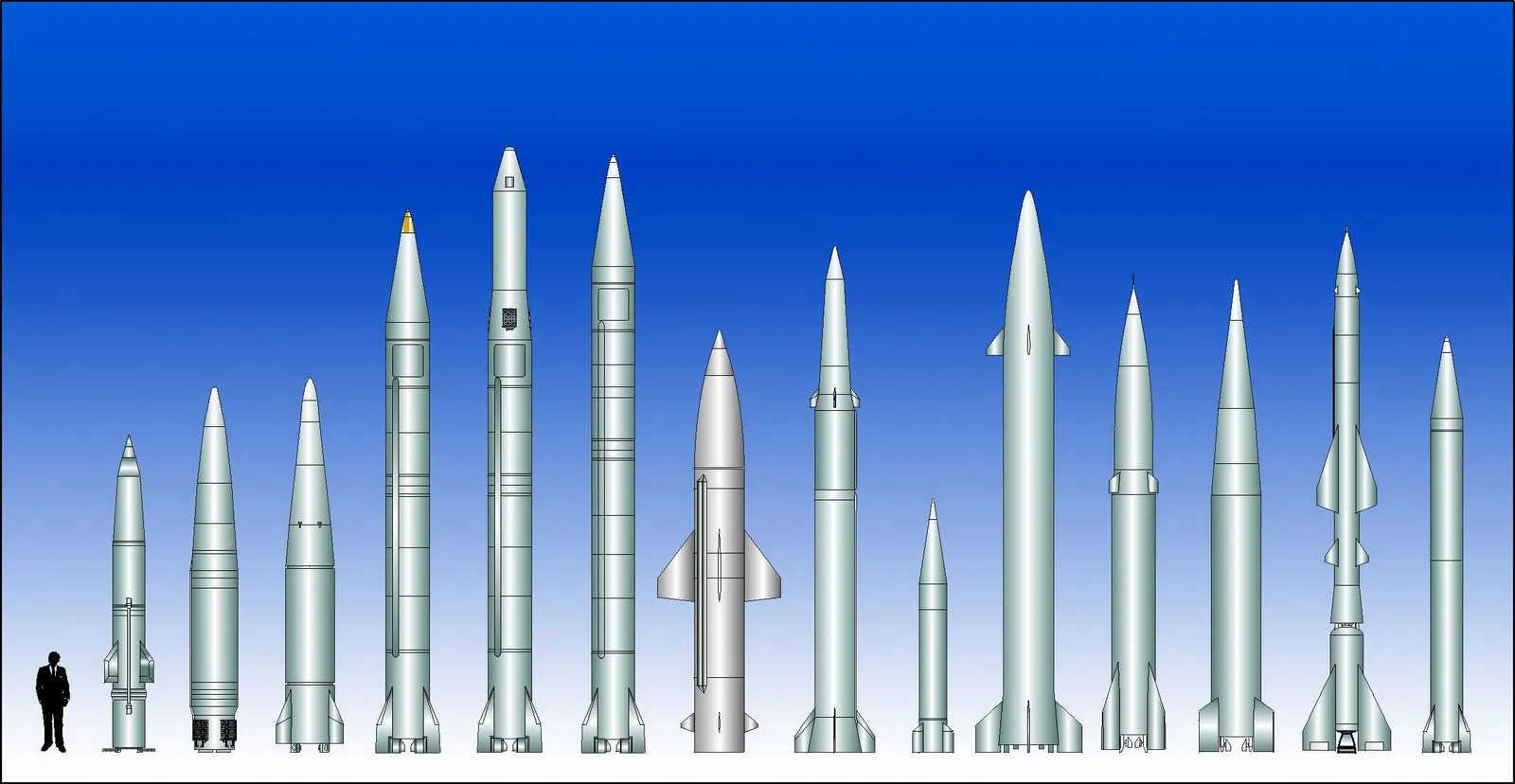
Variants
Open references use Hatf-I for the original system and Hatf-1A/Hatf-1B for later 100 km-class improvements. Public sources differ on some institutional attributions, so this record keeps the designation history separate from unresolved production-control claims.
| Variant | Configuration | Designation notes |
|---|---|---|
| Hatf-1A | Extended-range version | CSIS says the Hatf-1A reportedly entered service in 1995 with a 100 km range and improved accuracy; Wisconsin Project's chronology separately records a 100 km Hatf-1A test in February 2000. Sources: Hatf 1, Pakistan Missile Milestones 1961-2014 |
| Hatf-1B | Guidance-improved version | CSIS describes Hatf-1B as the final Hatf-I evolution, first flight-tested in February 2000 and probably fitted with rudimentary inertial guidance while retaining the family payload and range class. Sources: Hatf 1 |
Launch Platforms
| Launcher | Launcher type | Launch evidence |
|---|---|---|
![]() | Road-mobile TEL vehicle | CSIS says Hatf-I is ground mobile and can be launched from transporter-erector-launcher vehicles. Sources: Hatf 1 |
Timeline
Hatf-I Key Events
Early Hatf test claims
Wisconsin Project reporting says Pakistani officials announced Hatf-1 and Hatf-2 tests in early 1989 and that the missiles were tested again from mobile launching pads on the Mekran coast.
Sources: Pakistan Derives its First Hatf Missiles from Foreign Space Rockets
Hatf-1A reportedly enters service
CSIS says the Hatf-1A version reportedly entered service in 1995 and extended the family's reach to roughly 100 km.
Sources: Hatf 1
Improved Hatf-I test
FAS and Wisconsin Project chronology both record a February 2000 Hatf-I-family test, while CSIS treats Hatf-1B as the guidance-improved final evolution of the family.
Sources: Hatf 1, Pakistan Missile Milestones 1961-2014, Hatf-1 - Pakistan Missile Special Weapons Delivery Systems
Debris claim during the 2025 crisis
Stimson Center analysis says the Indian Army reported debris associated with Hatf-I after Pakistan's May 9-10 short-range ballistic missile attacks.
Sources: Four Days in May: The India-Pakistan Crisis of 2025
Related Weapon Systems


