Munitions

Falaq-1 rocket

Also known as
  • FL1-A
  • Falagh-1

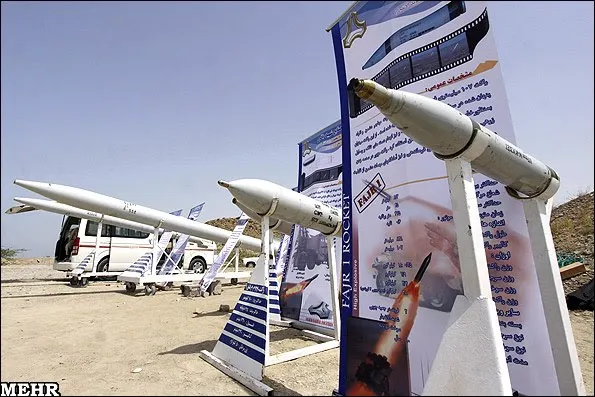
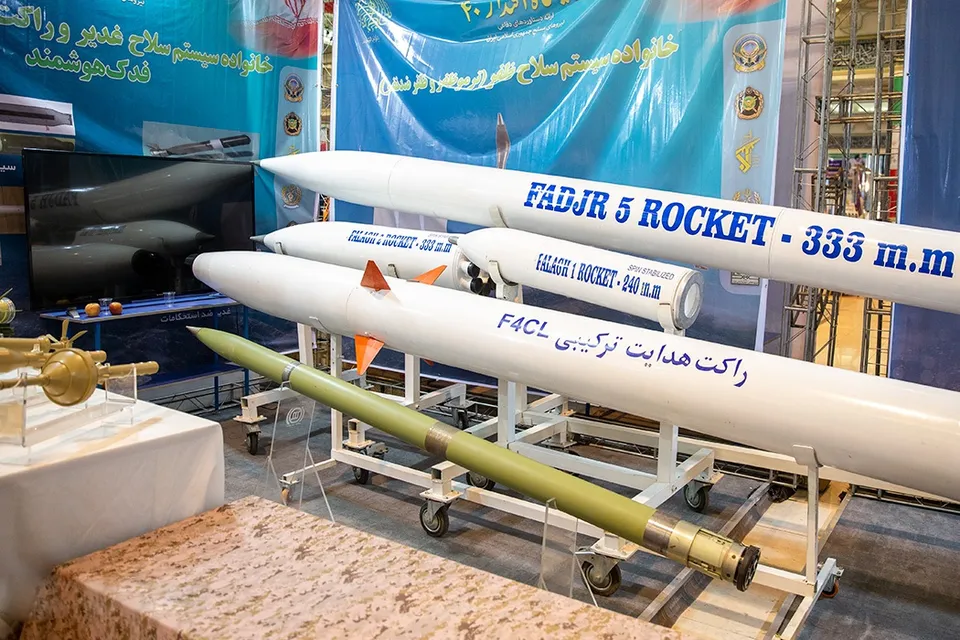
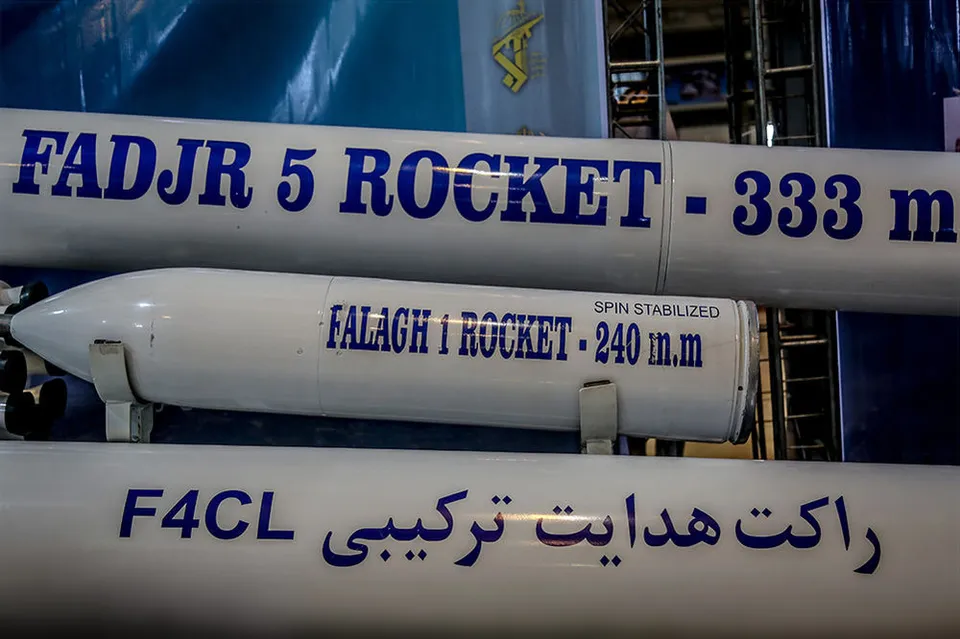
The Falaq-1 is an Iranian 240 mm unguided surface-to-surface rocket produced by Shahid Bagheri Industrial Group. ARES documented it in Syria on man-portable, towed, and vehicle-mounted short-tube launchers, and Hezbollah's 2024 use tied the rocket to the Israel-Hezbollah conflict and its short-range strike role.

Role in Conflicts

Role in conflict
Short-range rocket strike

During the 2023 Israel-Hezbollah Conflict, Hezbollah was identified by the IDF and AP as having fired an Iranian-made Falaq rocket with a 53 kg warhead in the Majdal Shams attack on July 27, 2024.

Profile / Specs

Profile

Origin
Iran
Type
Unguided surface-to-surface rocket
Service note
1990s Iranian rocket family documented in Syria and the 2023 Israel-Hezbollah Conflict in 2024
Designer
Iranian defense industry
Designed
Developed in Iran in the early 1990s
Produced
Iranian production, at least by the early 2010s
Number built
Not publicly stated

Specifications

Caliber
240 mm
Guidance
Unguided, spin-stabilized rocket
Length
1,318 mm
Weight
113 kg
Speed
445 m/s
Range
10 km
Warhead
50 kg high-explosive warhead
Launchers
Man-portable single-tube, two-tube towed, and four- or six-tube vehicle-mounted short-tube launchers
Variants
  • Falaq-1
  • Falaq-2
Falaq Family

ARES groups Falaq-1 and Falaq-2 as the same Iranian rocket family.

Compatible itemItem typeCompatibility evidence
Falaq-2 rocket, Unguided spin-stabilized artillery rocket, MunitionsFalaq-2 rocket333 mm family counterpart

ARES treats Falaq-1 and Falaq-2 as a shared Iranian rocket family; Falaq-2 is the larger 333 mm member paired with the 240 mm Falaq-1.

Sources: Iranian Falaq-1 and Falaq-2 Rockets in Syria

Documented Launcher Forms

ARES documented Falaq-1 launchers in Syria and described the rocket family as also transliterated as Falagh.

TopicSource-backed detail
Family spellingARES says Falaq is also transliterated as Falagh and identifies the rocket as FL1-A in DIO material.
Syrian launchersMan-portable single-tube, two-tube towed, and four- or six-tube vehicle-mounted Falaq-1 launchers were documented in Syria.
Hezbollah launcherLong War Journal described Falaq-1 on a 4x4 light jeep with six launchers in ready-to-launch position during the current conflict.
Timeline

Falaq-1 rocket Key Events

  1. ARES documents the Syria use case

    ARES released its Falaq-1 and Falaq-2 report, documenting Falaq-1 launchers in Syria and describing the rocket family as Iranian-made and exportable.

    Sources: Iranian Falaq-1 and Falaq-2 Rockets in Syria

  2. First claimed Falaq-1 use in the current war

    Long War Journal reported that Hezbollah began using Falaq-1 rockets against Israel on January 26, 2024, describing the system on a 4x4 light jeep launcher.

    Sources: Breaking down Hezbollah's rocket strategy: the Short-Range Threat

  3. Majdal Shams attack

    AP and IDF reporting tied the July 27, 2024 Majdal Shams strike to an Iranian-made Falaq rocket fired by Hezbollah.

    Sources: A cratered field, a mangled fence. Clues emerge from strike that killed 12 children in the Golan Heights, IDF airs images it says prove Hezbollah fired deadly rocket that hit Majdal Shams

Media
Related Weapon Systems
Toophan anti-tank guided missile, Tube-launched anti-tank guided missile family, Infantry WeaponsInfantry WeaponsToophan anti-tank guided missileTube-launched anti-tank guided missile familyThe Toophan is an Iranian anti-tank guided missile family derived from the BGM-71 TOW, with wire-guided baseline models and later top-attack, thermobaric, and laser-guided branches. Public reporting connects Toophan systems to Syrian-government-aligned militias, Iraqi Popular Mobilization Unit forces, Houthi-aligned forces in Yemen, and Hezbollah forces in Lebanon through fielded-system, interdiction, battlefield-recovery, and direct-use evidence.
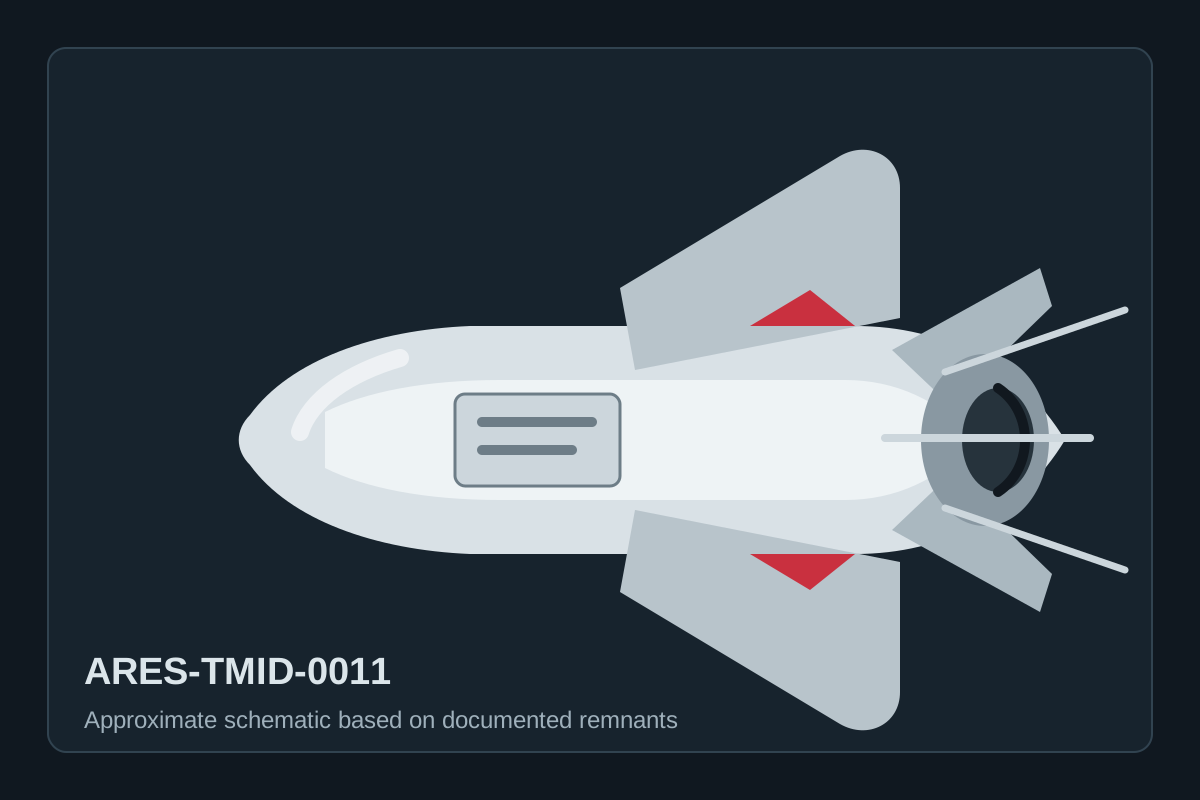
Unidentified Israeli turbojet-powered one-way-attack munition, One-way-attack munition, MunitionsMunitionsUnidentified Israeli turbojet-powered one-way-attack munitionOne-way-attack munitionARES tracks this provisional Israeli-origin munition as TMID-0011: a turbojet-powered one-way-attack weapon assessed as a guided UAV or loitering-munition missile. ARES says no publicly acknowledged Israeli munition closely fits the remnants, with the closest public analogue probably being the U.S. AGM-190 Black Arrow. Open-source reporting places it in Gaza during the 2023 Israel-Hamas War, in Lebanon during the 2023 Israel-Hezbollah Conflict, and in Iran during renewed Israel-Iran fighting, while the launch platform remains unidentified.

Sources