Munitions

9M730 Burevestnik

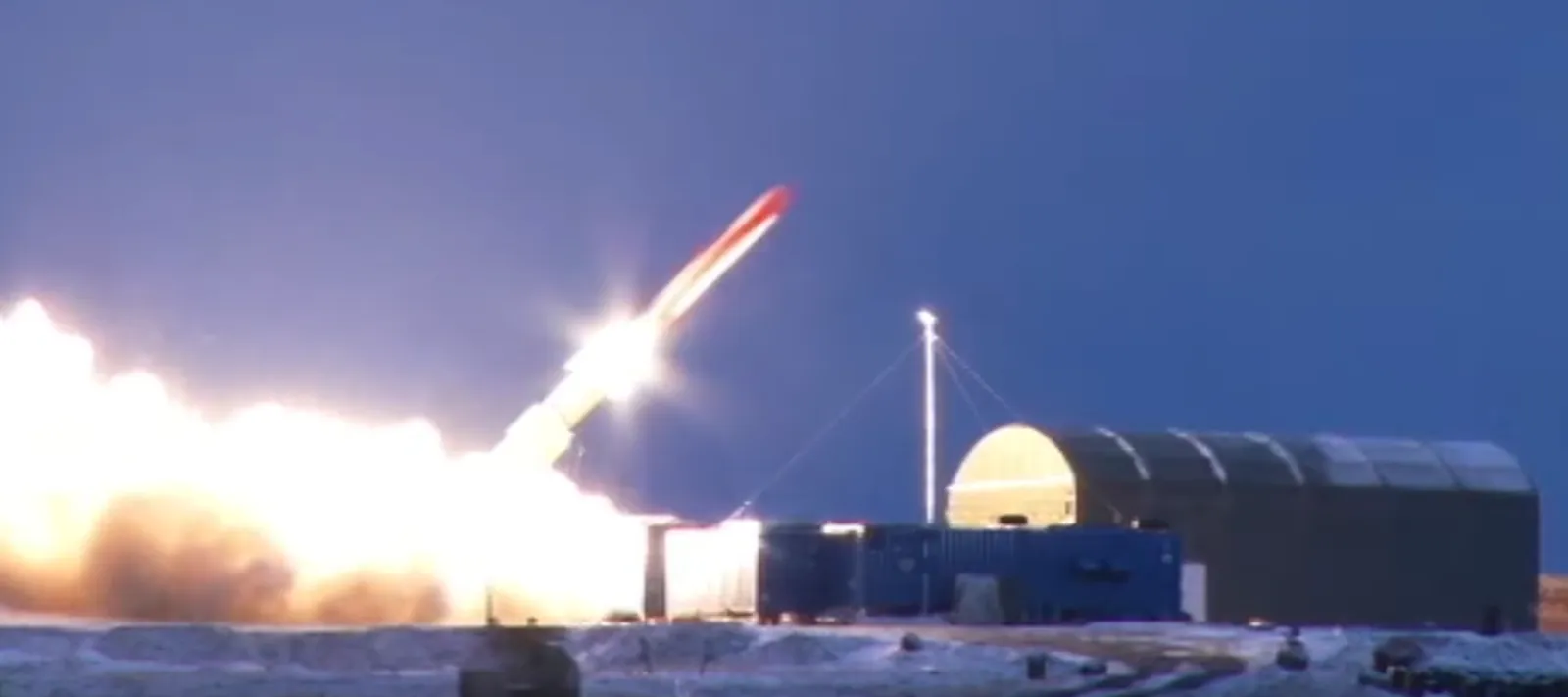
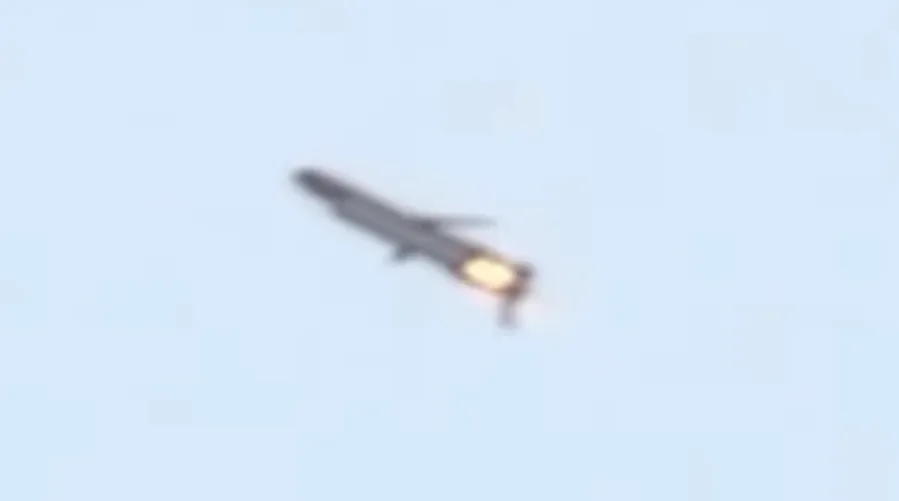
The 9M730 Burevestnik is a Russian nuclear-powered, nuclear-capable cruise missile project intended to fly at very long range along low-altitude, maneuvering routes that could complicate missile defense. Public technical data remains limited, and open-source reporting still treats its reliability, deployment status, and military value as uncertain despite Russia's repeated test claims.

Launcher Compatibility

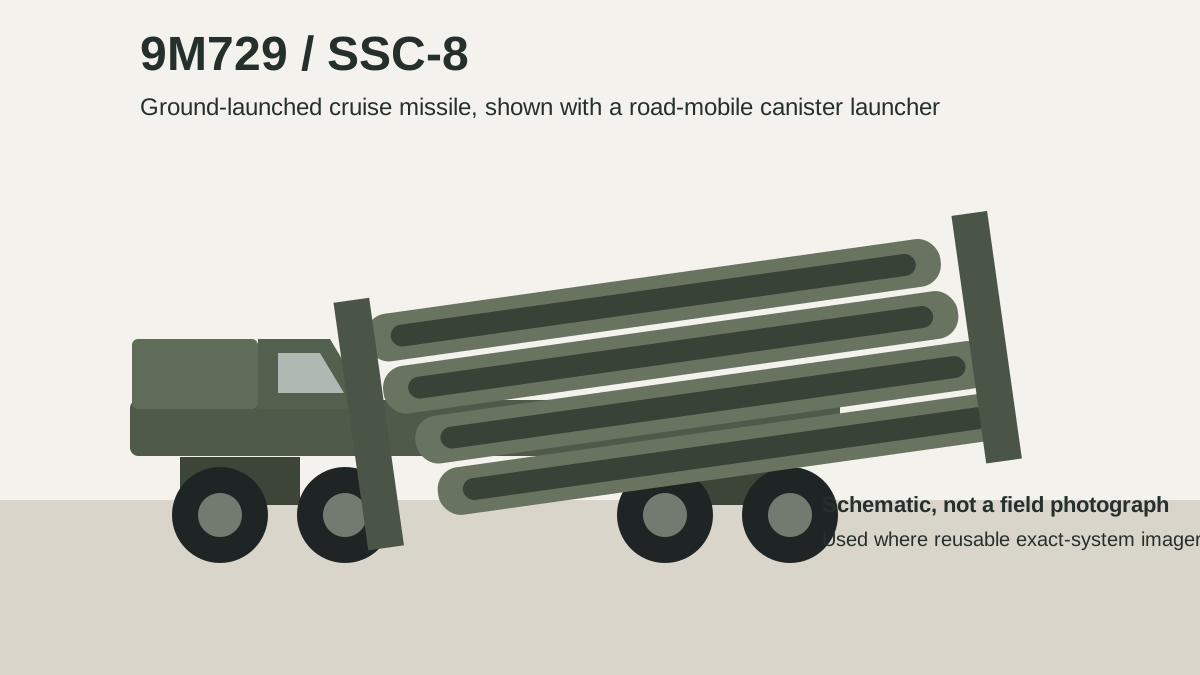
A TASS report quoted a Russian military expert saying Burevestnik can be launched from existing Iskander launchers, with the same article also mentioning Oreshnik launchers as a possible adapted carrier.

Launch platformPlatform typeSource-backed relationship
9K720 IskanderMissile launcher systemTASS quoted an expert saying Burevestnik can be launched from existing Iskander launchers.

Profile

Origin
Russia
Built by
Russian defense industry; Novator associated with public 2018 missile display
Type
Nuclear-powered nuclear-capable cruise missile
Service note
Development and testing publicized from 2018; Russian officials claimed decisive tests in 2025
Designer
Russian defense industry and nuclear propulsion research organizations
Designed
Development reported from the early 2010s; publicly unveiled by Russia in 2018
Unit cost
Not publicly disclosed
Produced
Development and prototype testing reported; serial production status not publicly confirmed
Number built
Not publicly disclosed
Variants
9M730 Burevestnik, SSC-X-9 Skyfall NATO reporting name

Also Known As

  • Burevestnik
  • SSC-X-9 Skyfall
  • Skyfall
  • KY-30
  • 9M730

Specifications

Class
Ground-launched strategic cruise missile
Propulsion
Nuclear-powered cruise missile concept using a small reactor as a sustained power source
Warhead
Nuclear-capable; Russian and Western sources describe the system as a nuclear delivery vehicle
Range
Russia claims near-unlimited range; public independent performance data remains unavailable
Flight profile
Intended low-altitude, maneuvering cruise flight to complicate missile-defense planning
Reported 2025 test
Russian officials said a test flight lasted about 15 hours and covered more than 14,000 km
Development status
Advanced testing claimed by Russia, with Western analysts noting past failures and unresolved safety questions
Probable basing
U.S. researchers identified a possible deployment site near Vologda-20/Chebsara in 2024; Russian officials did not confirm the assessment
Launcher compatibility
A TASS report quoted an expert saying the missile can be launched from existing Iskander and Oreshnik launchers
Arms-control status
CSIS notes the system would not fall under New START's existing delivery-vehicle definitions if nuclear powered or nuclear armed
NATO reporting name
SSC-X-9 Skyfall

Service And Conflict Use

Service History

In service
Under development; Russian officials ordered deployment infrastructure planning after claimed 2025 tests
Used by
Russian Armed Forces
Wars
Various Conflicts

Conflict Usage

Side
🇷🇺Russia
Role
Strategic nuclear signaling and missile-defense evasion

Russia has not publicly documented Burevestnik combat use in a specific war; the system is tracked here for its source-backed strategic nuclear signaling, test activity, and intended role as a long-range cruise missile outside normal treaty categories.

Timeline

9M730 Burevestnik Key Events

  1. U.S. intelligence reportedly detects KY-30 testing

    PISM reports that U.S. intelligence first detected the program around 2016 at Kapustin Yar under the KY-30 designation, before later NATO use of SSC-X-9 Skyfall.

    Sources: Military Application of Nuclear Propulsion: Russian 9M730/SSC-X-9 Cruise Missile Project

  2. Putin publicly unveils the missile

    Russia presented Burevestnik as one of several new strategic systems, describing it as a nuclear-powered cruise missile intended to complicate U.S. missile-defense planning.

    Sources: Military Application of Nuclear Propulsion: Russian 9M730/SSC-X-9 Cruise Missile Project, Russia's Nuclear-Powered Burevestnik Missile

  3. Novator-linked display follows crash reports

    PISM notes that Russia showed at least four 9M730 missiles or mock-ups at a Novator-associated facility after Western reporting on a prototype crash and Barents Sea recovery effort.

    Sources: Military Application of Nuclear Propulsion: Russian 9M730/SSC-X-9 Cruise Missile Project

  4. Nyonoksa accident raises safety questions

    Reuters reporting cited by NDTV links the program's troubled test history to a 2019 blast during a recovery operation; Rosatom said five staff members died during rocket testing that day.

    Sources: Reuters: Probable Burevestnik Deployment Site

  5. Probable deployment site reported near Vologda-20

    Reuters reported that U.S. researchers identified nine possible horizontal launch pads near the Vologda-20/Chebsara nuclear warhead storage facility, while outside experts cautioned that the imagery was not definitive.

    Sources: Reuters: Probable Burevestnik Deployment Site

  6. TASS reports launcher compatibility claims

    TASS quoted an expert saying Burevestnik could be launched from existing Iskander and Oreshnik launchers, adding a specific launcher-compatibility claim to the missile's 2025 reporting.

    Sources: Burevestnik missile compatible with Iskander, Oreshnik launchers — expert

  7. Russia claims a 15-hour test flight

    Russian officials claimed Burevestnik flew more than 14,000 km over about 15 hours, after which Putin ordered work on deployment infrastructure while acknowledging more work was needed before combat duty.

    Sources: Visit to the Joint Force Command Post, Russia's Nuclear-Powered Burevestnik Missile

Interesting Facts

  • Its name means Storm Petrel. Burevestnik is commonly translated as Storm Petrel, while NATO uses the reporting name SSC-X-9 Skyfall.
  • The nuclear engine is the point of the design. Public descriptions frame the missile as a cruise missile whose reactor would remove normal fuel-range limits, not as a faster ballistic weapon.
  • The old U.S. Project Pluto comparison is useful but imperfect. CSIS notes that both concepts sit in the nuclear-powered cruise-missile lineage, while also warning that Burevestnik should not be treated as a direct copy of the Cold War U.S. program.
  • Its strategic value is disputed. Russian officials present Burevestnik as a missile-defense evasion system, but Reuters-cited experts and CSIS both question whether it adds much beyond existing Russian nuclear forces.
  • The basing problem is unusually visible. Reuters reported possible launch-pad construction beside the Vologda-20/Chebsara nuclear warhead storage area, a layout outside normal Russian practice for most land-based missile payloads.

9M730 Burevestnik Videos

9M730 Burevestnik Images

Related Weapon Systems

SCALP-EG, Air-launched cruise missile, MunitionsMunitionsSCALP-EGAir-launched cruise missileSCALP-EG is the French-service version of the Storm Shadow/SCALP air-launched cruise missile, an MBDA deep-strike weapon built for pre-planned attacks on high-value fixed targets such as hardened facilities and key infrastructure. French Rafale and Mirage aircraft fired nine SCALP missiles during the 2018 Syria Missile Strikes, Ukrainian Su-24 aircraft later used the weapon as a Western long-range precision-strike option in the Russia-Ukraine War, and Indian Rafales were reported to have used SCALP during Operation Sindoor in the 2025 India-Pakistan Conflict.
Kh-22, Air-launched supersonic anti-ship cruise missile, ArtilleryArtilleryKh-22Air-launched supersonic anti-ship cruise missileThe Kh-22, NATO reporting name AS-4 Kitchen, is a large Soviet-era air-launched cruise missile built for long-range attacks on carrier groups and other major targets. Designed by Raduga for bomber carriage, it combines a liquid-fuel rocket motor, supersonic speed, and a very large conventional or nuclear warhead. In the Russia-Ukraine War, Russia has repurposed the missile family for land-attack strikes, where its anti-ship guidance heritage and heavy payload make it especially destructive when used against urban targets.

Sources