Aircraft & UAVs

Stalker XO-10

Also known as
  • Stalker
  • Stalker drone
  • XO-10
  • Stalker XO 10
  • Stalker XO10

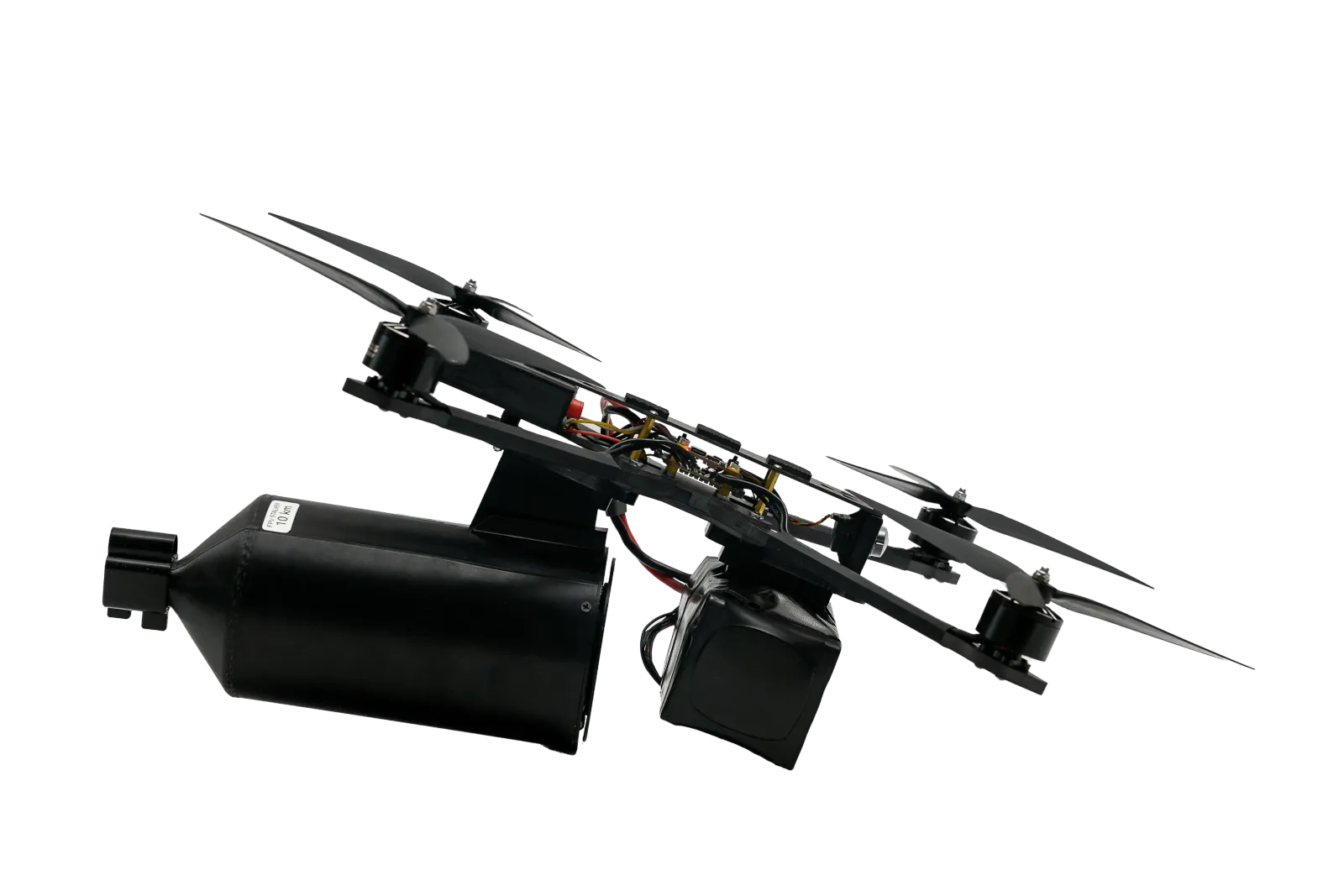
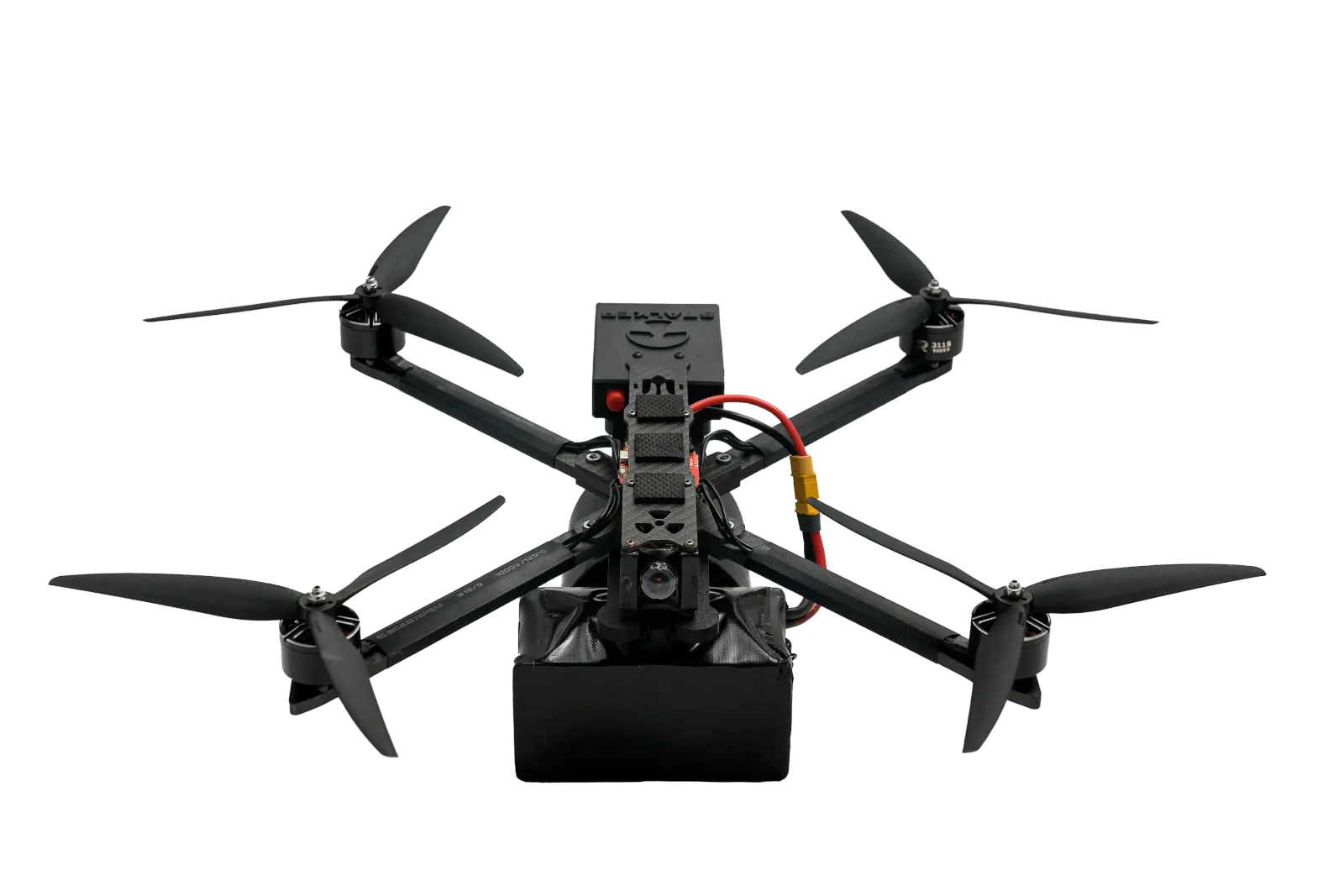
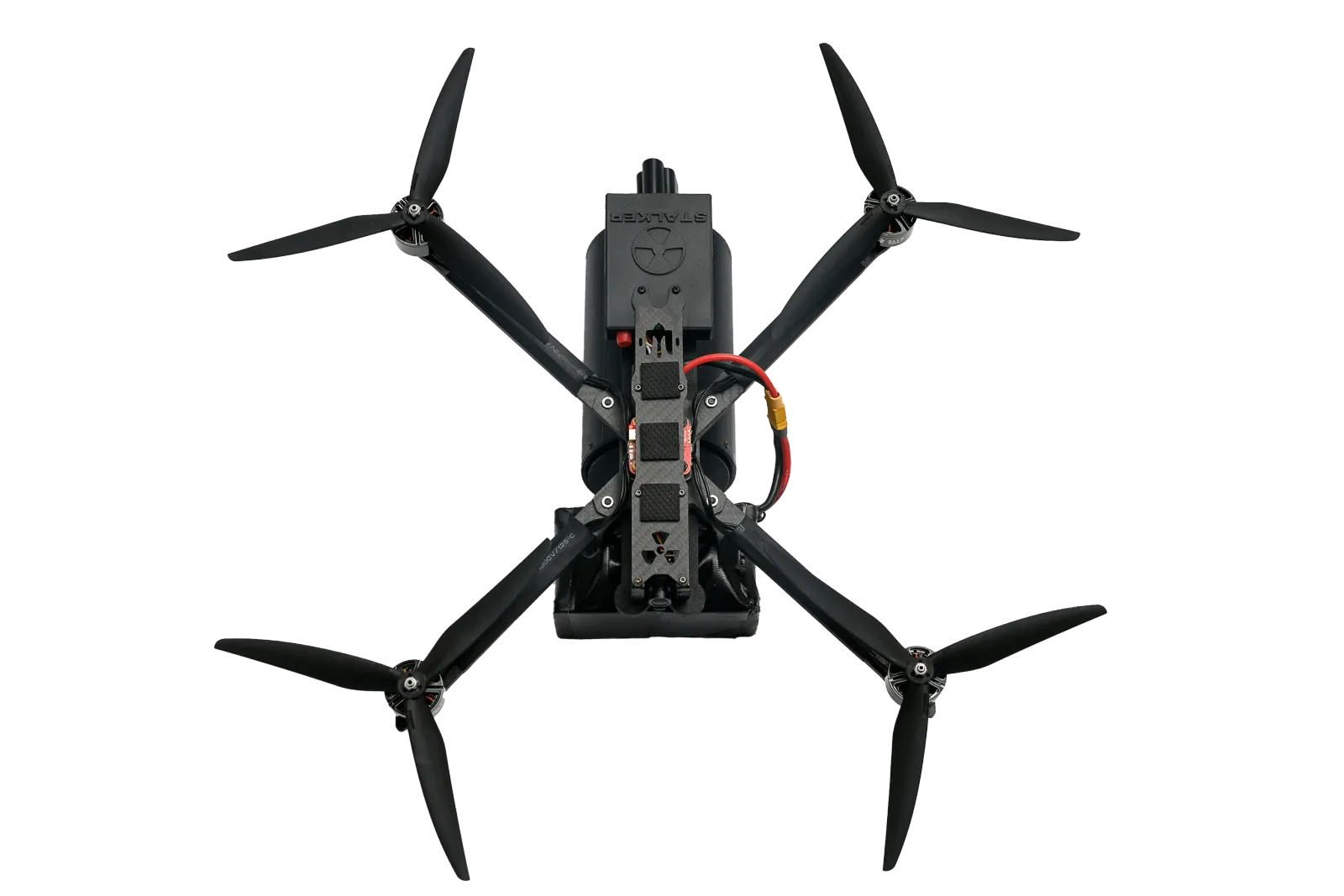
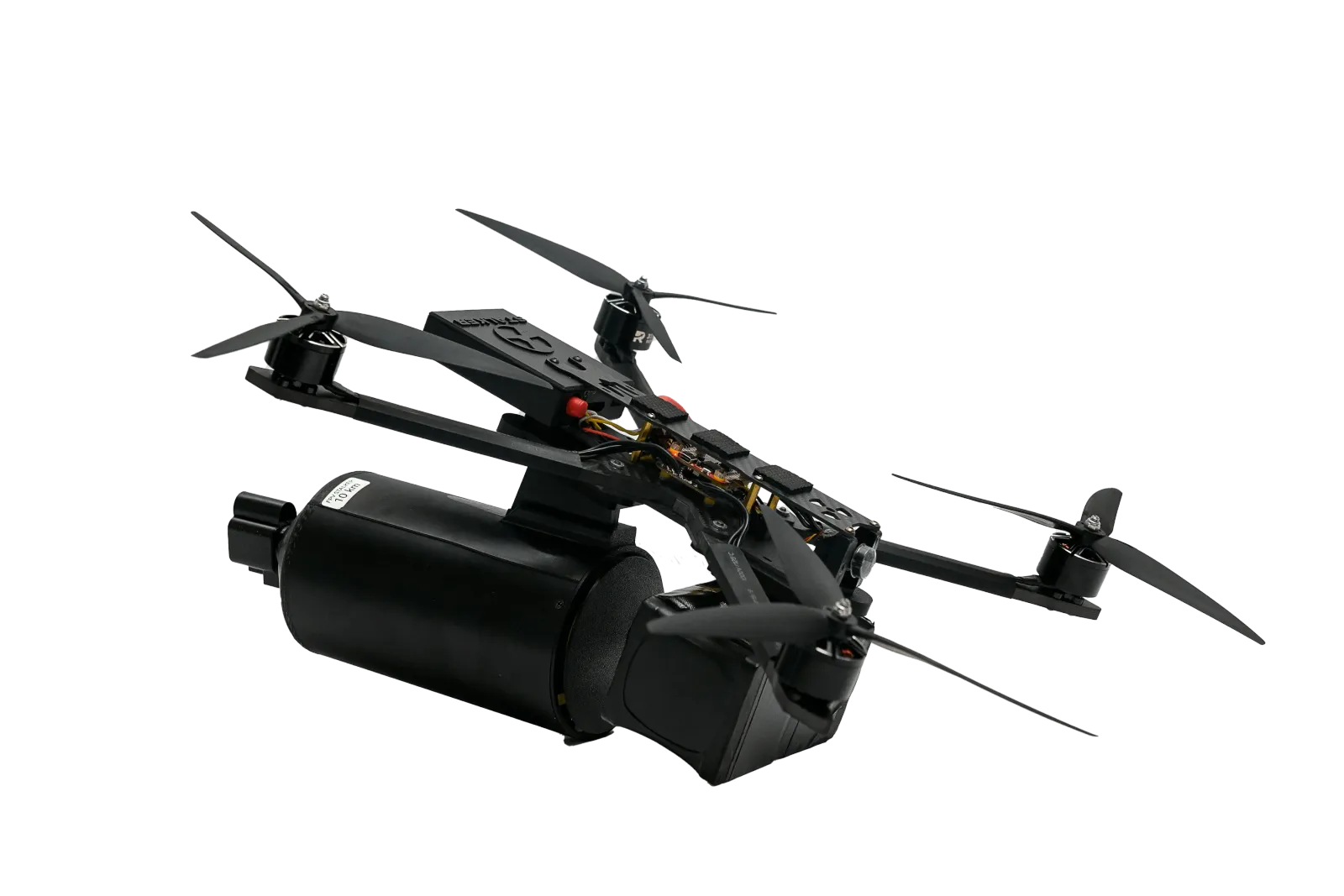
Stalker XO-10 is a Ukrainian single-use fiber-optic FPV strike drone from TechEx. It is the compact 10-inch member of the Stalker line, with official TechEx data listing a 10 km range and fast field preparation, while Ukraine's Ministry of Defence says combat units use it for forward-position attacks in heavy electronic-warfare conditions.

Role in Conflicts

In the 2014 Russia-Ukraine War, Ukraine's Ministry of Defence says the Stalker XO-10 is a 10-inch fiber-optic drone already flown by combat units to attack enemy vehicles, equipment, and personnel at forward positions despite heavy electronic warfare.

Role details
What Makes It Distinct

TechEx and Ukraine's Ministry of Defence both frame the XO-10 as a fast-launch fiber-optic FPV drone built to keep working where radio-linked drones are easily jammed.

FeatureSource-backed detail
Control linkFiber-optic control avoids normal radio emissions and keeps the drone usable in dense electronic warfare conditions.
Front-line roleThe MoD says the XO-10 is suited to destroying enemy vehicles, equipment, and personnel at forward positions.
Speed to launchTechEx lists 10 minutes for deployment and packing, plus 6 minutes to arm.
Situational awarenessTechEx publishes a target detection and recognition range of 150 m.
Loadout layoutOnline.UA says the Stalker line uses a standardized FPV layout with a free upper frame and front-mounted battery for stability.
Production contextTechEx's 2026 company booklet claims scalable monthly production for its UAS line and deployment with Ukrainian combat units.
Profile / Specs

Profile

Origin
Ukraine
Built by
TechEx
Type
10-inch fiber-optic FPV strike drone
Service note
2024-present
Designer
TechEx
Designed
2024
Unit cost
Reported at 41,000 UAH on the Brave1 marketplace.
Produced
2024-present

Specifications

Overall dimensions
593 x 593 x 259 mm
Maximum takeoff weight
6.55 kg
Maximum payload
2 kg official TechEx listing; 2.3 kg reported in MoD-derived coverage
Max flight range
10,000 m official TechEx listing; 10+ km reported in MoD-derived coverage
Deployment and packing time
10 min
Arming time
6 min
Flight altitude
Operational 50 m; maximum 1000 m
Flight duration
12 min with maximum payload, 20 min without payload
Flight speed
60 km/h cruise, 120 km/h maximum
Target detection and recognition range
150 m
Additional options
Thermal imaging camera, initiation board, target acquisition system
Loadout
Available with fiber-optic module, cable spool, and battery unit
Warhead mounting
Universal mounting location for the warhead
Variants

TechEx's public Stalker lineup separates the 10-inch XO-10 branch from the larger XO-15 branch, with MAX versions extending range, endurance, or payload within the same fiber-optic FPV family.

VariantConfigurationDesignation notes
Stalker XO-10 MAX, Fiber-optic FPV drone, Aircraft & UAVsStalker XO-10 MAX10-inch extended-range MAX model

TechEx lists the XO-10 MAX with the same basic 593 x 593 mm footprint as the XO-10 but a 15 km published range.

Sources: TechEx Stalker XO-10 MAX product page

Stalker XO-15, Fiber-optic FPV strike drone, Aircraft & UAVsStalker XO-1515-inch tactical-depth strike model

Ukraine's Ministry of Defence describes the XO-15 as the Stalker model aimed at support-zone and tactical-depth targets such as command posts, artillery, air defense, and electronic-warfare assets.

Sources: Stalker drone – Tracks and strikes despite EW

Stalker XO-15 MAX, 15-inch fiber-optic FPV strike drone, Aircraft & UAVsStalker XO-15 MAX15-inch longer-endurance MAX model

TechEx presents the XO-15 MAX as the larger MAX family member, with a 20 km listed range and longer endurance than the XO-15.

Sources: TechEx Stalker XO-15 MAX product page

Timeline

Stalker XO-10 Key Events

  1. First codified sample reported

    Online.ua reported that TechEx received its first codified sample on 25 November 2024 after starting the process in the fall.

    Sources: TechEx: production of fiber-optic drones according to NATO standards, work with the Ministry of Defense, export prospects

  2. MoD confirms frontline use

    Ukraine's Ministry of Defence said the Stalker XO-10 had been codified since early 2025 and was already being flown by combat units in heavy electronic warfare conditions.

    Sources: Stalker drone – Tracks and strikes despite EW

Stalker Family

TechEx's published Stalker lineup centers on the XO-10 and XO-15 families, with MAX variants extending the same fiber-optic concept through different range, endurance, and payload tradeoffs.

ModelPublished rangeSource-backed distinction
Stalker XO-10 MAX, Fiber-optic FPV drone, Aircraft & UAVsStalker XO-10 MAX15 kmSame 10-inch footprint as the XO-10, with longer official range and a 1.5 kg listed payload.
Stalker XO-15, Fiber-optic FPV strike drone, Aircraft & UAVsStalker XO-1515 kmLarger 15-inch model associated in MoD and Online.UA reporting with tactical-depth target sets.
Stalker XO-15 MAX, 15-inch fiber-optic FPV strike drone, Aircraft & UAVsStalker XO-15 MAX20 kmLarger MAX model with longer listed endurance than the XO-15 and a 2 kg official payload.
Media
Related Weapon Systems
PHOTON FPV drone, Modular first-person-view strike UAV family, Aircraft & UAVsAircraft & UAVsPHOTON FPV droneModular first-person-view strike UAV familyPHOTON is Global Mark's Ukrainian strike FPV drone family built around configurable 7- to 15-inch airframes, analog or digital guidance, optional night and thermal cameras, and the company's PHOTON autoguidance module. Manufacturer sources identify PHOTON as supplied for Armed Forces of Ukraine wartime use in strike, reconnaissance, and fire-adjustment tasks during the 2014 Russia-Ukraine War, with independent unit-level public documentation still limited.
FPV drones, First-person-view small UAV / one-way attack drone, Aircraft & UAVsAircraft & UAVsFPV dronesFirst-person-view small UAV / one-way attack droneFPV drones are small first-person-view UAVs adapted from racing-drone and commercial quadcopter technology into tactical reconnaissance and one-way attack systems. Russia and Ukraine turned them into mass battlefield consumables, while later reporting from Lebanon, Mali, Myanmar, Syria, Sudan, and Mexico shows the same control-link, payload, and low-cost adaptation pattern spreading to state forces, insurgents, and organized armed groups.

Sources